
Execution of an insurgent in Warsaw Citadel in 1863 or — History & Facts
The first thing to strike the viewer here is the raw immediacy of the scene: a man’s face, eyes wide and unfocused, lies turned toward us, while a woman collapses over him, her hands clutching his body with desperate intimacy. The painter has chosen a close, almost claustrophobic framing that forces us into the moment—there is no escape from the violence and grief. The blood on the white shirt is not only a mark of the wound, but a deliberate visual jolt, anchoring the viewer’s gaze and making the cost of the unseen event inescapable.
The woman’s hair, loose and tangled, spills over the man’s chest, a detail that hints at the chaos and personal devastation of the event. Light falls unevenly, picking out the pale skin and the streaks of red, while the background recedes into shadow, leaving us with nothing but the aftermath. Painted in 1885 by Antoni Piotrowski, this work belongs to a world where history painting took on new urgency in Eastern Europe. The late nineteenth century saw artists across Poland and its occupied territories turning to recent uprisings and national tragedies, using their canvases to mourn, protest, and remember.
Such paintings were often commissioned or collected by private individuals or patriotic societies, determined to keep memory alive under foreign rule. While little is recorded about the specific journey of this work, its date and subject place it squarely within this movement—a time when art was both witness and weapon. The image invites us to look again, not just at the figures, but at the world that made such moments necessary to remember.
More Artworks by Antoni Piotrowski
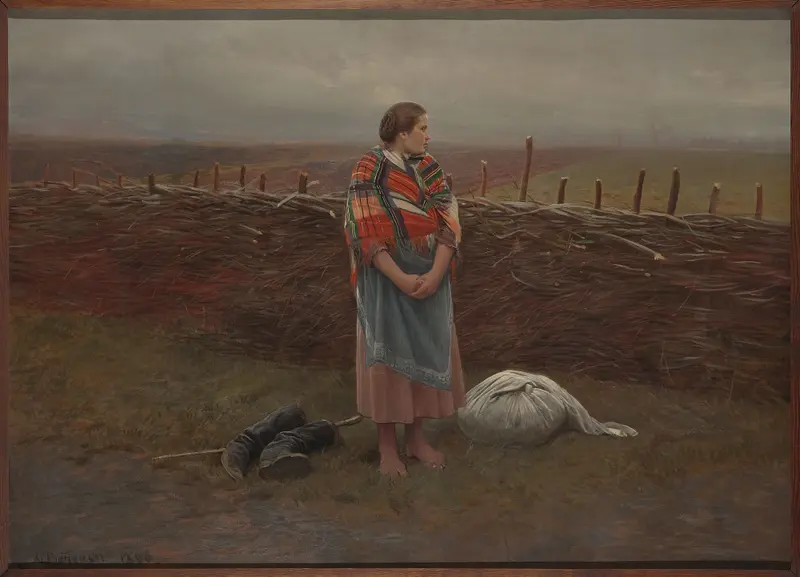
Homeless (Country girl at the fence).
Antoni Piotrowski
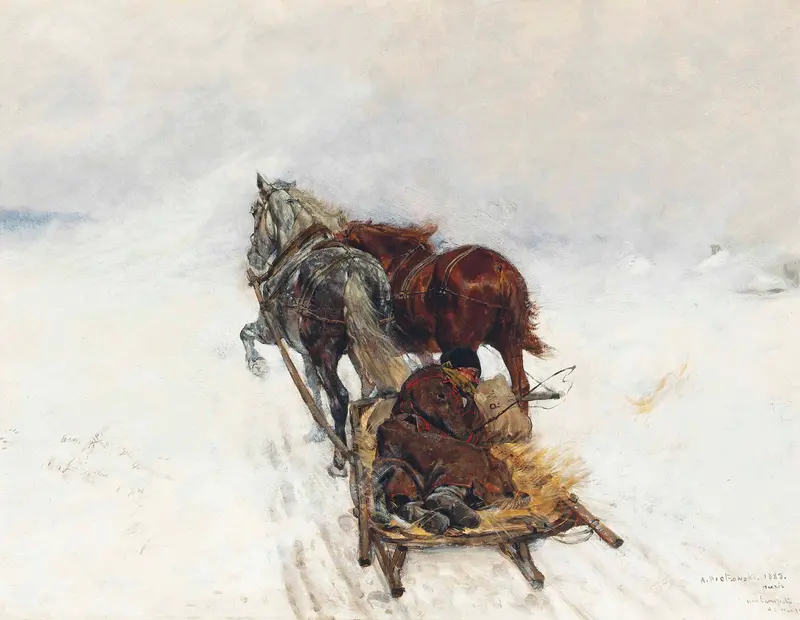
A snow storm
Antoni Piotrowski
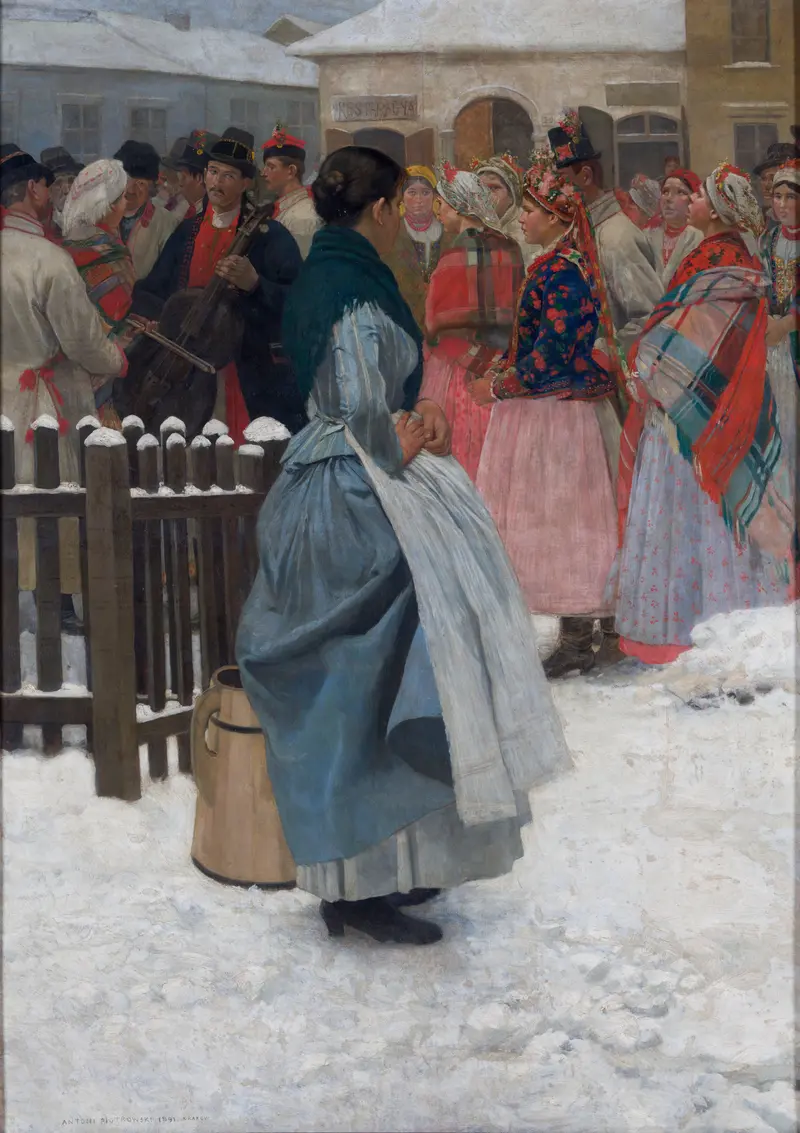
The Weeding Is Coming
Antoni Piotrowski
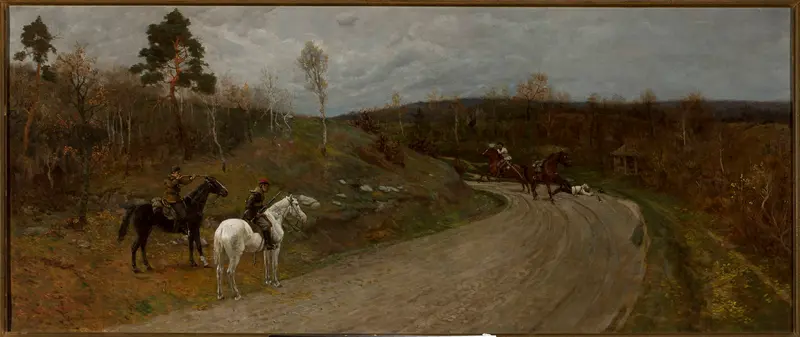
A scene from the 1863 Uprising.
Antoni Piotrowski

Wedding in the evening
Antoni Piotrowski
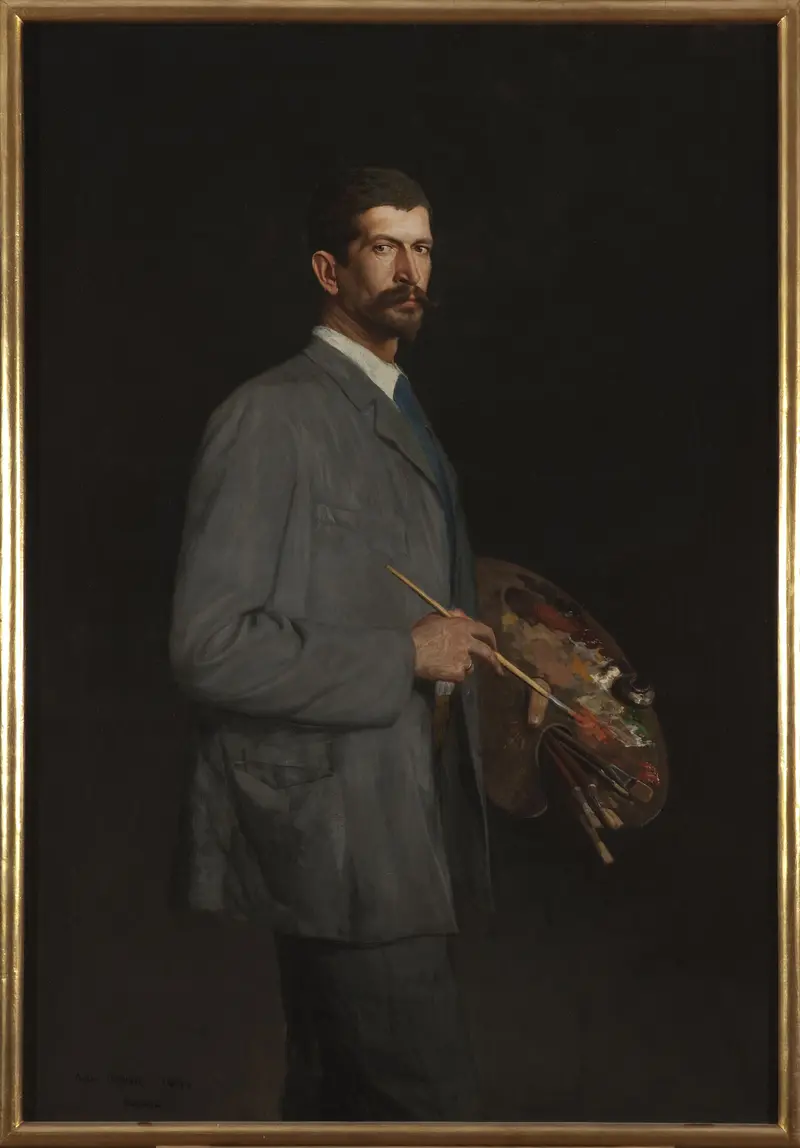
Self-portrait with a palette
Antoni Piotrowski
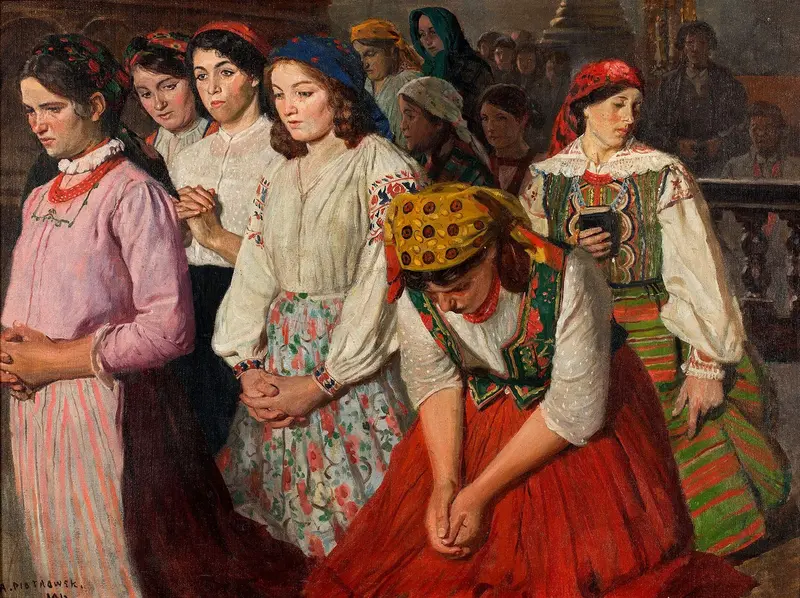
Intencja
Antoni Piotrowski
Berezina
Antoni Piotrowski
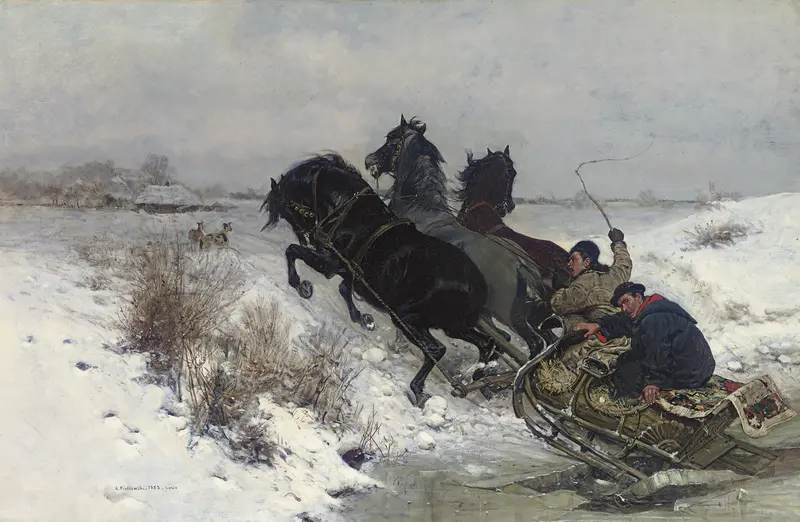
The cracked ice
Antoni Piotrowski
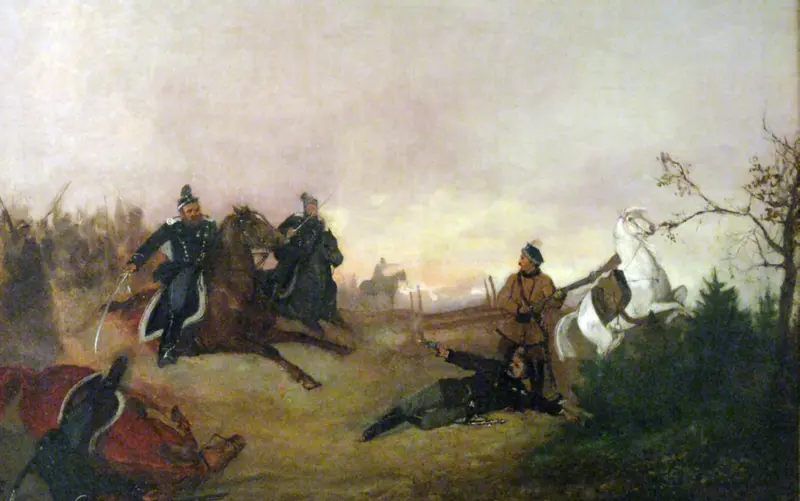
Death of Dionizy Czachowski during battle of Wierzchowiska in
Antoni Piotrowski





