
Homeless (Country girl at the fence). — History & Facts
What draws the eye first in Homeless (Country girl at the fence) is the quiet, almost stubborn dignity of the young woman standing barefoot on the cold earth, her hands folded, her gaze turned firmly away from the viewer. The fence behind her, woven from rough branches, forms a barrier that feels both protective and isolating, while the vast, muted landscape stretches out into a grey, uncertain distance. Her brightly checked shawl is the one note of warmth in a scene otherwise dominated by browns and greys, a signal of individuality and resilience amid hardship.
At her feet, a bundled sack and a discarded pair of boots hint at a recent journey or an abrupt uprooting, while her bare feet root her to the spot, caught between departure and arrival. The painter’s careful attention to the textures of fabric and earth invites us to linger on the details, searching for clues to her story. Painted in 1896, this work by Antoni Piotrowski belongs to a period when artists across Europe were turning their attention to rural life and social realities, often with a sense of empathy or quiet protest. Such images were rarely commissioned by the wealthy; instead, they found their place in public exhibitions or national museums, like the National Museum in Warsaw, where this painting is held.
The late nineteenth century was a time of upheaval and migration, and paintings like this one captured the uncertain fate of those left at society’s margins. History has kept few traces of the individual lives that inspired such works, but the artist’s gaze preserves a moment of endurance and waiting—one that still asks us to meet the subject’s eyes and wonder what comes next.
More Artworks by Antoni Piotrowski

Execution of an insurgent in Warsaw Citadel in 1863 or
Antoni Piotrowski
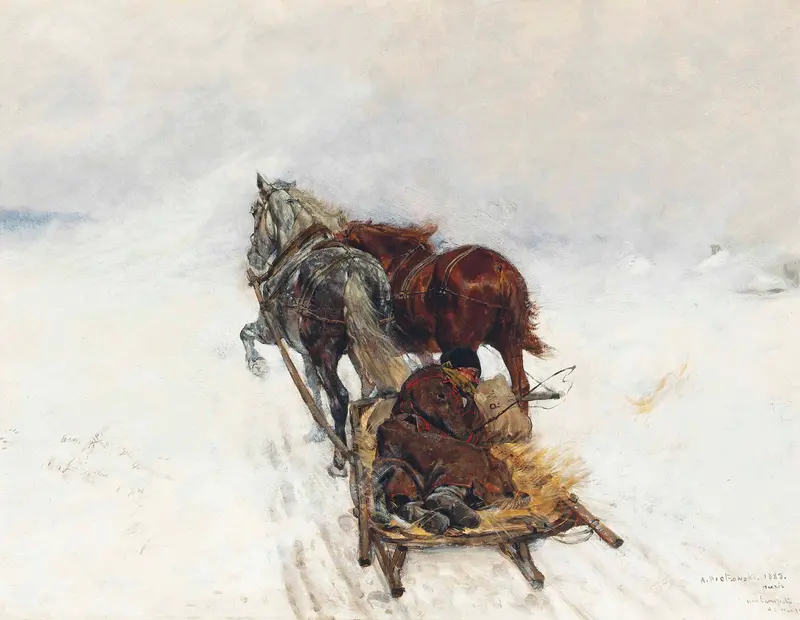
A snow storm
Antoni Piotrowski
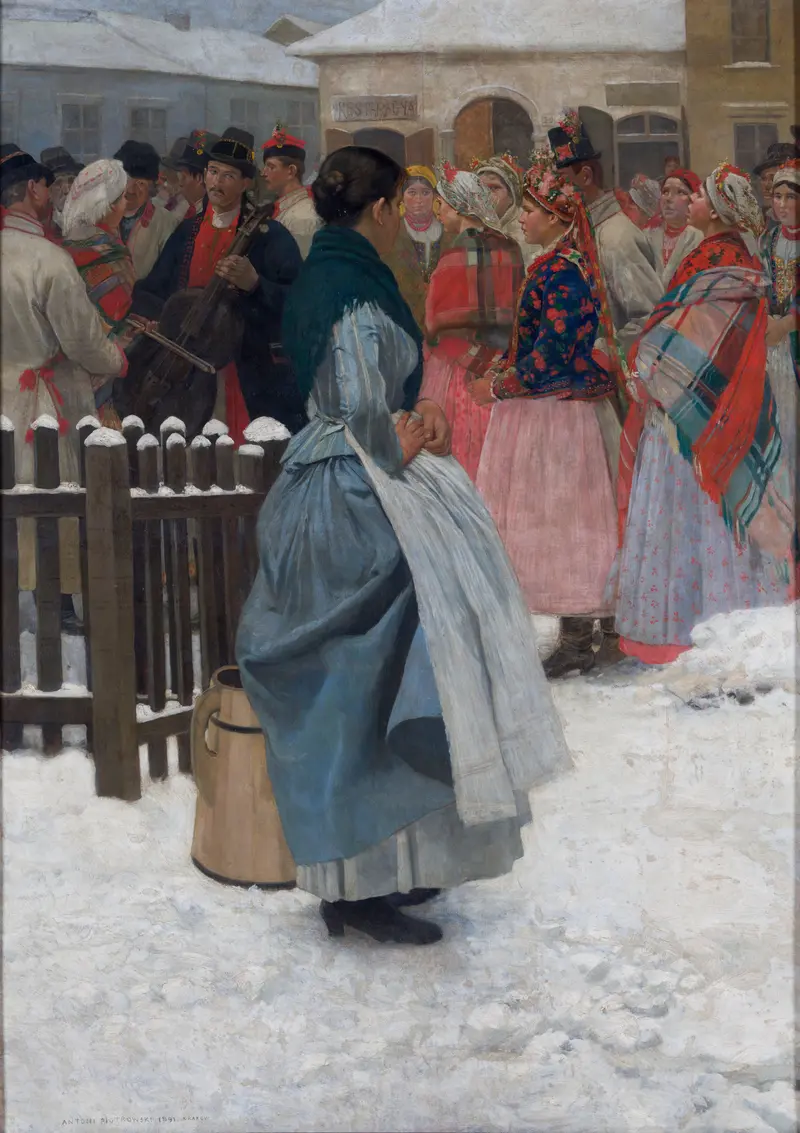
The Weeding Is Coming
Antoni Piotrowski
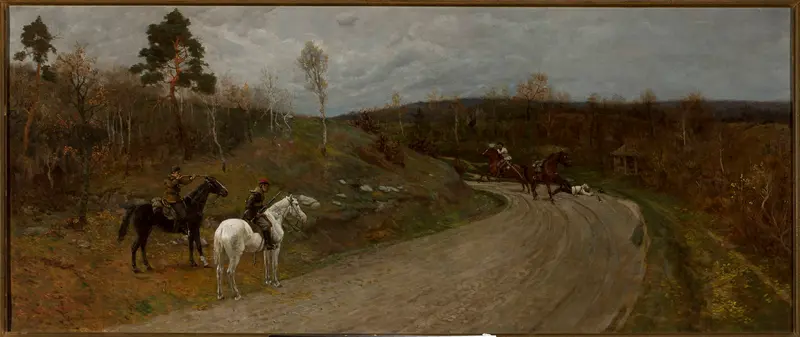
A scene from the 1863 Uprising.
Antoni Piotrowski

Wedding in the evening
Antoni Piotrowski
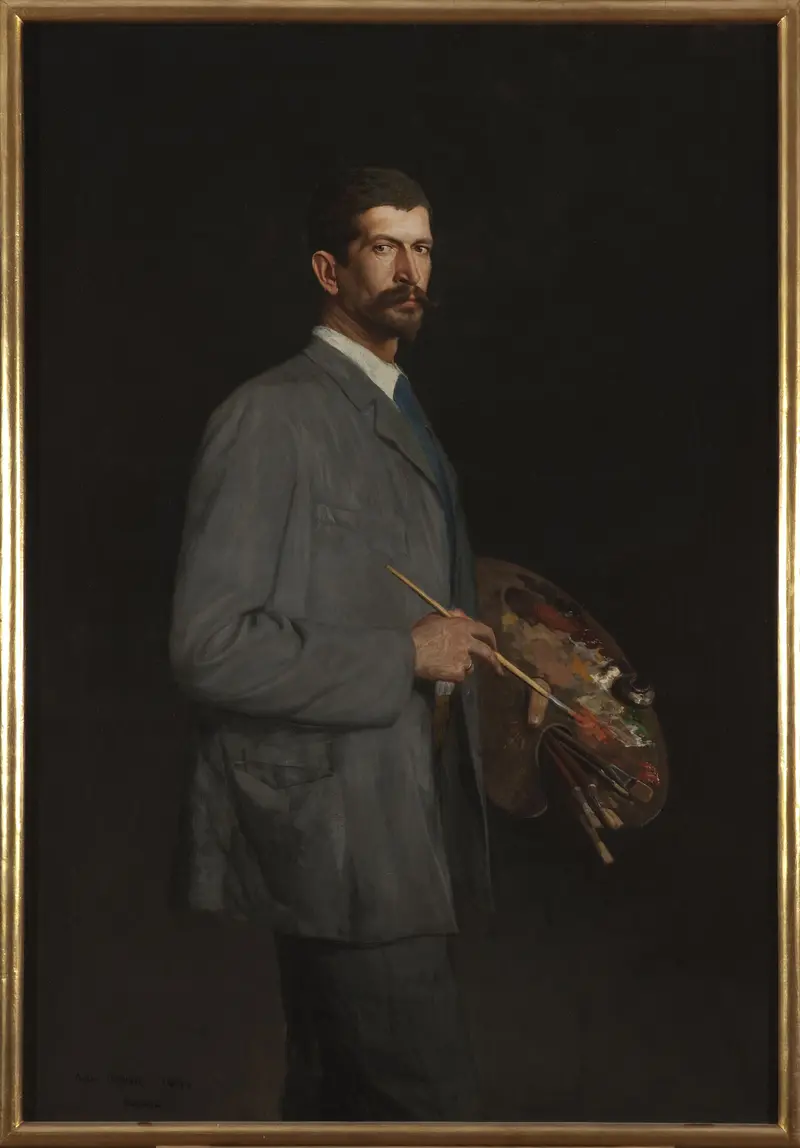
Self-portrait with a palette
Antoni Piotrowski
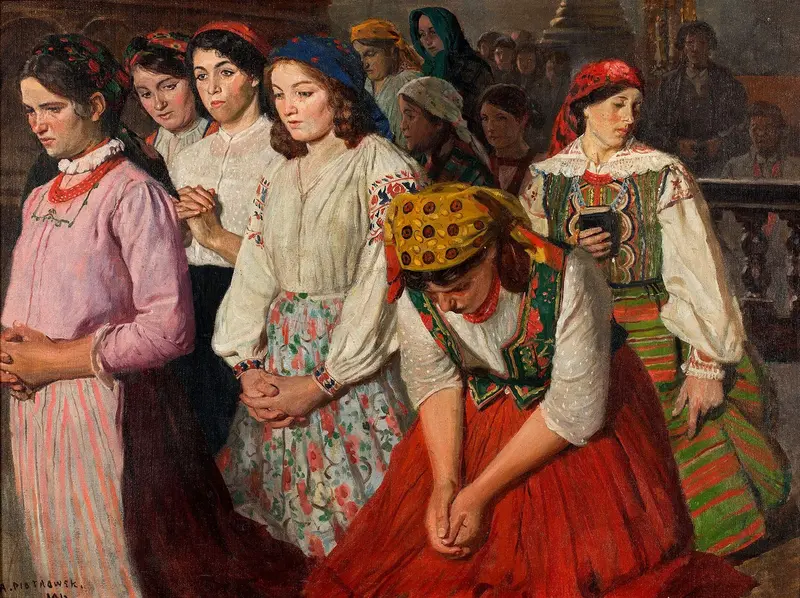
Intencja
Antoni Piotrowski
Berezina
Antoni Piotrowski
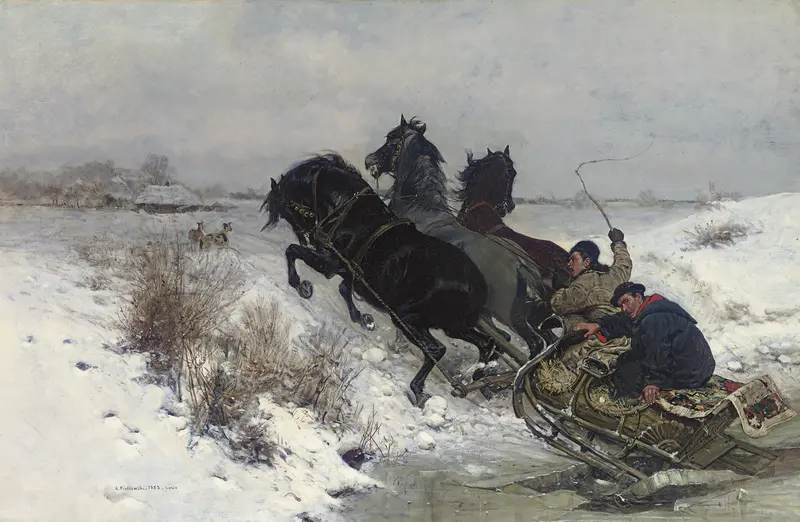
The cracked ice
Antoni Piotrowski
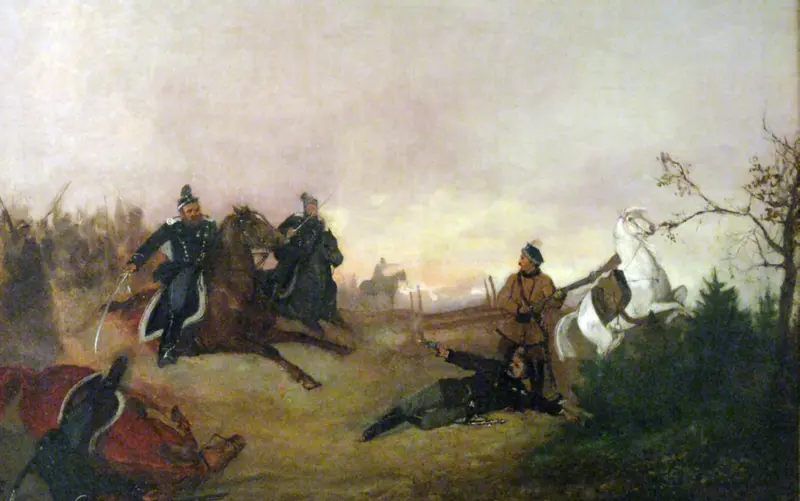
Death of Dionizy Czachowski during battle of Wierzchowiska in
Antoni Piotrowski
More Genre Scene Art

Banquet of the Officers of the St George Civic Guard
Frans Hals

Rembrandt and Saskia in the Scene of the Prodigal Son
Rembrandt van Rijn

Bal du moulin de la Galette
Pierre-Auguste Renoir

Quadrille at the Moulin Rouge
Henri de Toulouse-Lautrec

A Burial at Ornans
Gustave Courbet

When Will You Marry?
Paul Gauguin