
A Street in a Country Village — History & Facts
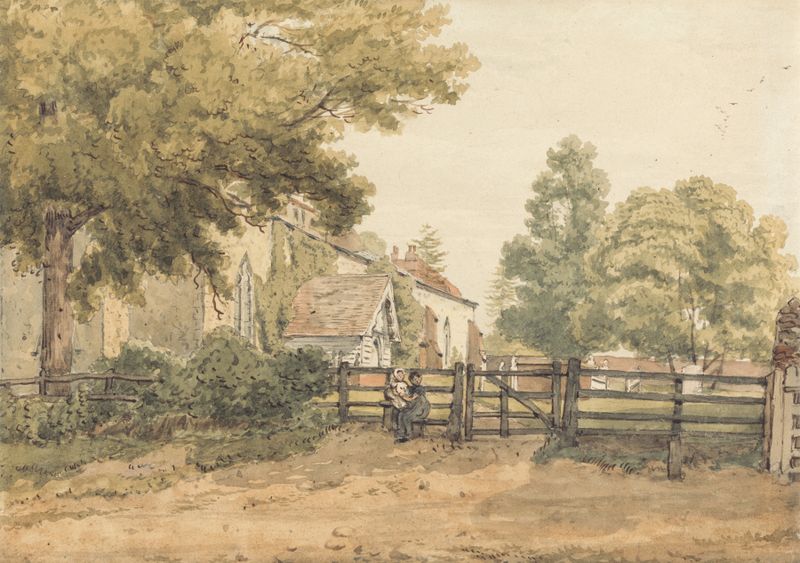
In the gentle embrace of a village scene, hope weaves through the quiet lives of its inhabitants. Look to the center of the composition where a winding street beckons, flanked by quaint cottages with their rustic facades glowing in the warm sunlight. Notice the soft, earthy palette of ochres and greens, blending seamlessly to evoke the tranquility of rural life. The delicate brushstrokes bring a sense of movement to the scene, as if the air itself is imbued with the whispers of passing time, inviting viewers to wander down the lane. Hidden within this pastoral landscape lies a contrast of permanence and transience.
The sturdy homes, grounded in their surroundings, represent the enduring nature of community, while the fleeting figures—mothers with children, a farmer—embody the vibrant yet ephemeral moments of daily life. Each element, from the fluttering leaves to the distant hills, speaks to the quiet resilience that resides in simplicity and shared existence. William Henry Hunt created this work in 1815 during a time when the Romantic movement was gaining momentum, celebrating the beauty of nature and the everyday. Living in England, he was immersed in a world transitioning through the Industrial Revolution, which contrasted sharply with the idyllic scenes he portrayed.
This painting reflects not only his personal connection to rural life but also the broader cultural yearning for simplicity amid the rapid changes of modernity.
More Artworks by William Henry Hunt
Browse all →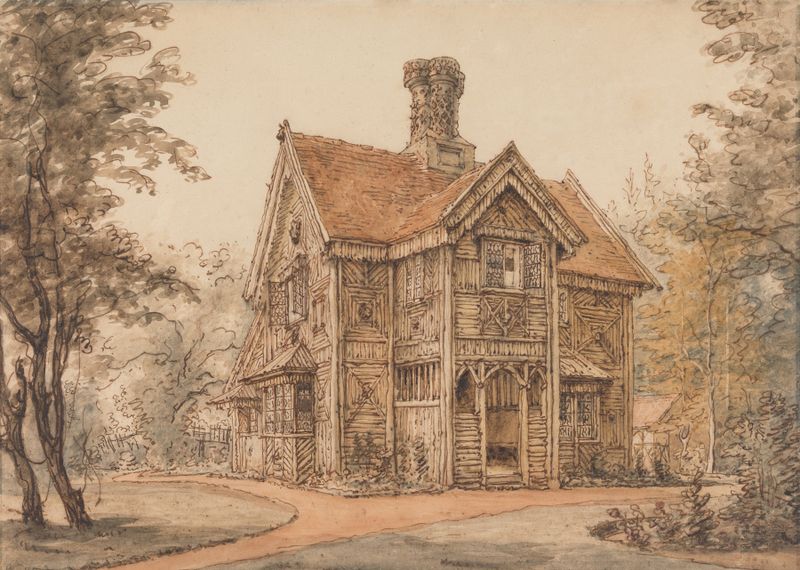
A Lodge at Cassiobury
William Henry Hunt
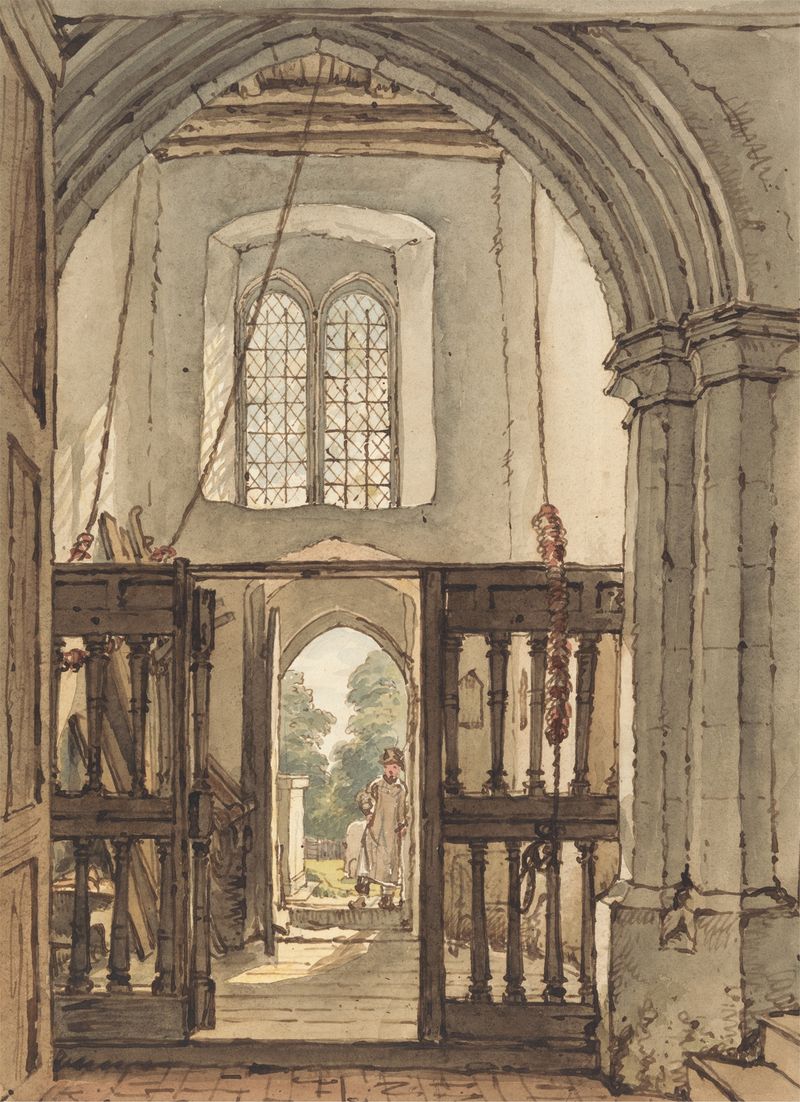
Interior of the Belfry, Bushey Church
William Henry Hunt
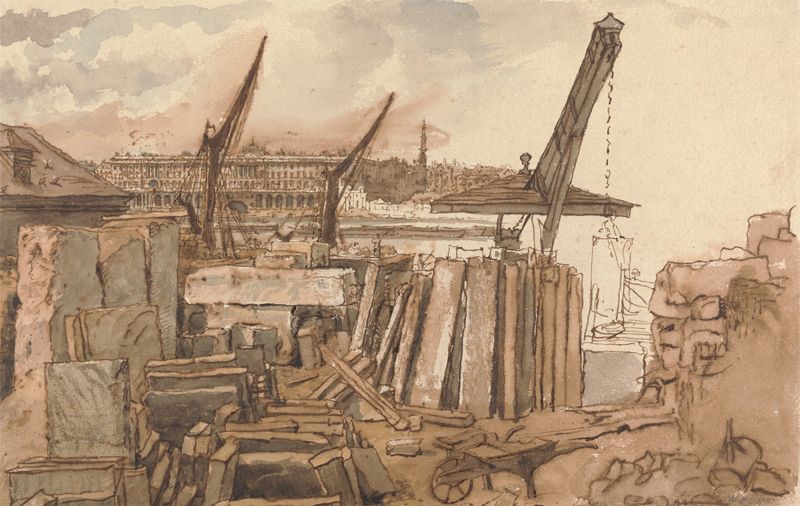
The Building of Waterloo Bridge
William Henry Hunt
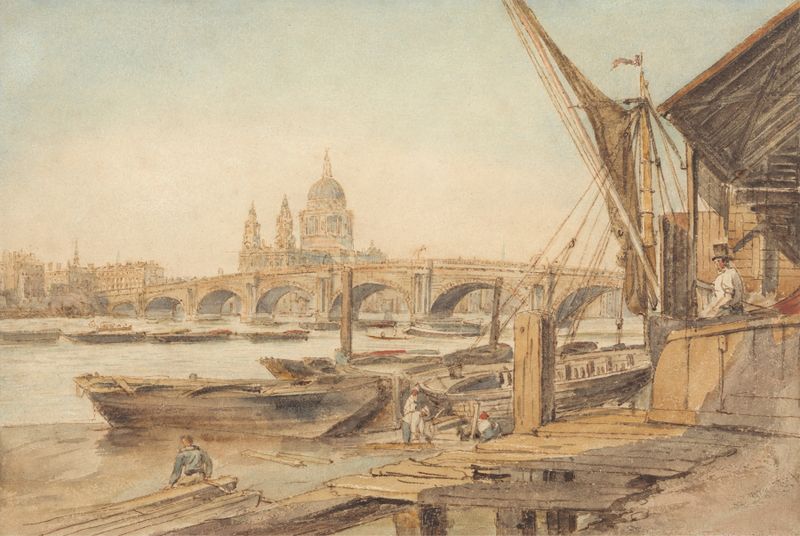
St. Paul’s Cathedral and Blackfriar’s Bridge
William Henry Hunt
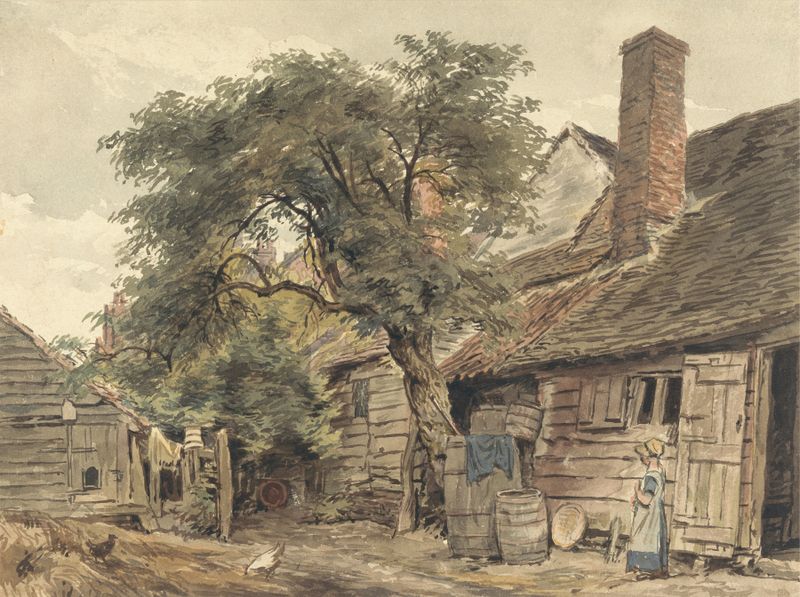
Backyard of a Cottage
William Henry Hunt
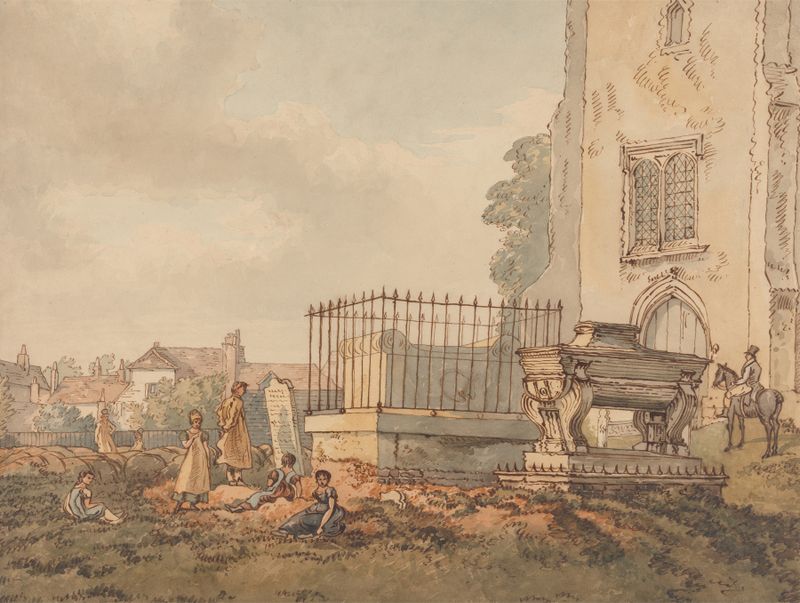
Bushey Churchyard with the Tombs of Edridge, Hearne and H. Monro
William Henry Hunt
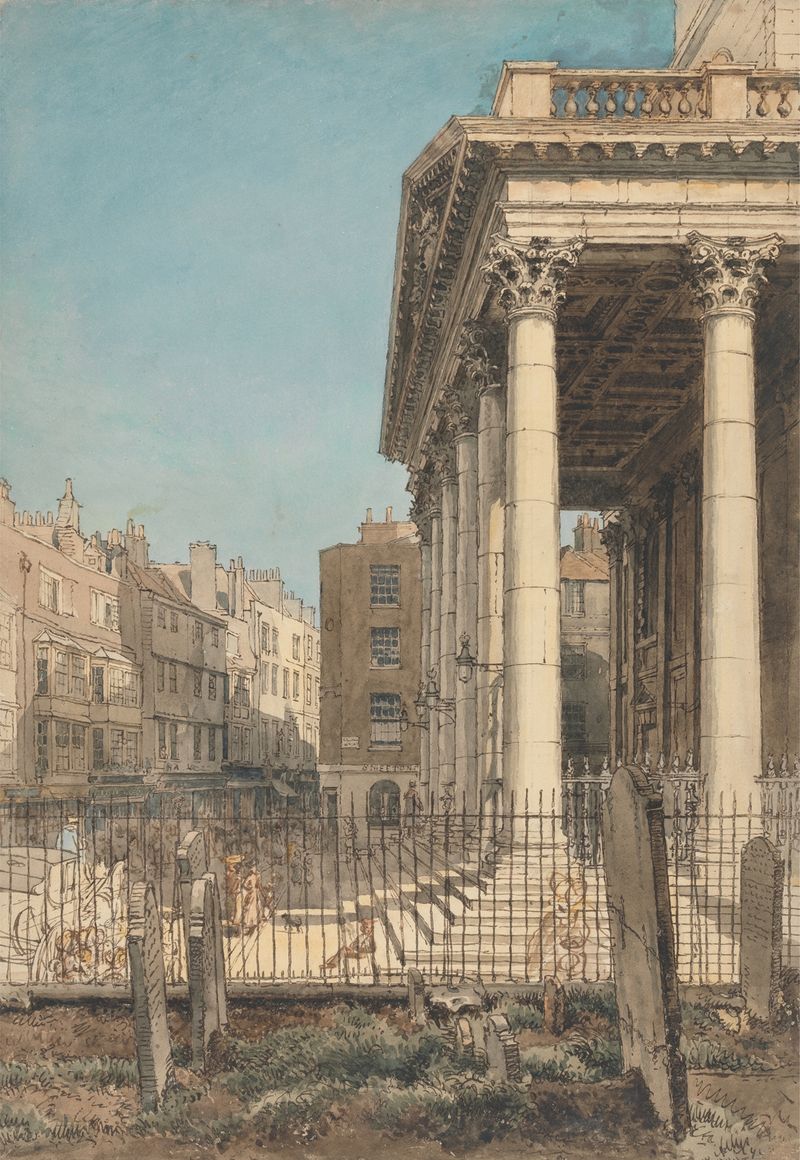
The Portico of St. Martin-in-the-Fields
William Henry Hunt
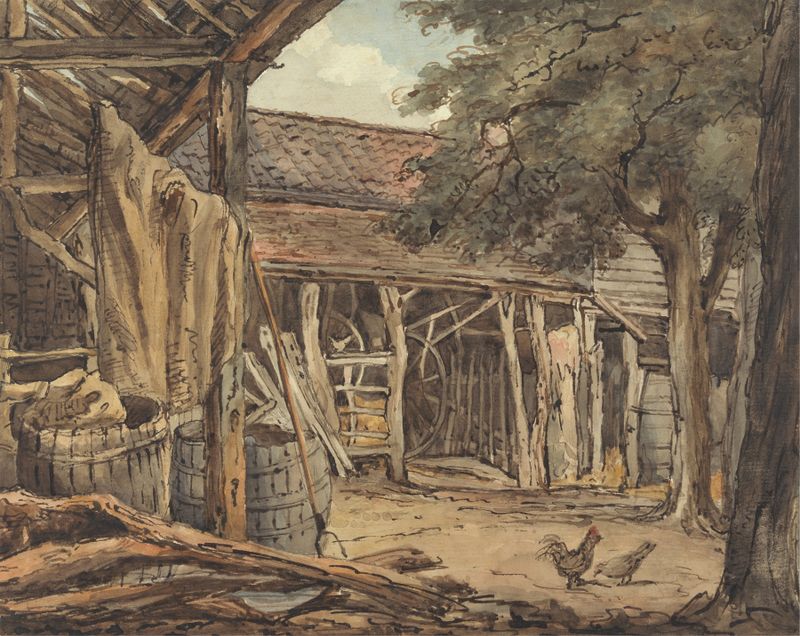
A Farmyard
William Henry Hunt
Aldenham Church
William Henry Hunt
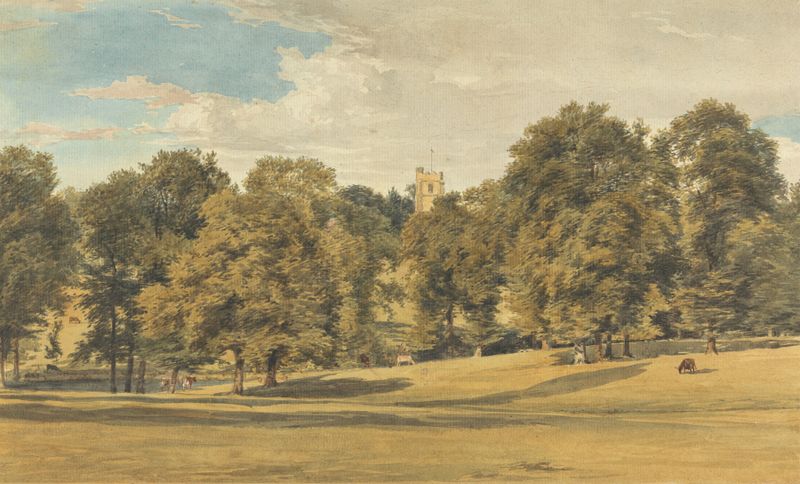
Bushey Church from the South West
William Henry Hunt





