
St. Paul’s Cathedral and Blackfriar’s Bridge — History & Facts
Time, that relentless whisper, transforms even the most steadfast structures into shadows of their former selves. Look to the center, where St. Paul’s Cathedral rises majestically above the landscape, its domes illuminated by the warm glow of a late afternoon sun. Notice how Hunt employs a soft palette of blues and ochres to create a serene atmosphere, juxtaposed against the bustling life of the Thames below.
The fine brushwork captures fleeting clouds and shimmering reflections on the water, drawing your gaze down toward Blackfriar’s Bridge, where figures mill about, lost in their own moments. Yet, beneath this tranquil facade lies a deeper narrative of transition and impermanence. The cathedral, a symbol of resilience, stands as a testament to history while the bridge, with its lively crowds, represents the ceaseless march of time and progress. The contrasting stillness of the monument and the vibrancy of human activity evoke the tension between permanence and transience, urging viewers to reflect on the ephemeral nature of both beauty and life itself. In 1817, during a period of change in England, Hunt created this work while immersed in the burgeoning Romantic movement.
The painting reflects his admiration for capturing the essence of the natural world, using an evocative, atmospheric style to depict London’s iconic skyline. Amidst the Industrial Revolution's advancements, Hunt's portrayal of this scene speaks to a collective nostalgia for a past steeped in beauty.
More Artworks by William Henry Hunt
Browse all →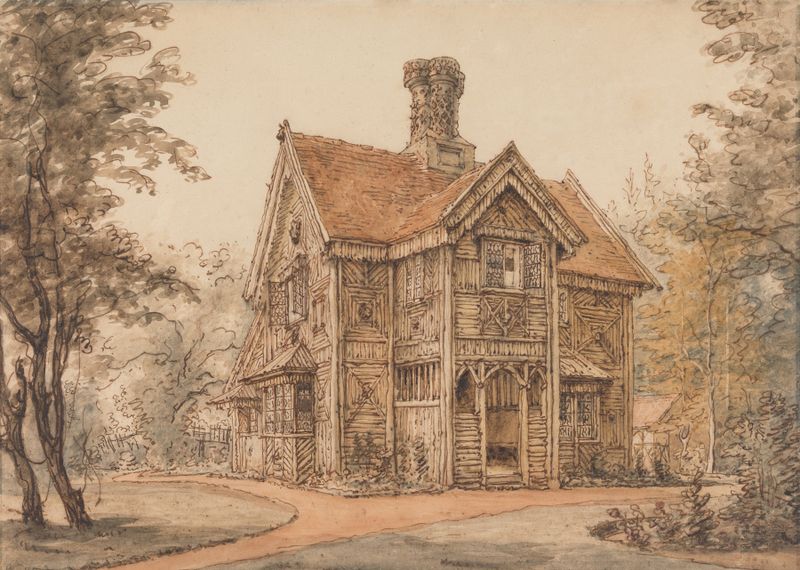
A Lodge at Cassiobury
William Henry Hunt
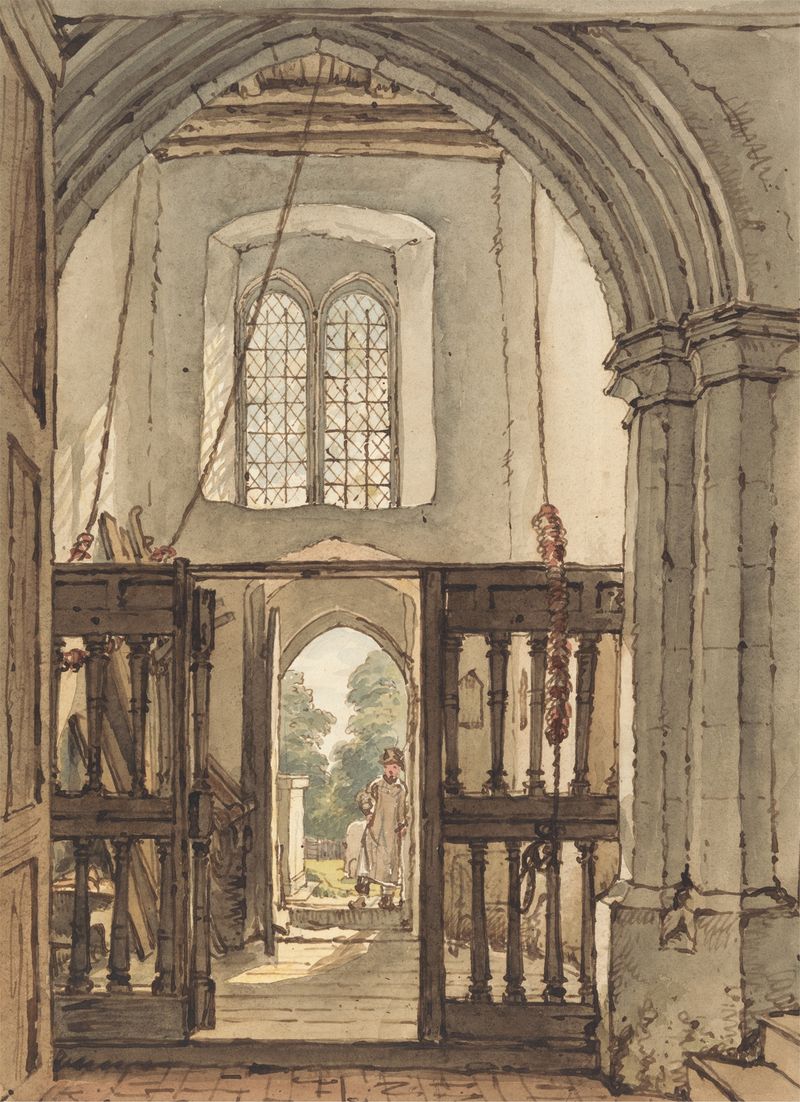
Interior of the Belfry, Bushey Church
William Henry Hunt
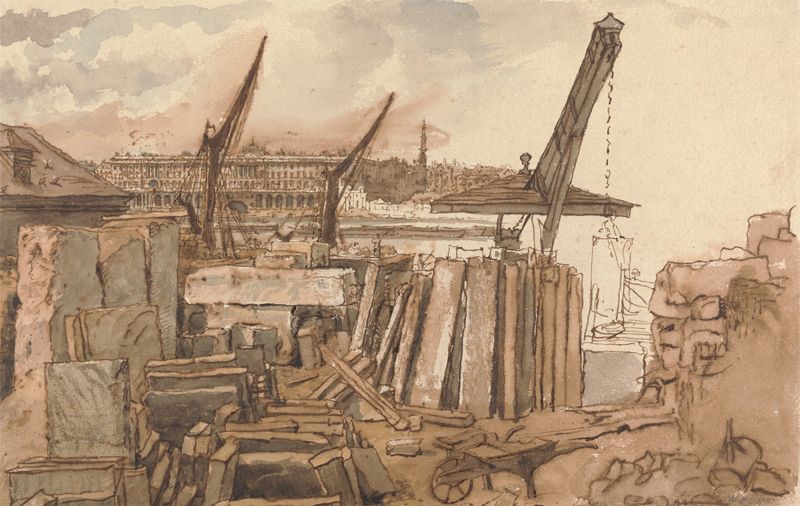
The Building of Waterloo Bridge
William Henry Hunt
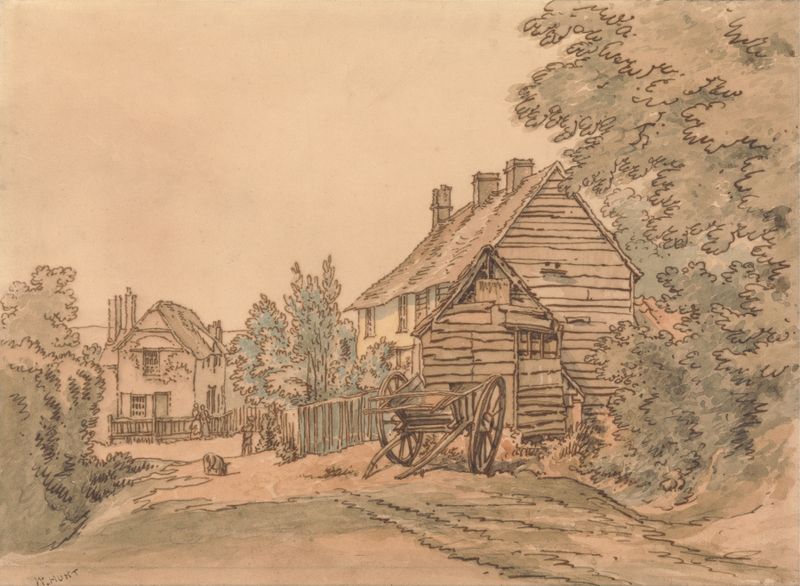
A Street in a Country Village
William Henry Hunt
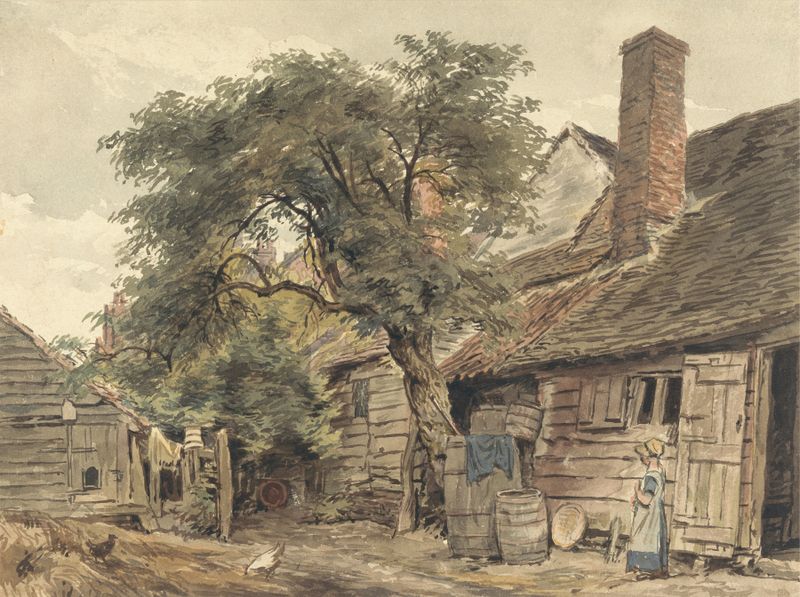
Backyard of a Cottage
William Henry Hunt
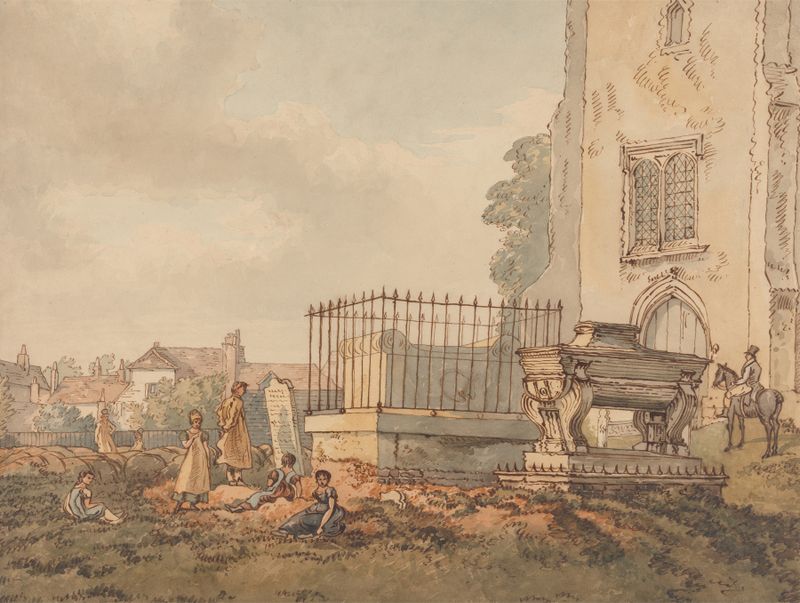
Bushey Churchyard with the Tombs of Edridge, Hearne and H. Monro
William Henry Hunt
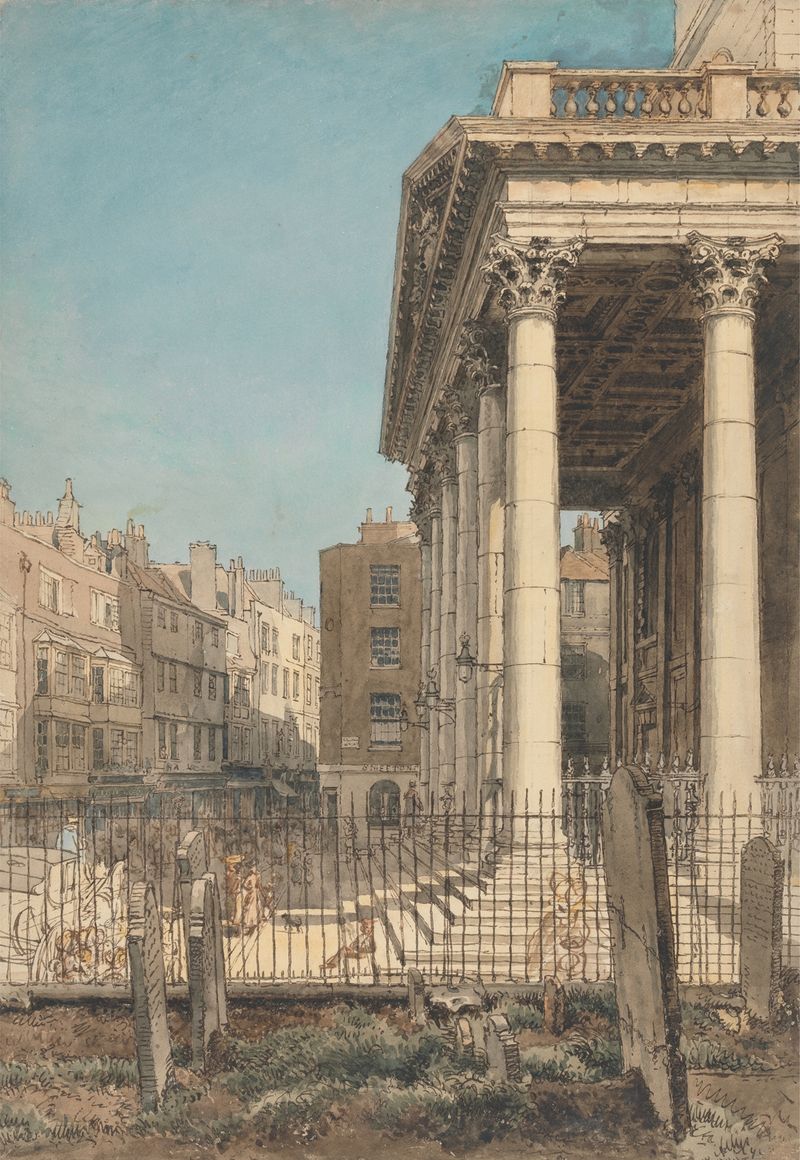
The Portico of St. Martin-in-the-Fields
William Henry Hunt
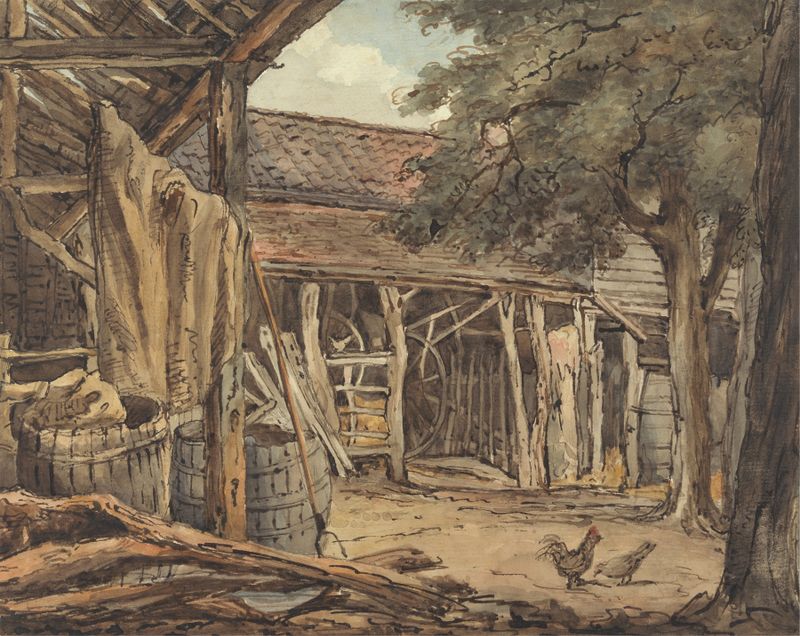
A Farmyard
William Henry Hunt
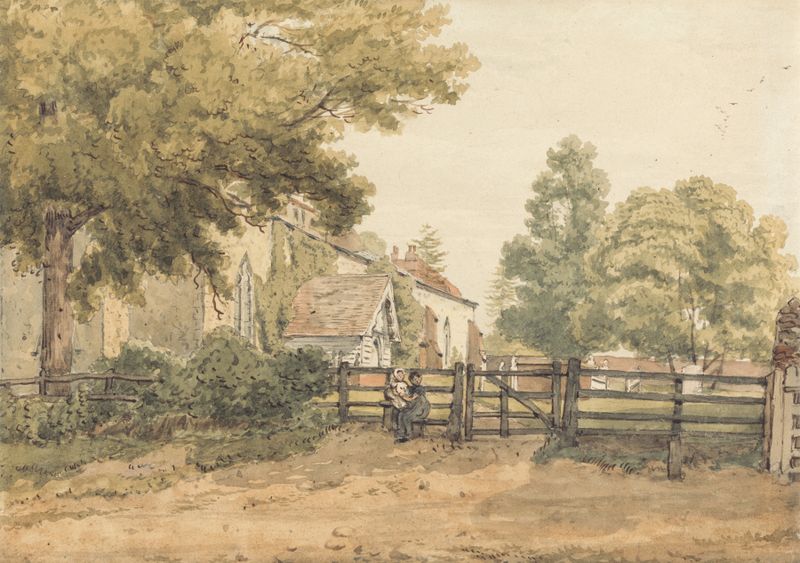
Aldenham Church
William Henry Hunt
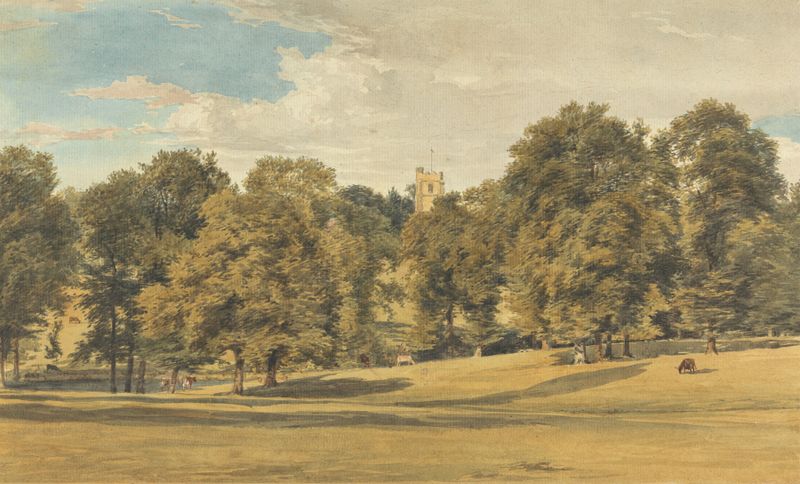
Bushey Church from the South West
William Henry Hunt
More Architecture Art
Browse all →
The statue of Liberty
Frédéric Auguste Bartholdi

View of Houses in Delft, Known as ‘The Little Street’
Johannes Vermeer

View of Houses in Delft, Known as ‘The Little Street’
Johannes Vermeer

The Cathedral in Rouen. The portal, Grey Weather
Claude Monet

The yellow house
Vincent van Gogh

The Church in Auvers-sur-Oise, View from the Chevet
Vincent van Gogh