
The Portico of St. Martin-in-the-Fields — History & Facts
In the embrace of painted light and shadow, memory whispers its secrets, inviting reflection and reverie. Look to the left of the canvas, where the delicate archway of St. Martin-in-the-Fields beckons. The warm hues of ochre and umber contrast with the cool blues of a distant sky, establishing a tension that resonates within the viewer.
The meticulous attention to detail in the stonework draws your gaze, while the figures below are rendered with a soft touch, creating a palpable sense of warmth amidst the architecture's stoic presence. As you move your eye across the scene, notice the interplay of light filtering through the portico, casting gentle patterns that evoke a sense of time passing. The slightly bowed posture of the solitary figure on the steps suggests contemplation, a moment captured between the rush of life and the stillness of memory. Every element speaks to the unspoken stories held within these walls, hinting at the layered histories of joy and sorrow, the fleeting nature of existence, and the silent witnesses of time. In 1862, William Henry Hunt painted this scene amidst a vibrant cultural landscape, where the Pre-Raphaelite Brotherhood was reshaping British art with their focus on intricate detail and rich colors.
Located in London, Hunt was influenced by the changes in society and an evolving art world that celebrated both realism and emotional depth. He sought to immortalize this iconic location, weaving together architectural grandeur and the poignant threads of human experience.
More Artworks by William Henry Hunt
Browse all →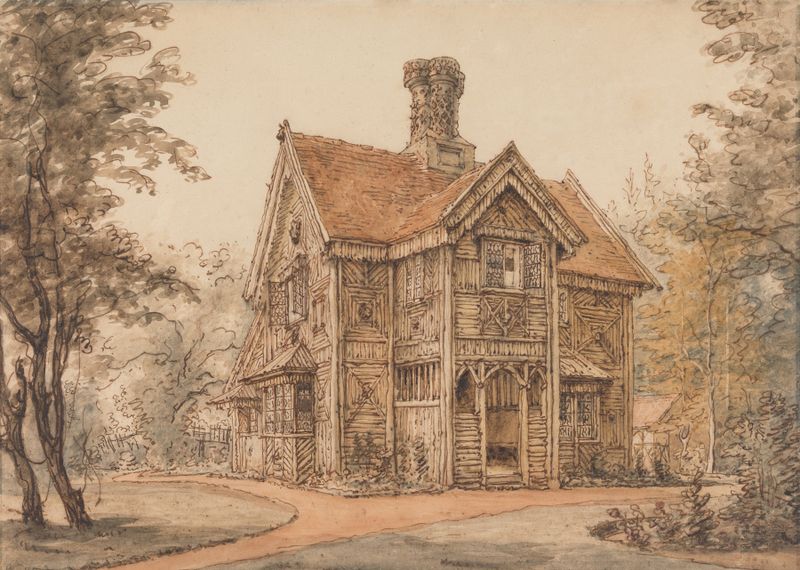
A Lodge at Cassiobury
William Henry Hunt
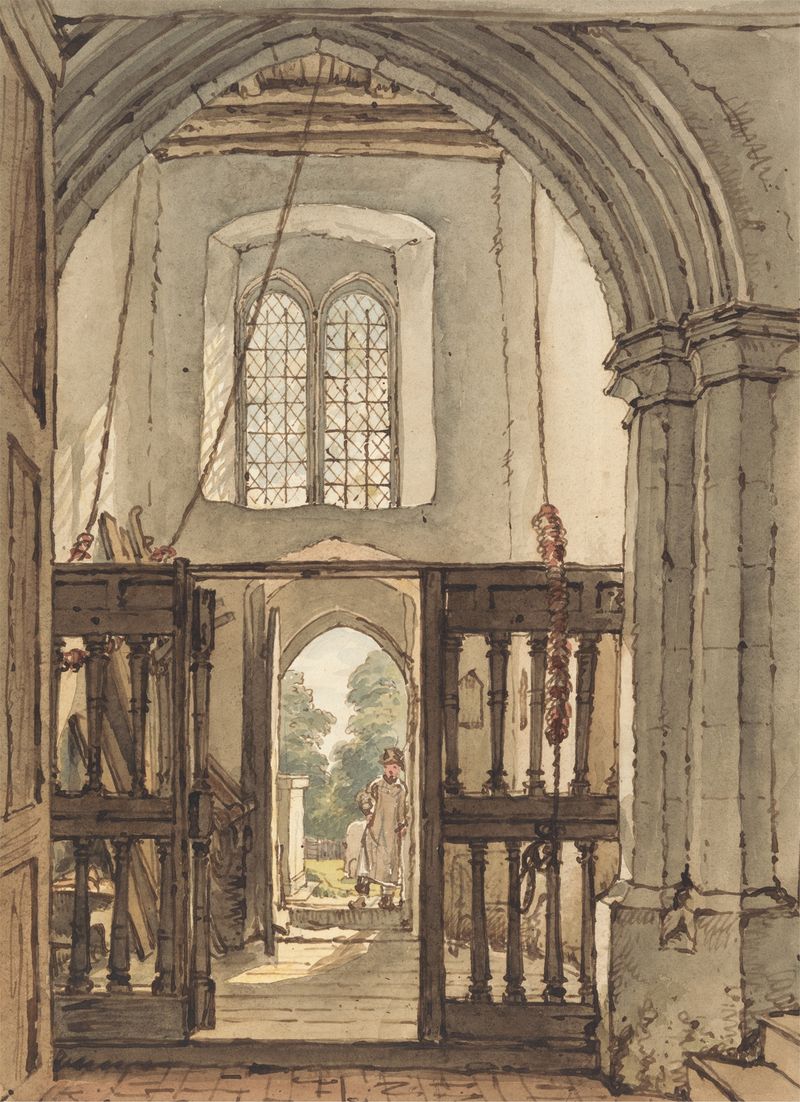
Interior of the Belfry, Bushey Church
William Henry Hunt
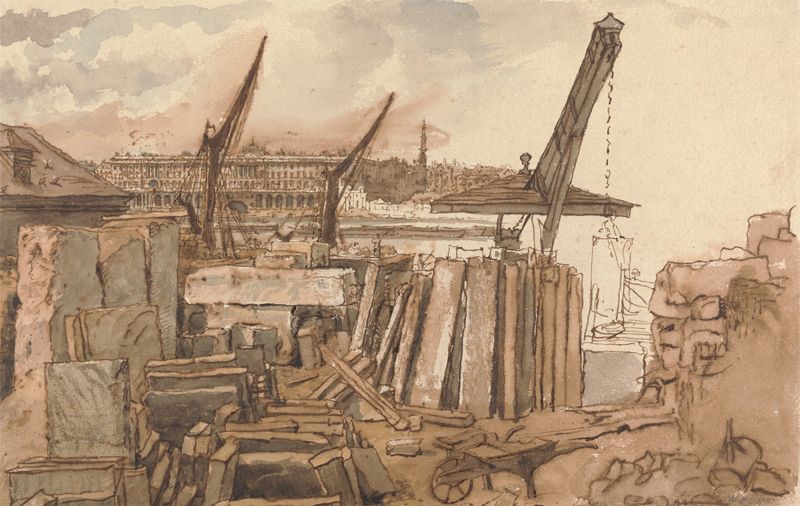
The Building of Waterloo Bridge
William Henry Hunt
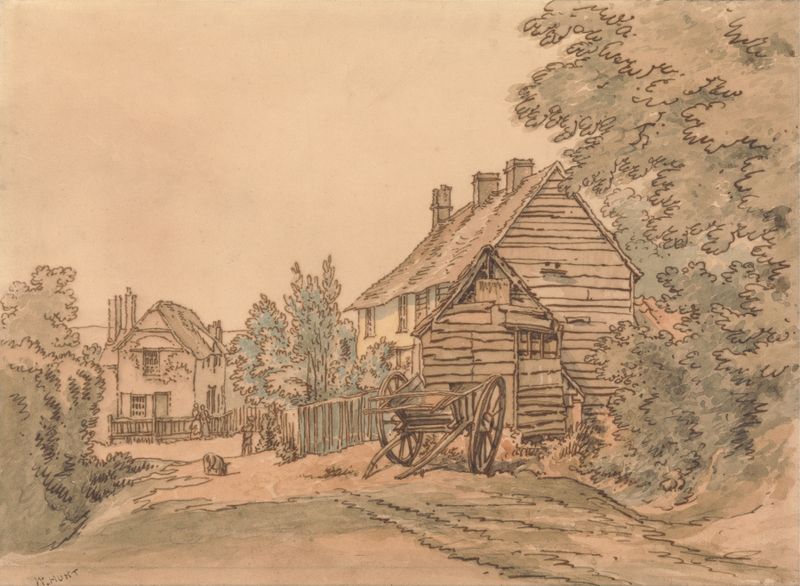
A Street in a Country Village
William Henry Hunt
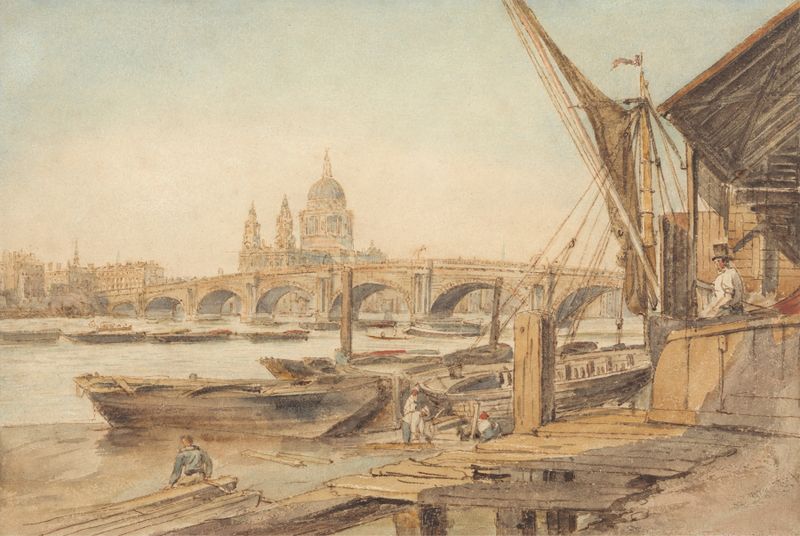
St. Paul’s Cathedral and Blackfriar’s Bridge
William Henry Hunt
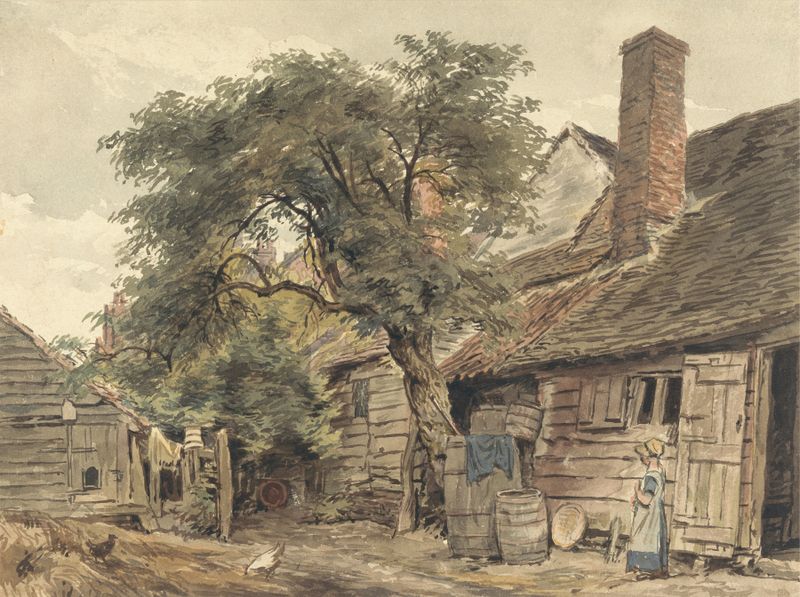
Backyard of a Cottage
William Henry Hunt
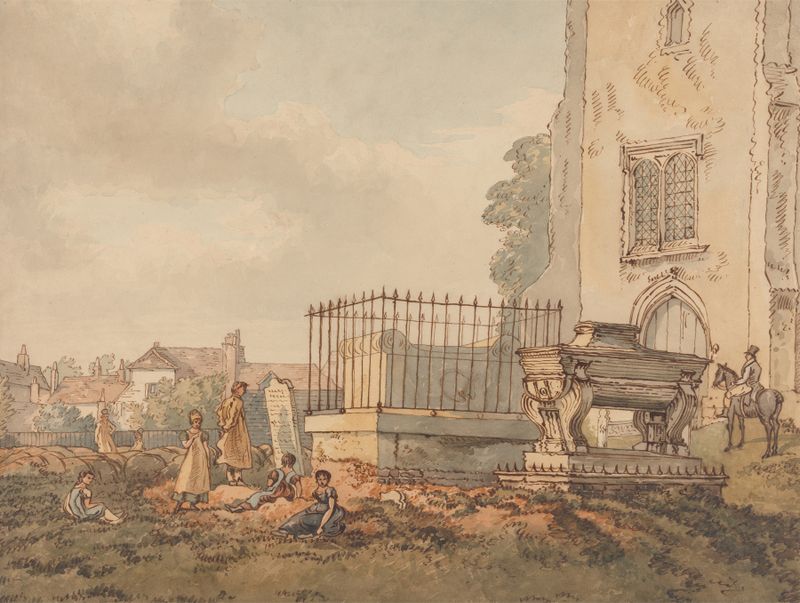
Bushey Churchyard with the Tombs of Edridge, Hearne and H. Monro
William Henry Hunt
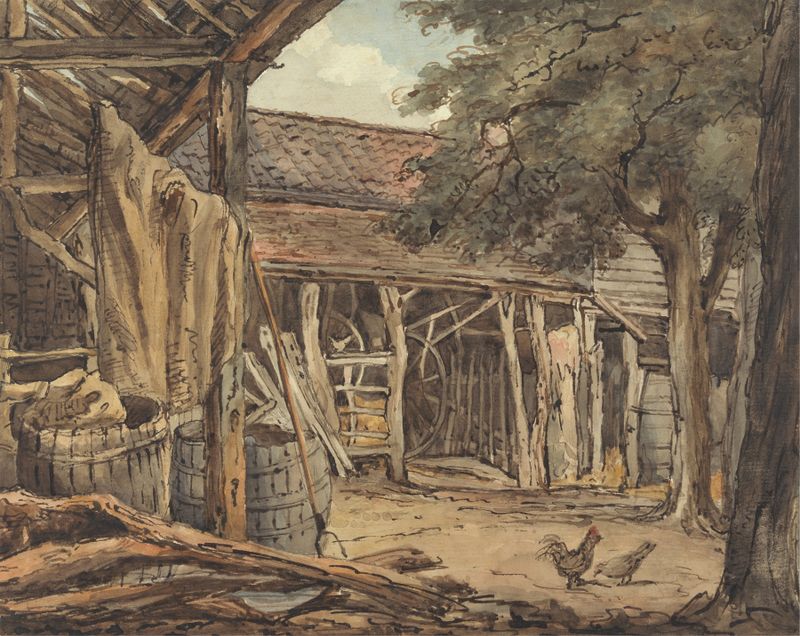
A Farmyard
William Henry Hunt
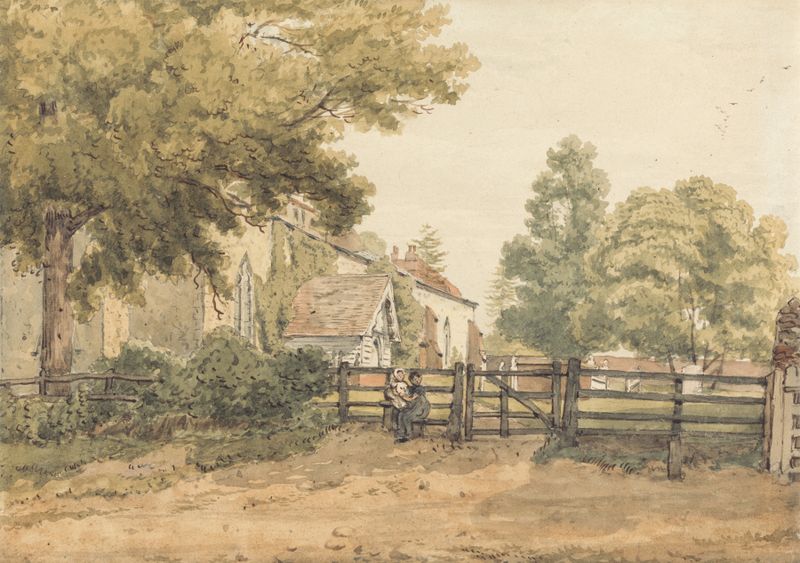
Aldenham Church
William Henry Hunt
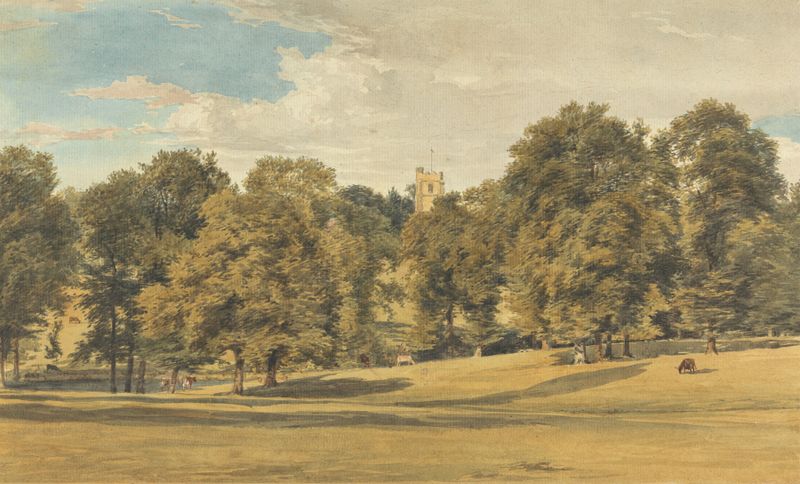
Bushey Church from the South West
William Henry Hunt
More Architecture Art
Browse all →
The statue of Liberty
Frédéric Auguste Bartholdi

View of Houses in Delft, Known as ‘The Little Street’
Johannes Vermeer

View of Houses in Delft, Known as ‘The Little Street’
Johannes Vermeer

The Cathedral in Rouen. The portal, Grey Weather
Claude Monet

The yellow house
Vincent van Gogh

The Church in Auvers-sur-Oise, View from the Chevet
Vincent van Gogh