
The Building of Waterloo Bridge — History & Facts
What secret hides in the quiet of the canvas? In The Building of Waterloo Bridge, the juxtaposition of labor and beauty unveils a narrative of loss, echoing through the passage of time. Look to the left, where builders labor diligently, their forms rendered in delicate detail against the soft hues of a dawn sky. Notice how the warm golden light bathes their toil, creating a stark contrast with the cold gray of the stone they maneuver. The meticulous brushwork conveys not just the physicality of the labor but the emotional weight of their endeavor, as if each stroke captures a piece of their very souls within the structural beauty unfolding before them. Beneath the surface, the painting captures the transient nature of achievement.
The bridge stands as a metaphor for human ambition, yet the presence of the workers hints at an unspoken tension between dreams constructed and dreams lost. Each figure turned towards their task whispers of sacrifices made and aspirations thwarted, revealing a deeper commentary on the human condition — the relentless pursuit marked by the scars of effort and unfulfilled promise. In 1816, amidst the backdrop of a nation recovering from war, William Henry Hunt found himself captivated by the vibrancy of progress and the collective spirit of industriousness. As the world of art grappled with Romanticism and the rise of realism, he painted this scene with a keen awareness of the ephemeral — capturing a moment in time that speaks to both the triumphs and the melancholies of society.
More Artworks by William Henry Hunt
Browse all →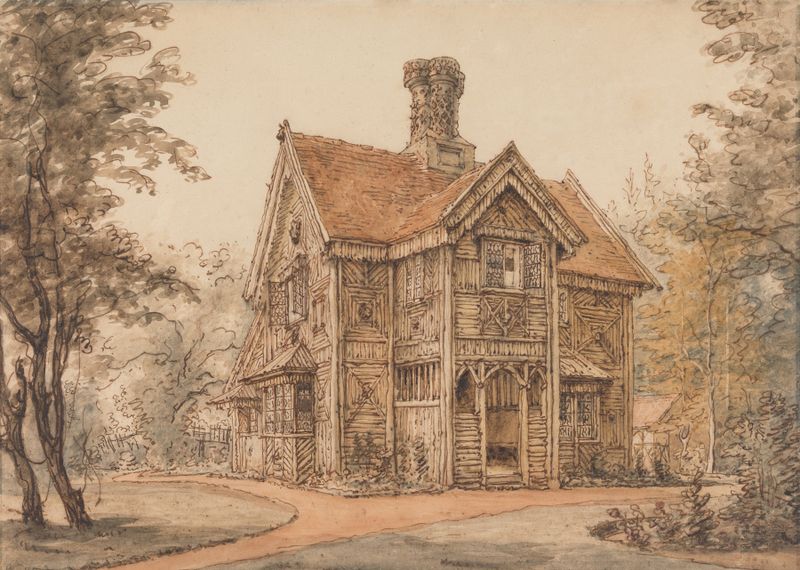
A Lodge at Cassiobury
William Henry Hunt
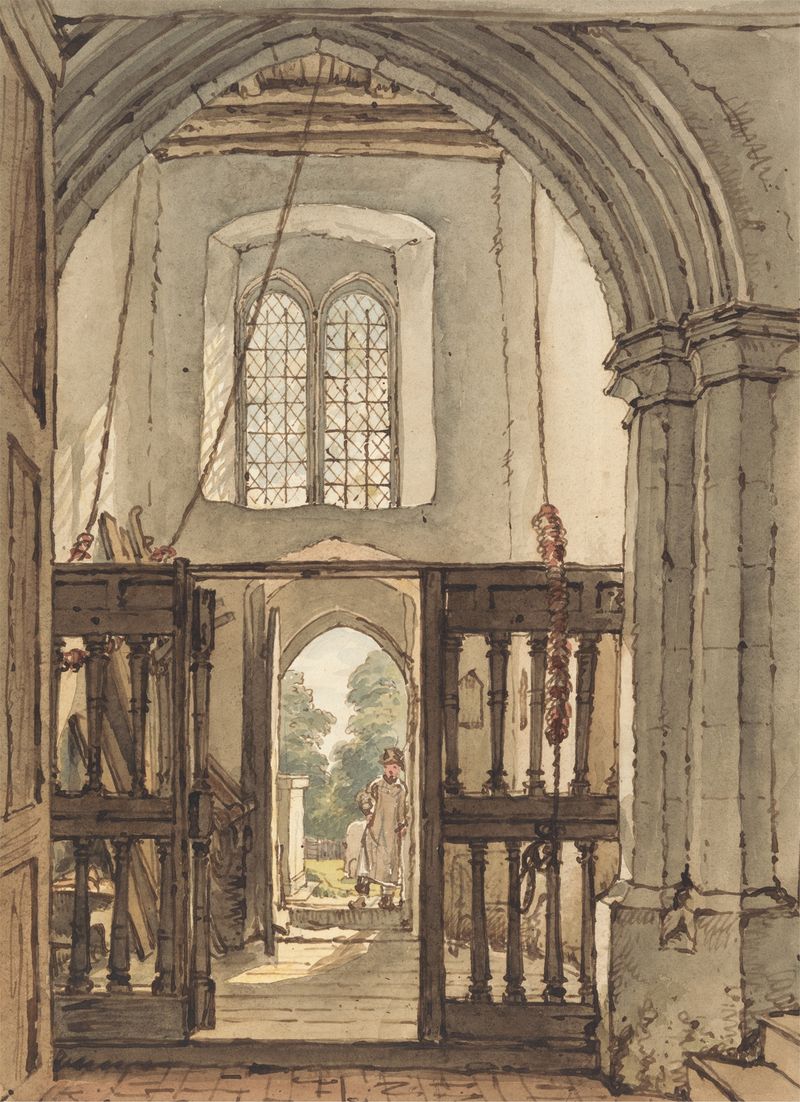
Interior of the Belfry, Bushey Church
William Henry Hunt
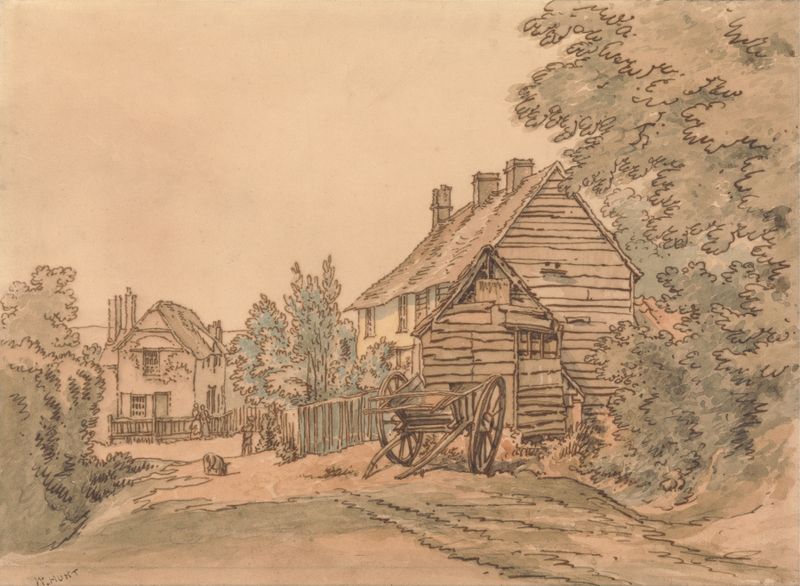
A Street in a Country Village
William Henry Hunt
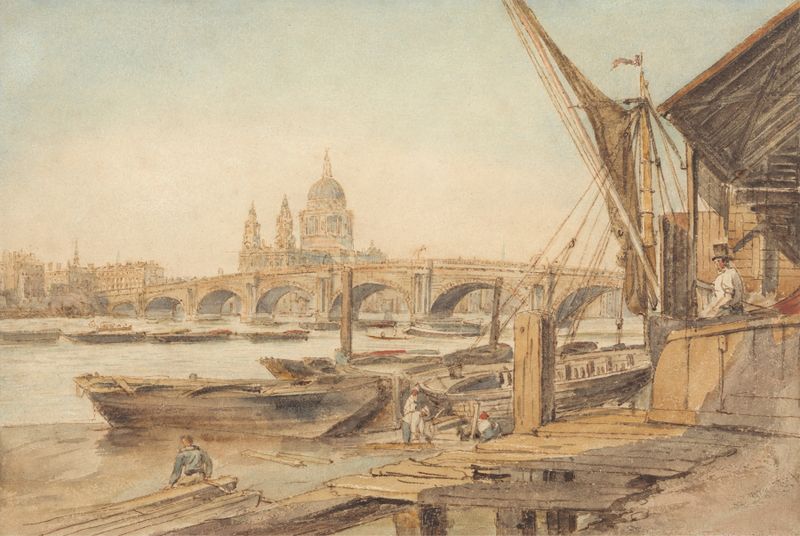
St. Paul’s Cathedral and Blackfriar’s Bridge
William Henry Hunt
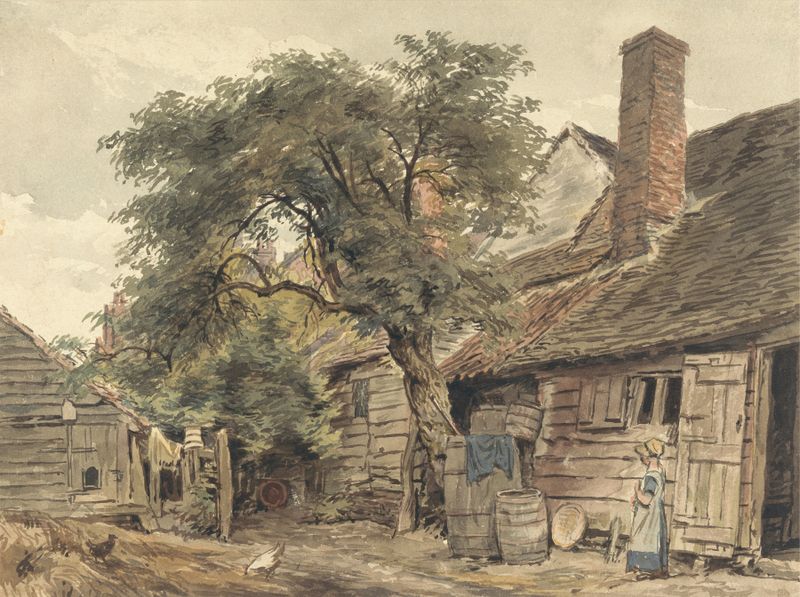
Backyard of a Cottage
William Henry Hunt
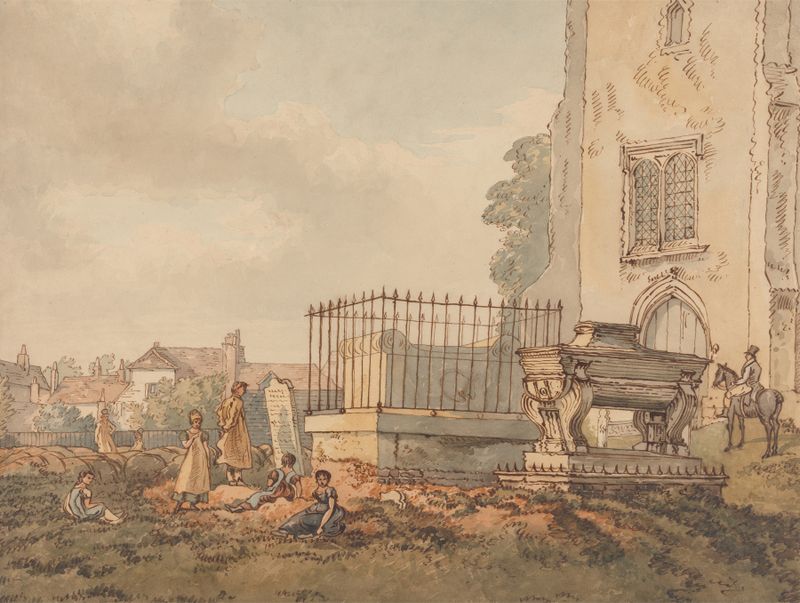
Bushey Churchyard with the Tombs of Edridge, Hearne and H. Monro
William Henry Hunt
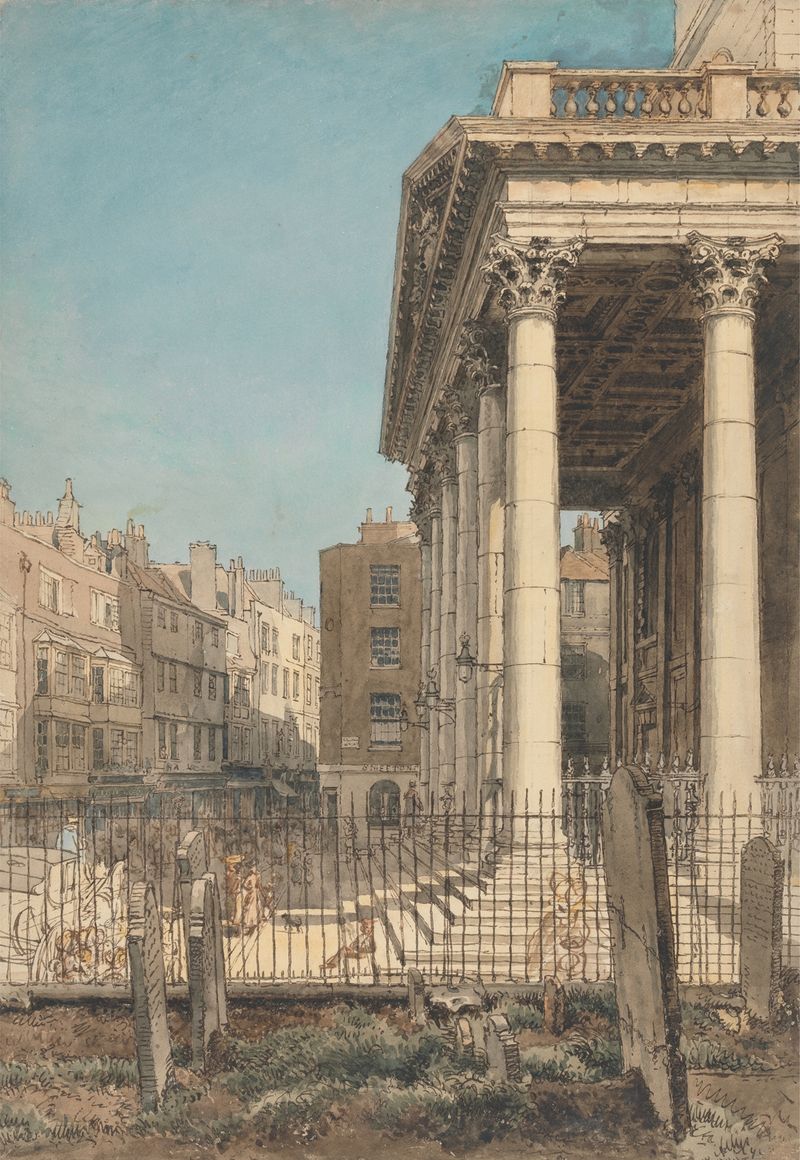
The Portico of St. Martin-in-the-Fields
William Henry Hunt
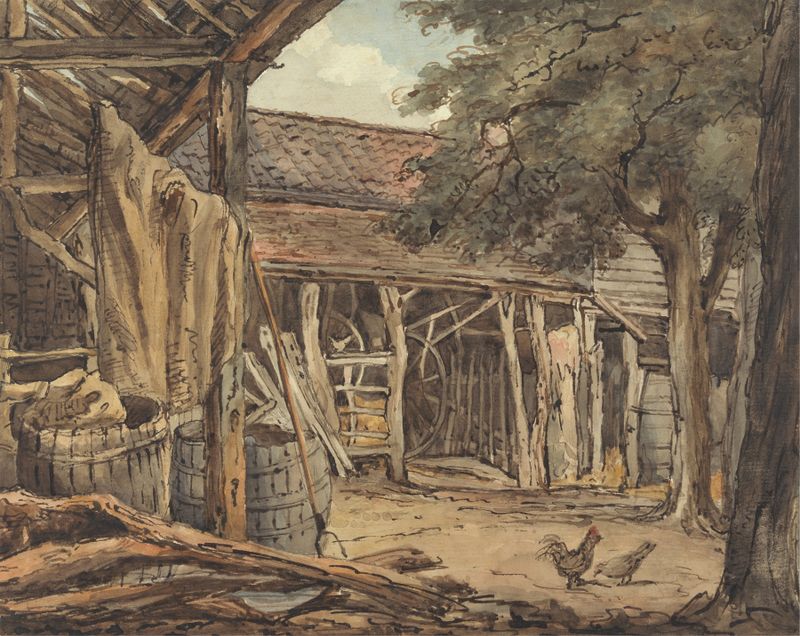
A Farmyard
William Henry Hunt
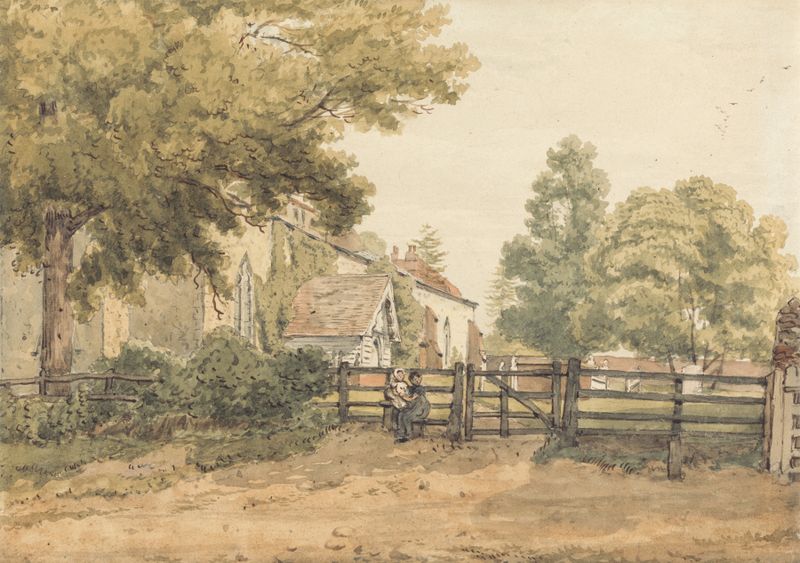
Aldenham Church
William Henry Hunt
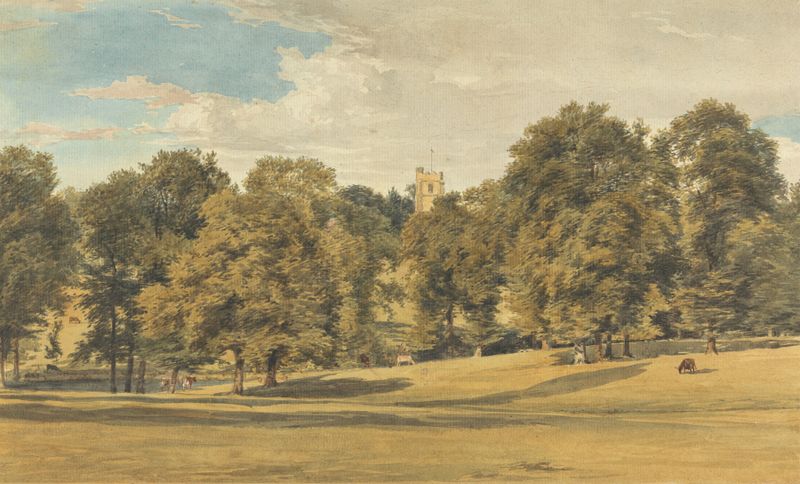
Bushey Church from the South West
William Henry Hunt





