
Bushey Churchyard with the Tombs of Edridge, Hearne and H. Monro — History & Facts
In the quiet corners of existence, beauty whispers; in this stillness, true transcendence awaits. Look to the center of the composition, where the tombs rise solemnly against a backdrop of verdant greenery. Notice the intricate details of weathered stone, their surfaces imbued with the patina of time. The soft hues of green and brown create a harmonious palette, inviting viewers to appreciate the delicate interplay of light filtering through the leaves, casting gentle shadows that dance upon the memorials.
This play of light not only enhances the textures of the stones but also evokes a meditative atmosphere, compelling one to linger. As you absorb the scene, consider the emotional tension beneath the surface. The juxtaposition of life and death is palpable; the vitality of nature contrasts starkly with the silent graves, suggesting a dialogue between the living and the departed. Each tombstone, with its unique inscription, tells a story of individual lives, evoking a sense of reverence for the past.
This tension between the vibrancy of the surrounding foliage and the stillness of the memorials hints at the universal journey of all souls, encouraging reflection on the legacies we leave behind. In 1822, William Henry Hunt painted this work amid a burgeoning appreciation for naturalism in the art world, while grappling with his own artistic identity. Living in England, he embraced the Romantic spirit that emphasized emotion and the sublime beauty of nature. At this time, the influence of the Pre-Raphaelite Brotherhood was beginning to shape the landscape of British art, highlighting the intersection of life, death, and nature — themes that resonate deeply in this poignant piece.
More Artworks by William Henry Hunt
Browse all →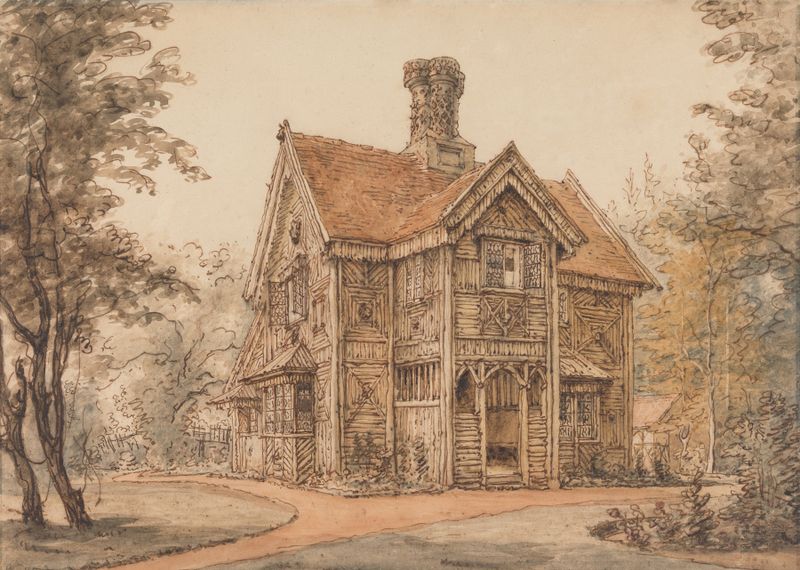
A Lodge at Cassiobury
William Henry Hunt
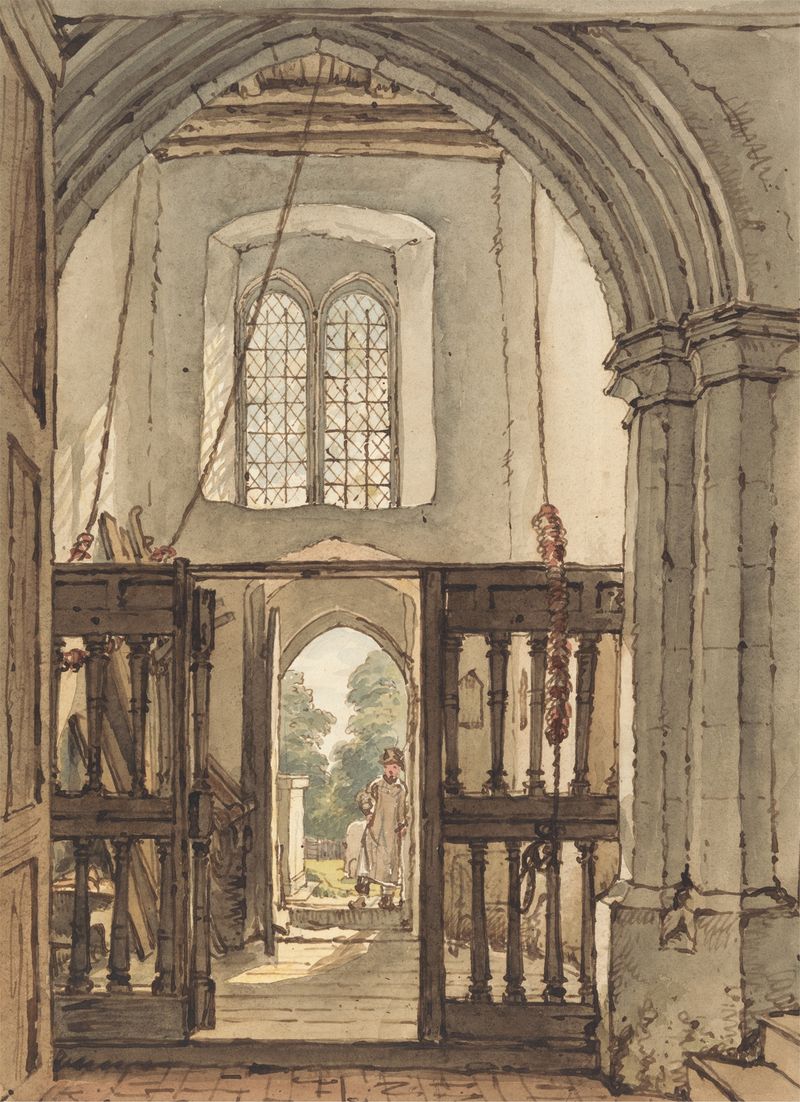
Interior of the Belfry, Bushey Church
William Henry Hunt
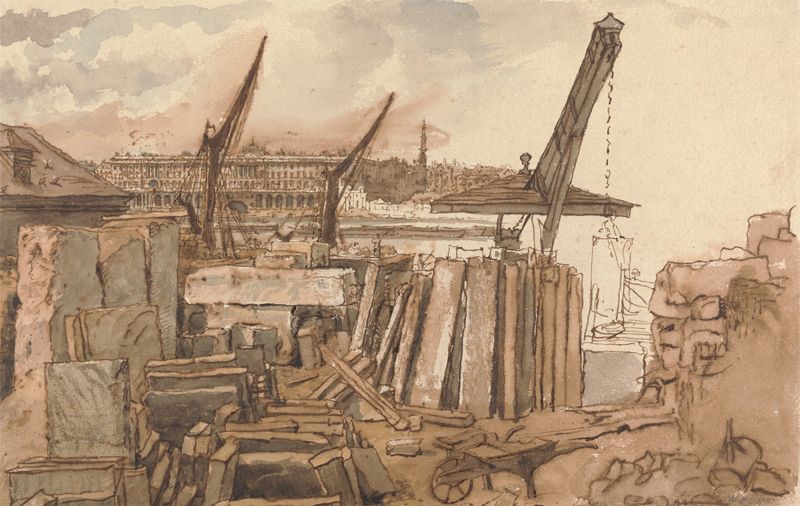
The Building of Waterloo Bridge
William Henry Hunt
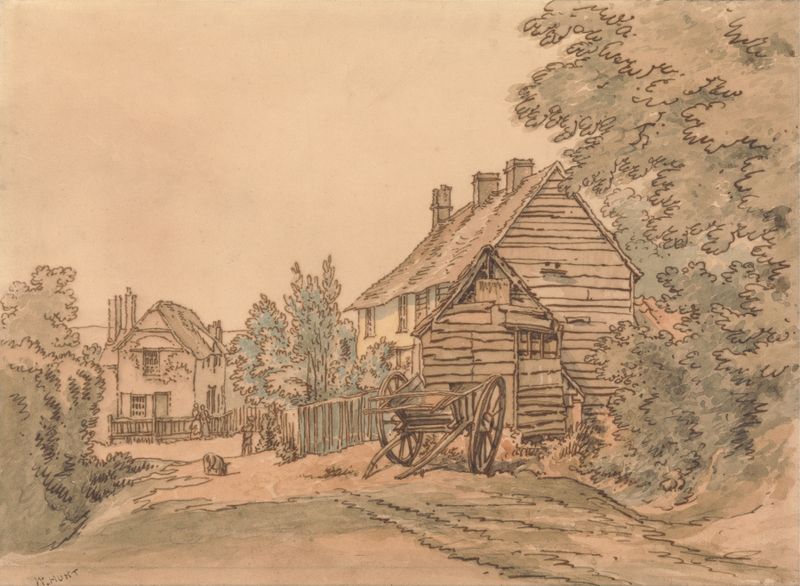
A Street in a Country Village
William Henry Hunt
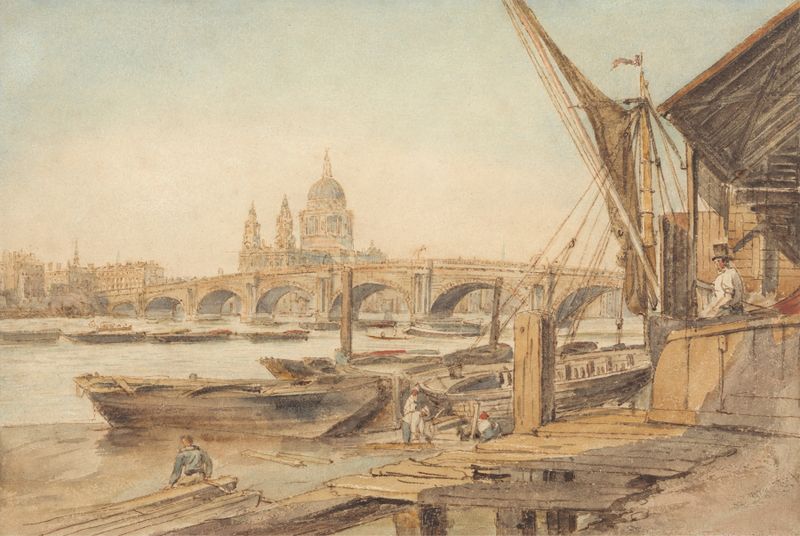
St. Paul’s Cathedral and Blackfriar’s Bridge
William Henry Hunt
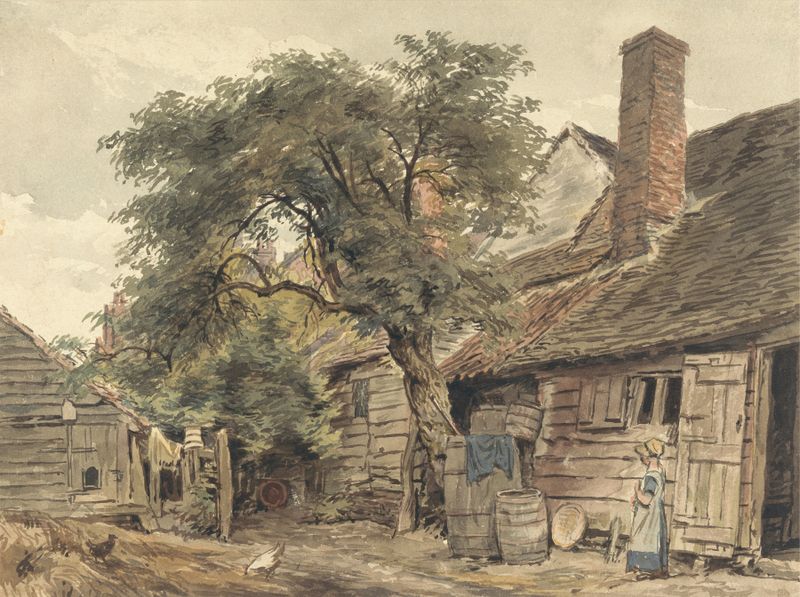
Backyard of a Cottage
William Henry Hunt
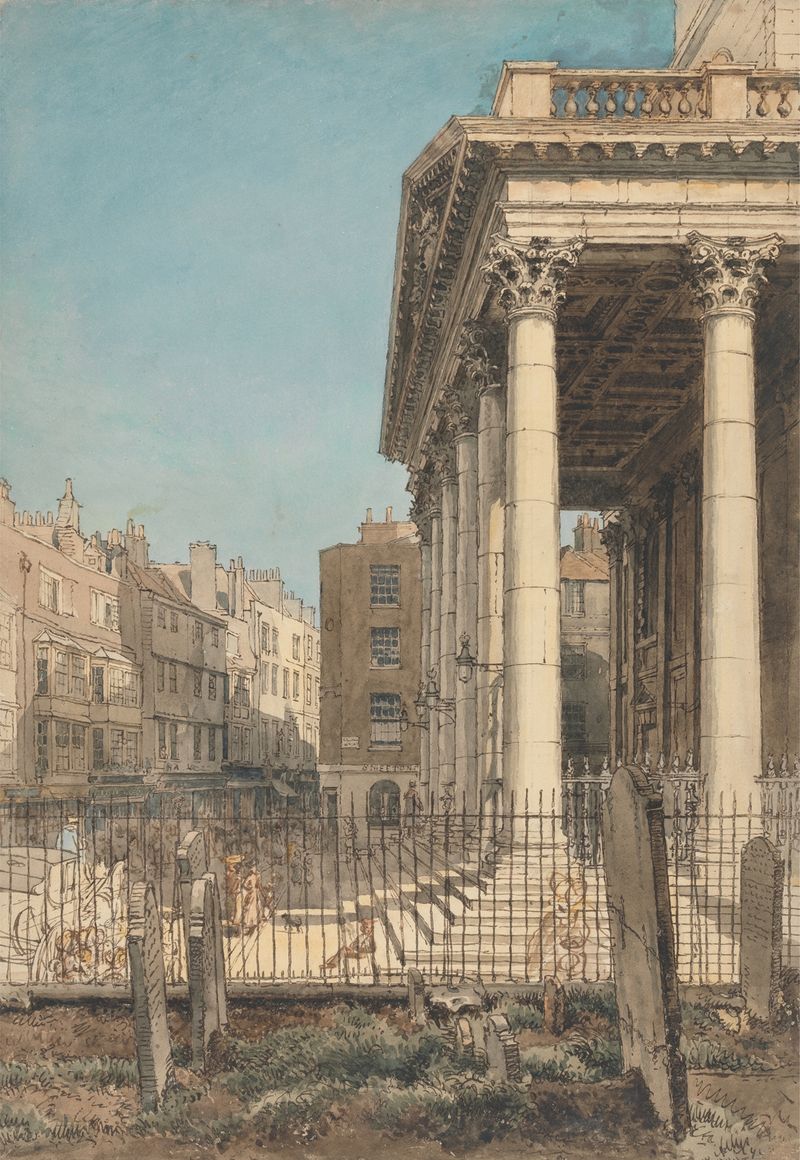
The Portico of St. Martin-in-the-Fields
William Henry Hunt
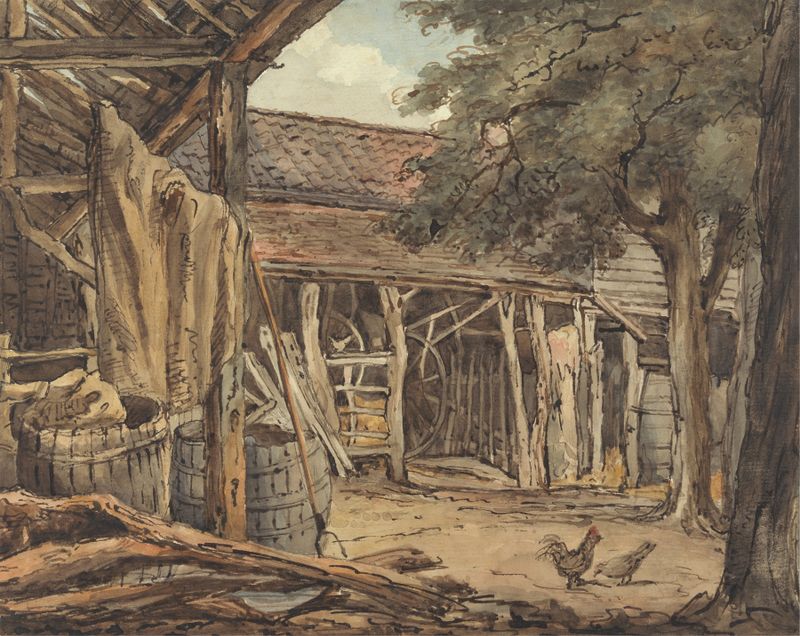
A Farmyard
William Henry Hunt
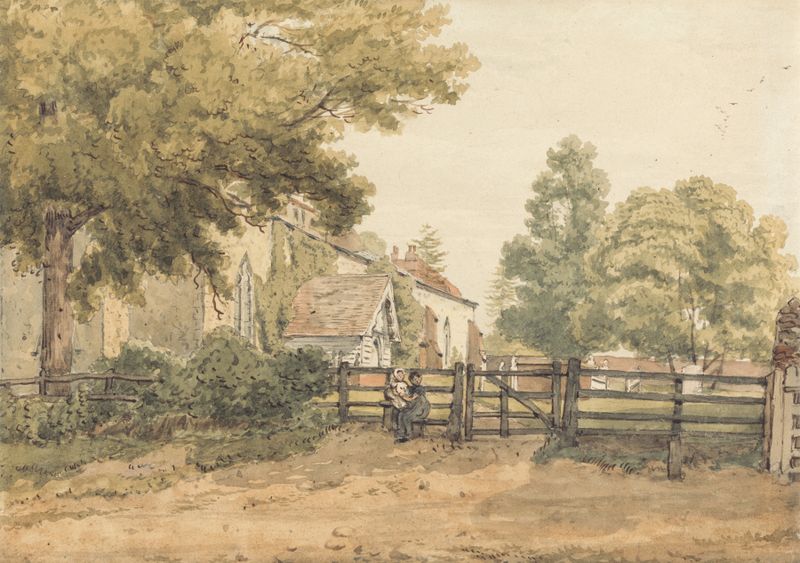
Aldenham Church
William Henry Hunt
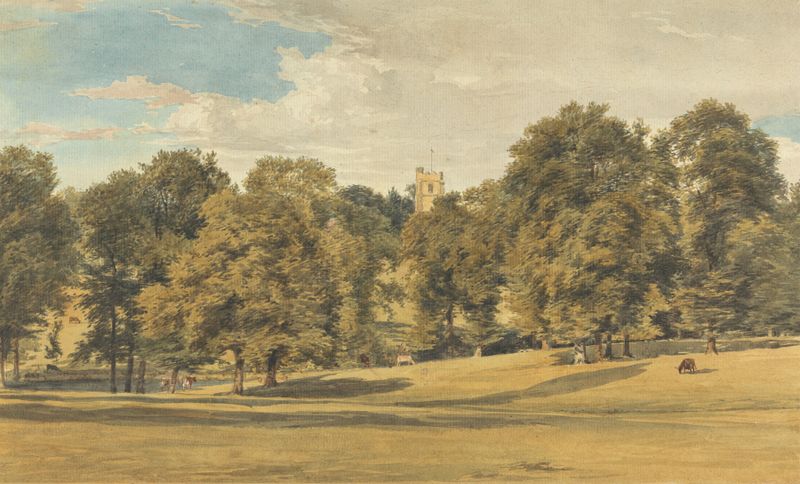
Bushey Church from the South West
William Henry Hunt





