A Town in the Abruzzi — History & Facts
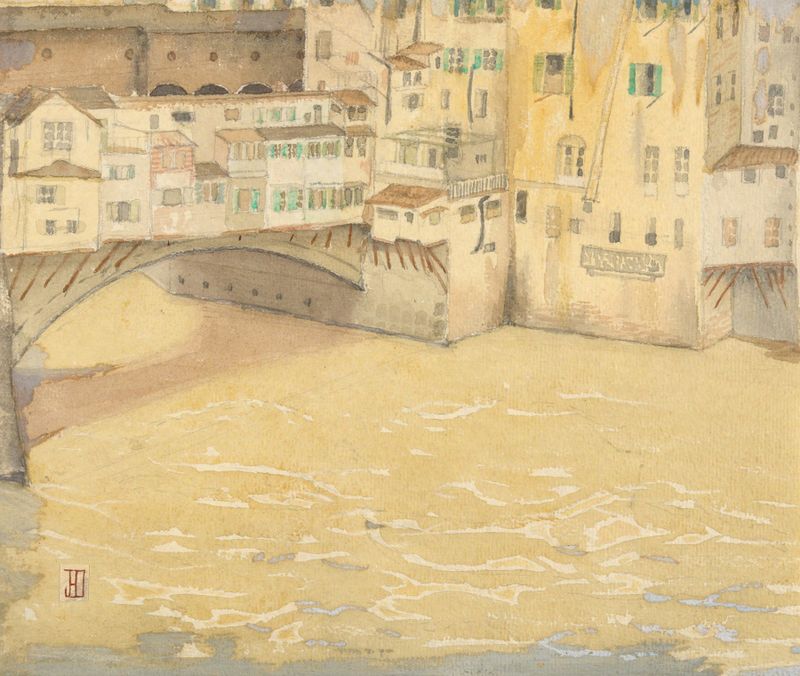
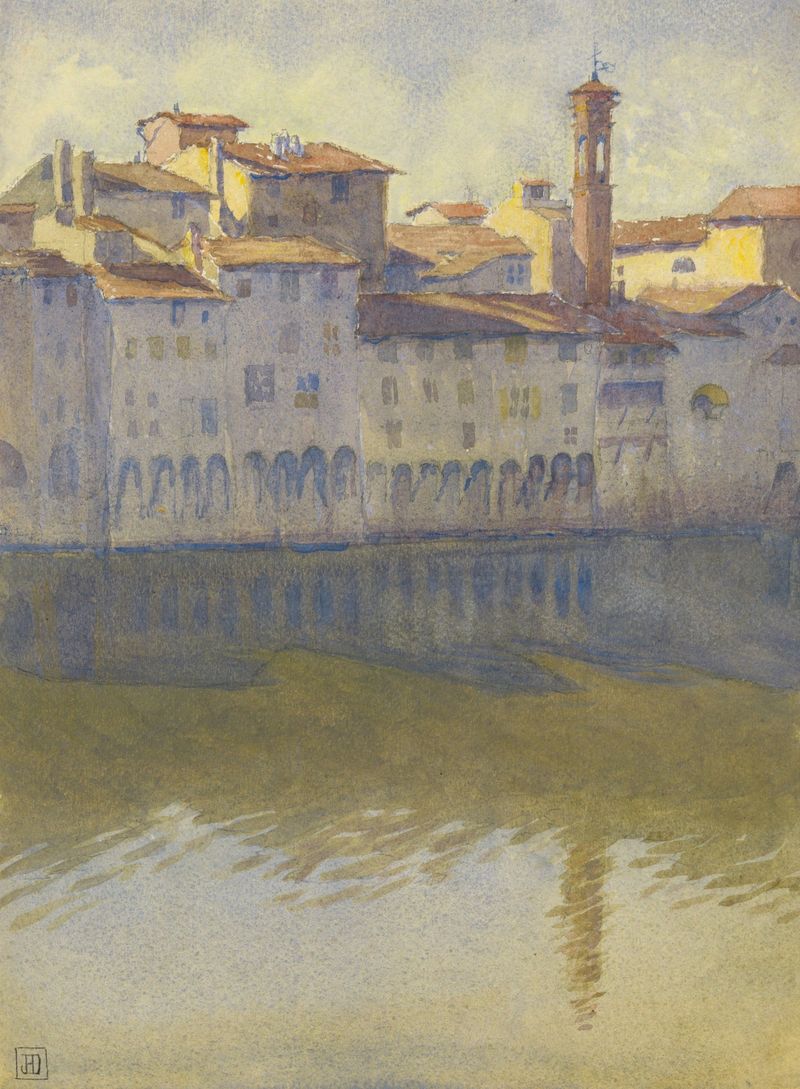
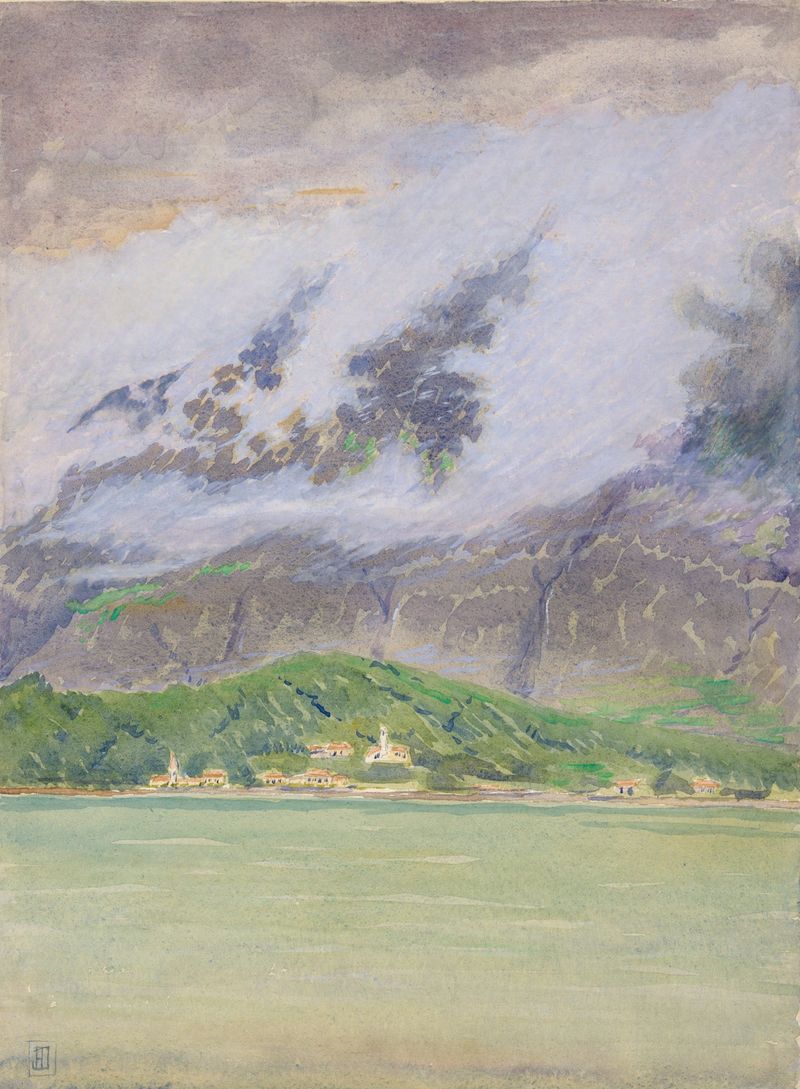
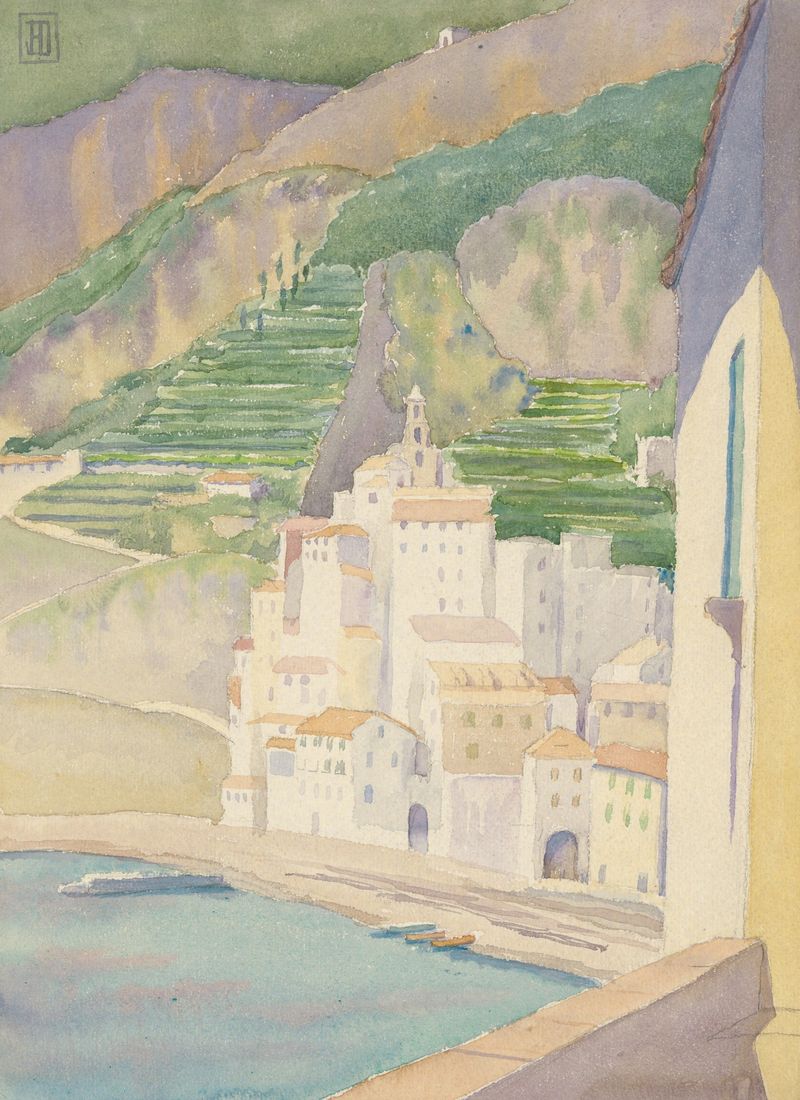
Where does light end, and longing begin? In the stillness of a town nestled in the Abruzzi, serenity emerges as a powerful force, wrapping around the viewer like a comforting embrace. Look to the left at the gentle slope of sunlit hills, where the rich greens and golden hues blend seamlessly, inviting the eye to traverse the landscape. The quaint buildings in the foreground stand in harmonious unity, their warm, earthen tones softly glowing under the midday sun. Notice how the sky shifts from a tranquil blue to wisps of white, suggesting a gentle breeze, while delicate brushstrokes evoke a sense of peace that permeates the entire scene. The composition speaks volumes about the contrast between permanence and transience.
The sturdy structures symbolize stability, while the ethereal light suggests the fleeting nature of time. Each small detail, such as the winding path leading into the village, whispers stories of those who have walked it, connecting past and present. The serene ambiance invites contemplation, allowing the viewer to pause and reflect on their own journeys amid the simplicity of this idyllic setting. John Ireland Howe Downes painted this work during an undefined period, likely reflecting his deep appreciation for the natural beauty of rural landscapes.
Living in a time when Romanticism was evolving into Impressionism, he captured the essence of the Abruzzi region, a personal vision marked by tranquility amidst a rapidly changing world. This painting stands as a testament to the artist's ability to distill profound emotion from a single moment in time.