White Amalfi — History & Facts
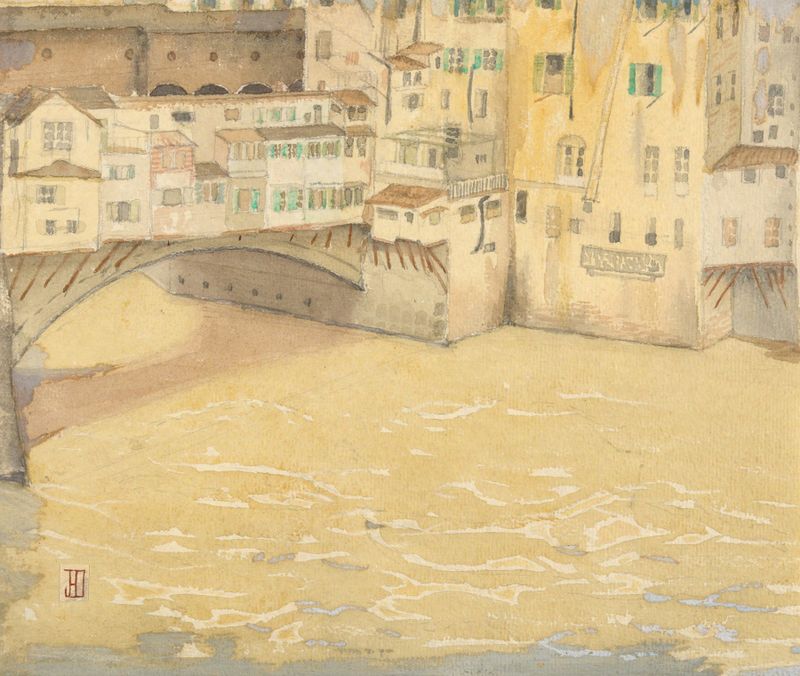
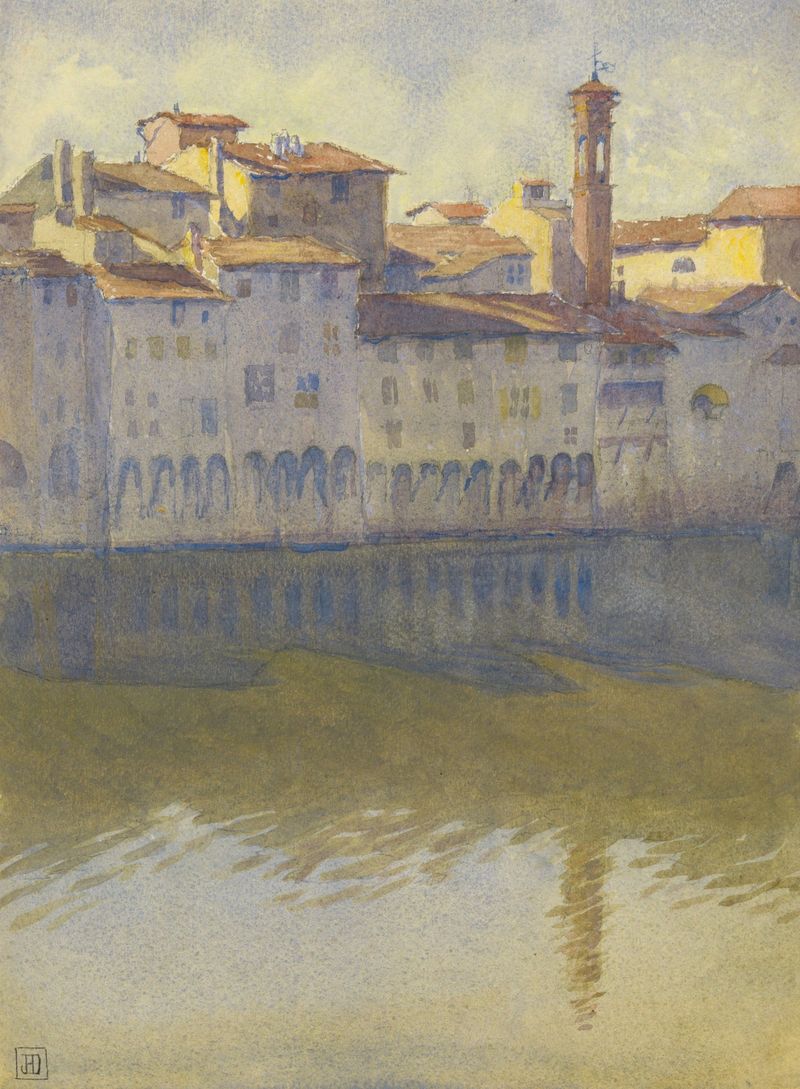
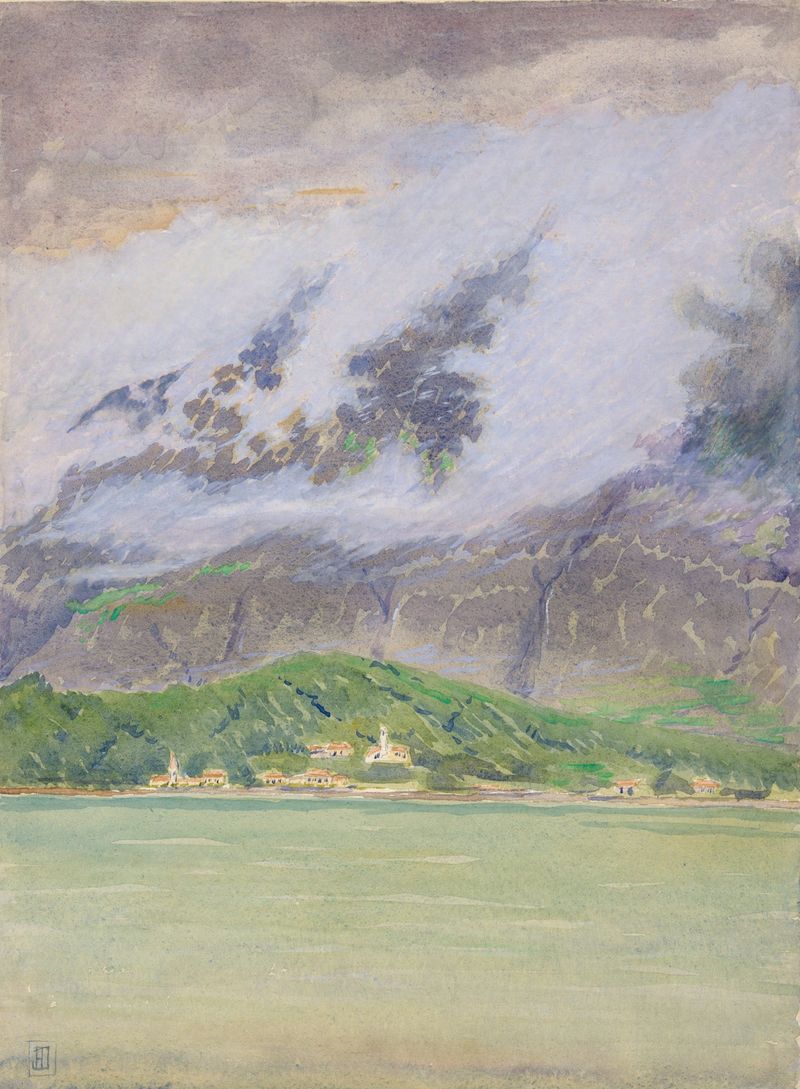
This revelation speaks to the heart of artistry, where raw emotion is distilled into visual poetry. In White Amalfi, the interplay of light and shadow invites contemplation on the beauty of transient moments, encouraging the viewer to discover deeper meanings hidden within the landscape. Focus first on the luminous whites and soft creams that dominate the canvas, drawing your gaze across the undulating hills. The brushwork is fluid, as if the landscape breathes, transitioning seamlessly from the muted earth tones at the base to the ethereal sky above.
Notice how the light dances upon the peaks, creating a shimmering effect that invokes a sense of calm yet hints at the tumultuous nature lurking just beyond the frame. The composition’s simplicity belies a complex emotional landscape that stirs the soul. Within the serenity, contrasts abound. The stark white of the buildings juxtaposed against the vibrant greens of the flora speaks to the harmony between man and nature, while the undisturbed sky suggests both tranquility and the potential for change.
Each brushstroke tells a story of balance and discord, inviting viewers to reflect on their own experiences of peace in chaotic surroundings. The delicate layers of paint hint at the passage of time, suggesting that even in stillness, life is in constant flux. Created during a period of artistic exploration, this piece emerged from the mind of an artist deeply engaged with the beauty of the Italian coast. Working in the early 20th century, the painter sought to capture the essence of place inspired by the Impressionist movement, which flourished around him.
The era was marked by a search for both formal innovation and emotional expression, a quest brilliantly encapsulated in this evocative landscape.