The Patio — History & Facts
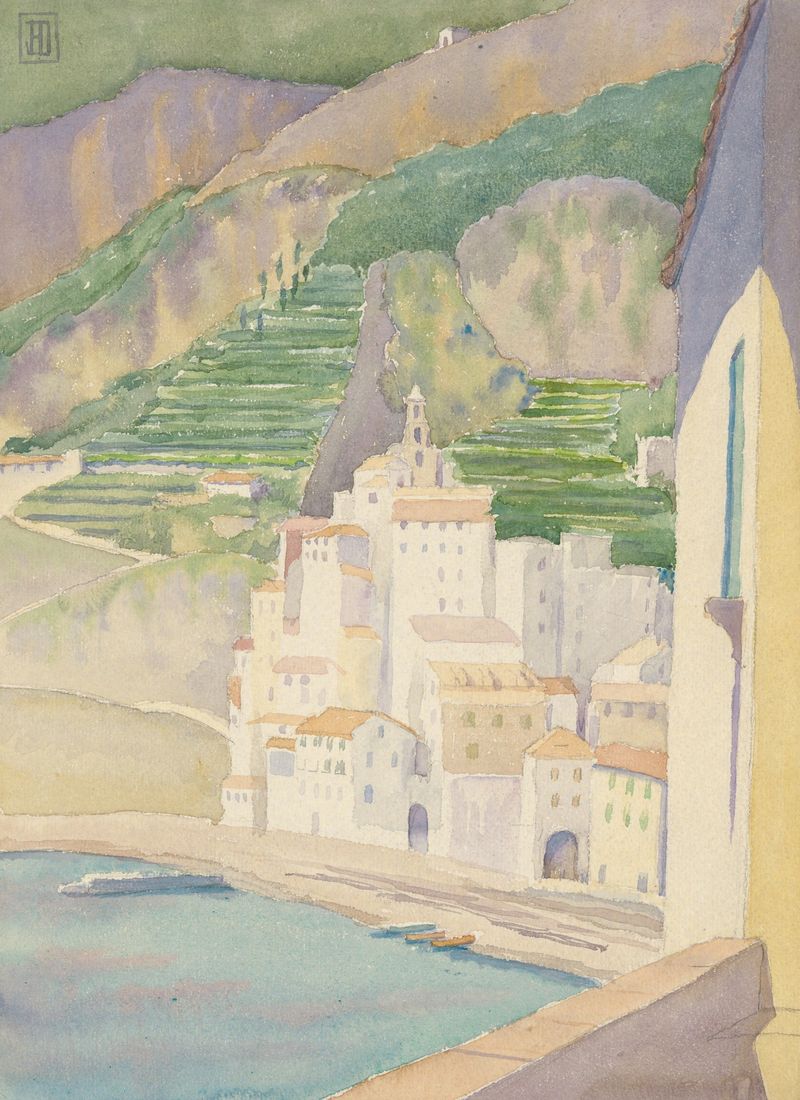
What if beauty was never meant to be finished? The allure of life's fleeting moments dances in the brushstrokes that invite us to linger a little longer in a world just beyond our reach. Look to the center of the composition, where the vibrant greens of foliage merge seamlessly with the warmth of earthy tones. Note how the artist uses dappled light to create a sense of movement, as if a gentle breeze is stirring the leaves. The interplay of shadow and illumination draws the eye across the canvas, leading us into a space that feels both intimate and expansive, suggesting the rhythm of life within this tranquil patio scene. Beneath the surface, the work explores the dance between permanence and transience.
The contrast of the static, solid architecture against the softly rendered nature reflects a delicate balance, reminding us that beauty thrives in the ephemeral. The viewer might feel a sense of nostalgia, a longing for moments that slip away like sunlight through the canopy. The meticulous attention to detail emphasizes the artist’s desire to capture not just a scene, but a feeling—an invitation to witness the quiet pulse of life. During the time this piece was created, Howe Downes was immersed in the burgeoning art scene of the late 19th century.
His focus on natural landscapes coincided with a broader movement toward Impressionism, as artists sought to evoke light and atmosphere. The specific date remains elusive, but the work resonates with the era's quest for a connection between the viewer and the beauty of ordinary life.