Clearing Weather — History & Facts
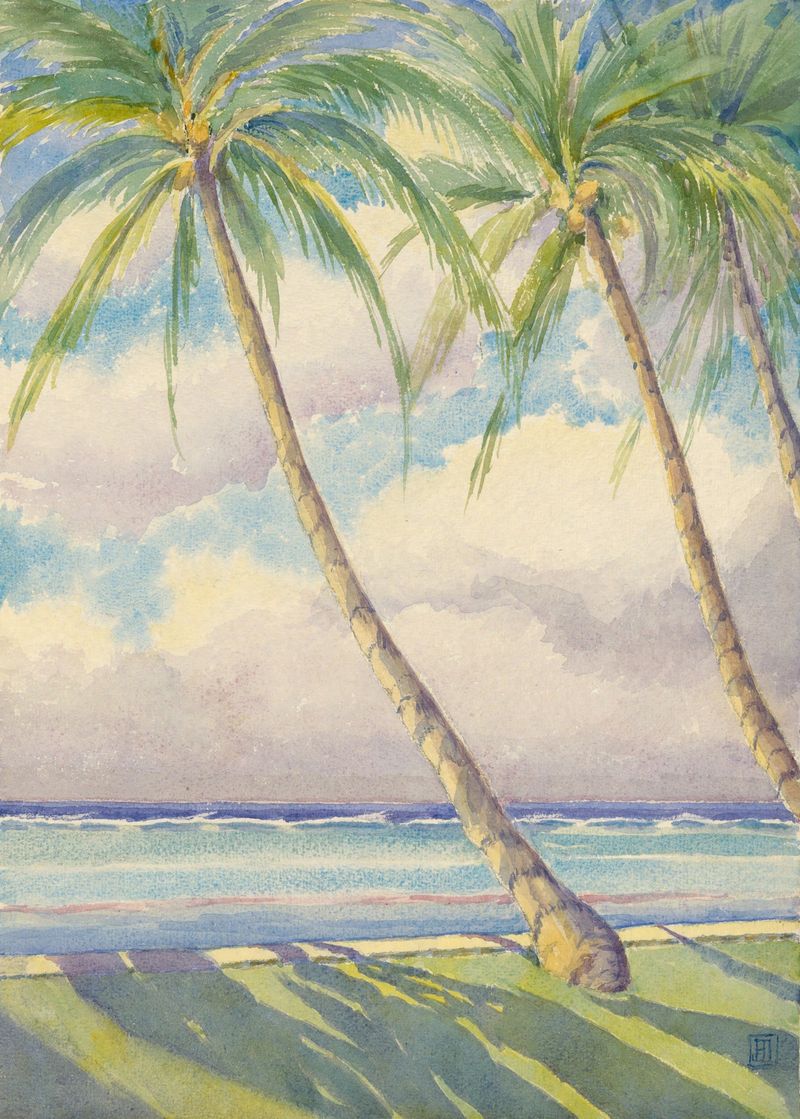
In moments of stillness, we find the profound balance between chaos and tranquility, which is intricately captured in this artwork. The interplay of light and shadow conveys an unspoken narrative, inviting viewers to explore the tension within themselves. Look to the left at the delicate interplay of blues and greens, where the sky meets the horizon. Notice how the colors blend seamlessly, reflecting an exquisite balance that evokes calmness.
The brushwork creates a gentle texture, guiding the viewer’s gaze toward the hint of sunlight breaking through the gathering clouds. This momentary illumination casts a warm glow over the landscape, suggesting hope just as it distills the drama of the storm above. Within the landscape, small details emerge as profound symbols of connectivity. The stark contrast between the impending rain clouds and the serene ground reveals life’s dualities, suggesting that within every storm lies the potential for renewal.
The horizon, where earth meets sky, acts as a threshold—a reminder of the ever-present possibility of change. This tension between darkness and light resonates with a universal longing for balance, reflecting the ebb and flow of human emotion. John Ireland Howe Downes, active in the late 19th and early 20th centuries, created this piece during a time of artistic exploration and transition. Living in an era where Impressionism was gaining momentum, he sought to blend Romanticism’s emotional depth with a more direct observation of nature.
His work, often characterized by atmospheric landscapes, reveals his deep appreciation for the subtleties of light and their effects on the viewer’s perception of the natural world.