A Tuscan Farm — History & Facts
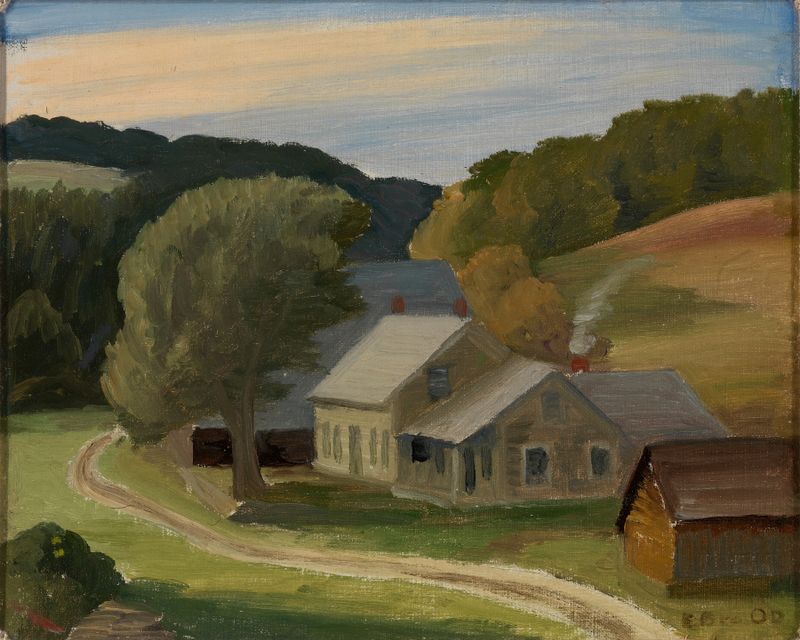
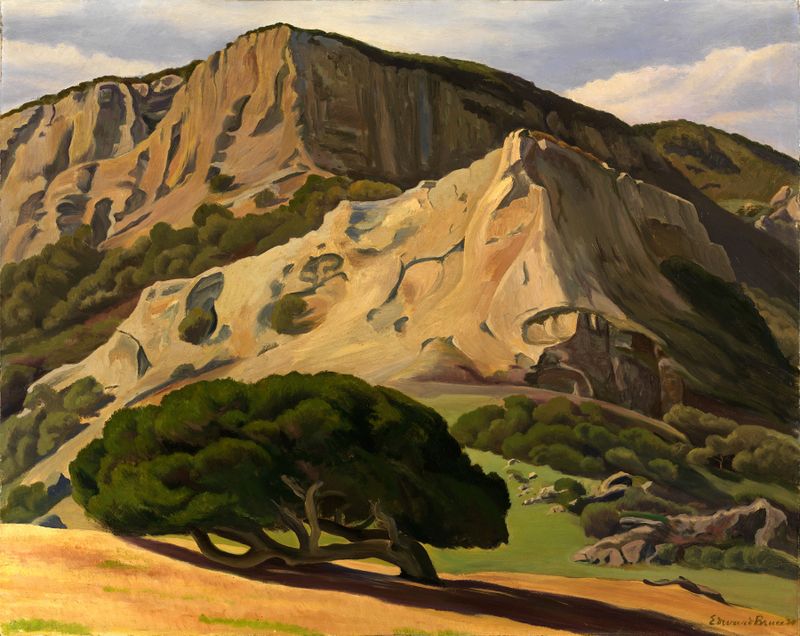
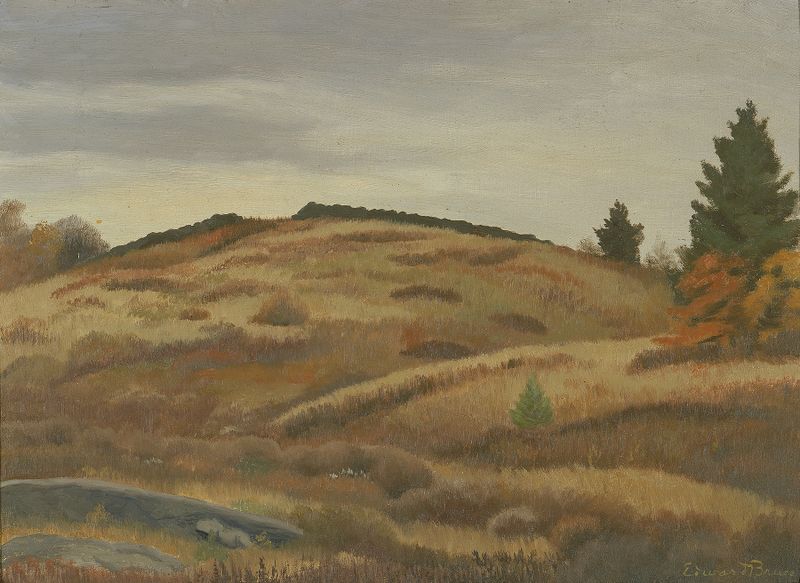
Can beauty exist without sorrow? In the enchanting expanse of a Tuscan landscape, this question lingers in the air like the warm breeze that ruffles the golden fields. Look to the left, where rolling hills undulate beneath a soft azure sky, dotted with wisps of white clouds. Notice how the light bathes the earth, illuminating the fields with vibrant hues of amber and green, while shadows dance beneath the gnarled olive trees. The painter’s brushwork invites the viewer’s eye into the depth of the scene, creating a sense of both tranquility and unease, as if the landscape hides untold stories beneath its picturesque surface. As you absorb the serene vista, consider the contrasts at play—the lushness of the crops juxtaposed with the stark, craggy outlines of distant mountains, symbolizing the delicate balance between abundance and hardship.
The gentle, inviting colors evoke warmth, yet underneath lies a whispering tension, suggesting that every flourishing field might conceal a deeper longing, a past marred by struggle. This duality invites introspection, prompting an exploration of the interplay between the idyllic and the tragic. During the years between 1926 and 1931, the artist captured this pastoral scene while living in a time marked by economic turmoil following the Great Depression. Emerging from a challenging period, he sought solace in the tranquil beauty of rural life, a reflection of both his personal experiences and the broader societal struggles faced during that era.
In A Tuscan Farm, he immortalizes the illusion of peace found in nature, highlighting the complexities that often lie beneath the surface of beauty.