
A View of Alexander Pope’s Villa, Twickenham, on the Banks of the Thames — History & Facts
What if silence could speak through light? In the gentle embrace of a still afternoon, the banks of the Thames cradle a moment steeped in serenity, yet beneath the surface, chaos stirs. A villa, iconic yet intimate, stands as a testament to creativity and contemplation, its elegant lines whispering tales of a turbulent era. Look to the left at the villa’s facade, where soft sunlight bathes the cream-colored walls, creating a delicate contrast with the shaded foliage surrounding it. The artist deftly employs a palette of greens and blues, capturing the tranquil essence of the landscape while hints of darker hues suggest underlying tensions.
Notice how the rippling reflections in the Thames mirror the villa, grounding it in the natural world, yet the distorted shapes remind us of the chaos lurking just beneath the calm surface. The juxtaposition of light and shadow in this piece speaks volumes about the duality of peace and unrest. The lush greenery surrounding the villa symbolizes the beauty of nature and the solace it offers, while the turbulent waters of the Thames evoke the chaos of human emotions and experiences. Each brushstroke not only captures the physical but also communicates the conflicting narratives of tranquility and disorder, inviting viewers to reflect on their own inner struggles. In 1759, Scott painted this work amidst a flourishing era of English art, characterized by a growing appreciation for landscape painting.
Living in Twickenham at the time, he found inspiration in the lush surroundings and the villa of Alexander Pope, a revered poet whose own life grappled with the complexities of society. As artistic movements shifted, Scott’s detailed renderings offered a glimpse into the serene chaos that defined both his personal experience and the broader artistic landscape.
More Artworks by Samuel Scott
Browse all →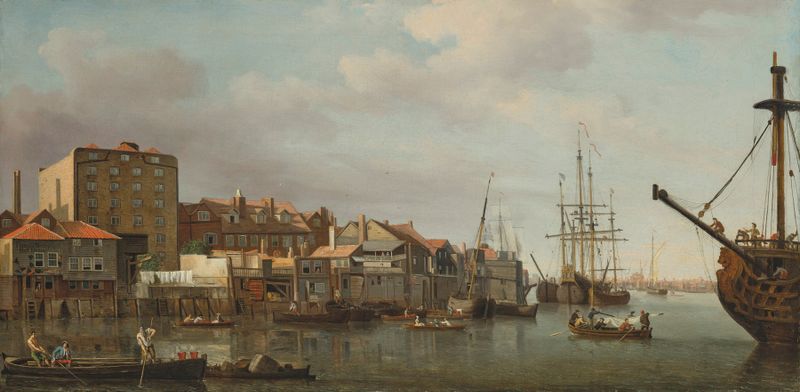
View of the Thames at Wapping
Samuel Scott
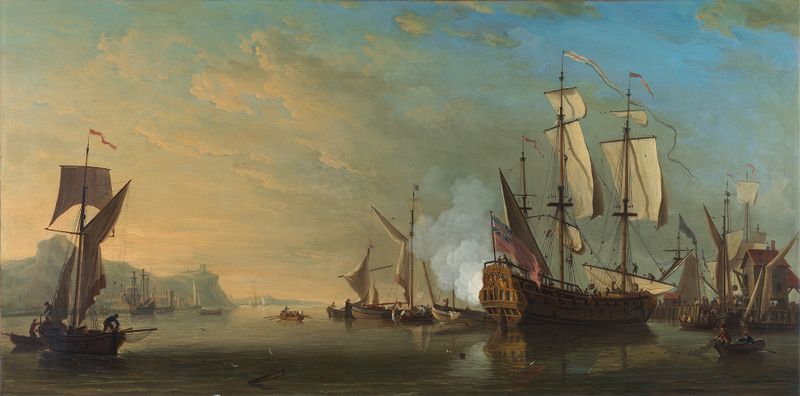
Shipping off Dover
Samuel Scott
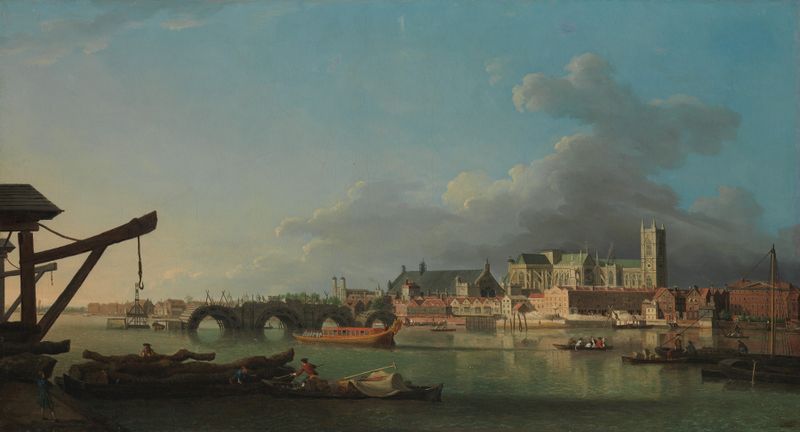
The Building of Westminster Bridge
Samuel Scott
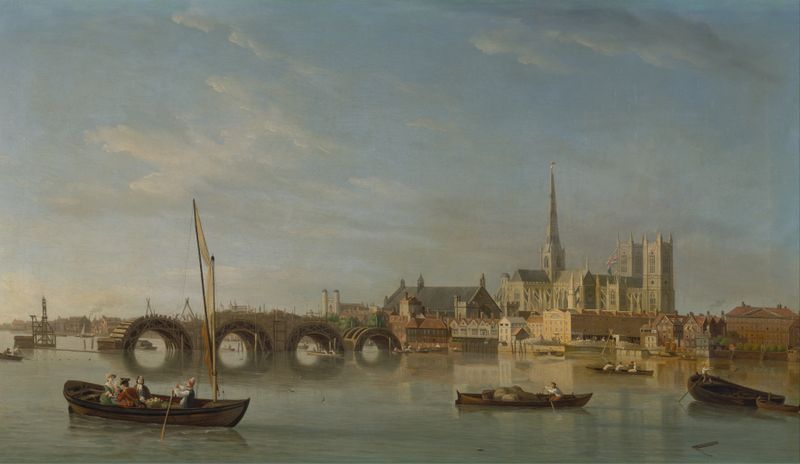
The Building of Westminster Bridge
Samuel Scott
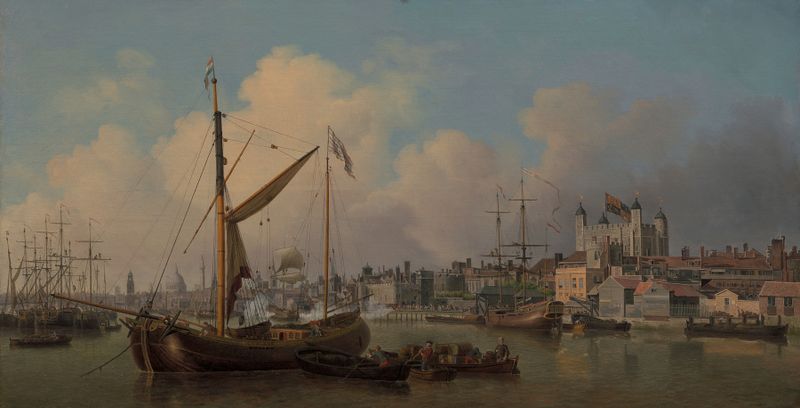
A View of the Tower of London, Supposed on his Majesty’s Birthday
Samuel Scott
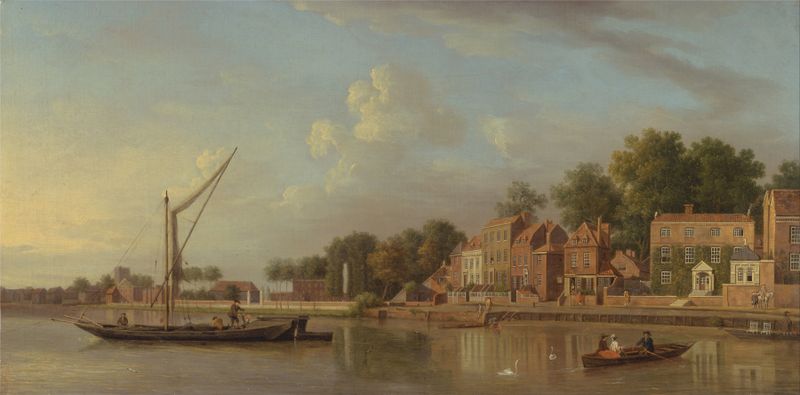
The Thames at Twickenham
Samuel Scott
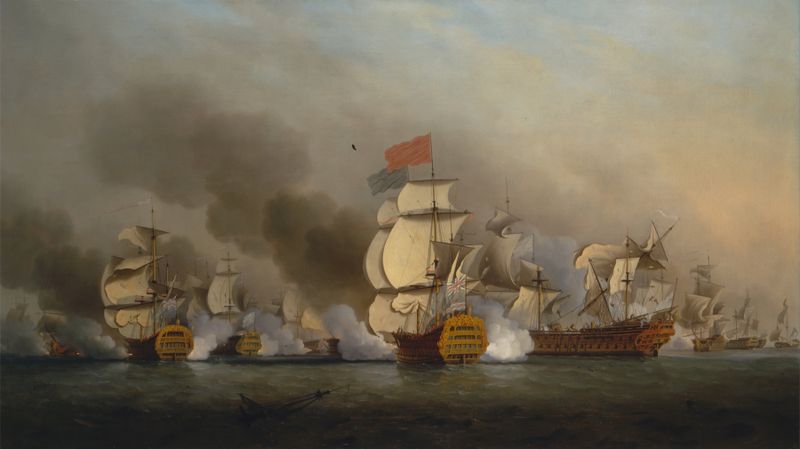
Vice Admiral Sir George Anson’s Victory off Cape Finisterre
Samuel Scott
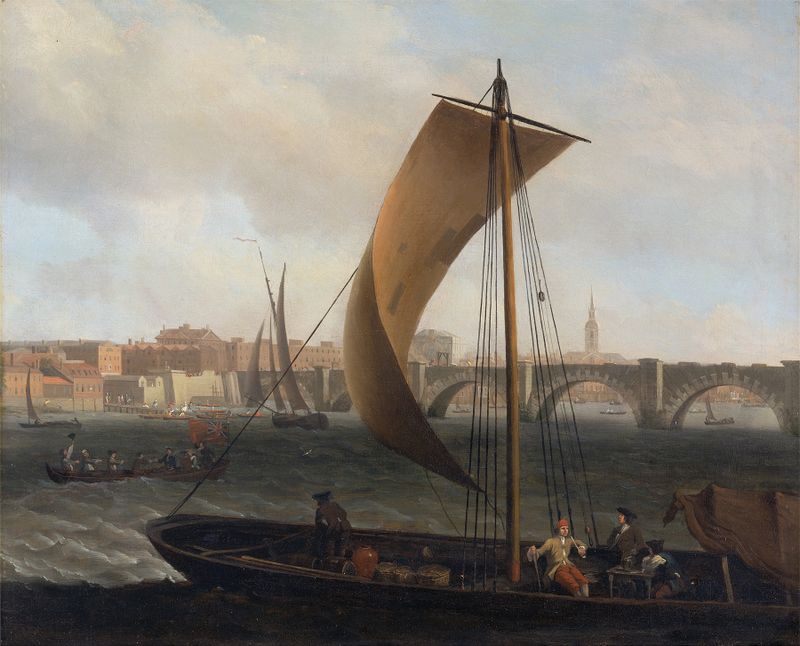
View on the Thames with Westminster Bridge
Samuel Scott
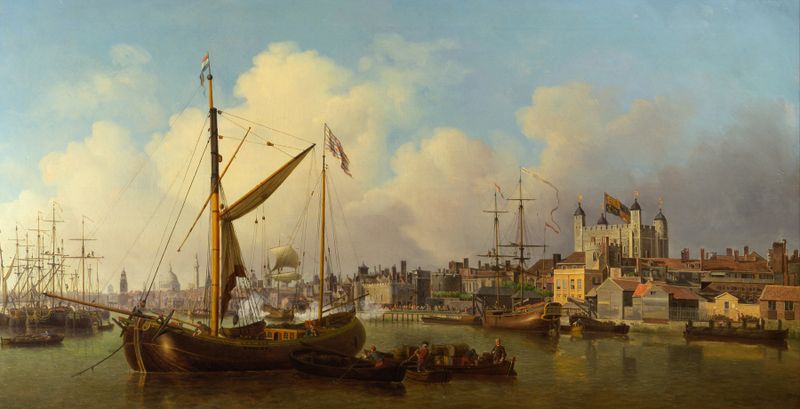
The Thames and the Tower of London Supposedly on the King’s Birthday
Samuel Scott
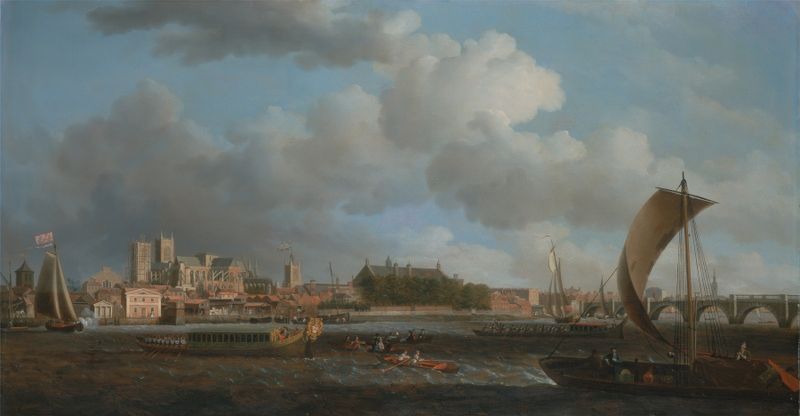
Westminster from Lambeth, with the Ceremonial Barge of the Ironmongers’ Company
Samuel Scott
More Architecture Art
Browse all →
The statue of Liberty
Frédéric Auguste Bartholdi

View of Houses in Delft, Known as ‘The Little Street’
Johannes Vermeer

View of Houses in Delft, Known as ‘The Little Street’
Johannes Vermeer

The Cathedral in Rouen. The portal, Grey Weather
Claude Monet

The yellow house
Vincent van Gogh

The Church in Auvers-sur-Oise, View from the Chevet
Vincent van Gogh