
A View of Boppart, with Figures on the River Bank — History & Facts
Could a single brushstroke hold eternity? In A View of Boppart, with Figures on the River Bank, the essence of longing and temporal beauty is captured in a moment that transcends time. Look to the center of the canvas where a gentle sweep of the Rhine River glistens under the glow of a fading sun, its surface dancing with reflections. The figures on the riverbank, small yet significant, draw your gaze; they are silhouettes of contemplation, seemingly lost in the landscape's embrace. Notice how the warm hues of orange and gold blend seamlessly into the cooler blues and greens, creating a harmonious balance that invites the viewer to linger within the scene. In the delicate interplay of light and shadow, there exists a palpable tension between human presence and nature's vastness.
The figures, while rooted in the foreground, evoke a sense of yearning—perhaps for connection or understanding. The way the horizon stretches invites contemplation of the unknown and the passage of time, suggesting that each moment is fleeting yet eternally significant in the grand tapestry of life. Joseph Mallord William Turner created this work in 1817 during a time when he was establishing himself as a master of landscape painting. He was deeply influenced by the Romantic movement, which celebrated emotion and the sublime in nature.
As Europe was undergoing significant changes, both socially and politically, Turner’s focus on landscapes reflected a desire to capture the beauty and ephemerality of the world, standing as a testament to his innovative spirit within the art community.
More Artworks by Joseph Mallord William Turner
Browse all →
Dort or Dordrecht- The Dort Packet-Boat from Rotterdam Becalmed
Joseph Mallord William Turner
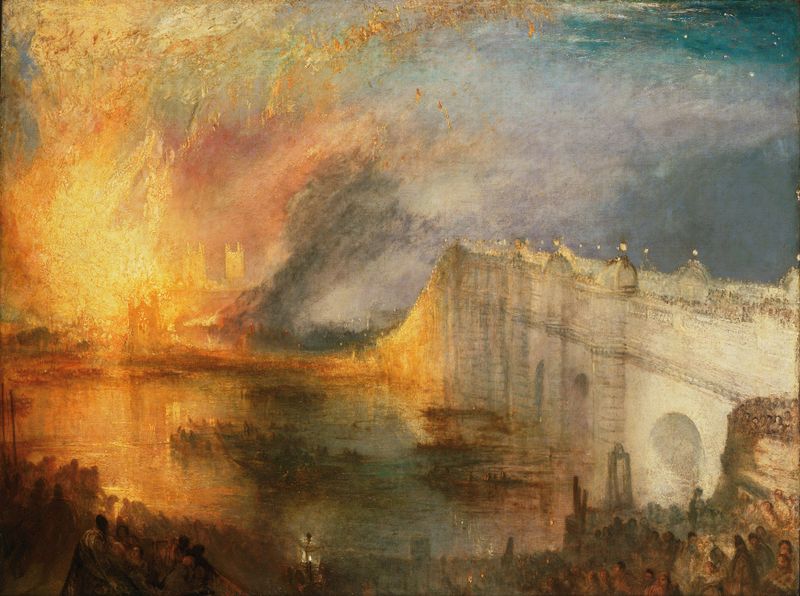
The Burning of the Houses of Lords and Commons, October 16, 1834
Joseph Mallord William Turner
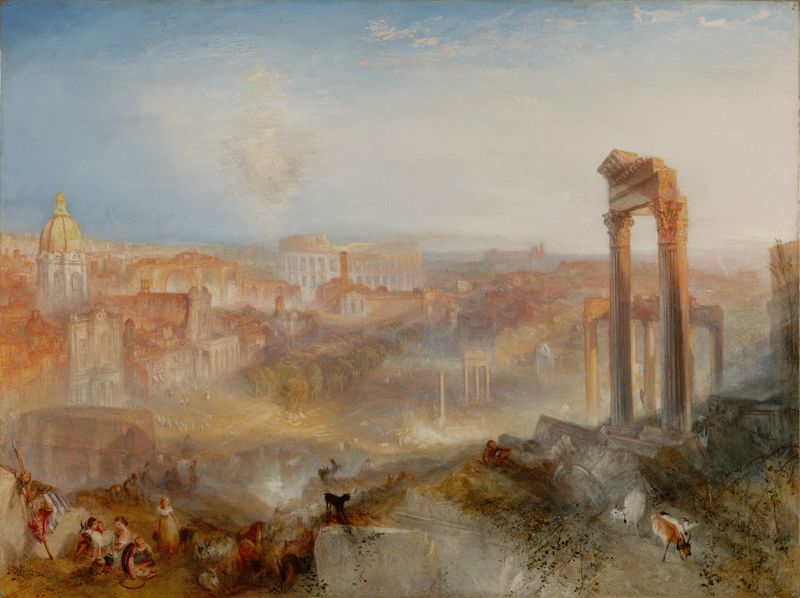
Modern Rome – Campo Vaccino
Joseph Mallord William Turner
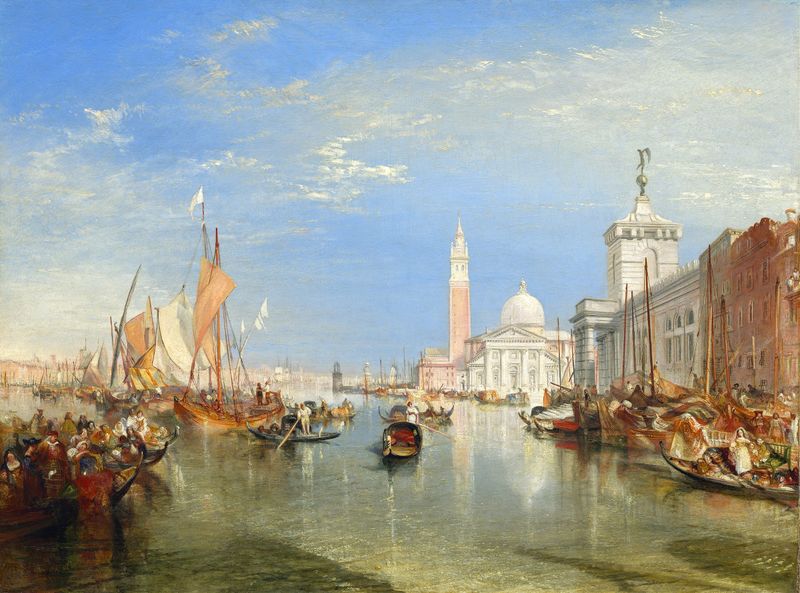
Venice – The Dogana and San Giorgio Maggiore
Joseph Mallord William Turner

The Burning of the Houses of Lords and Commons, 16 October 1834
Joseph Mallord William Turner
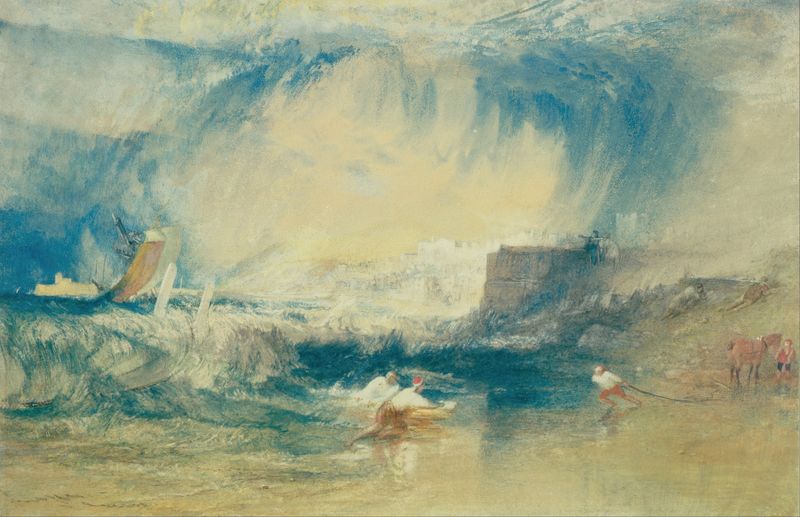
Lyme Regis, Dorsetshire, England
Joseph Mallord William Turner
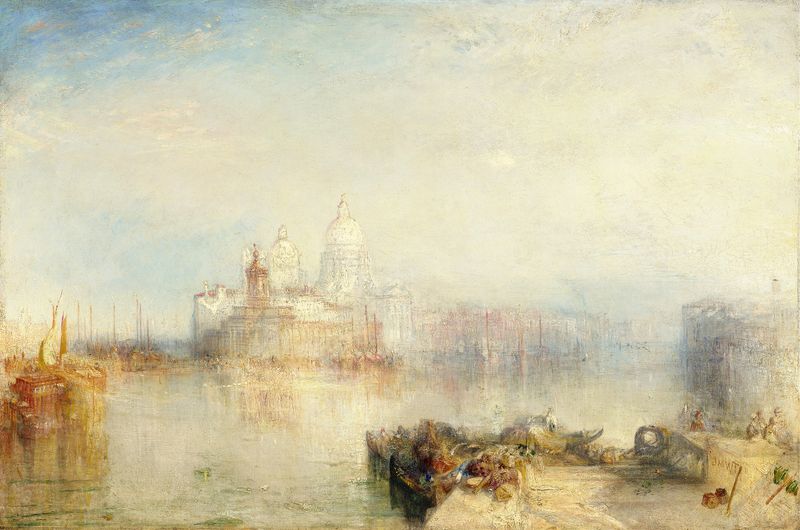
The Dogana and Santa Maria della Salute, Venice
Joseph Mallord William Turner
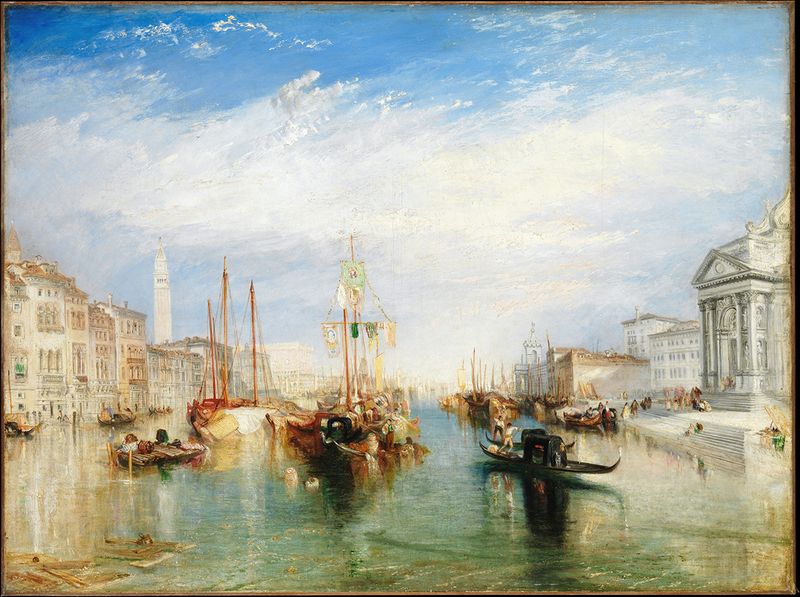
Venice, from the Porch of Madonna della Salute
Joseph Mallord William Turner
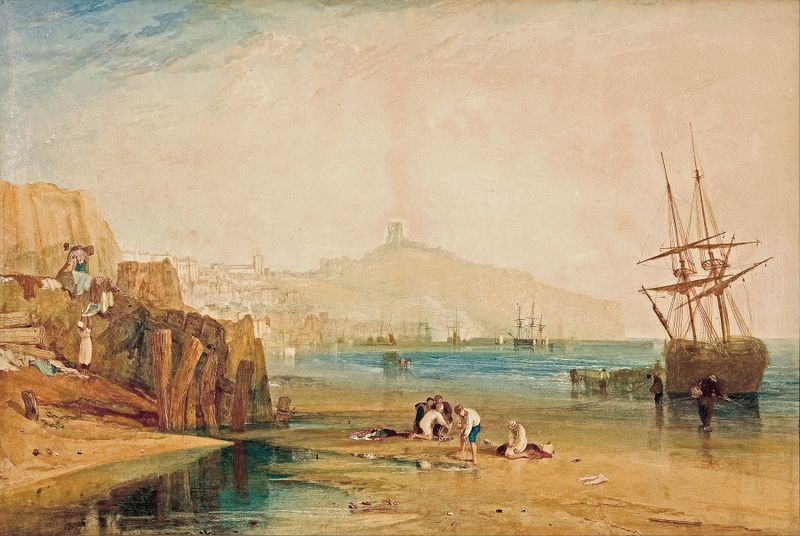
Scarborough town and castle; morning; boys catching crabs
Joseph Mallord William Turner
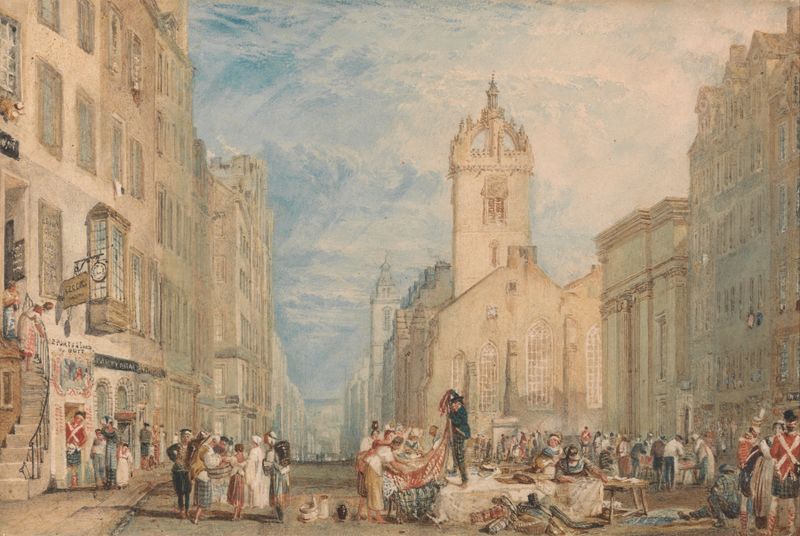
High Street, Edinburgh
Joseph Mallord William Turner





