
A View of Lower Rydal Falls, Cumbria — History & Facts
In that stillness, it captures the essence of obsession, revealing nature’s beauty while hinting at the deeper human yearning for permanence amidst fleeting moments. Look to the left at the cascading water, where the falls tumble over the rocks with a relentless energy that contrasts sharply with the tranquility of the surrounding landscape. Notice how the muted greens and browns blend seamlessly, inviting the eye to wander through the lush foliage, which frames the scene like a delicate whisper of life. The soft interplay of light across the surface of the water highlights Fearnley’s deft brushwork, creating an illusion of movement that breathes life into the canvas. Beneath the idyllic surface lies a tension between serenity and the relentless march of time.
The vibrant rush of the water signifies nature's vitality, while the quietness of the surrounding trees suggests a moment held in suspended animation. This interplay, evoking both beauty and impermanence, reflects the artist's obsession with capturing nature in its most dynamic state, reminding us that moments of awe are both transient and eternal. In 1837, as Thomas Fearnley painted this piece in the picturesque region of Cumbria, he was immersed in the Romantic movement, which sought to express the sublime aspects of nature. This period also marked a time of personal upheaval for him, as he navigated his role in the male-dominated art world of Norway and Europe.
Surrounded by the breathtaking landscapes he adored, Fearnley poured his passion into his work, hoping to convey not just the view, but the obsessive allure of the natural world.
More Artworks by Thomas Fearnley
Browse all →
Norwegian Landscape, Marumfoss
Thomas Fearnley

View of the Oslofjord
Thomas Fearnley

Gudvangen
Thomas Fearnley

Stormy Landscape with a Rider
Thomas Fearnley
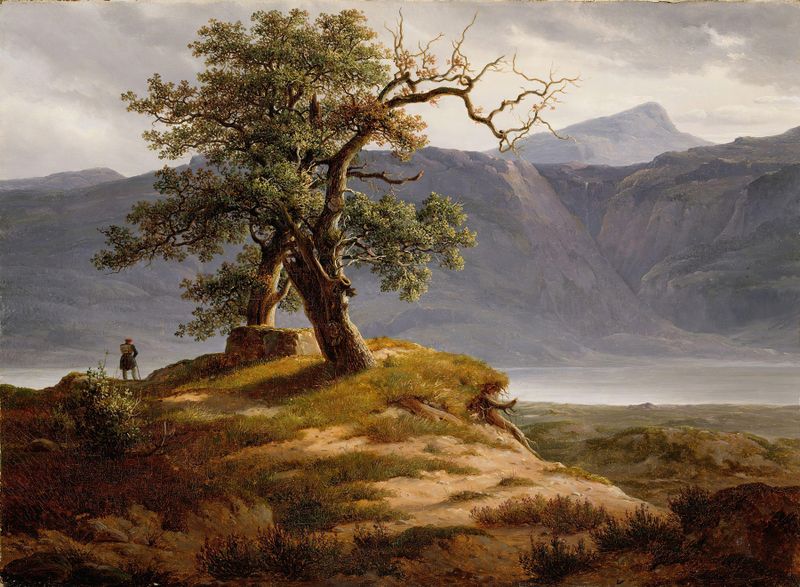
Landscape with a Wanderer
Thomas Fearnley
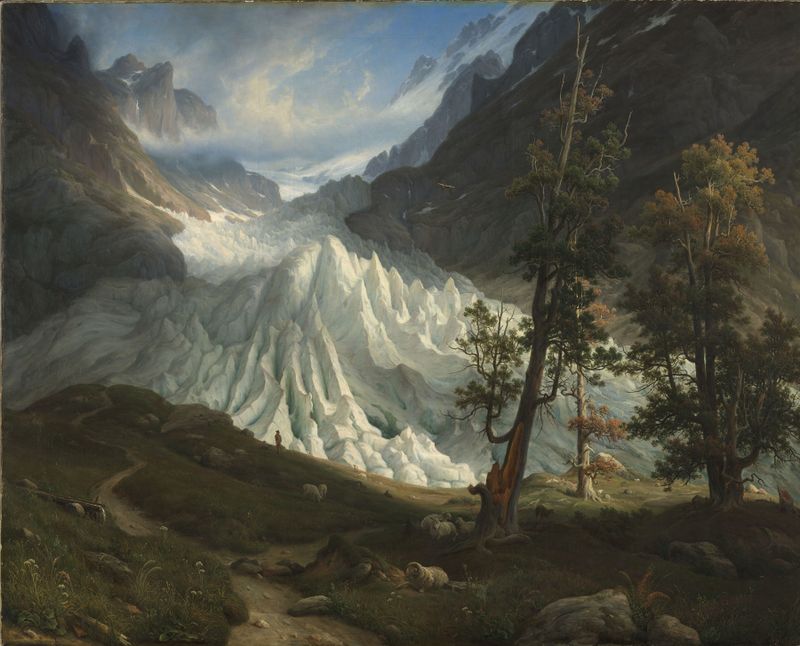
The Grindelwaldgletscher
Thomas Fearnley

Clouds over the Fjord
Thomas Fearnley
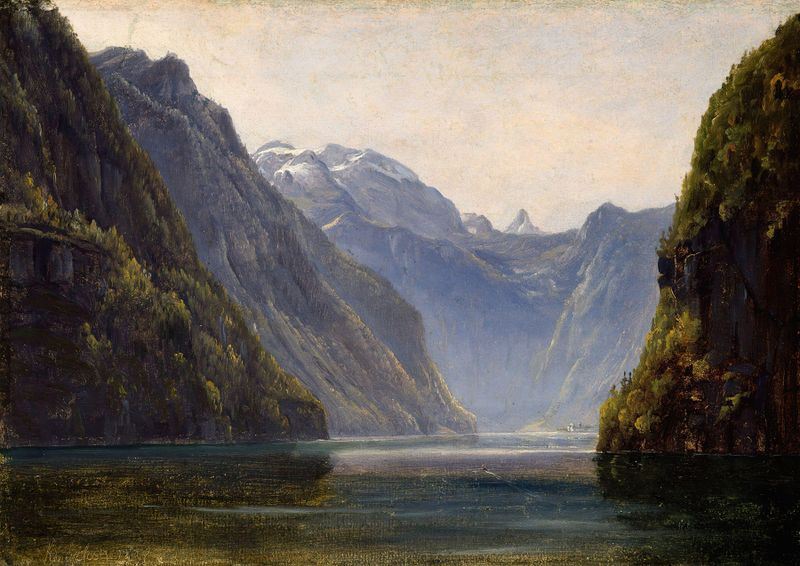
From Königssee
Thomas Fearnley

The Bridge of Hauge outside Arendal
Thomas Fearnley

King Vilhelm II’s ceremonial Processsion in Amsterdam in 1840
Thomas Fearnley





