
A View of Venice — History & Facts
Did the painter know this moment would outlive them? In the delicate interplay of light and water, A View of Venice captures a truth that resonates across time, an invitation to step into a world that feels both ephemeral and eternal. Focus first on the shimmering surface of the canal, where the soft hues of orange and gold reflect the warm glow of the setting sun, creating a dreamlike aura. Notice how Moran contrasts the rich, deep blues of the sky with the warm tones of the buildings, drawing your eye to the intricate architecture that stands as silent witnesses to the passage of time. The use of loose brushwork invites a sense of movement, almost as though the scene pulsates with life, echoing the vibrant spirit of Venice. At first glance, there is a serene beauty to the composition, yet a deeper examination reveals an underlying tension between the natural and man-made.
The stillness of the water juxtaposes the lively façade of the city, hinting at the complexities of urban existence within such a picturesque setting. This painting also reflects the artist's fascination with light, a metaphor for truth itself, illuminating the fragility of memory and the permanence of art. In 1891, Moran was deeply immersed in the American art scene, having established himself as a prominent figure within the Hudson River School. The late 19th century was a time of industrial growth and change, yet he chose to immortalize the timeless beauty of Venice, a testament to his belief in the power of nature and art to transcend the chaos of modern life.
More Artworks by Thomas Moran
Browse all →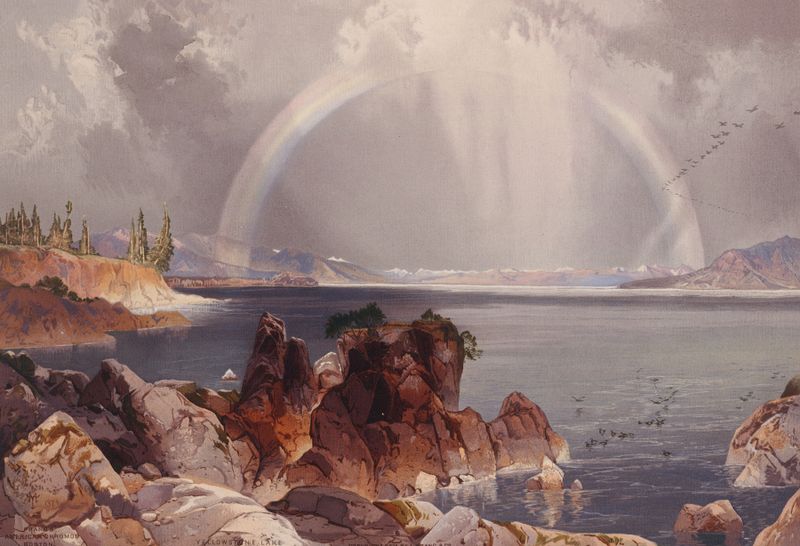
Yellowstone Lake
Thomas Moran

Grand Canyon of the Colorado River
Thomas Moran

Grand Canyon, Colorado River
Thomas Moran

The Towers of Tower Falls, Yellowstone
Thomas Moran
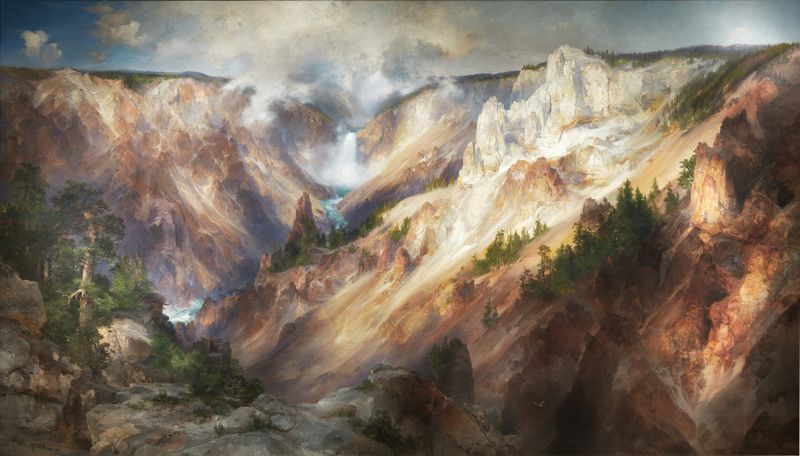
The Grand Canyon Of The Yellowstone
Thomas Moran

Mountain of the Holy Cross
Thomas Moran

Cliffs Of The Upper Colorado River, Wyoming Territory
Thomas Moran
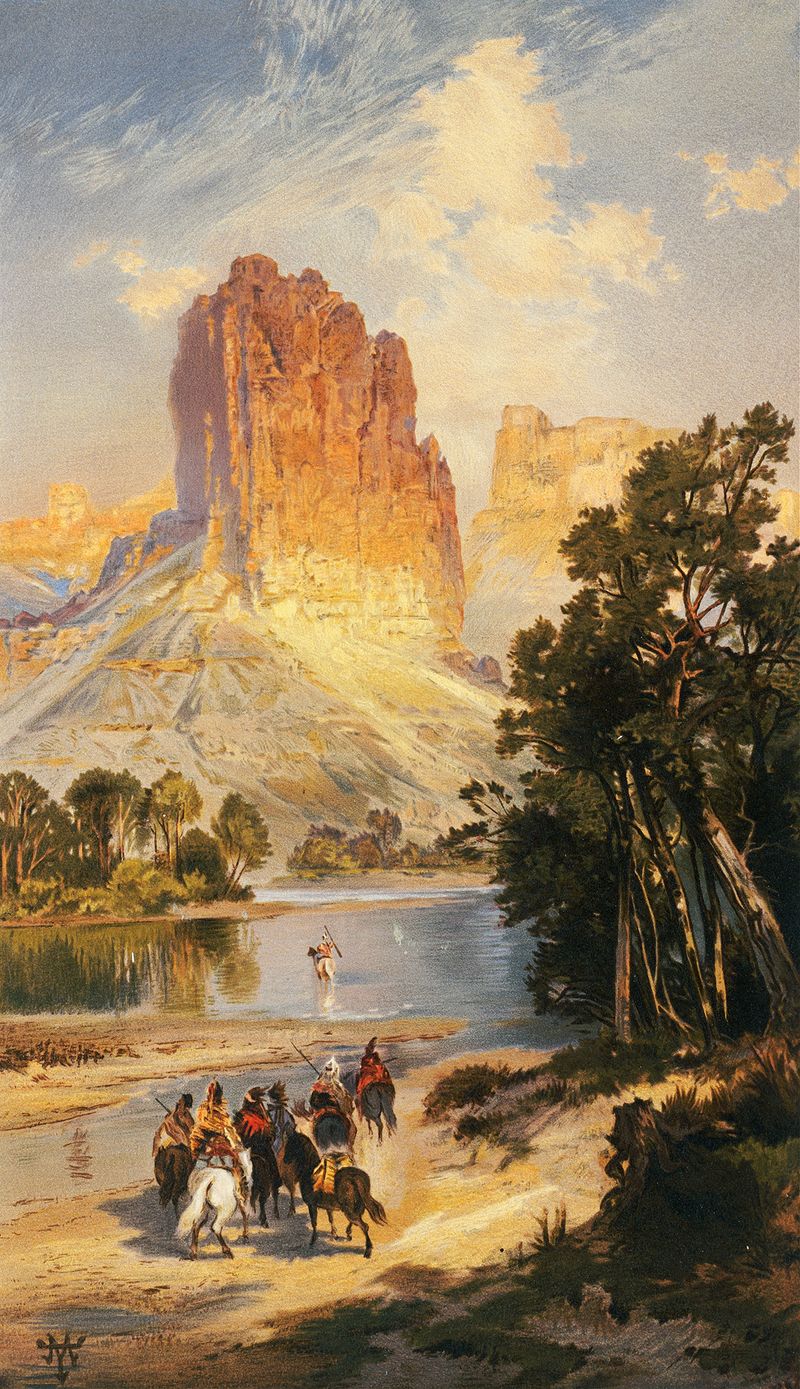
Cliffs of the Upper Colorado River, Wyoming Territory
Thomas Moran

Mammoth Hot Springs, Yellowstone
Thomas Moran
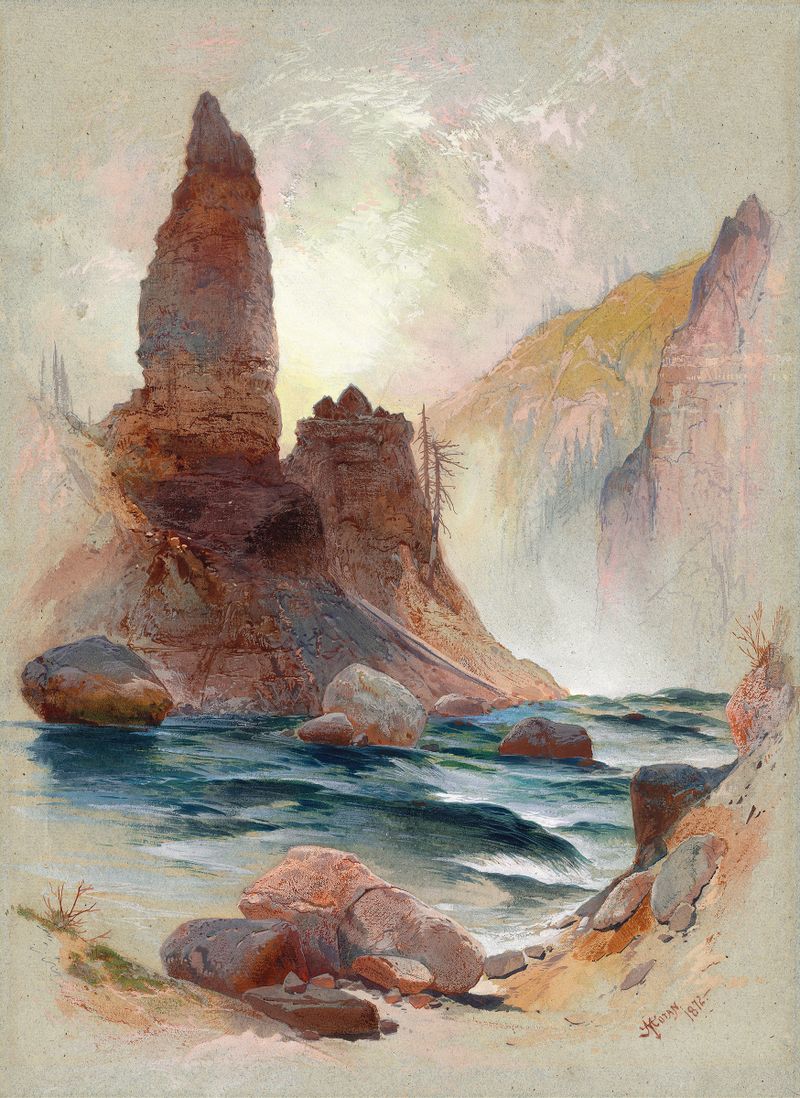
Tower at Tower Falls, Yellowstone
Thomas Moran





