A view of Warwick Castle — History & Facts
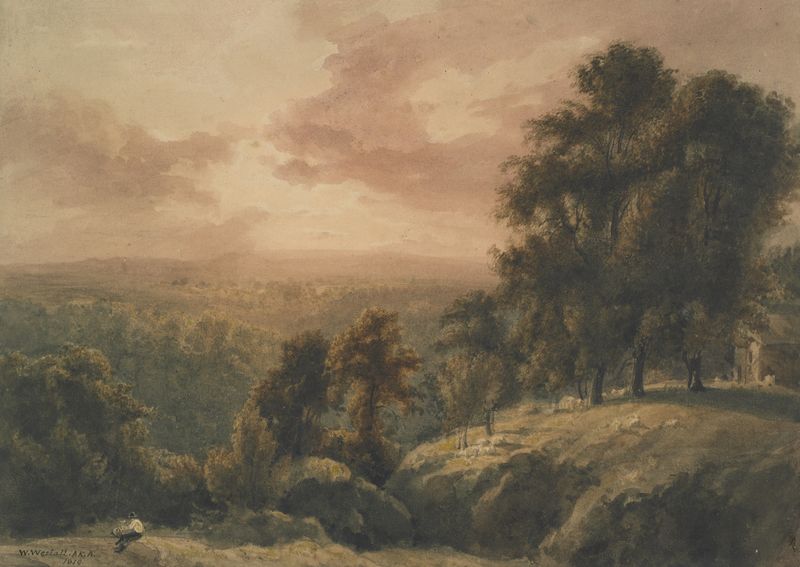
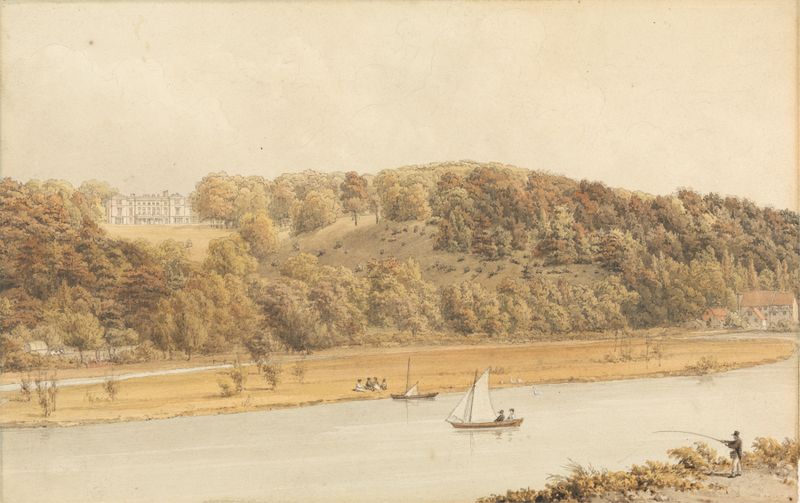
In the stillness of A view of Warwick Castle, a haunting tension lingers, whispering of stories buried within its walls and shadows. The beauty of the landscape contrasts starkly with an undercurrent of madness—an unsettling sense of history that echoes in the viewer’s mind. Look to the left where the castle’s imposing towers rise against the horizon, their rugged stone catching the soft light of an overcast sky. Notice how the muted colors blend seamlessly, with shades of grey and green creating a somber mood.
The brushwork conveys texture and depth, allowing the viewer to feel the weight of the looming structure as it stands resolutely against time. The composition draws the eye upward, inviting contemplation of the castle’s past and the lives that have unfolded within. Delve deeper into the details: the wisps of clouds that hint at an impending storm and the distant trees that bend under an unseen force. This juxtaposition of nature’s beauty and the castle’s ominous presence speaks to the madness of power and history.
The silent grounds suggest untold battles, lost loves, and forgotten secrets that lie hidden beneath the serene surface, evoking a sense of reverence tinged with unease. This work emerged during a pivotal moment in the late 18th century, reflecting a growing interest in the picturesque and romantic landscapes. William Westall painted it while exploring the British countryside, a time when artists were captivated by nature’s raw beauty and its ability to evoke emotional truths. The world of art was shifting, and through such pieces, he contributed to the narrative of landscape not merely as backdrop but as a vital character in the story of humanity.