Entrance to Newmarket — History & Facts
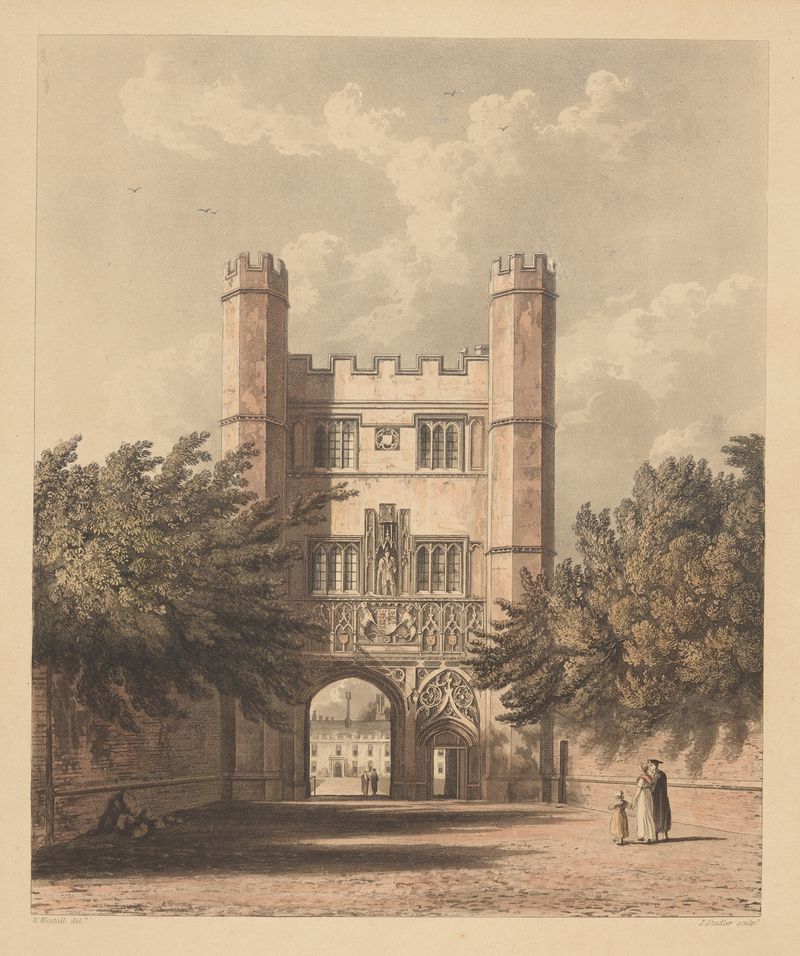
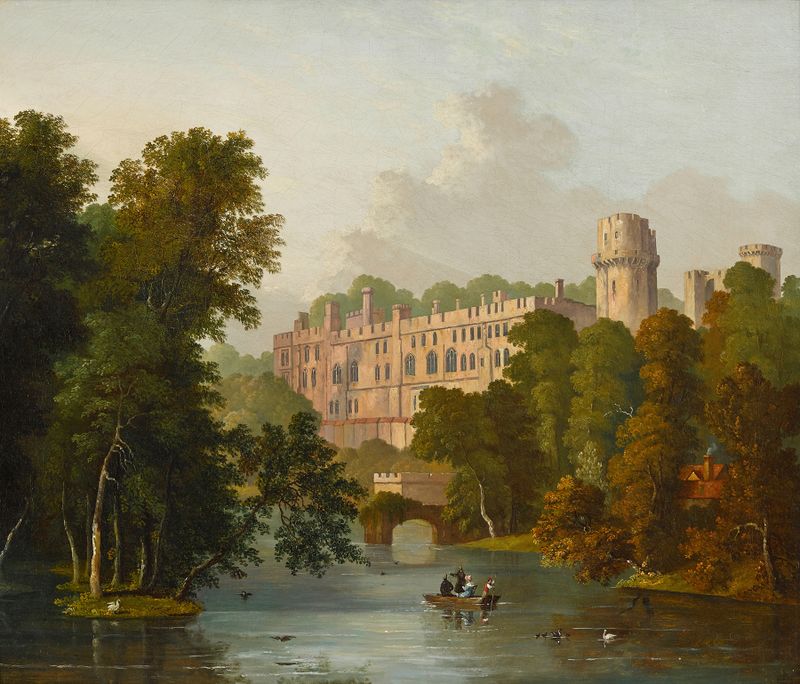
Is this a mirror — or a memory? The boundaries between reality and reflection often blur, revealing both longing and loss. Focus on the central elements of the composition, where the grand entrance stands as a testament to the momentous occasion it represents. Notice how the archway looms, inviting yet imposing, its details meticulously rendered in vibrant hues. The shadows dance beneath its structure, a play of light that accentuates the intricate stonework, while the soft green of the surrounding foliage weaves a sense of tranquility around the bustling scene. Delve into the relationships that emerge within the painting.
The figures in the foreground appear both ephemeral and grounded, echoing the transient nature of events that unfold in spaces like this. The juxtaposition of their lively gestures against the stillness of the archway creates a tension that suggests both excitement and apprehension. Each face tells a story, hinting at personal journeys that intertwine with the broader narrative of arrival and departure. William Westall painted this work during the early 19th century, a time of significant change in Britain.
While the artist was engaged with capturing landscapes and scenes of everyday life, the socio-political landscape was shifting rapidly, marked by the Industrial Revolution. This period saw a burgeoning interest in both nature and the built environment, a duality evident in Westall's attention to detail and composition, highlighting the dialogues between humanity and architecture.