Evening landscape — History & Facts
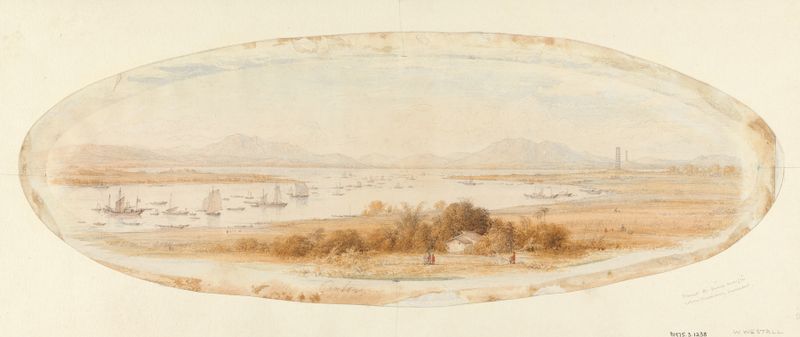
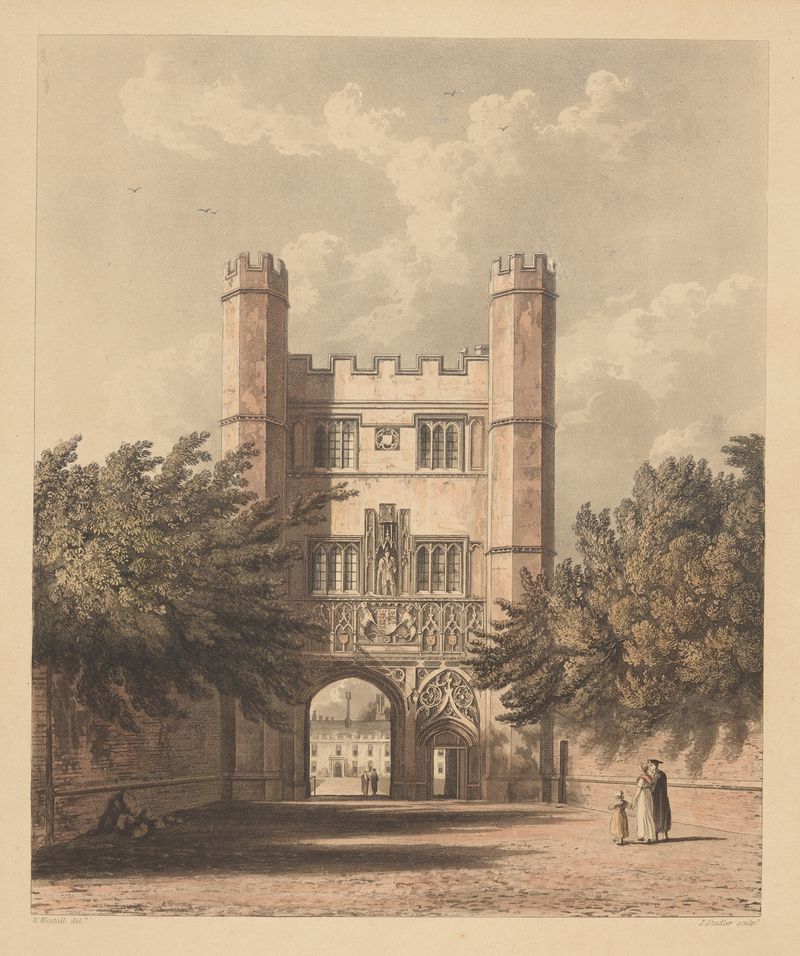
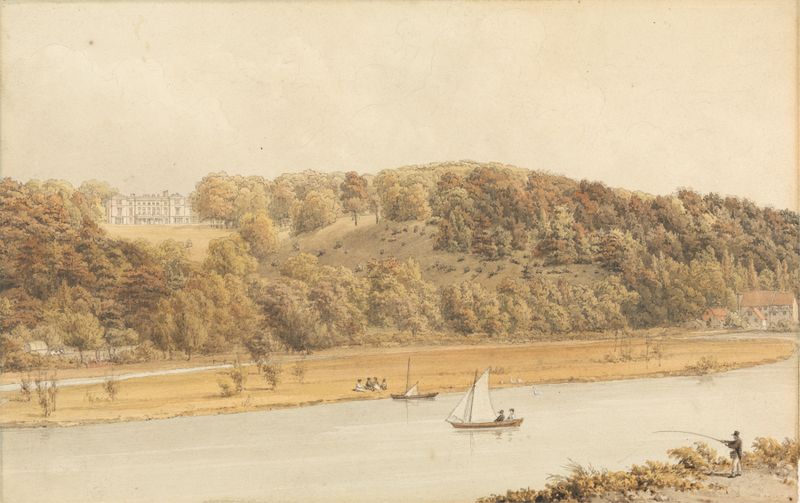
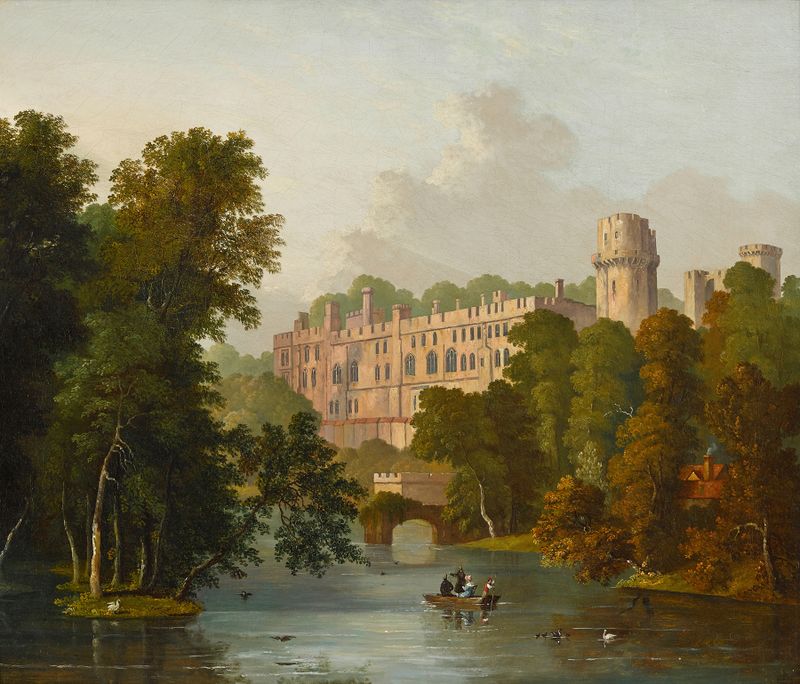
What if silence could speak through light? In the stillness of dusk, the world awakens, not with sound, but with a whisper of color and a glow that transforms the familiar into the extraordinary. Look to the horizon, where a warm, golden hue spills across the sky, inviting you to explore the serene landscape below. The interplay of soft blues and rich oranges creates a soothing gradient, drawing your eye to the gentle undulations of the hills. The brushwork is delicate yet intentional, with feathery strokes that suggest movement in the tranquil air, while the silhouetted trees stand as quiet sentinels, framing this moment of transition. Beneath the surface, the painting holds the weight of time’s passage; the fading light symbolizes the inevitability of change.
It captures a moment of reflection, prompting the viewer to consider what is left behind as day succumbs to night. The contrast between the vibrancy of the sky and the deepening shadows hints at life’s duality — the exuberance of daytime clashing with the mystery of the night. Each element is in harmony, evoking a sense of peace amid the fleeting nature of existence. In 1819, the artist found himself inspired by the landscapes of England, capturing the essence of nature during a period of growing Romanticism in art.
Westall's works often reflected his deep appreciation for the natural world, marked by a desire to evoke emotional responses through light and color. This was a time when artists sought to transcend mere representation, aiming instead to convey the profound connections between humanity and the environment.