A View of Werfen — History & Analysis
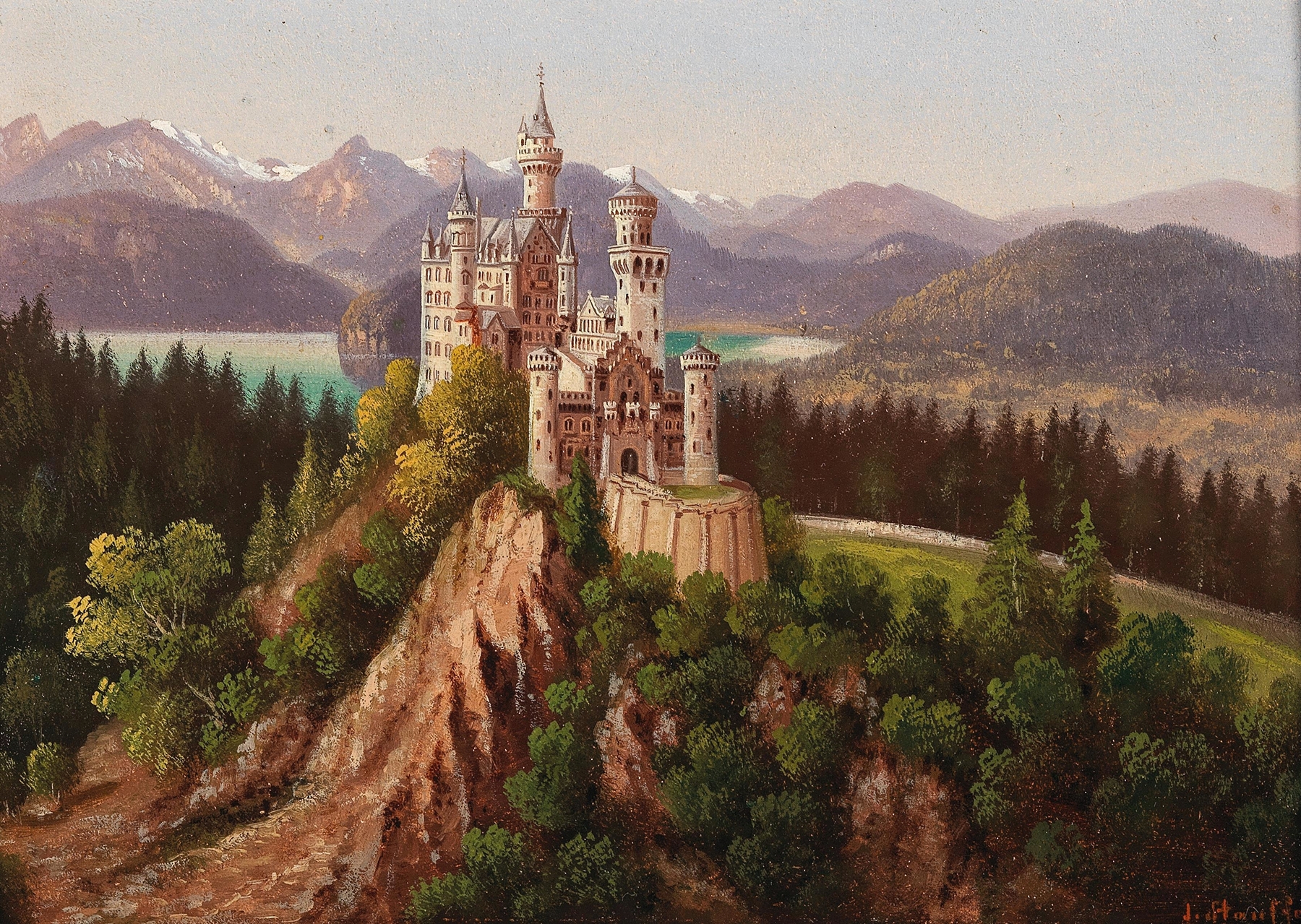
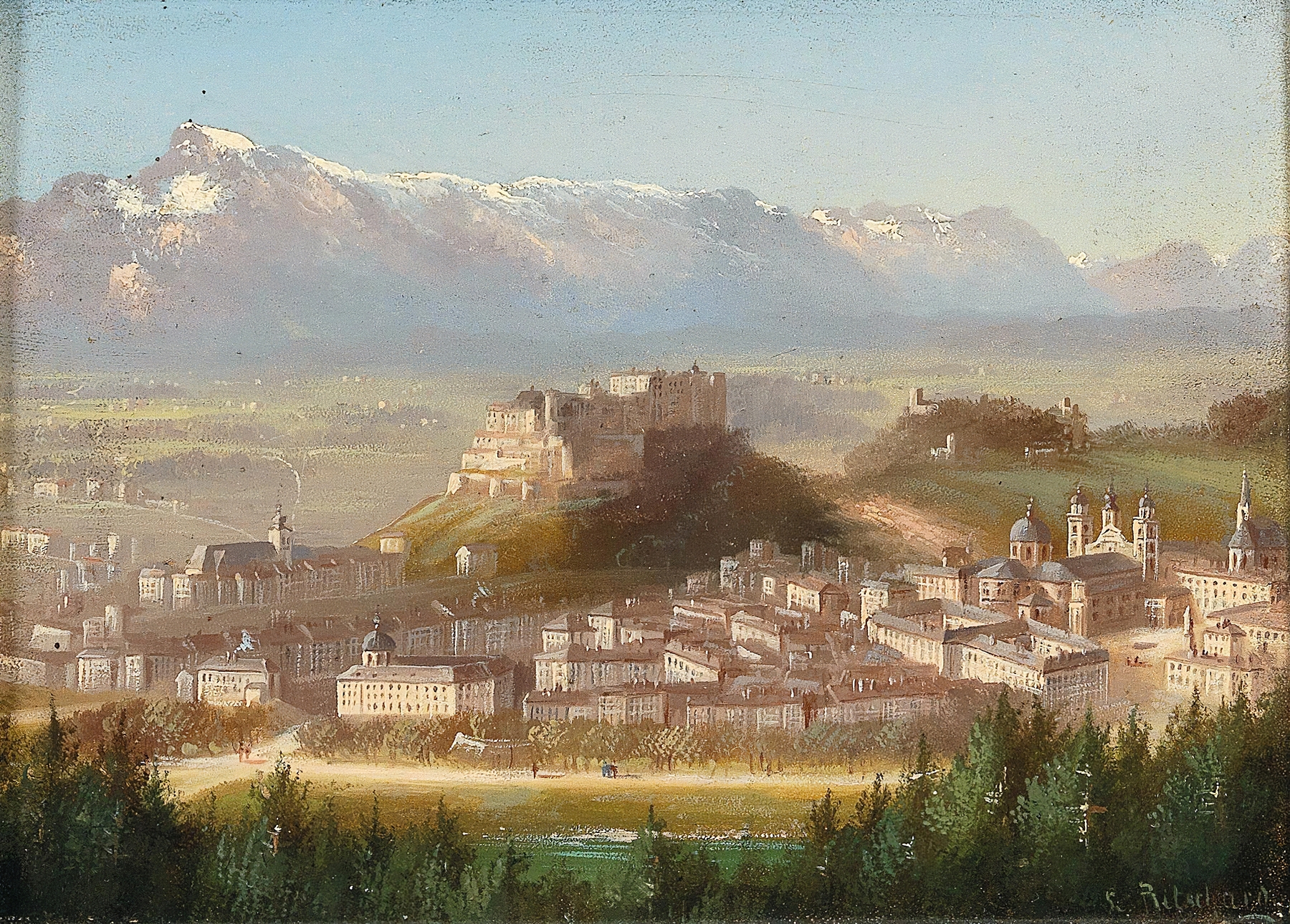
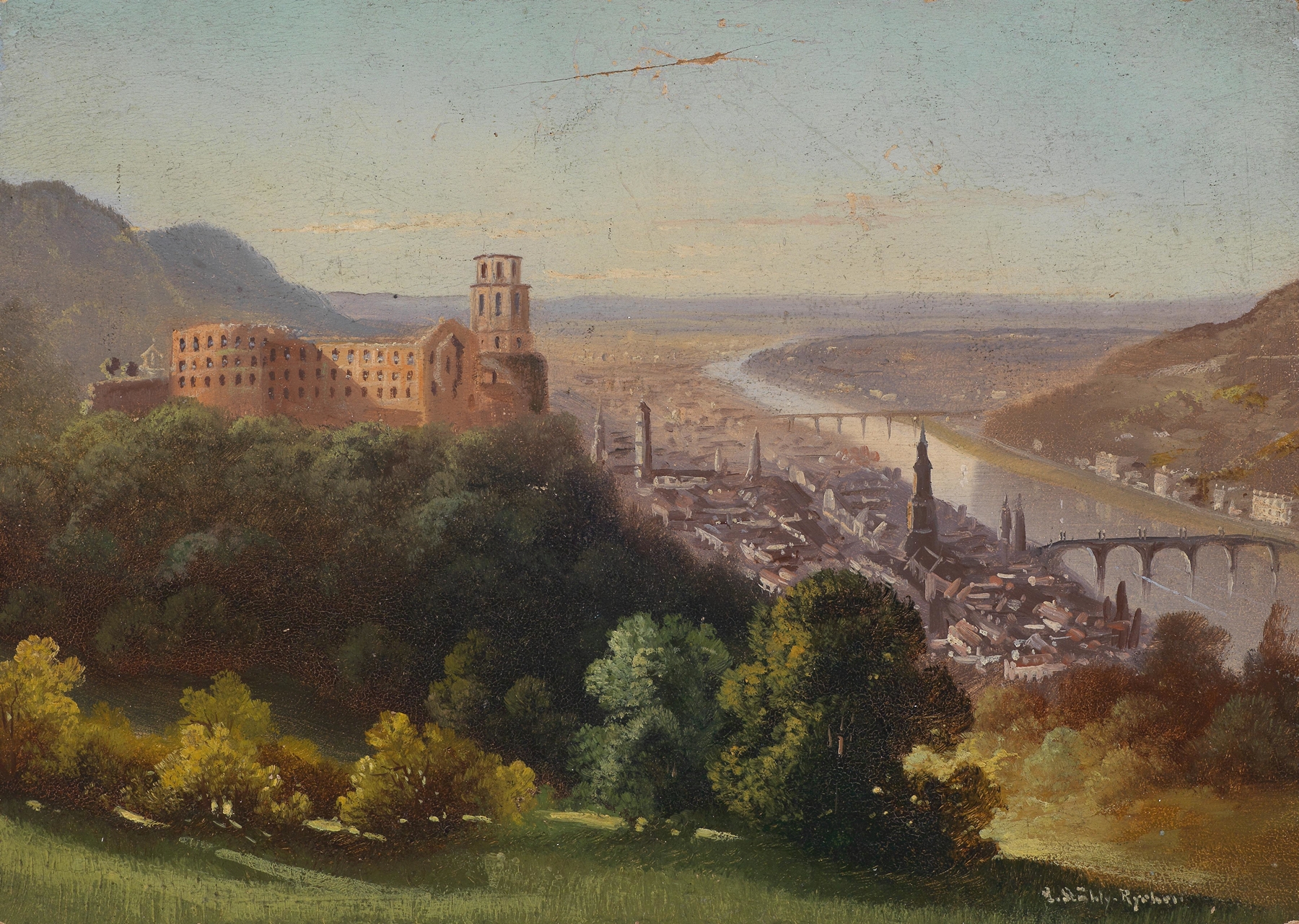
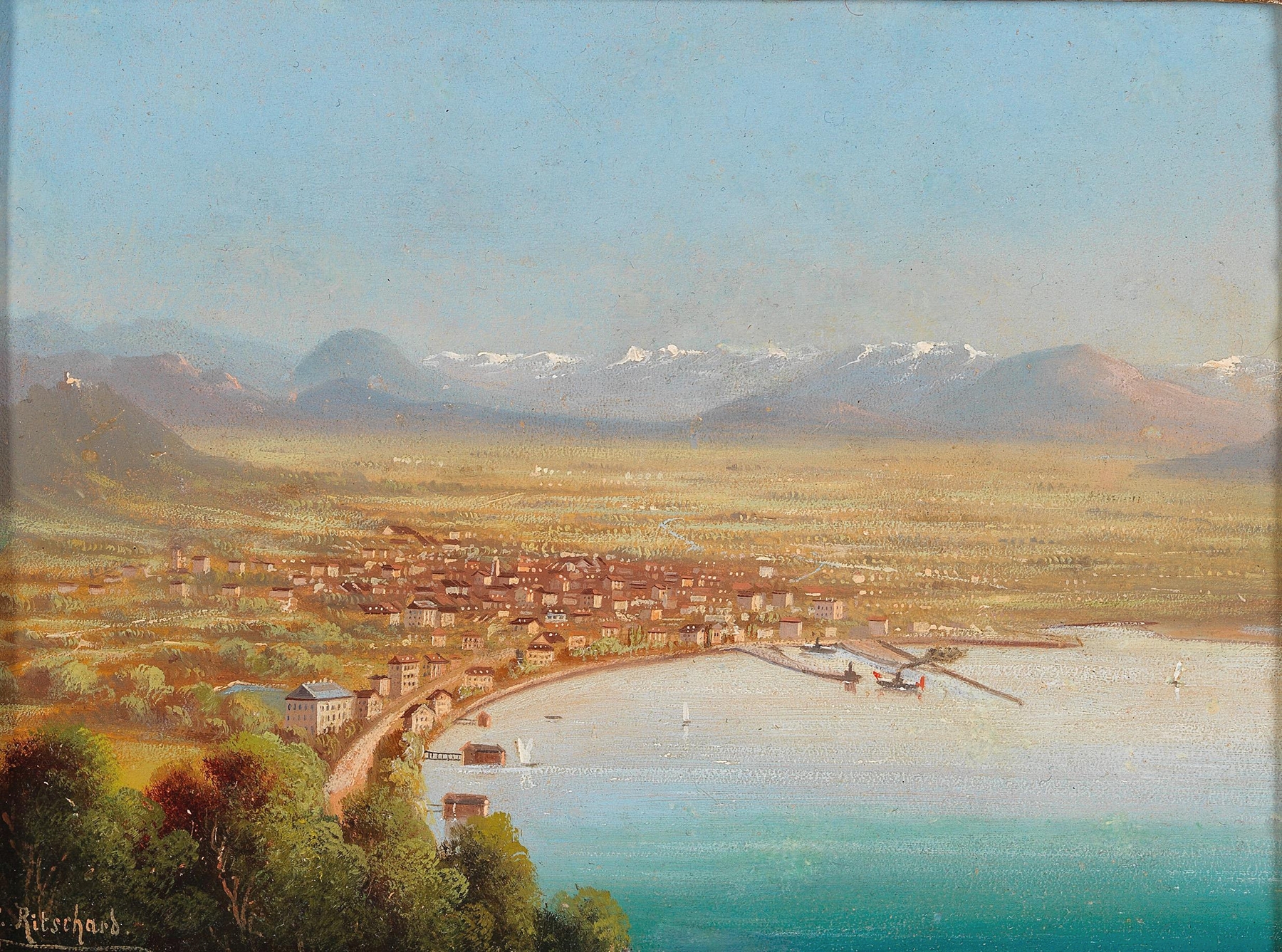
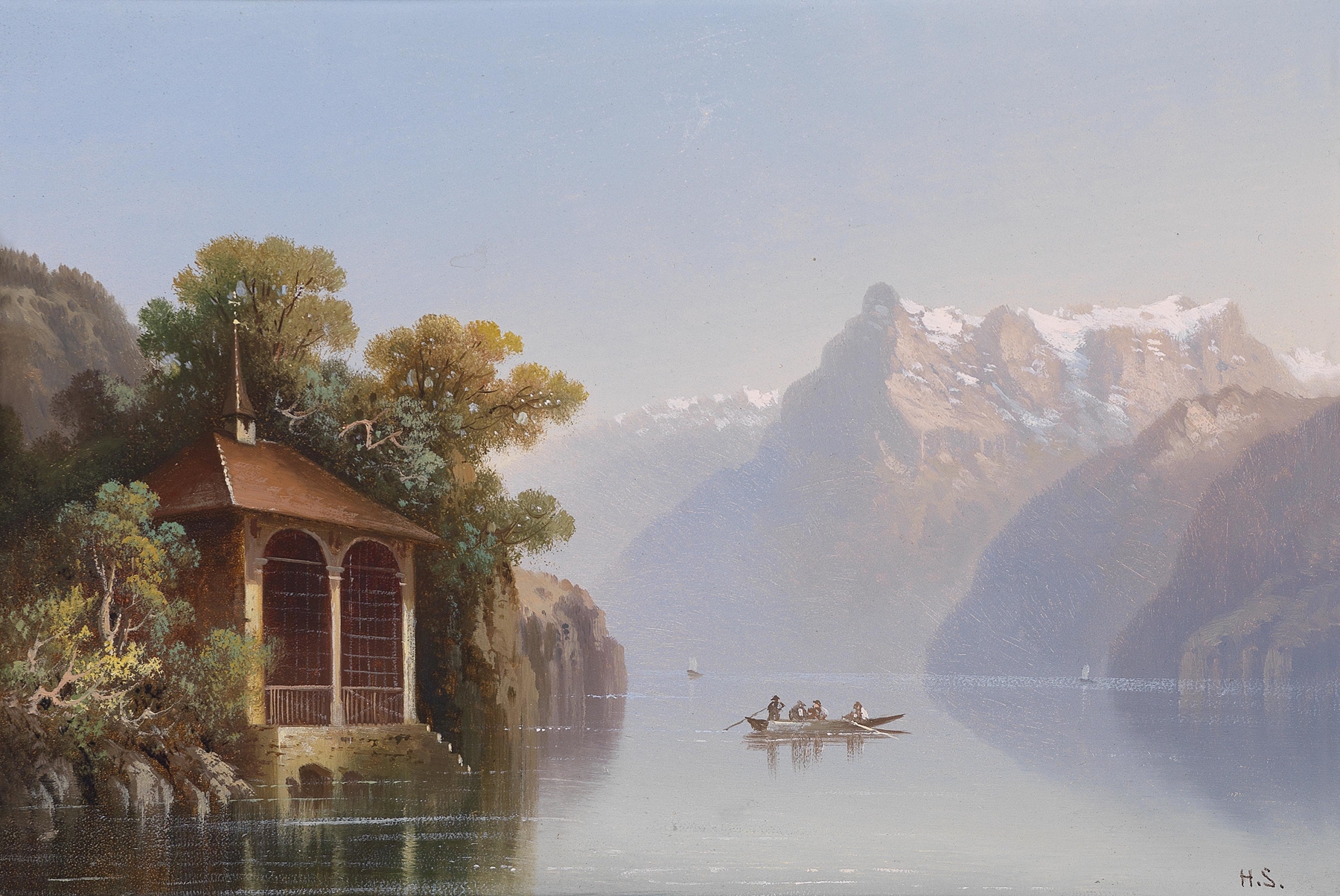
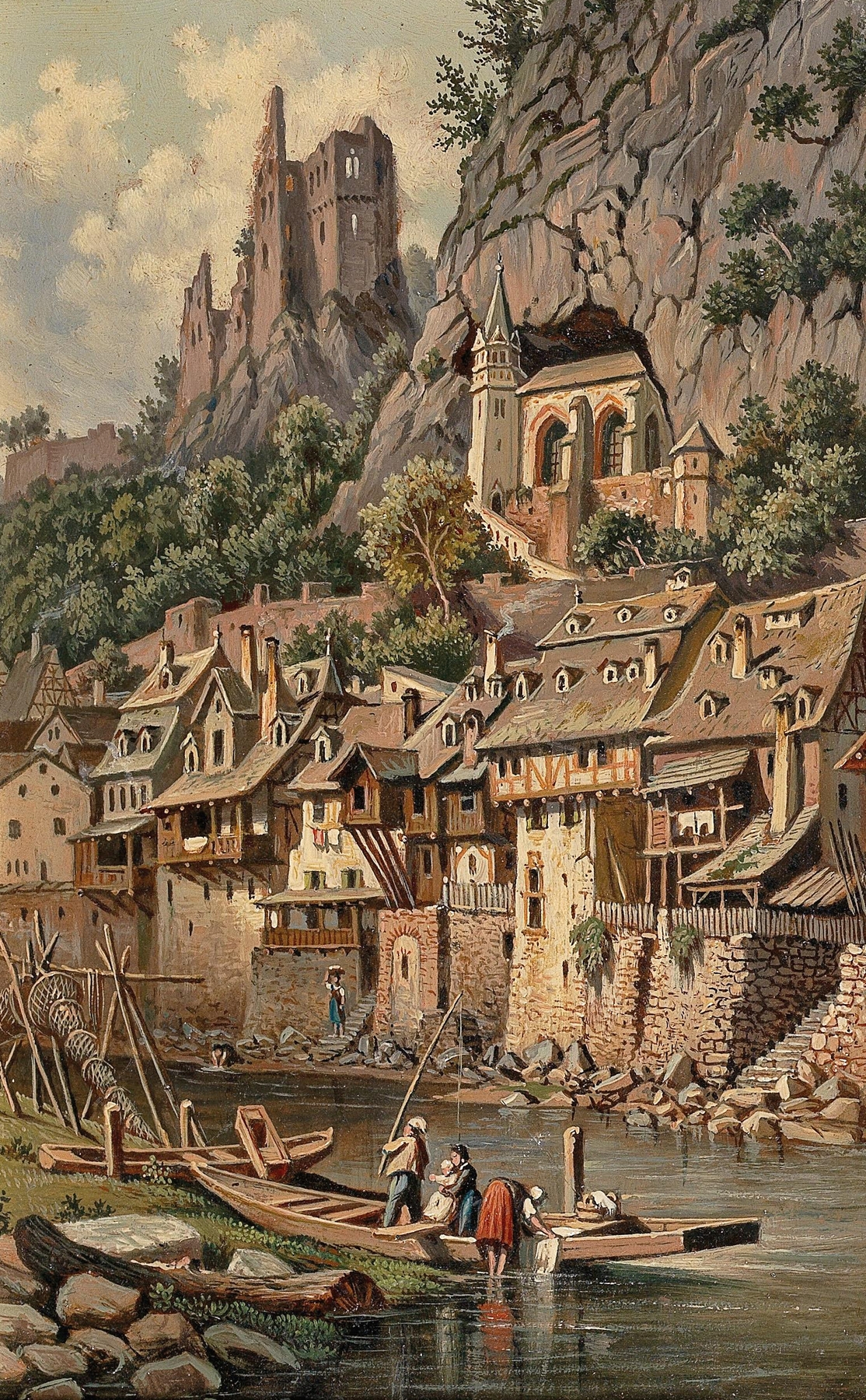
“Art reveals the soul when the world turns away.” In the quiet embrace of a painted landscape, revelations unfold that speak to both the majesty of nature and the delicate intricacies of human perception. Look to the center of the canvas where rugged mountains rise like ancient sentinels, their peaks kissed by soft, billowing clouds. Notice how the interplay of light and shadow dances across the terrain, highlighting the contours of the craggy rocks while the lush green valley below seems to breathe in the gentle luminescence. The palette, rich in earthy tones, invites the viewer to feel the texture of the landscape, as if each brushstroke tells a story waiting to be uncovered.
Hidden within this tranquil scene lies a powerful contrast between the serene beauty of the natural world and the underlying tension of human insignificance. The vastness of the mountains dwarfs the small village nestled at their feet, evoking a sense of awe and contemplation. Each element, from the delicate wisps of clouds to the stillness of the water, reflects a profound longing for connection, as if nature itself is holding its breath, waiting for us to listen.
Created during a time when the Romantic movement was shifting towards a deeper appreciation of nature, this work embodies the ethos of its era. Painted by an artist who sought to capture the sublime beauty of the Austrian landscape, A View of Werfen serves as a testament to the artist’s exploration of place, identity, and the human experience. Though the exact date remains unknown, it emerges from a period when landscapes were not just backgrounds, but reflections of the soul itself.