Discover insights about this artwork
A Village Road near Auvers — History & Facts
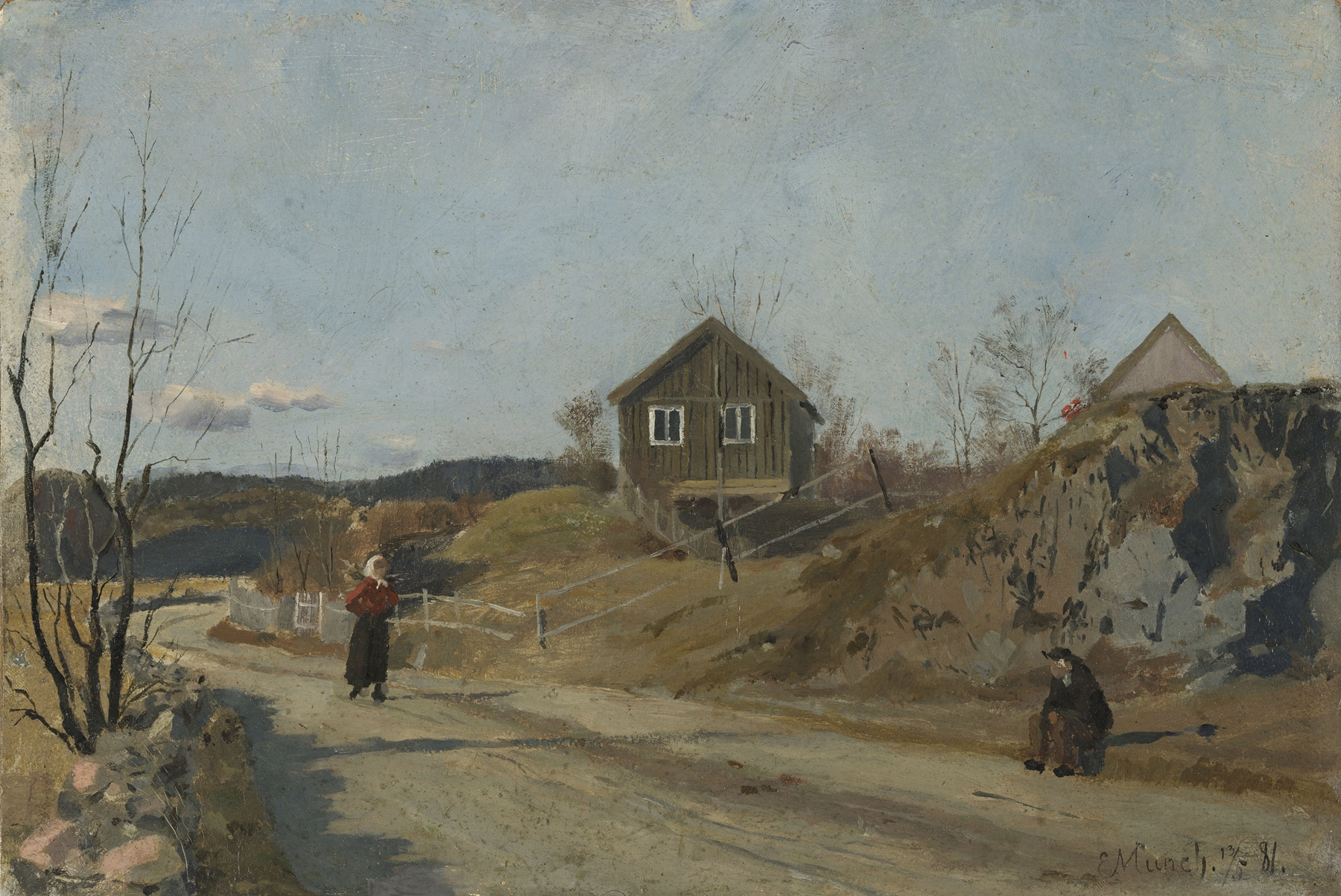
In A Village Road near Auvers, Paul Cézanne presents a tranquil scene filled with lush greenery and a winding road. The palette is dominated by earthy tones of green and brown, interspersed with hints of blue in the sky. The composition invites the viewer into a serene rural landscape, where the road leads the eye through the scene.
The simplicity of the setting reflects the everyday life of the village, capturing a moment of calm. Cézanne's technique is evident in the brushwork, which combines short, deliberate strokes to create texture and depth. The layering of colors adds richness to the foliage and the road, while the sky is rendered with a softer touch. The painting measures approximately 60 x 80 cm, making it a medium-sized work that allows for detailed observation.
This piece exemplifies Cézanne's ability to blend form and color harmoniously. Created during the late 19th century, A Village Road near Auvers is a testament to Cézanne's exploration of landscape painting. This work reflects his transition from Impressionism to a more structured approach, emphasizing geometric forms. Interestingly, Cézanne often painted scenes from his surroundings in Provence, where he found inspiration in the natural beauty.
This painting is currently housed in the Musee d'Orsay in Paris.
More Artworks by Paul Cézanne
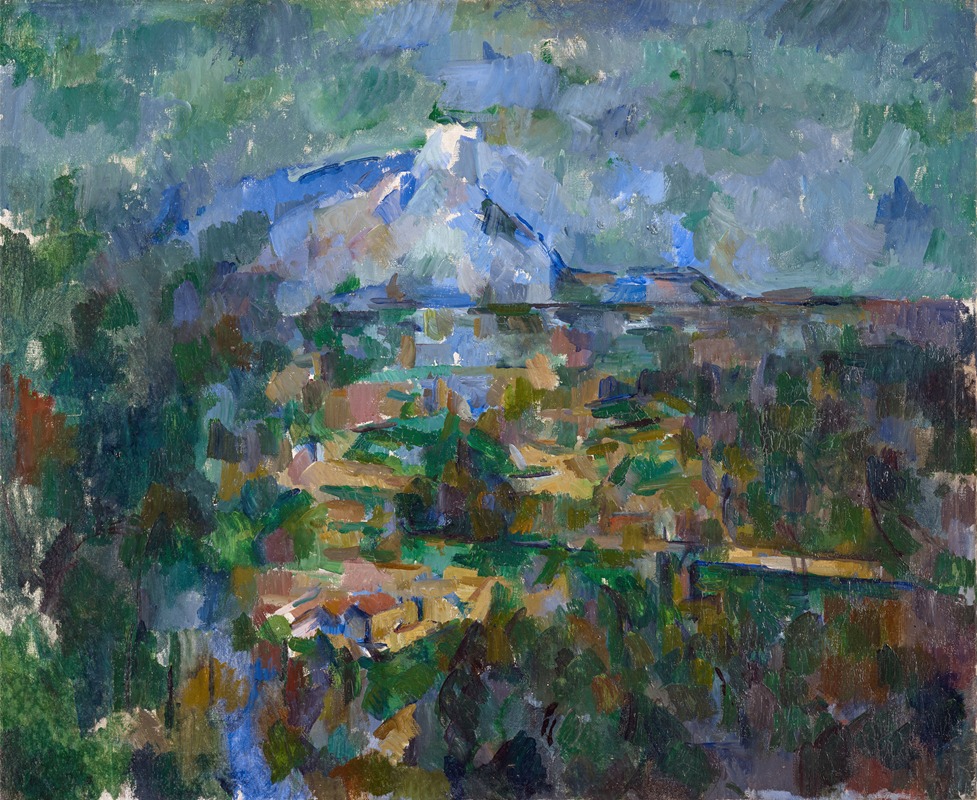
The Mont Sainte-Victoire Seen From Les Lauves
Paul Cézanne
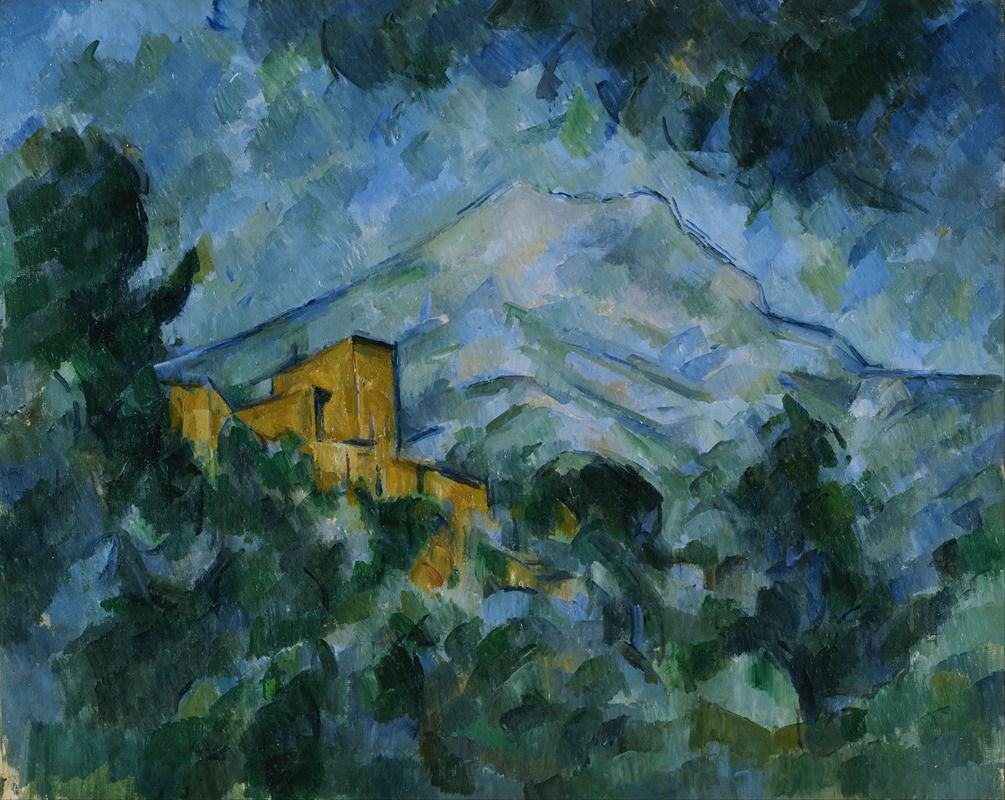
Mont Sainte-Victoire and Château Noir
Paul Cézanne
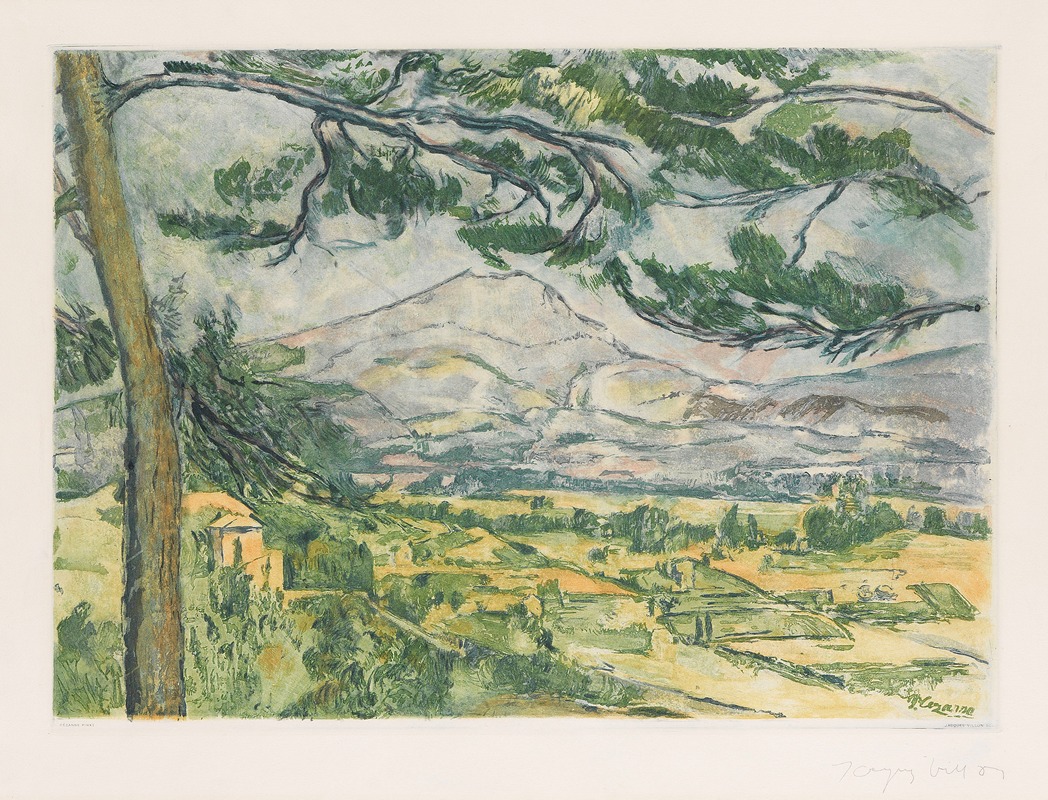
La Montagne Sainte-Victoire
Paul Cézanne
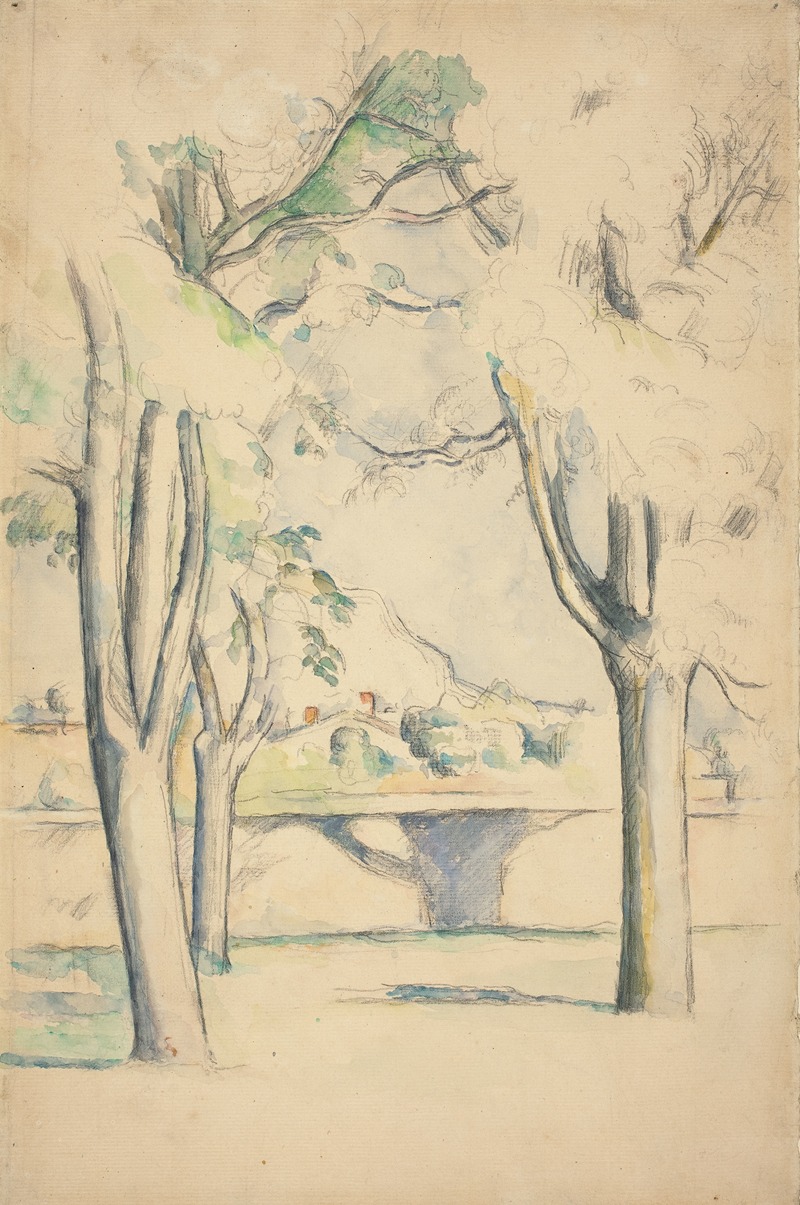
Mont Sainte-Victoire Seen beyond the Wall of the Jas de Bouffan
Paul Cézanne
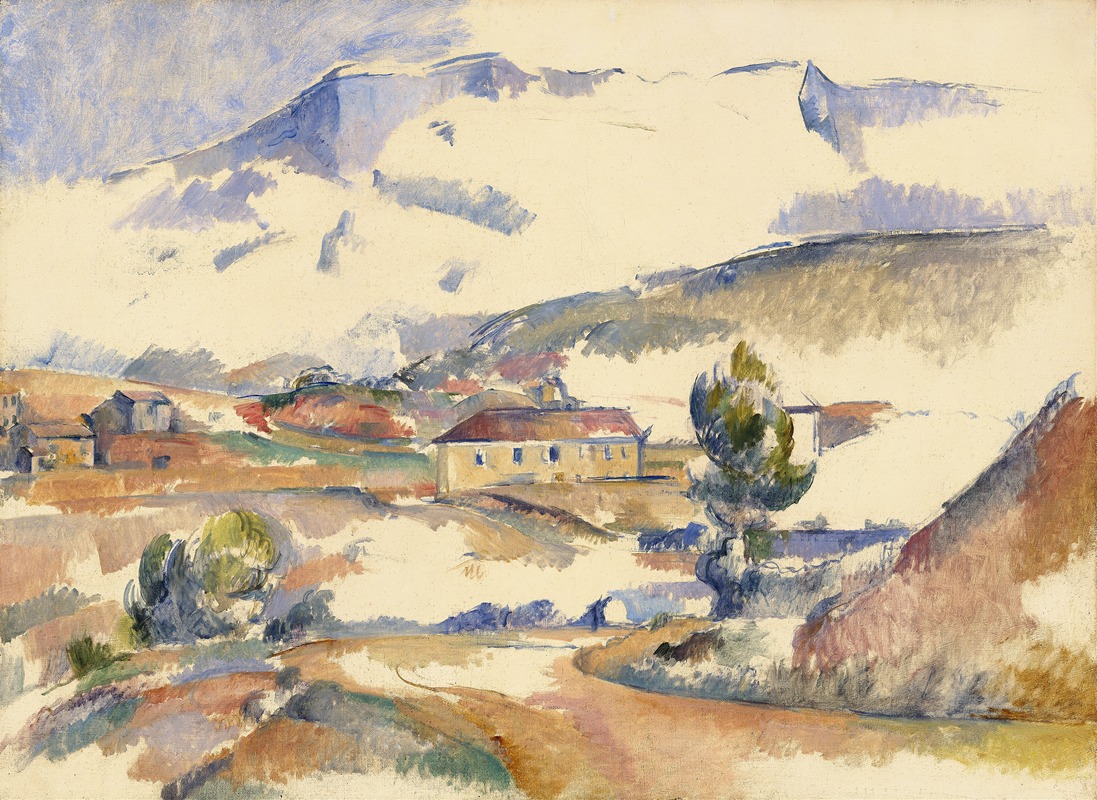
Montagne Sainte-Victoire,from near Gardanne
Paul Cézanne
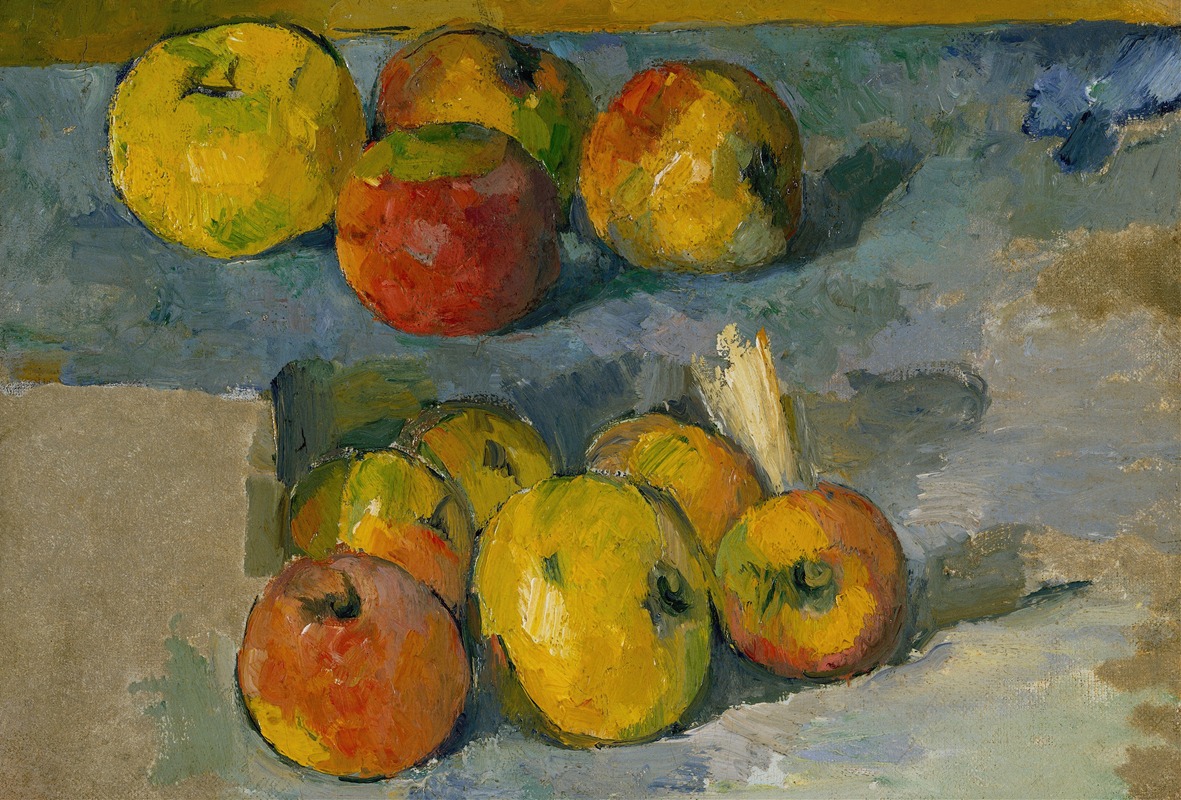
Apples
Paul Cézanne
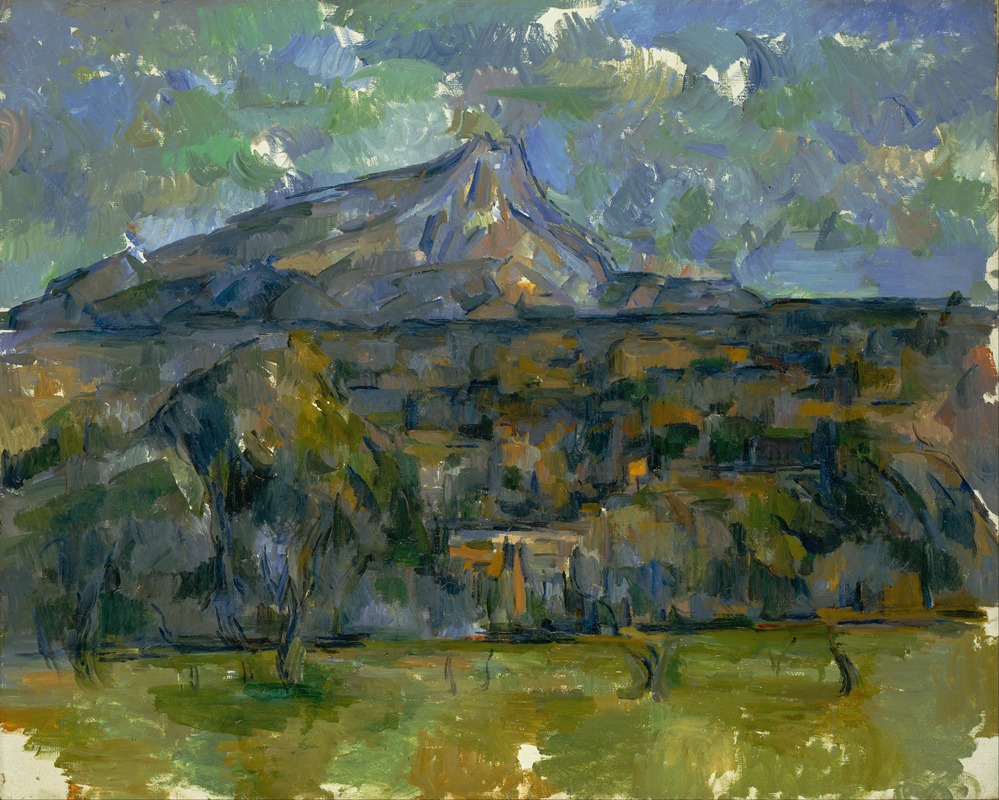
Mont Sainte-Victoire
Paul Cézanne
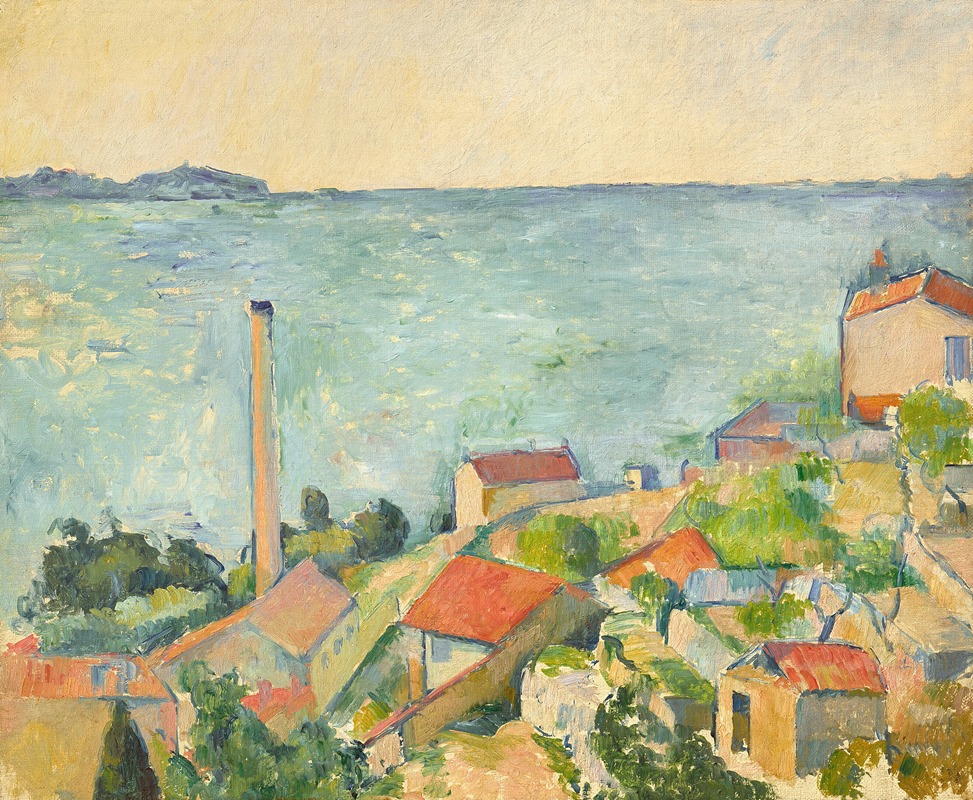
La mer à l’Estaque
Paul Cézanne
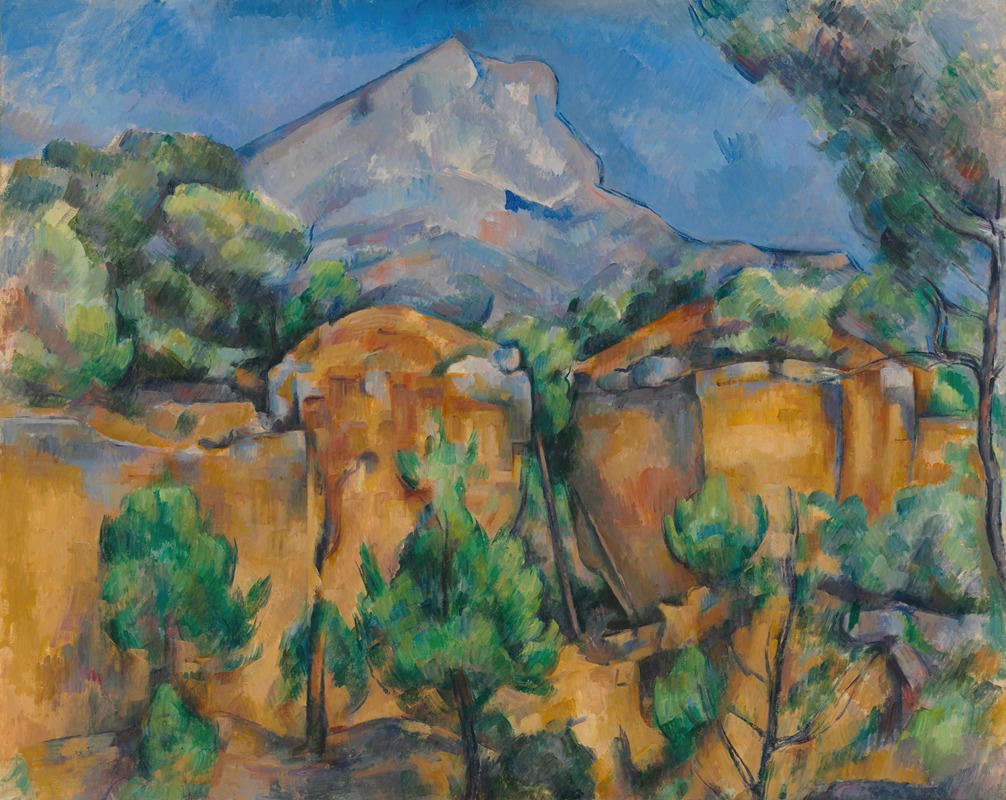
La Montagne Sainte-Victoire vue de la carrière Bibémus
Paul Cézanne
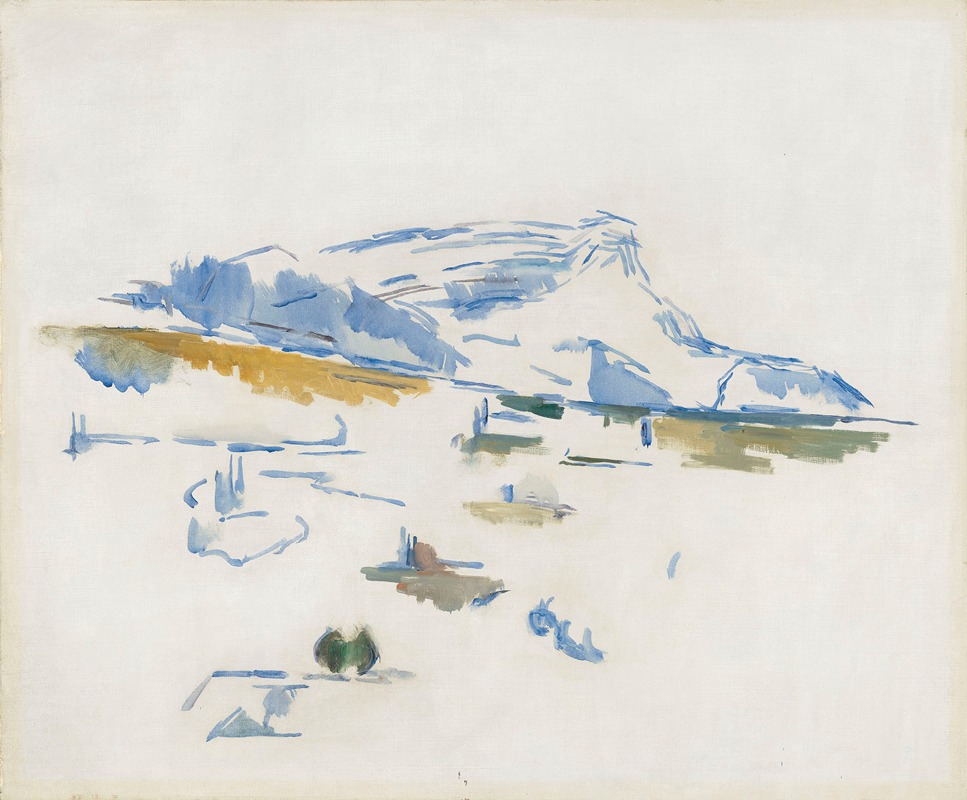
La Montagne Sainte-Victoire vue des Lauves
Paul Cézanne