
A Water Well — History & Facts
Can beauty exist without sorrow? In A Water Well, the answer lingers in the air, heavy like the water waiting to be drawn from its depths. Look to the left at the well’s stone edge, rugged yet inviting, which draws the eye into a world where nature and human fragility intertwine. The delicate interplay of light and shadow breathes life into the scene, illustrating the artist's mastery of color. Soft hues of ochre and muted greens create a serene backdrop, yet the deep shadows suggest the weight of untold stories and unseen struggles.
Notice how the figures—an elderly man and a young girl—stand poised, their expressions imbued with a quiet beauty tinged by unspoken grief. In the folds of their clothing and the lines of their faces, we detect a poignant contrast—youthful innocence meeting the gravity of experience. The girl’s gentle gaze conveys hope, while the man’s posture hints at weariness, as if he carries the burden of lost dreams on his shoulders. The well itself, a symbol of sustenance, also serves as a reminder of the harsh realities they navigate, intertwining joy and sorrow in a single, evocative image. Created around 1875, this work emerged during a time when Theodor Von Hörmann was exploring themes of rural life and emotional depth.
Living in Vienna amidst the tumult of artistic innovation, he sought to capture the human experience, not just in its jubilant moments but also in its quieter, more melancholic reflections. This painting stands as a testament to that exploration, encapsulating a moment that resonates with universal truths.
More Artworks by Theodor Von Hörmann
Browse all →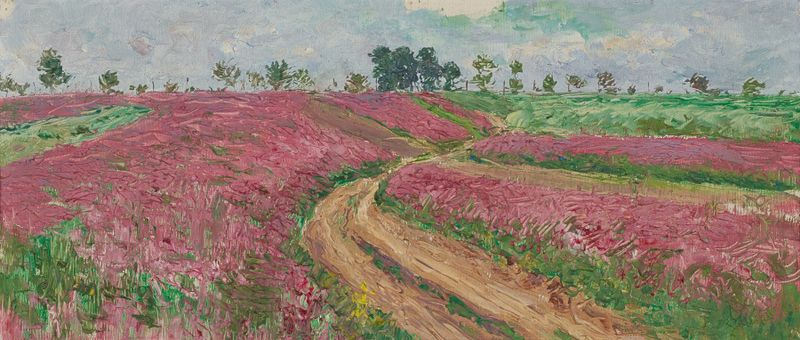
Esparsettenfeld Bei Znaim Ii
Theodor Von Hörmann

Blick Auf Paris
Theodor Von Hörmann

A Watering Place in Kis Bagh
Theodor Von Hörmann

Auf Der Ligethi Puszta
Theodor Von Hörmann
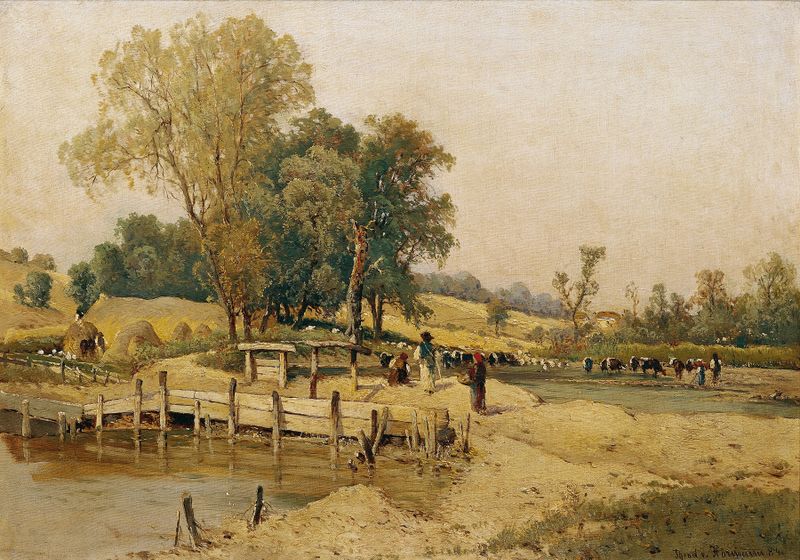
Ungarische Landschaft Mit Viehtränke
Theodor Von Hörmann
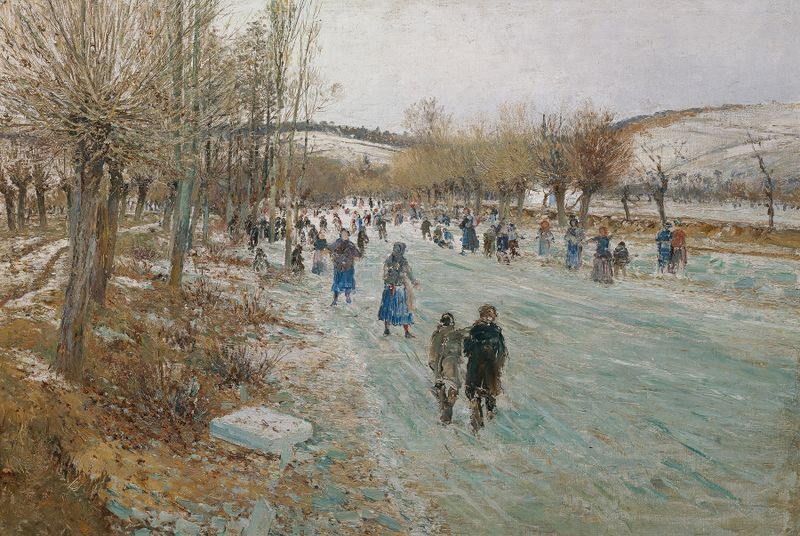
Eisläufer Auf Der Thaya Bei Lundenburg
Theodor Von Hörmann
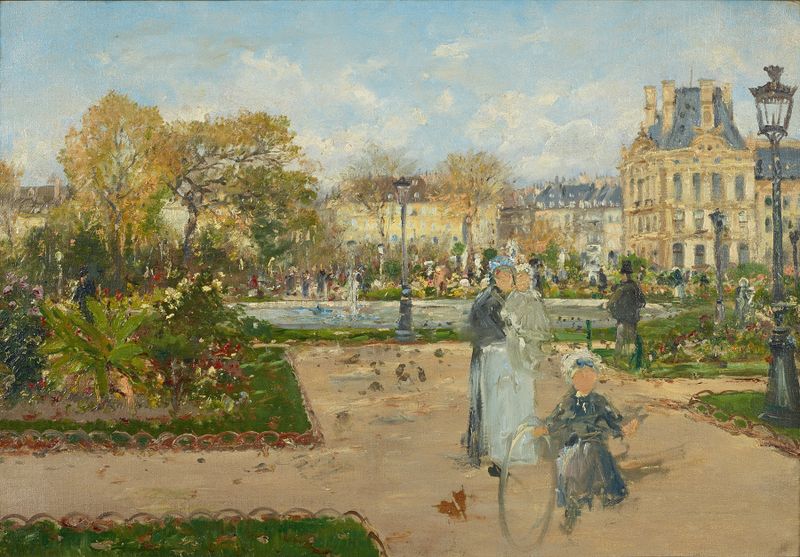
In Den Tuilerien
Theodor Von Hörmann

A Winter Day, Scene near St. Pölten
Theodor Von Hörmann

Znaim Im Schnee Ii
Theodor Von Hörmann
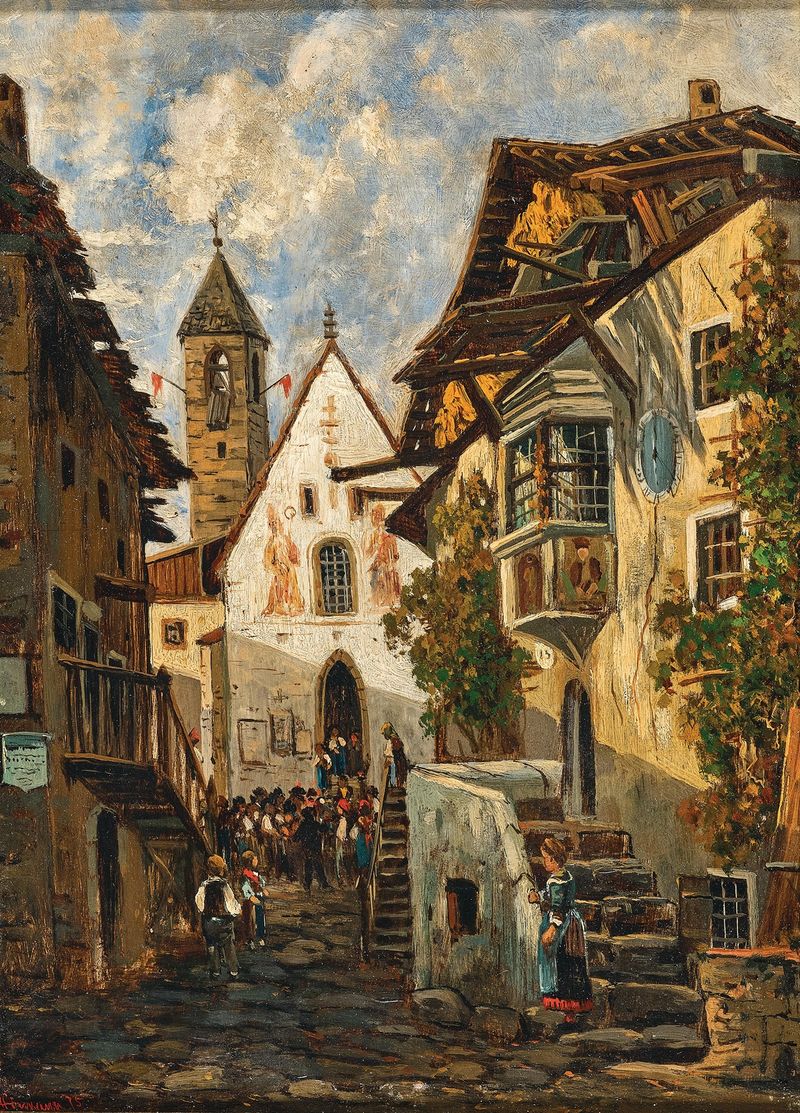
Dorfmotiv von Albeins bei Brixen, Tirol
Theodor Von Hörmann





