
Ungarische Landschaft Mit Viehtränke — History & Facts
In a world poised on the brink of revolution, the landscapes of the past often whisper of the change yet to come. How does a tranquil pastoral scene conceal the pulse of upheaval beneath its serene surface? Look to the lower right at the delicate figures of cattle gathered around the watering trough, their forms rendered with a gentle realism that invites the viewer to share the moment. Notice how the artist’s brushstrokes create a soft harmony in the warm earth tones of the landscape, while the sky above is a vibrant wash of blues and whites.
The interplay of light and shadow not only fashions the landscape's depth but also hints at the unseen tensions of a society in transition. The cows, seemingly at peace, contrast sharply with the encroaching shadows that loom in the background, suggesting a narrative of both harmony and an impending storm. Each drop of water that splashes from the trough reflects a fleeting moment of life, yet also symbolizes the vital resources at stake amidst societal change. The lush greenery stands in stark contrast to the barren edges encircling it, hinting at the fragility of tranquility in uncertain times. Theodor Von Hörmann painted Ungarische Landschaft Mit Viehtränke in 1884 during a period of significant social and political transformation in Europe.
As Austria grappled with national identity and the winds of revolution began to stir, the artist's work reflected not just a beautiful scene but also an underlying narrative of discontent and the complexities of rural life. This was a time when art strived to capture the essence of a world on the verge of change.
More Artworks by Theodor Von Hörmann
Browse all →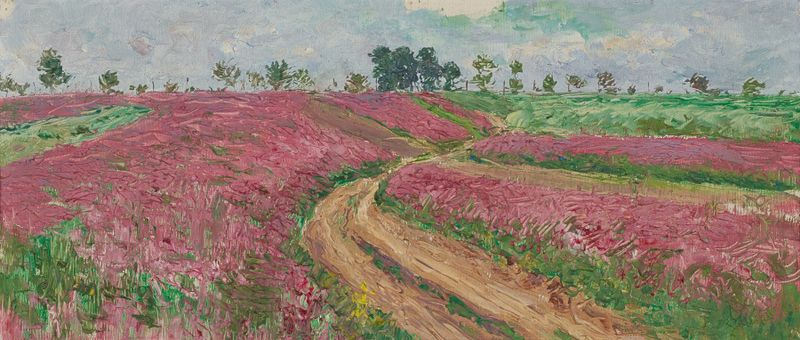
Esparsettenfeld Bei Znaim Ii
Theodor Von Hörmann

Blick Auf Paris
Theodor Von Hörmann

A Watering Place in Kis Bagh
Theodor Von Hörmann

Auf Der Ligethi Puszta
Theodor Von Hörmann
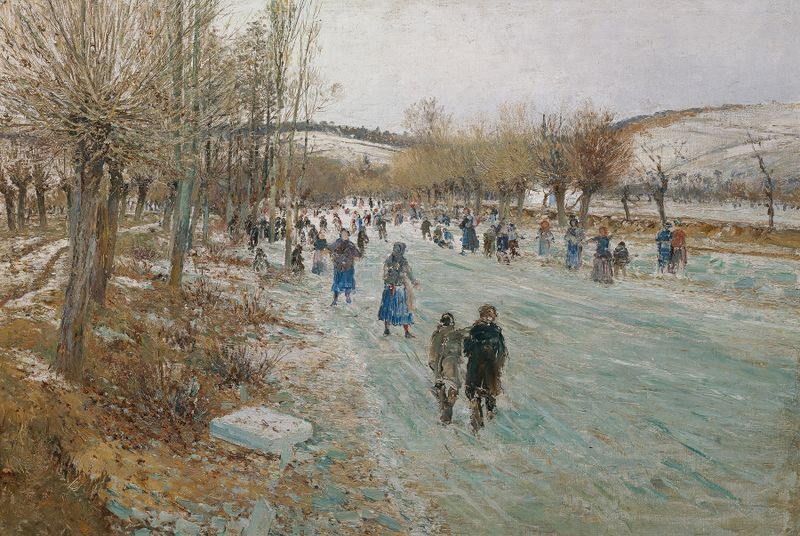
Eisläufer Auf Der Thaya Bei Lundenburg
Theodor Von Hörmann
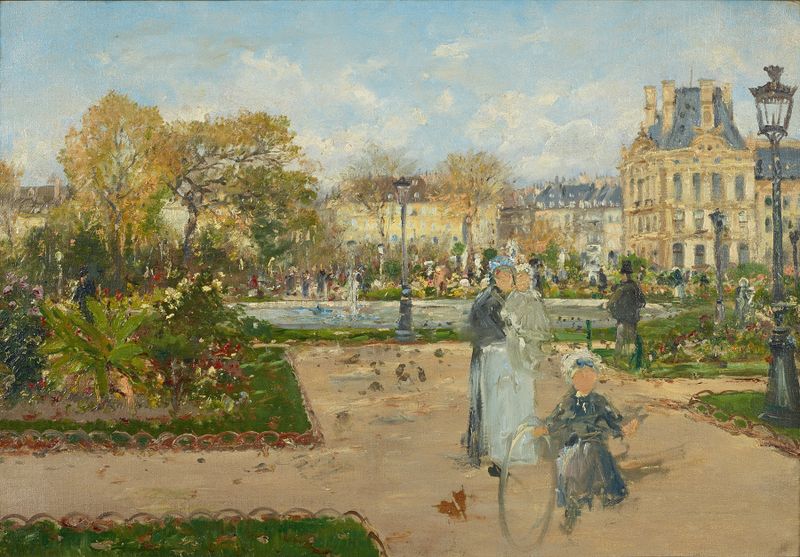
In Den Tuilerien
Theodor Von Hörmann

A Winter Day, Scene near St. Pölten
Theodor Von Hörmann

Znaim Im Schnee Ii
Theodor Von Hörmann
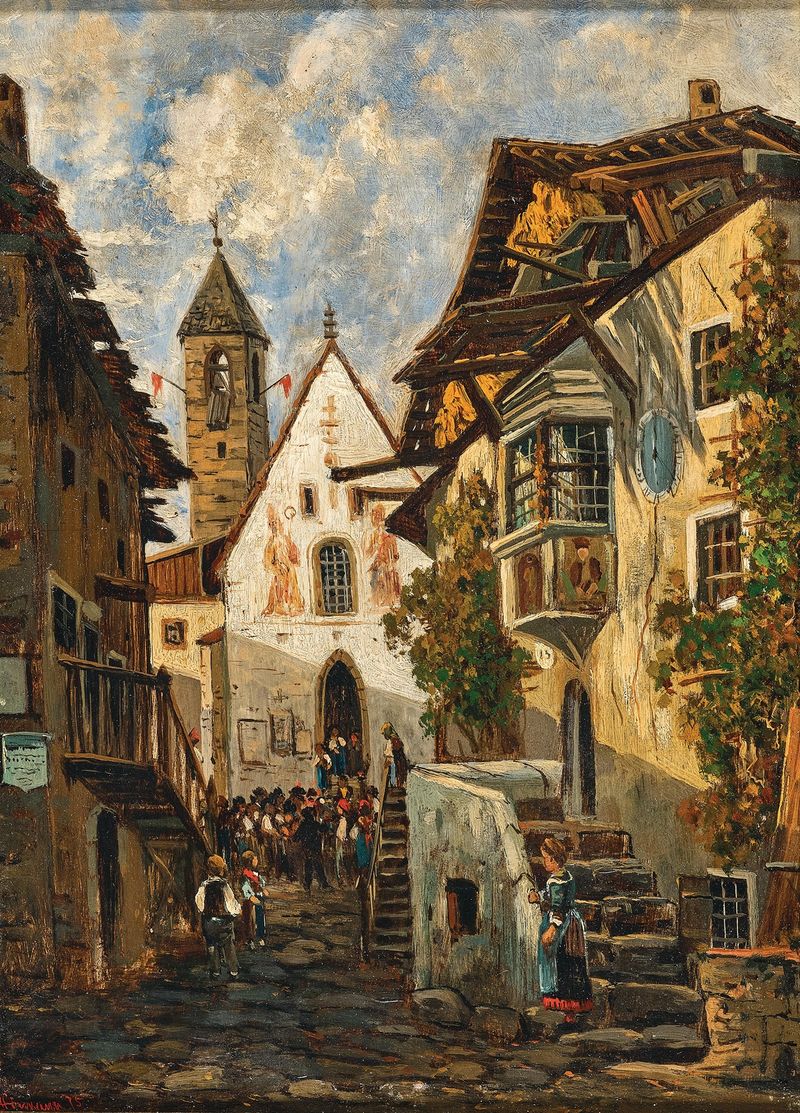
Dorfmotiv von Albeins bei Brixen, Tirol
Theodor Von Hörmann

Ungarische Landschaft
Theodor Von Hörmann





