
Blick Auf Paris — History & Facts
In Blick Auf Paris, the viewer encounters a cityscape that transcends mere representation, invoking a profound sense of faith in the beauty of life itself. Look to the left at the hazy outline of the iconic Paris skyline, where the silhouettes of grand buildings merge into a soft twilight. Notice how the artist employs a symphony of warm tones—deep oranges and soft pinks—that blend seamlessly to create an ethereal glow. The gentle strokes of paint mimic the ebb and flow of twilight, urging your eye to travel across the canvas, inviting contemplation of both the city and its atmosphere. Within this serene portrayal lies a juxtaposition between the bustling life of Paris and the tranquility of the scene.
The delicate interplay of light and shadow suggests movement, as if the city breathes, alive yet intimate. The horizon whispers of untold stories, while the subtle textures convey a sense of nostalgia, urging the viewer to reflect on their own connection to the city and its history. Each detail, from the wisps of clouds to the glimmer reflecting off the Seine, serves as a reminder of faith—faith in the enduring spirit of a place that has inspired countless souls. In 1890, Theodor Von Hörmann painted this piece during a period of resurgence in Parisian culture and art, where the city's essence was captured through Impressionism.
Living in a time marked by industrial change and artistic exploration, he sought to express the city's romance and vitality, creating a visual symphony that resonates with anyone who has walked its streets.
More Artworks by Theodor Von Hörmann
Browse all →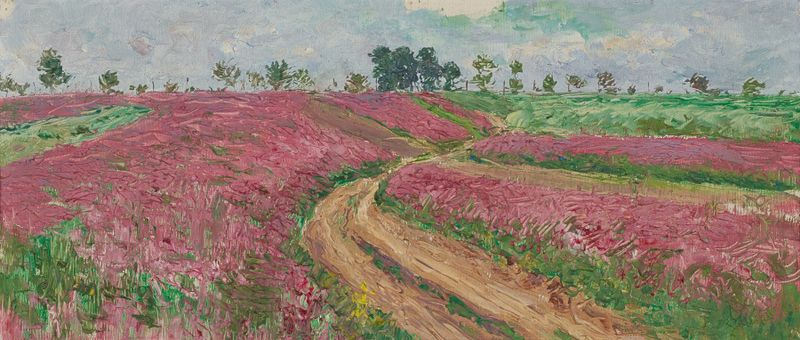
Esparsettenfeld Bei Znaim Ii
Theodor Von Hörmann

A Watering Place in Kis Bagh
Theodor Von Hörmann

Auf Der Ligethi Puszta
Theodor Von Hörmann
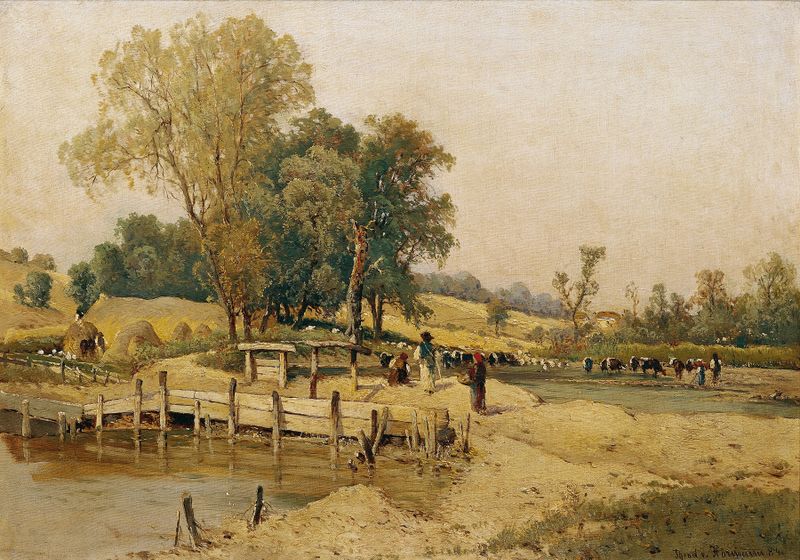
Ungarische Landschaft Mit Viehtränke
Theodor Von Hörmann
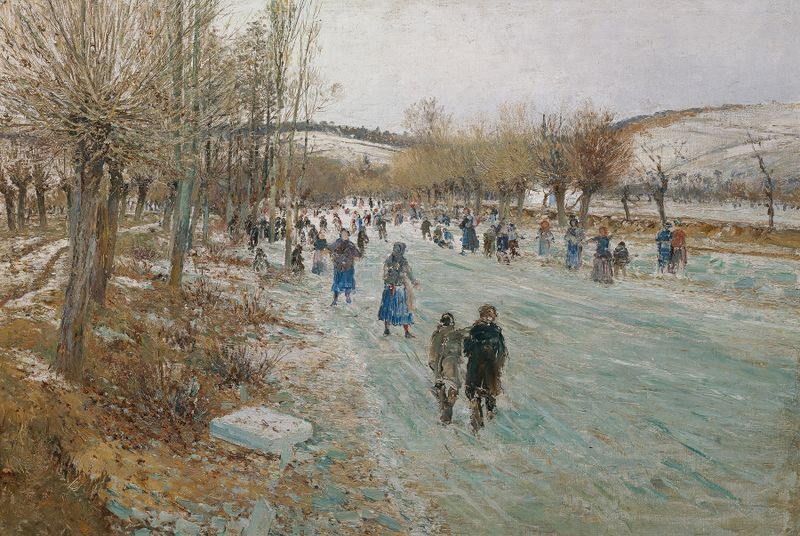
Eisläufer Auf Der Thaya Bei Lundenburg
Theodor Von Hörmann
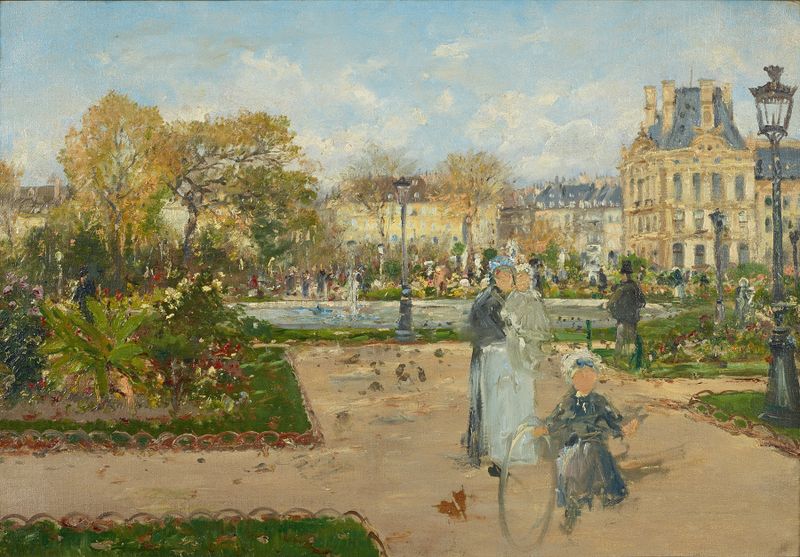
In Den Tuilerien
Theodor Von Hörmann

A Winter Day, Scene near St. Pölten
Theodor Von Hörmann

Znaim Im Schnee Ii
Theodor Von Hörmann
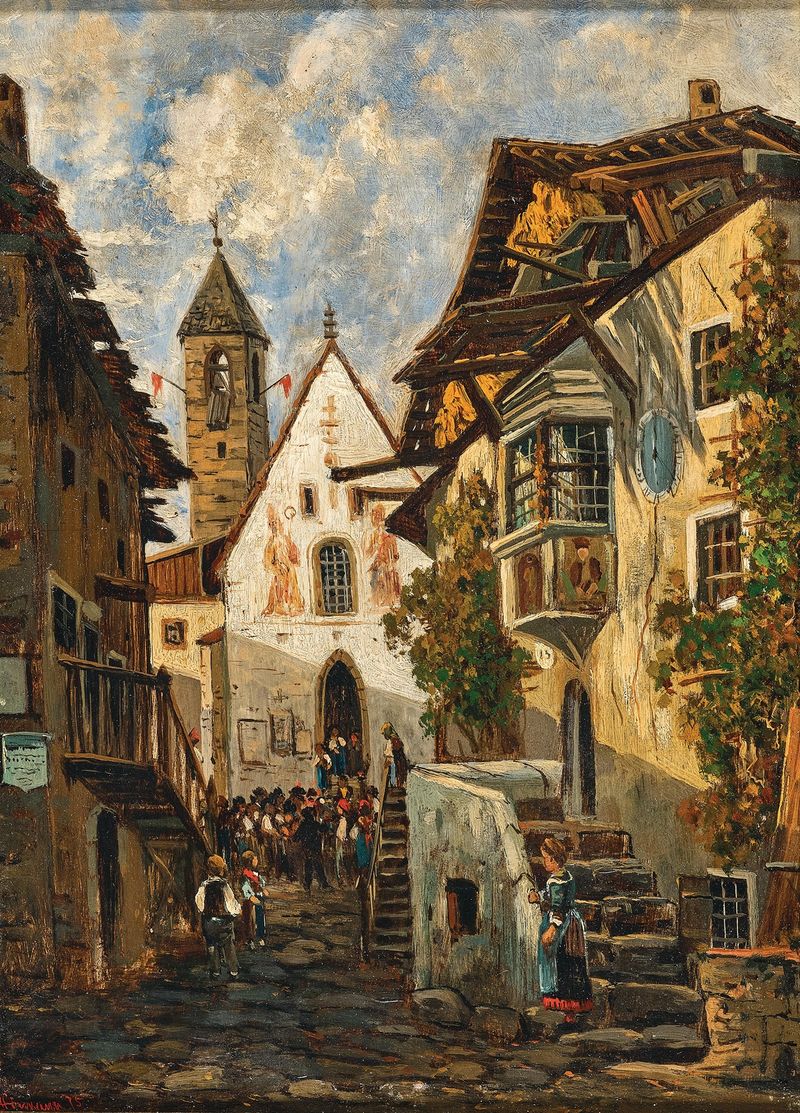
Dorfmotiv von Albeins bei Brixen, Tirol
Theodor Von Hörmann

Ungarische Landschaft
Theodor Von Hörmann





