
A Waterfall — History & Facts
What if silence could speak through light? The absence of sound transforms the cascade of water into a symphony of color, where ambiguity swirls amidst the splendor of nature. Focus on the waterfall at the center of the canvas, its ethereal form captured with dynamic strokes that evoke both motion and tranquility. Look closely at the interplay between deep blues and luminous whites, each brushstroke seemingly alive with energy. Notice how the light refracts through the mist, creating a delicate glow that hints at the emptiness beyond the rushing water, emphasizing the contrast between abundance and void. In the foreground, jagged rocks frame the scene, their dark hues grounding the luminous waterfall in reality.
This tension between the vibrant water and the starkness of the land suggests a deeper emotional narrative, perhaps one of isolation amidst nature’s splendor. The tumultuous water, both captivating and intimidating, evokes a sense of awe that parallels the viewer’s contemplation of life's ephemeral beauty and the void that lies beneath it. During the years of 1795-1796, the artist was living in London, grappling with the shifting tides of Romanticism. Turner sought to transcend traditional landscape painting, striving instead to evoke profound emotional responses.
This period marked a transition in his work, as he began to explore the interplay of light and atmosphere, setting the groundwork for his later masterpieces that would define the genre.
More Artworks by Joseph Mallord William Turner
Browse all →
Dort or Dordrecht- The Dort Packet-Boat from Rotterdam Becalmed
Joseph Mallord William Turner
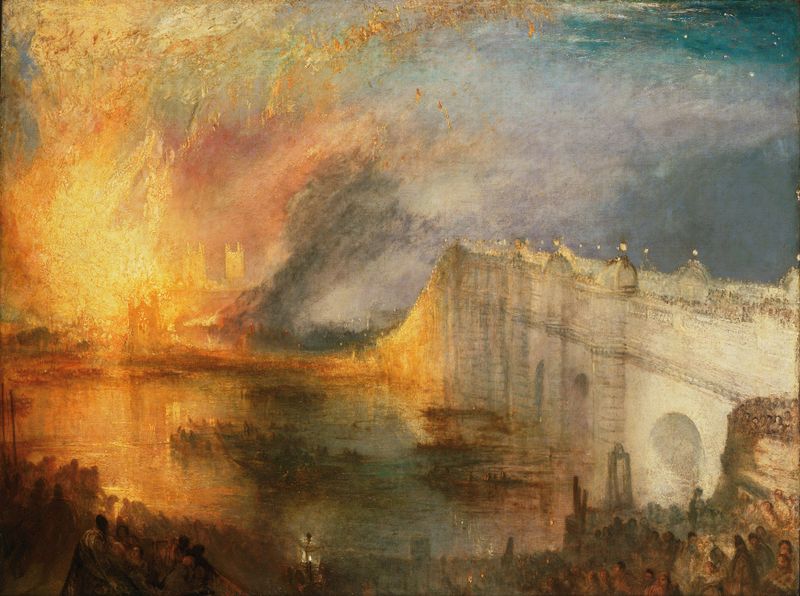
The Burning of the Houses of Lords and Commons, October 16, 1834
Joseph Mallord William Turner
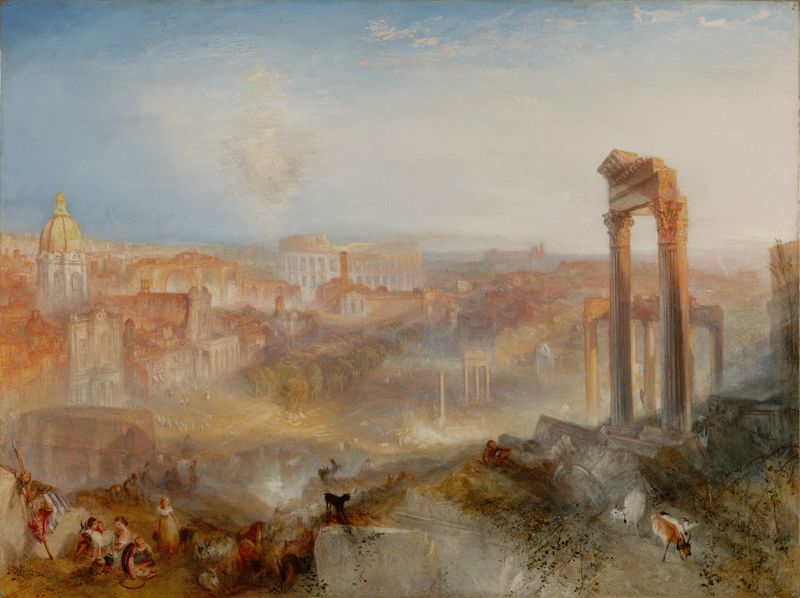
Modern Rome – Campo Vaccino
Joseph Mallord William Turner
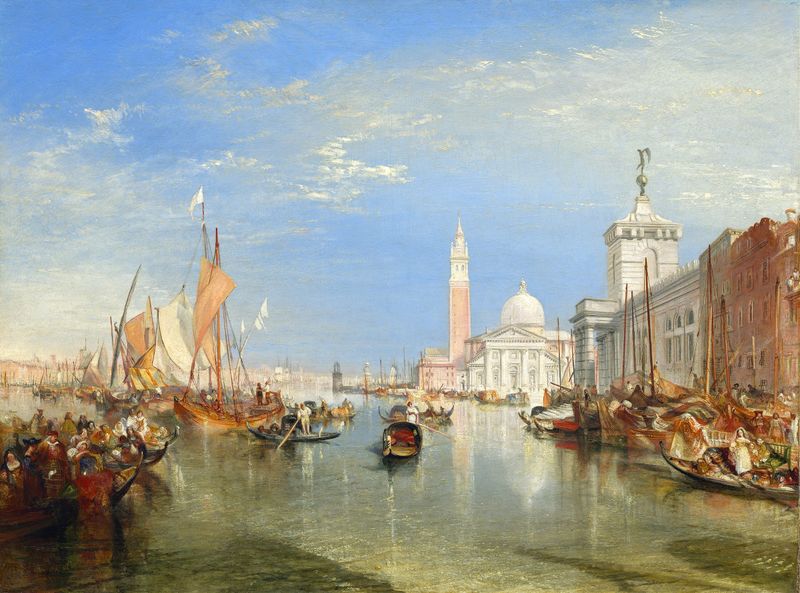
Venice – The Dogana and San Giorgio Maggiore
Joseph Mallord William Turner

The Burning of the Houses of Lords and Commons, 16 October 1834
Joseph Mallord William Turner
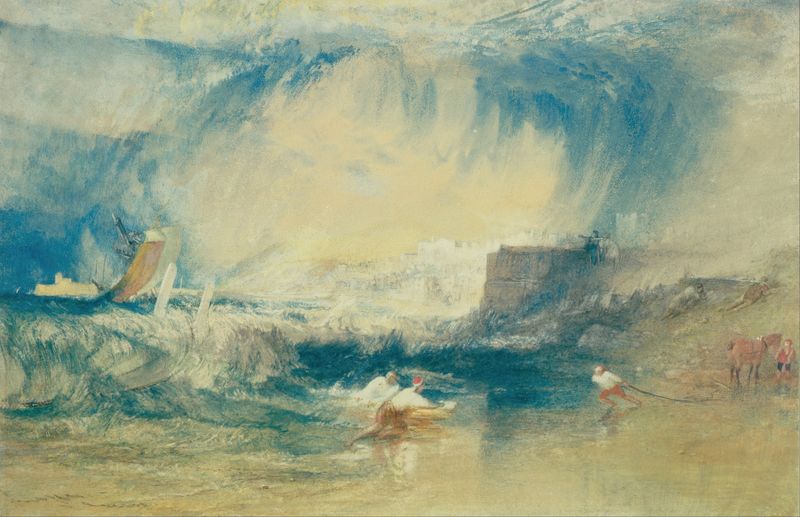
Lyme Regis, Dorsetshire, England
Joseph Mallord William Turner
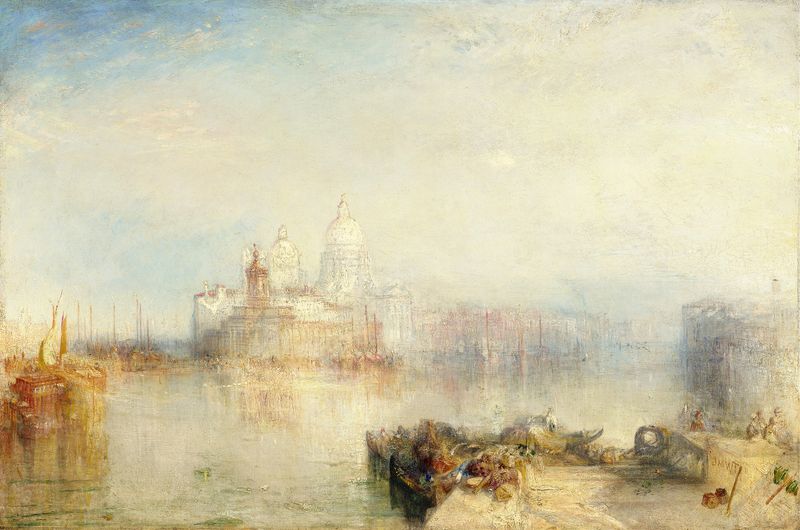
The Dogana and Santa Maria della Salute, Venice
Joseph Mallord William Turner
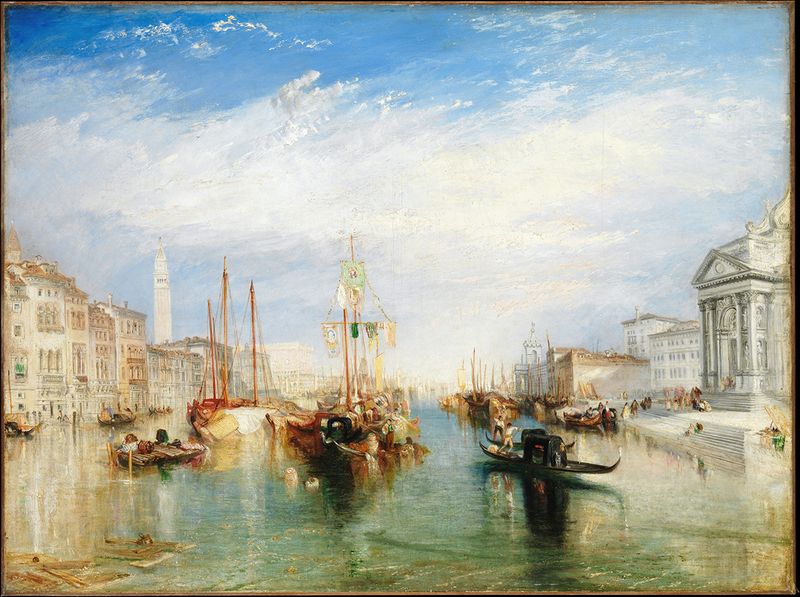
Venice, from the Porch of Madonna della Salute
Joseph Mallord William Turner
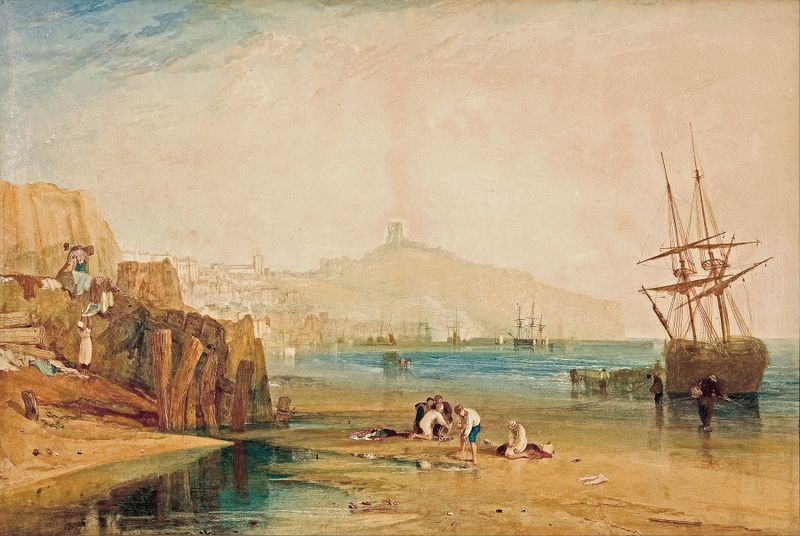
Scarborough town and castle; morning; boys catching crabs
Joseph Mallord William Turner
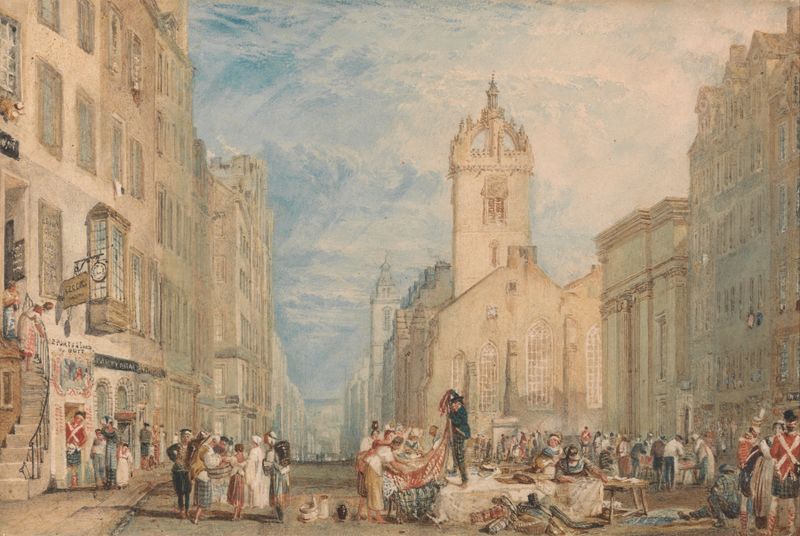
High Street, Edinburgh
Joseph Mallord William Turner





