
A Widower Witnesses His Wife’s Ghost Nursing Their Child — History & Facts
In A Widower Witnesses His Wife’s Ghost Nursing Their Child, the scene is filled with a haunting atmosphere. The colors are muted, with soft blues and grays dominating the background. The figures are delicately rendered, capturing the ethereal quality of the ghostly wife.
The setting suggests a quiet domestic space, evoking feelings of nostalgia and loss. This artwork is a woodblock print, a traditional Japanese technique that allows for intricate details and vibrant colors. The composition is balanced, with the ghostly figure positioned prominently, drawing the viewer's eye. The use of line work is precise, enhancing the emotional weight of the scene.
The print exemplifies Yoshitoshi's skill in merging traditional techniques with poignant narratives. Tsukioka Yoshitoshi was a prominent figure in the Ukiyo-e movement, known for his dramatic and often emotional works. This piece reflects his interest in themes of love and loss, common in his later prints. Interestingly, Yoshitoshi often drew inspiration from folklore and ghost stories, making this work a representation of his fascination with the supernatural.
It serves as a poignant reminder of the bonds between life and death.
More Artworks by Tsukioka Yoshitoshi

Frost fills the air and the autumn air is still/lines of returning geese cross the moon in the third hour-Kenshin, from the series Twelve Aspects of the Moon
Tsukioka Yoshitoshi
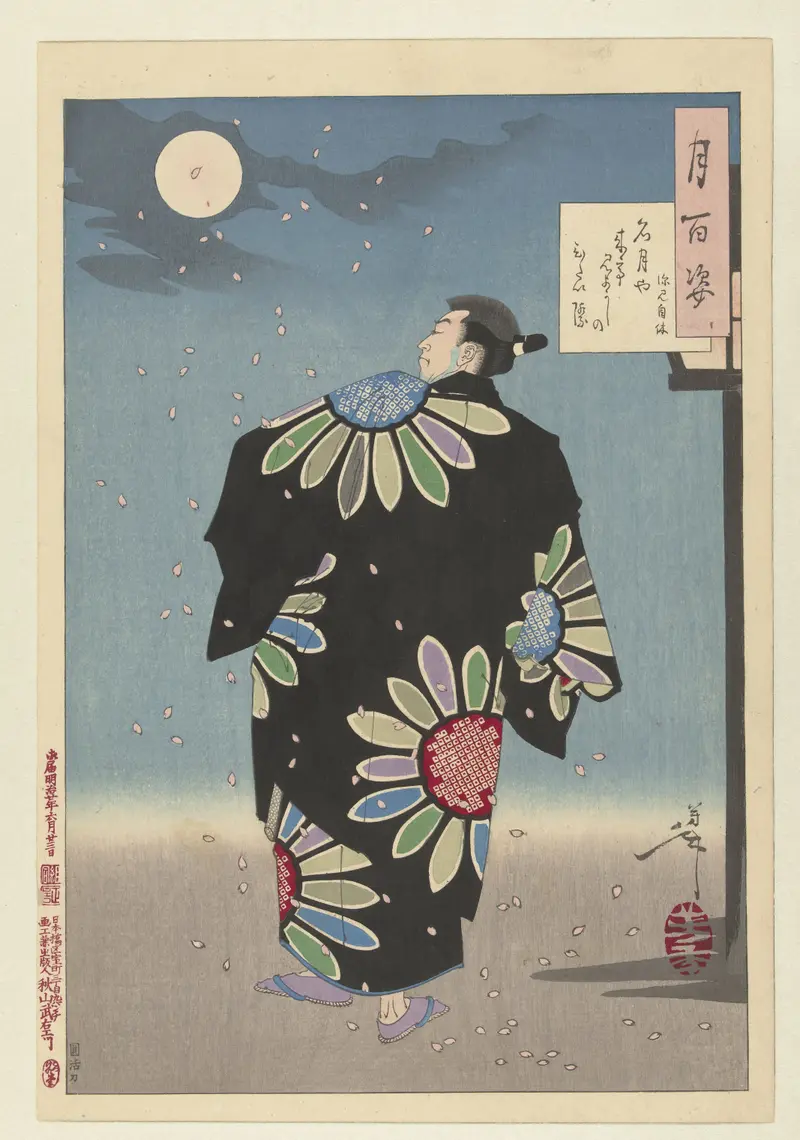
Fukami Jikyu in maanlicht
Tsukioka Yoshitoshi
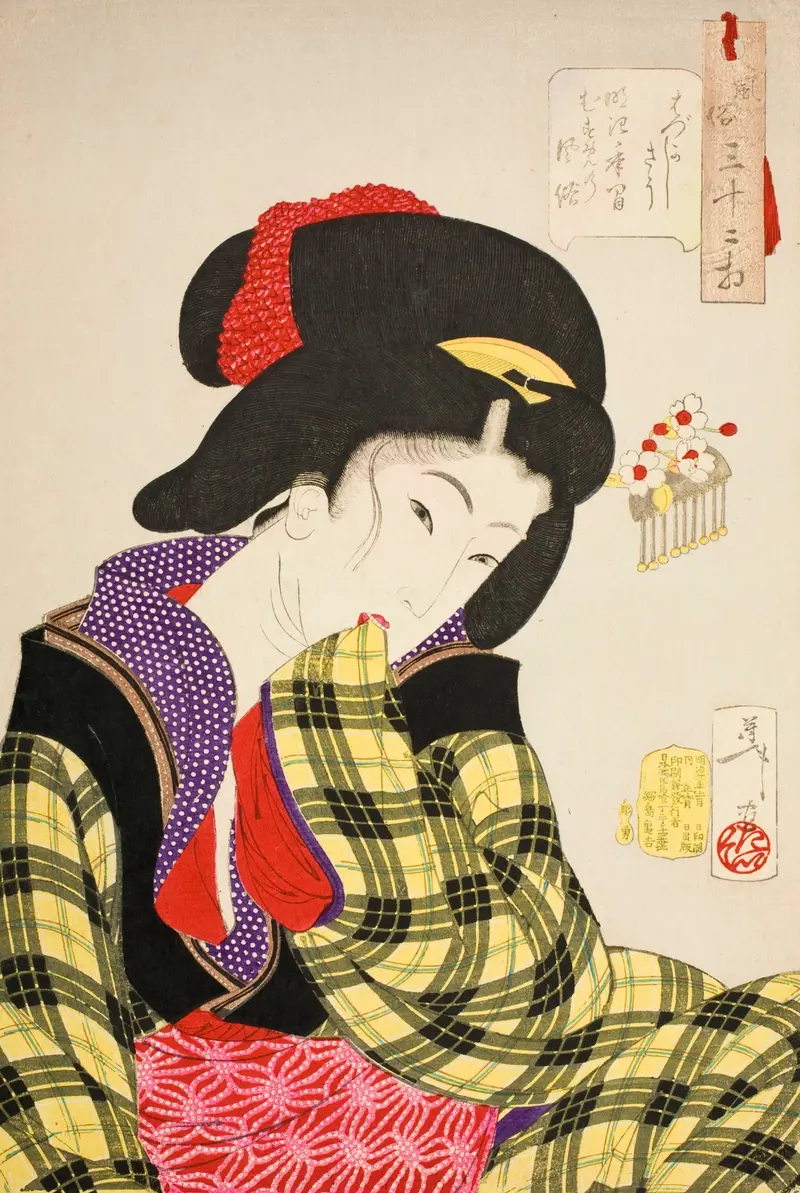
Looking Shy; The Manners of a Young Girl of the Meiji Era
Tsukioka Yoshitoshi
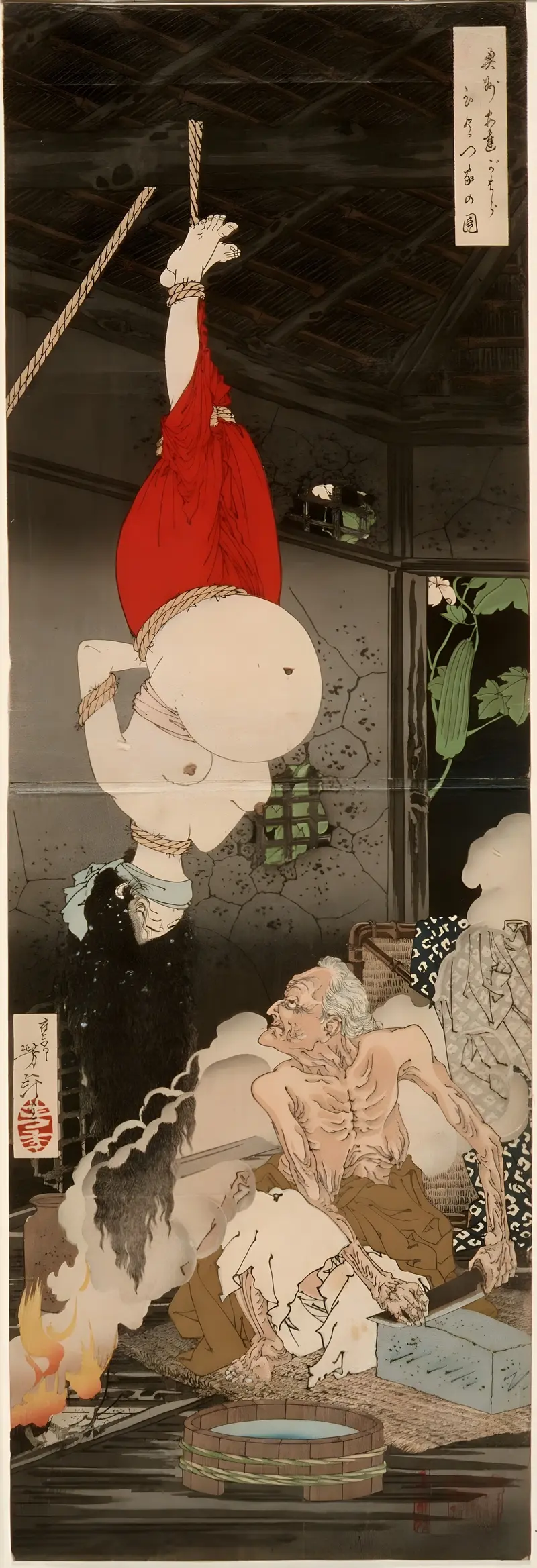
The Lonely House on Adachi Moor in Northern Japan
Tsukioka Yoshitoshi
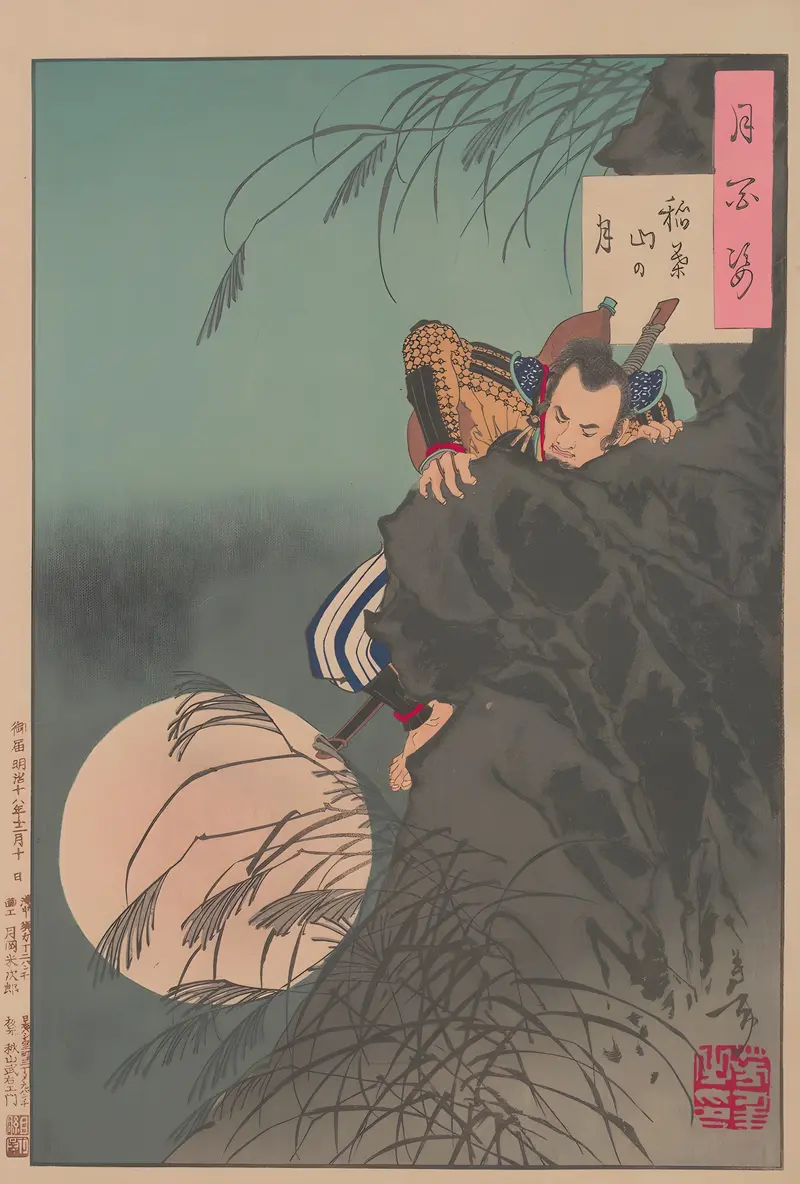
Inaba Mountain moon (Inabayama no tsuki)
Tsukioka Yoshitoshi
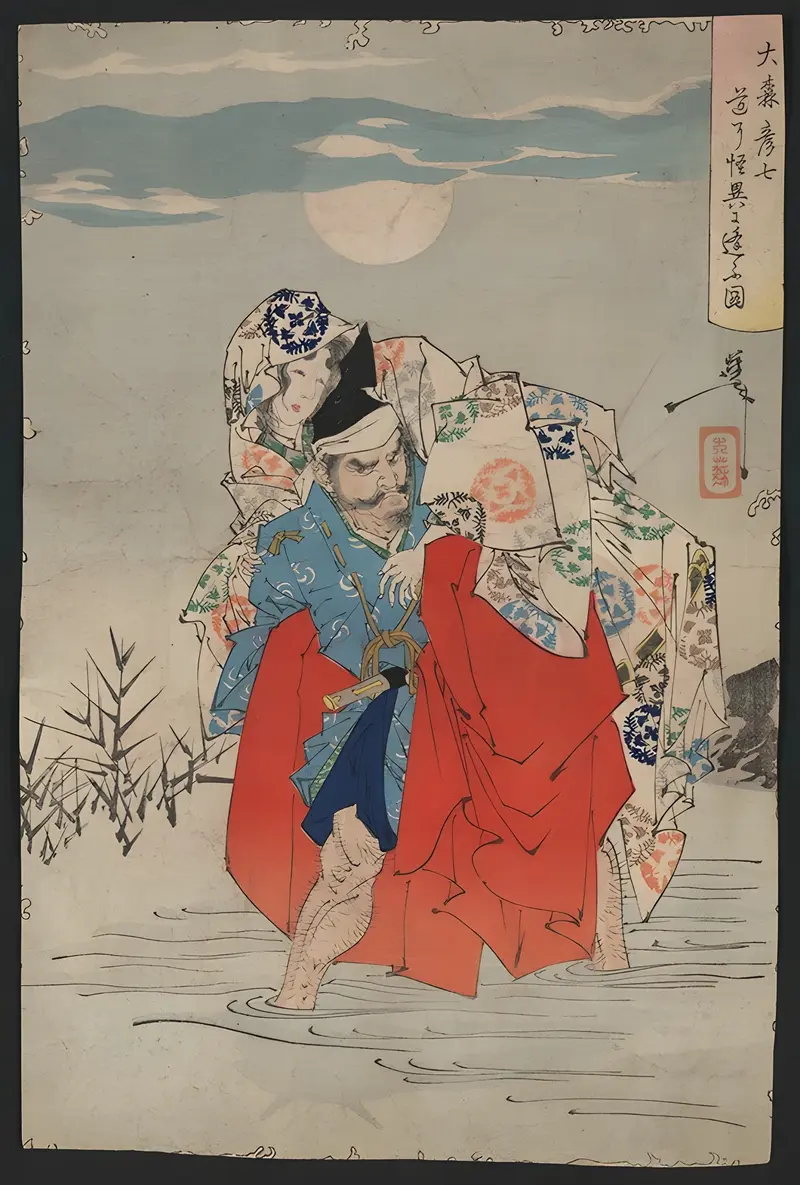
Omori Hikoshichi
Tsukioka Yoshitoshi
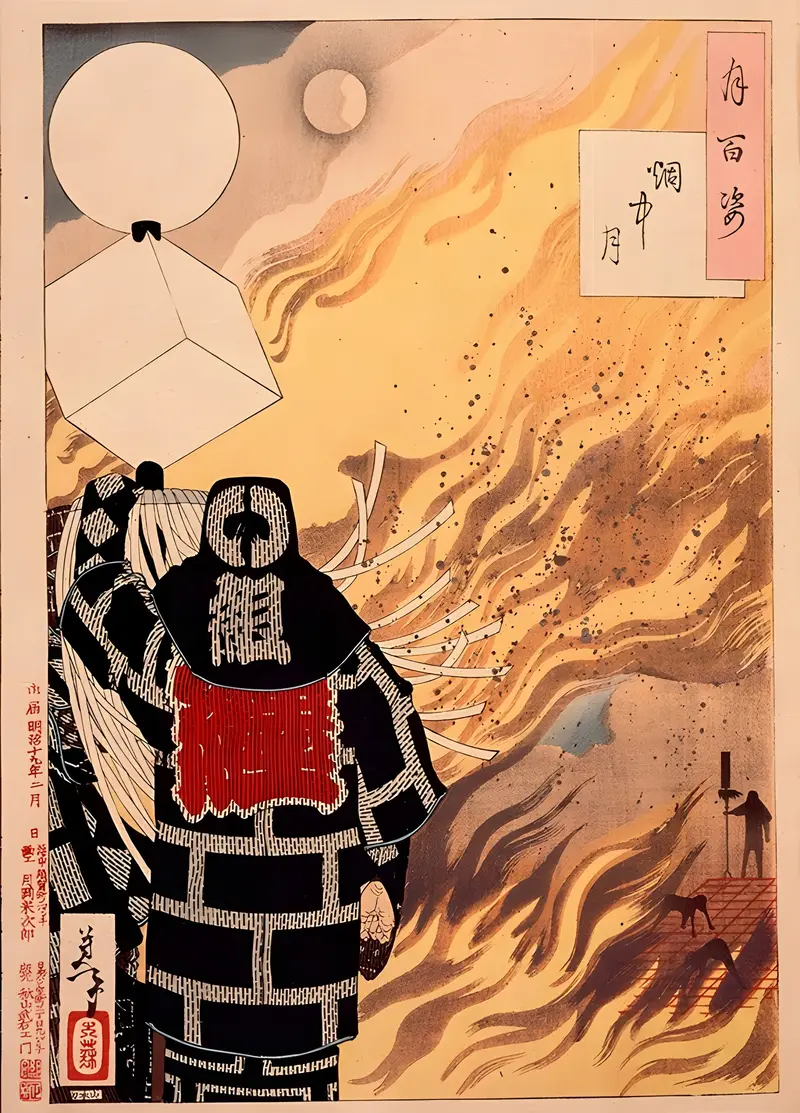
One Hundred Aspects of the Moon
Tsukioka Yoshitoshi
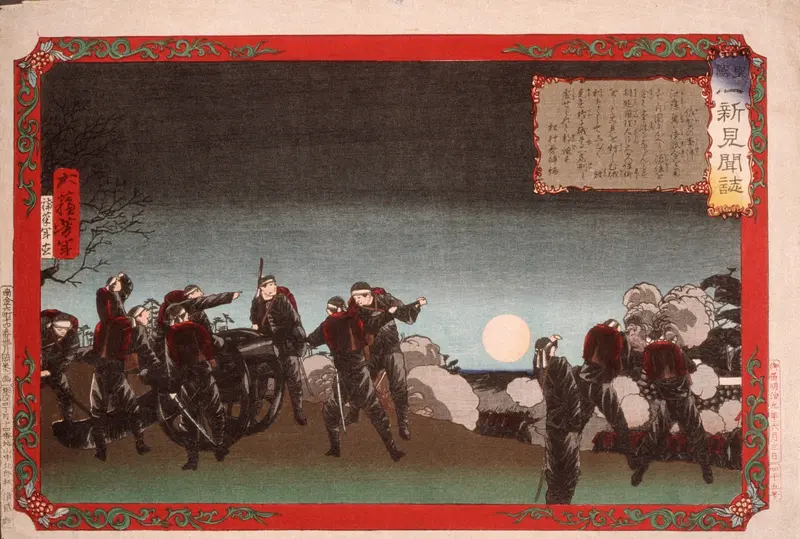
The Saga Incident
Tsukioka Yoshitoshi
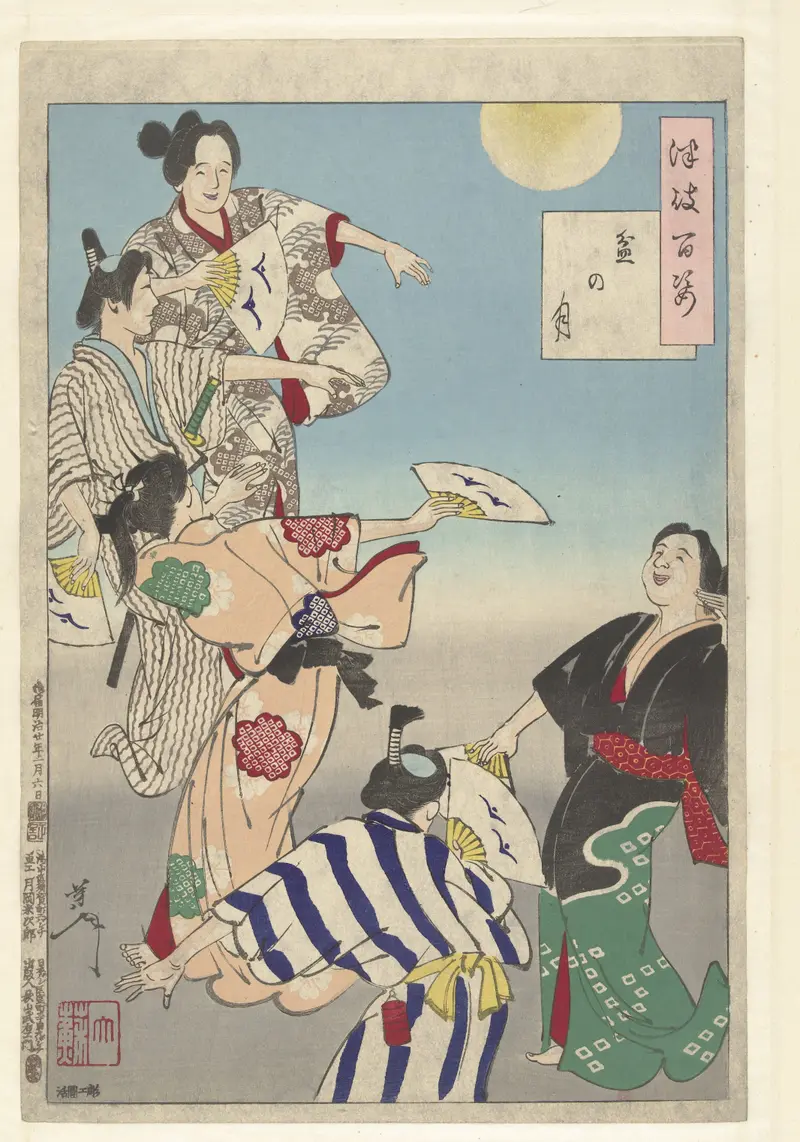
Bon Festival Moon (Bon no tsuki)
Tsukioka Yoshitoshi
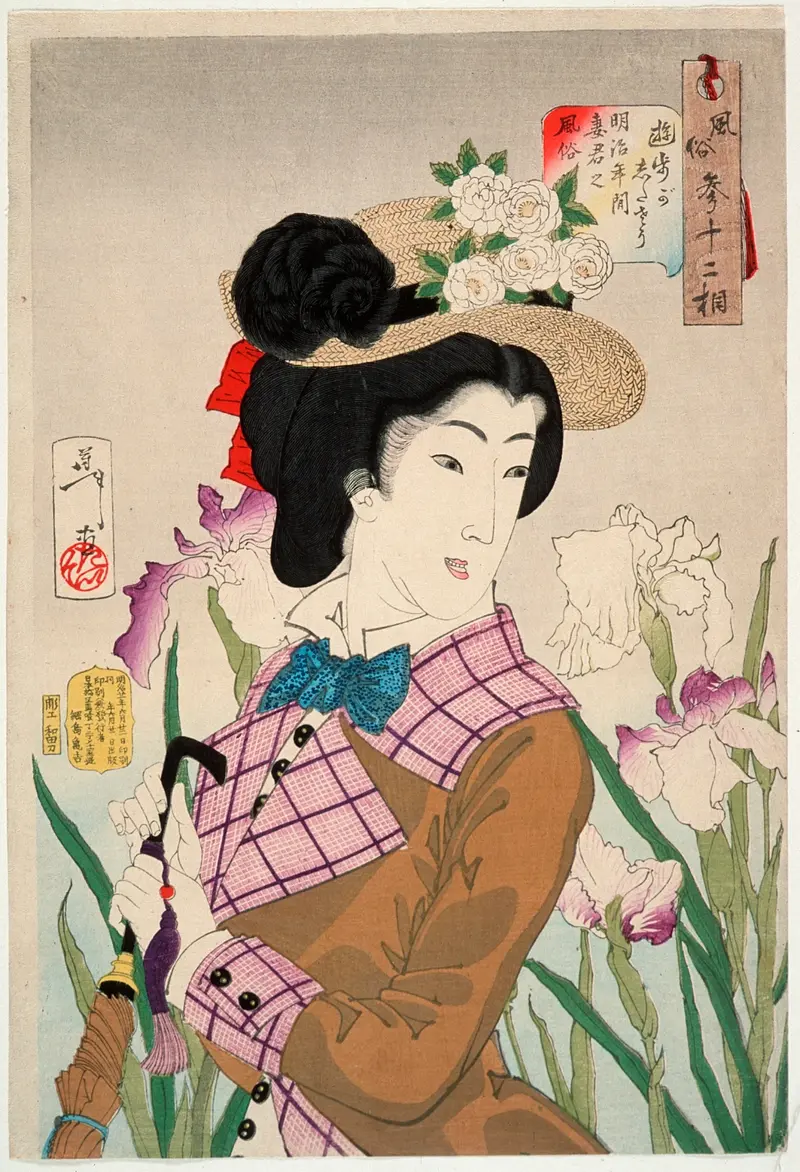
Preparing to Take a Stroll; The Wife of a Nobleman of the Meiji Period
Tsukioka Yoshitoshi



