
A Yorkshire River — History & Facts
In the fleeting embrace of time, moments captured by an artist resonate, echoing beyond their canvas. Look to the center of the composition, where the river glides gracefully, a silver ribbon reflecting the soft palette of blues and greens. Notice how the hazy light dances on the water’s surface, creating a shimmering effect that draws you deeper into the scene. The gentle strokes evoke the fluidity of the river, contrasting with the solidity of the trees that frame the banks, their dark greens grounding the ethereal atmosphere.
The interplay of light and shadow hints at a change, a transition in both landscape and time. As you explore the foreground, the delicate brushwork reveals the vibrant underbrush, symbolizing the vibrancy of life along the waterway. Meanwhile, the distant hills, shrouded in mist, evoke a sense of mystery and the passage of time, suggesting that the natural world exists outside the human experience. This tension between the tranquil river and the ominous clouds above hints at a fleeting moment of beauty, underscoring the inevitability of change and the relentless march of time. Joseph Mallord William Turner painted this work around 1827, during a period of profound exploration in landscape art.
Living in England amidst the Industrial Revolution, he sought to capture the sublime power of nature while reflecting on the profound impacts of modernization. This era marked a significant shift in artistic expression, as Turner moved toward a more emotive and atmospheric style, laying the groundwork for future innovations in impressionism.
More Artworks by Joseph Mallord William Turner
Browse all →
Dort or Dordrecht- The Dort Packet-Boat from Rotterdam Becalmed
Joseph Mallord William Turner
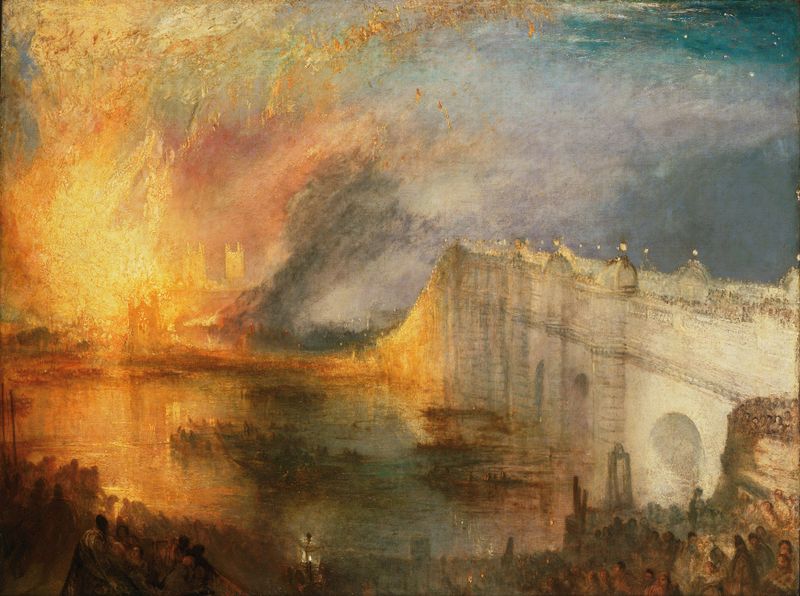
The Burning of the Houses of Lords and Commons, October 16, 1834
Joseph Mallord William Turner
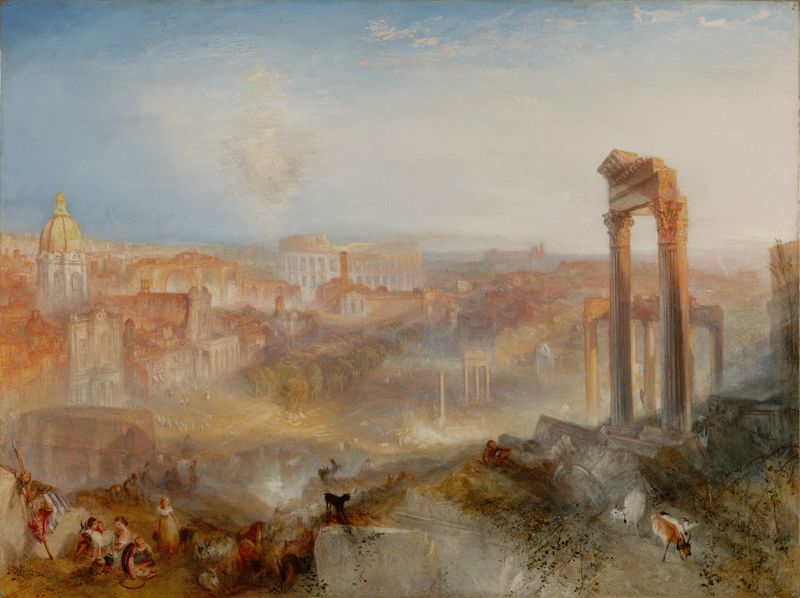
Modern Rome – Campo Vaccino
Joseph Mallord William Turner
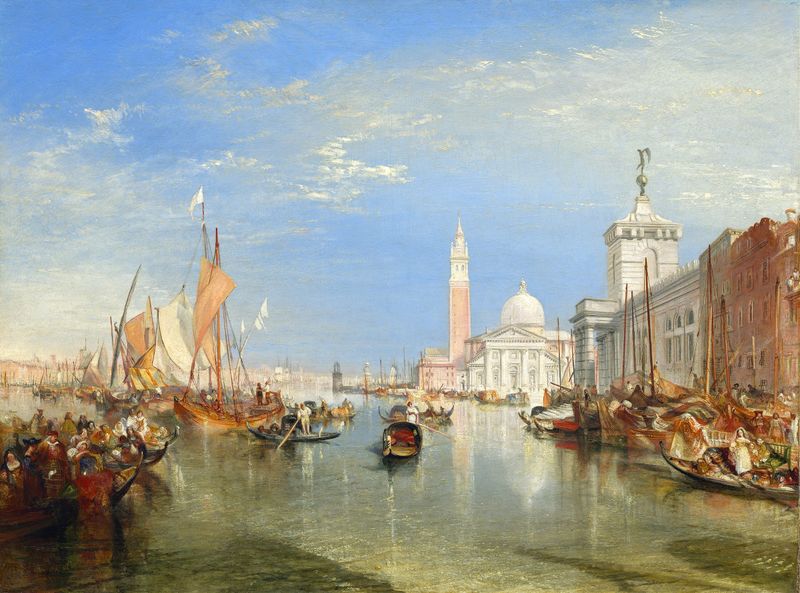
Venice – The Dogana and San Giorgio Maggiore
Joseph Mallord William Turner

The Burning of the Houses of Lords and Commons, 16 October 1834
Joseph Mallord William Turner
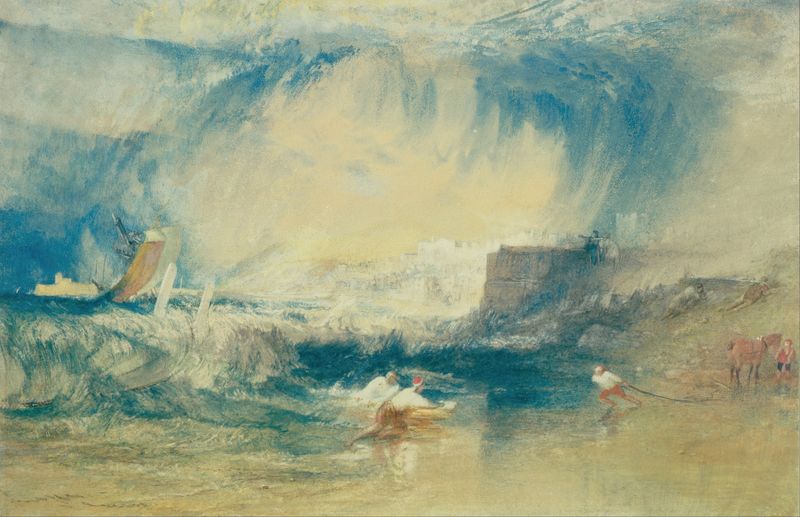
Lyme Regis, Dorsetshire, England
Joseph Mallord William Turner
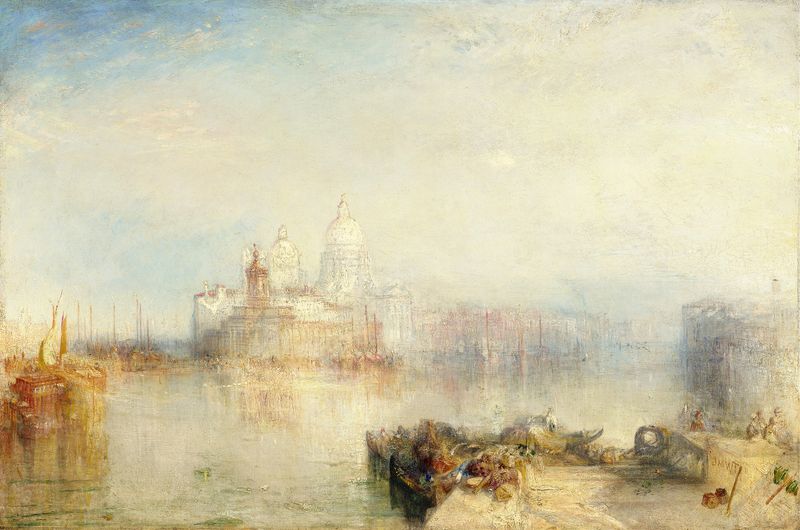
The Dogana and Santa Maria della Salute, Venice
Joseph Mallord William Turner
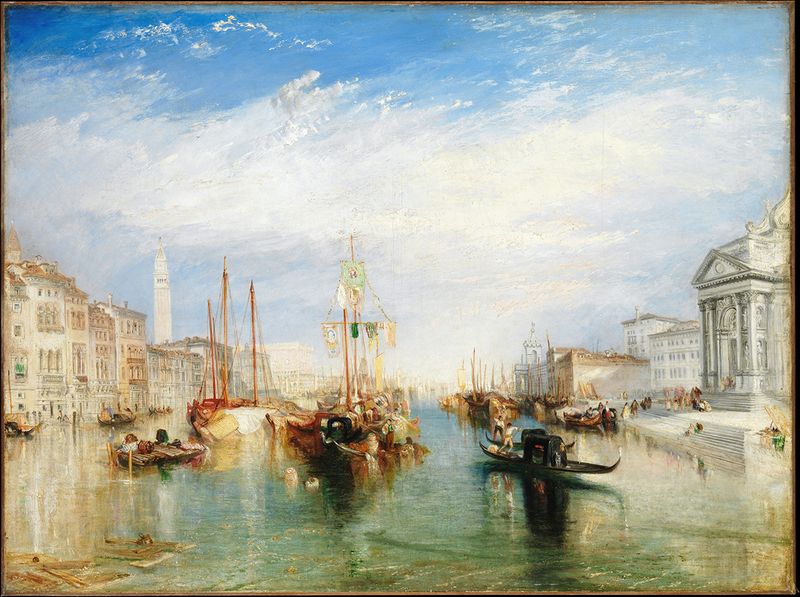
Venice, from the Porch of Madonna della Salute
Joseph Mallord William Turner
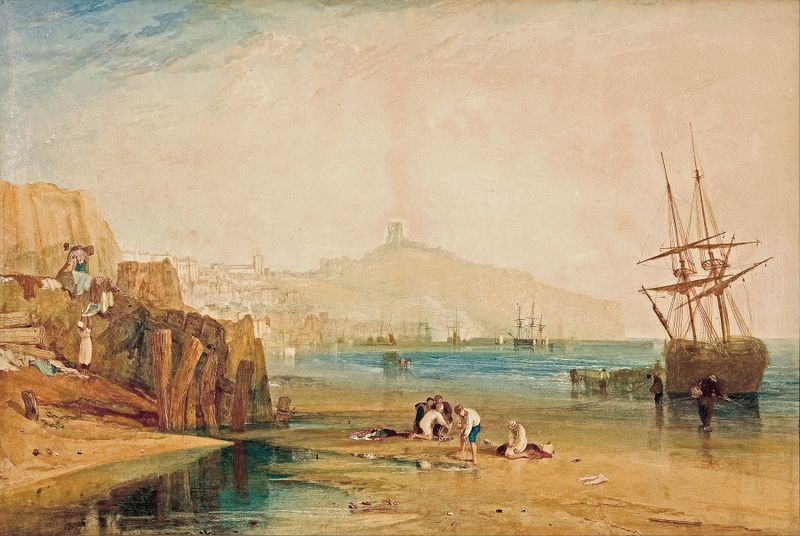
Scarborough town and castle; morning; boys catching crabs
Joseph Mallord William Turner
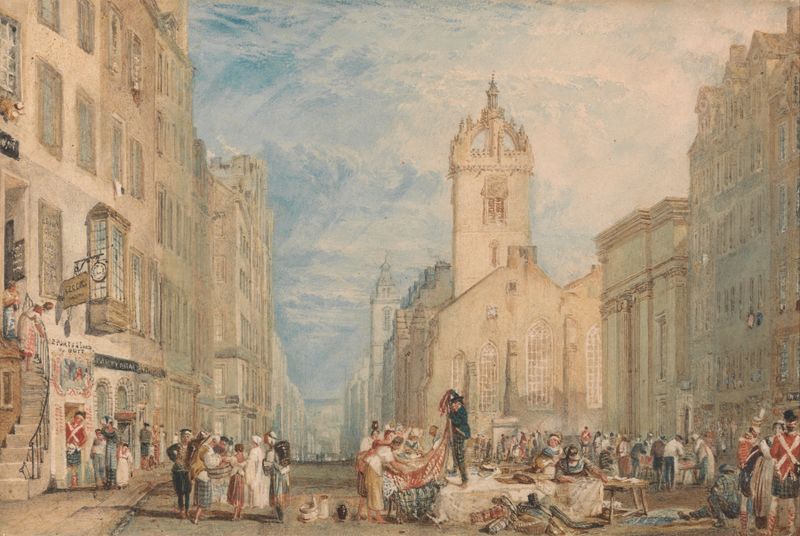
High Street, Edinburgh
Joseph Mallord William Turner





