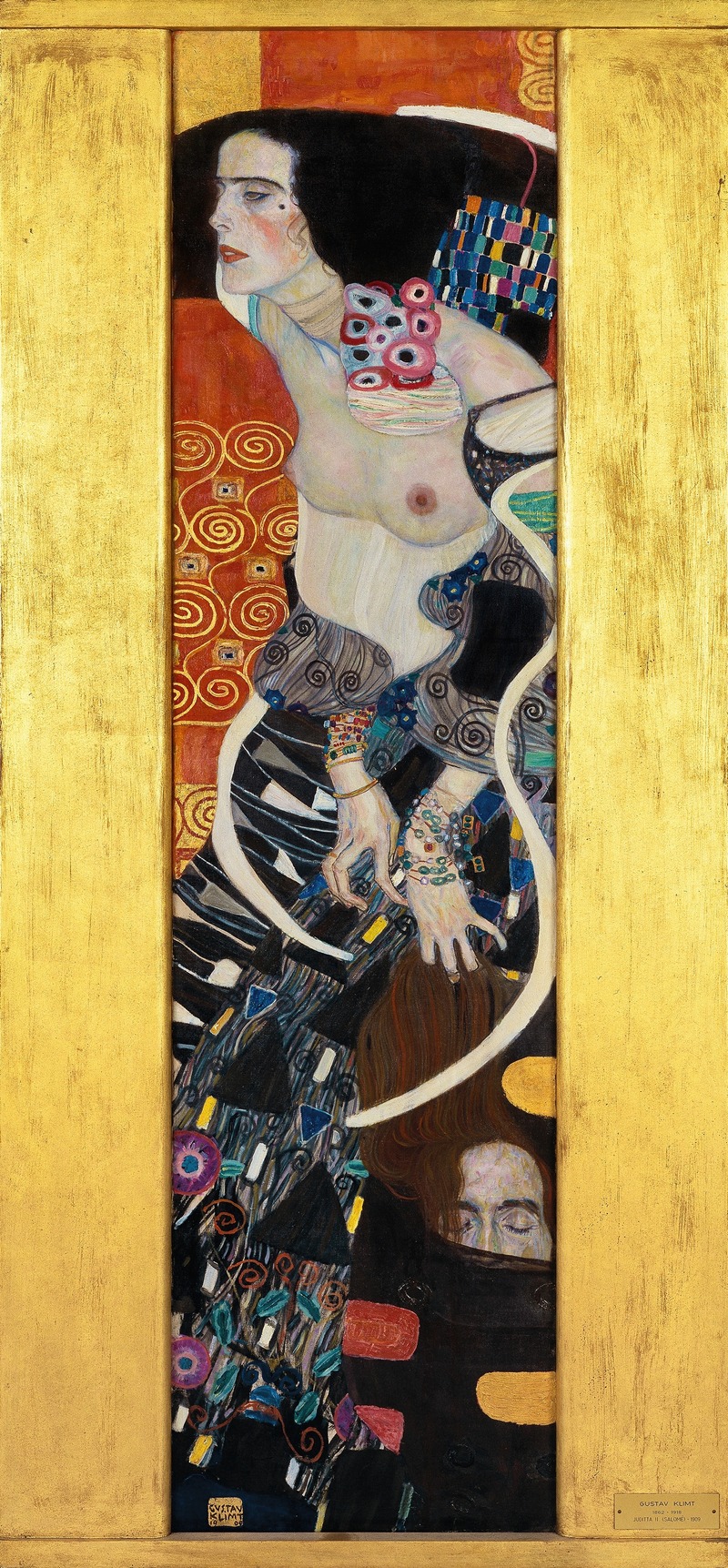
Discover insights about this artwork
A young woman dancing, her arms raised, a bull in the background — History & Facts
A young woman dancing, her arms raised, a bull in the background captures a lively scene filled with motion. The young woman is dressed in a flowing dress, her arms lifted joyfully as if caught in the moment of dance. Behind her, a bull stands, adding a sense of drama and energy to the composition.
The colors are vibrant, with warm tones that enhance the festive atmosphere of the painting. Notice the details in the woman's dress, which flows elegantly as she dances, suggesting movement and grace. The bull in the background is painted with strong lines, contrasting with the softness of the woman's form. The background may include hints of a lively environment, suggesting a celebration or festival.
The way Goya captures the dynamic between the woman and the bull invites viewers to feel the excitement of the scene. Francisco de Goya was a Spanish artist known for his ability to blend realism with emotional depth, often reflecting the social issues of his time. He painted this work during the late 18th century, a period when Spain was experiencing significant changes. Goya is often considered a precursor to modern art due to his innovative techniques and themes.
One interesting fact is that he became the official court painter for the Spanish crown, which allowed him to gain access to various aspects of Spanish society.
More Artworks by Francisco de Goya
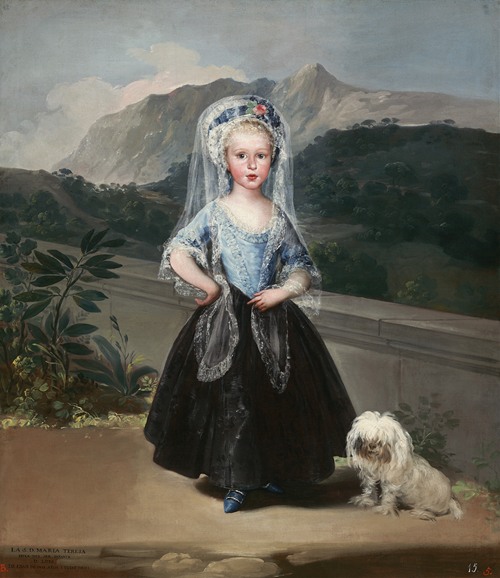
María Teresa de Borbón y Vallabriga,later Condesa de Chinchón
Francisco de Goya
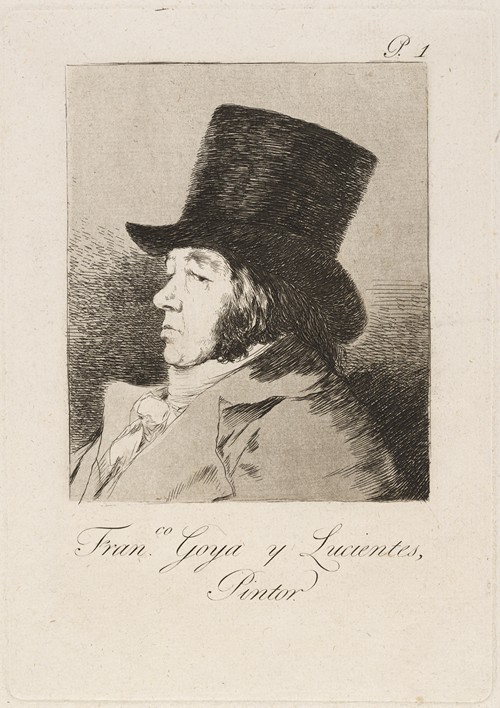
Francisco Goya y Lucientes, Pintor (Francisco Goya y Lucientes, painter)
Francisco de Goya
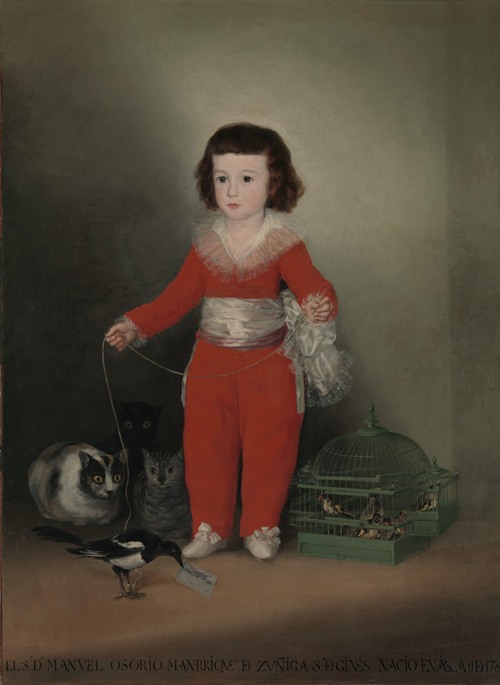
Manuel Osorio Manrique de Zuñiga (1784–1792)
Francisco de Goya
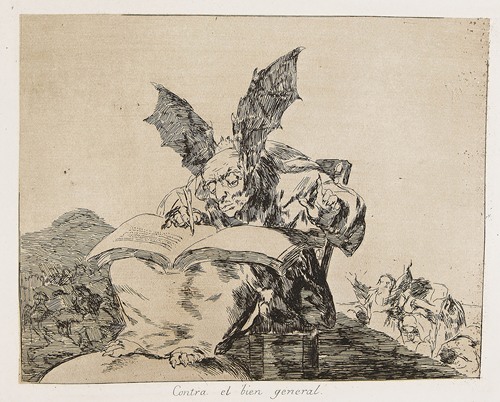
Los desastres de la guerra
Francisco de Goya
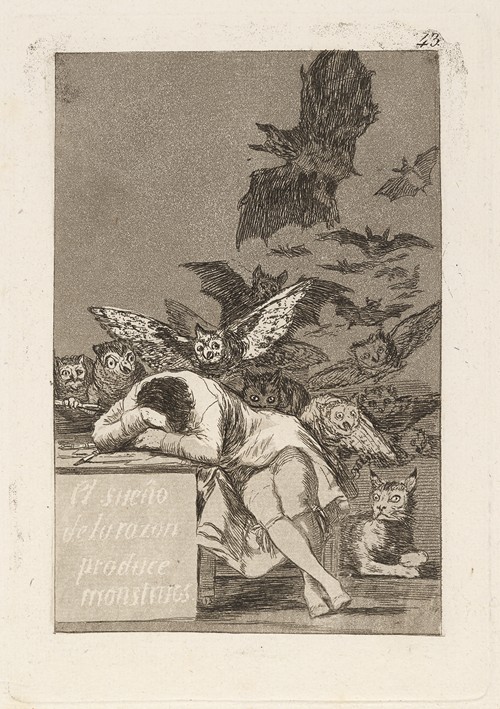
El sueño de la razon produce monstruos. (The sleep of reason produces monsters.)
Francisco de Goya
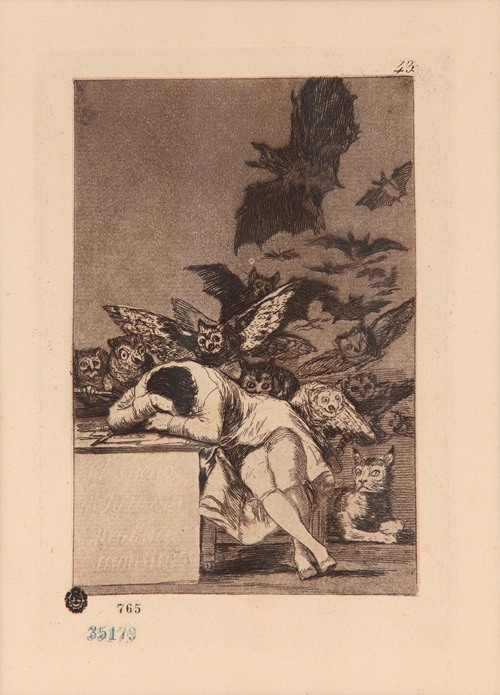
El sueño de la razon produce moustruos (Serie Caprichos)
Francisco de Goya
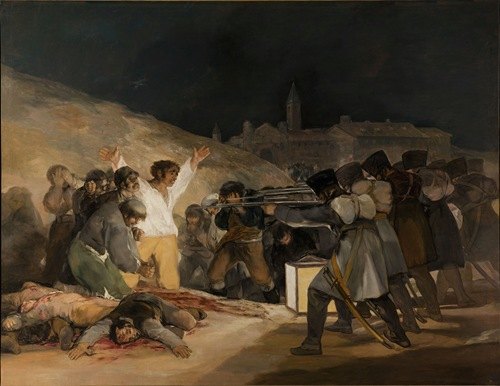
The Third of May
Francisco de Goya
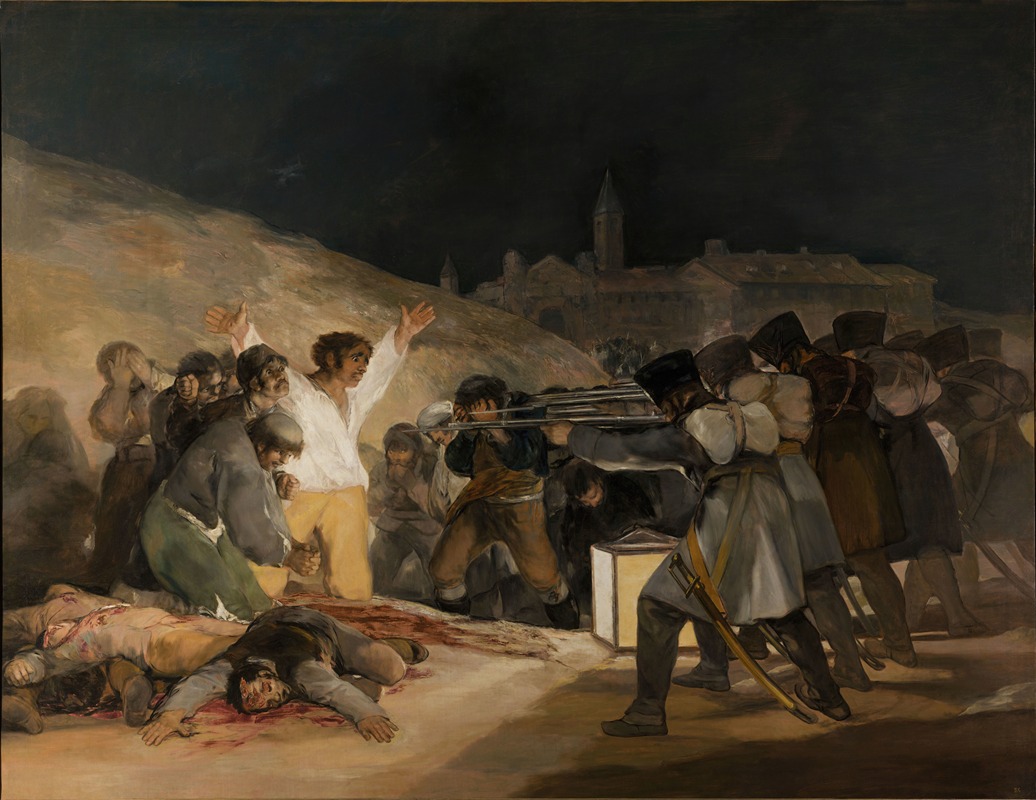
The Third of May 1808
Francisco de Goya
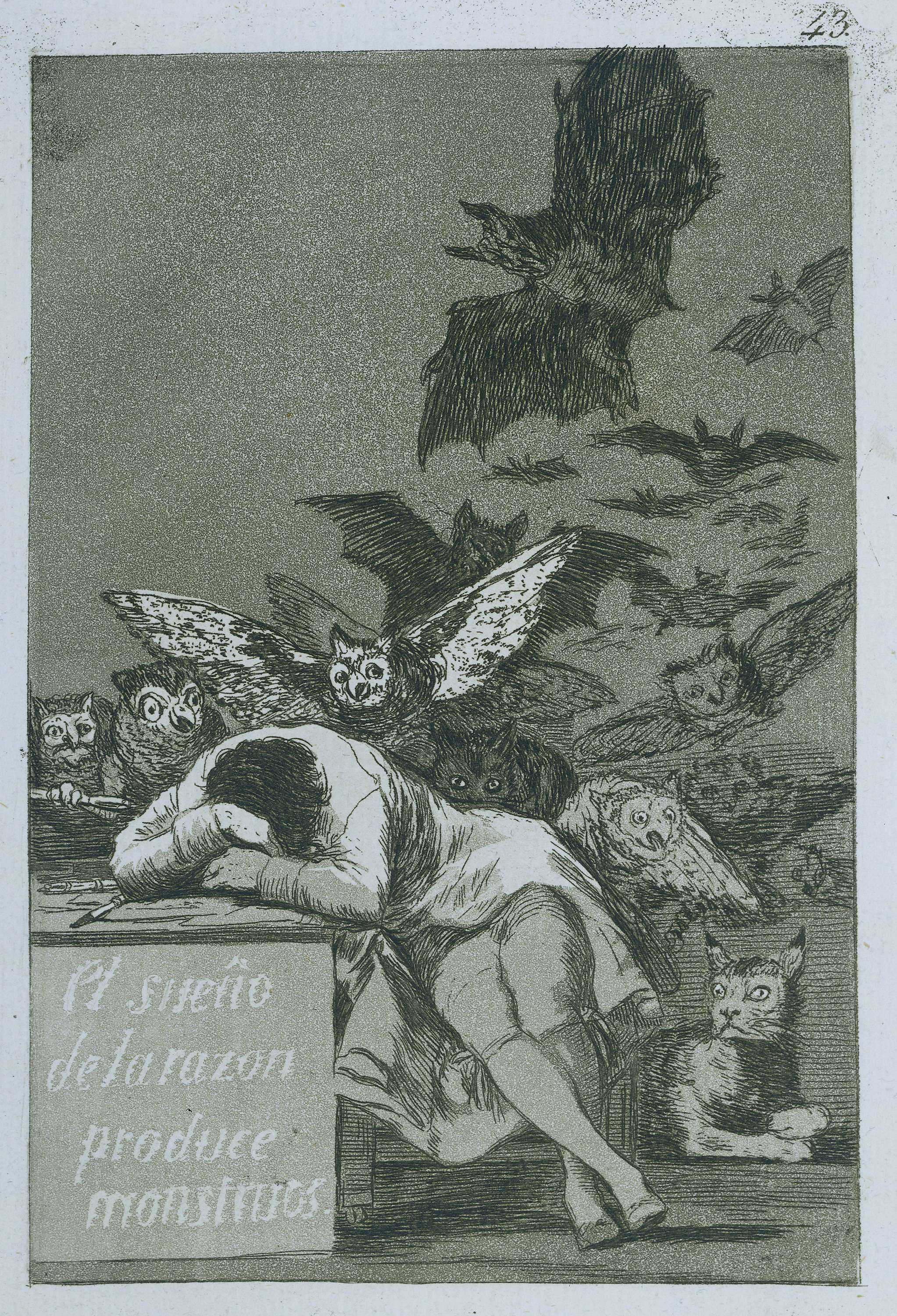
De slaap van de rede brengt monsters voort
Francisco de Goya
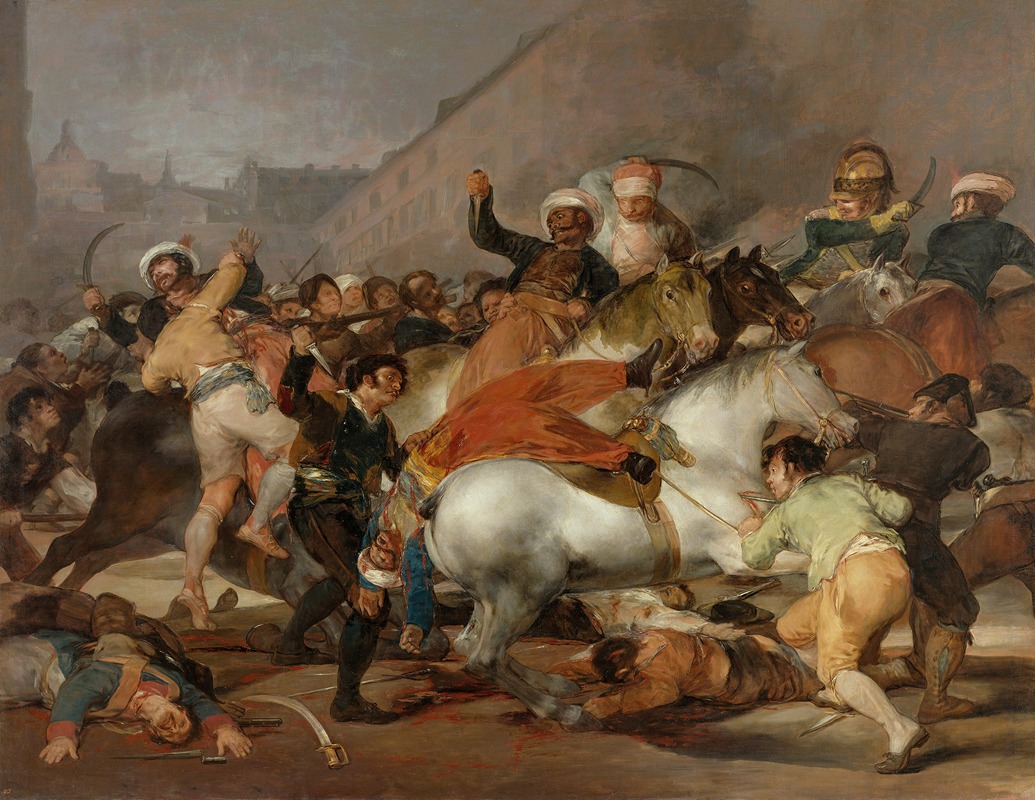
The Charge of the Mamelukes (1814)
Francisco de Goya