
Aanbidding door de herders — History & Facts
In the stillness of the moment, a transformation unfolds beneath a canopy of stars, where the weight of rebirth hangs palpably in the air. Each figure, rooted in awe and reverence, becomes part of a story that transcends time and place, echoing through the ages with profound significance. Look to the left at the shepherds, illuminated by the soft glow emanating from the newborn. Their expressions, a blend of wonder and humility, draw us in, inviting reflection on the humility that accompanies divine revelation.
Notice how the warm hues of ochre and gold envelop the scene, contrasting with the cool shadows that hint at the night. Dürer’s meticulous attention to detail, from the intricate folds of their garments to the delicate expressions on their faces, captures the weight of the moment, creating a visual symphony of light and shadow. The intertwining of the earthly and the divine speaks volumes in this piece. The gestures of the shepherds, cradling their gifts, symbolize the offerings of the humble amidst the grandeur of the event.
The looming presence of the Virgin, serene yet powerful, serves as a reminder of the maternal bond that propels the narrative of rebirth. This confluence of emotions — joy, reverence, and vulnerability — encapsulates the essence of human experience, urging us to confront our own moments of sacredness. Created between 1502 and 1503, this work emerged from Dürer’s studio in Nuremberg as he was navigating the complex interplay of religious reform and artistic innovation. At a time when Europe was on the brink of transformation, Dürer’s art sought to harmonize faith with the emerging humanistic ideals.
The painting reflects not only a personal exploration of spirituality but also a broader cultural awakening, characterized by a return to classical themes infused with a sense of contemporary relevance.
More Artworks by Albrecht Dürer
Browse all →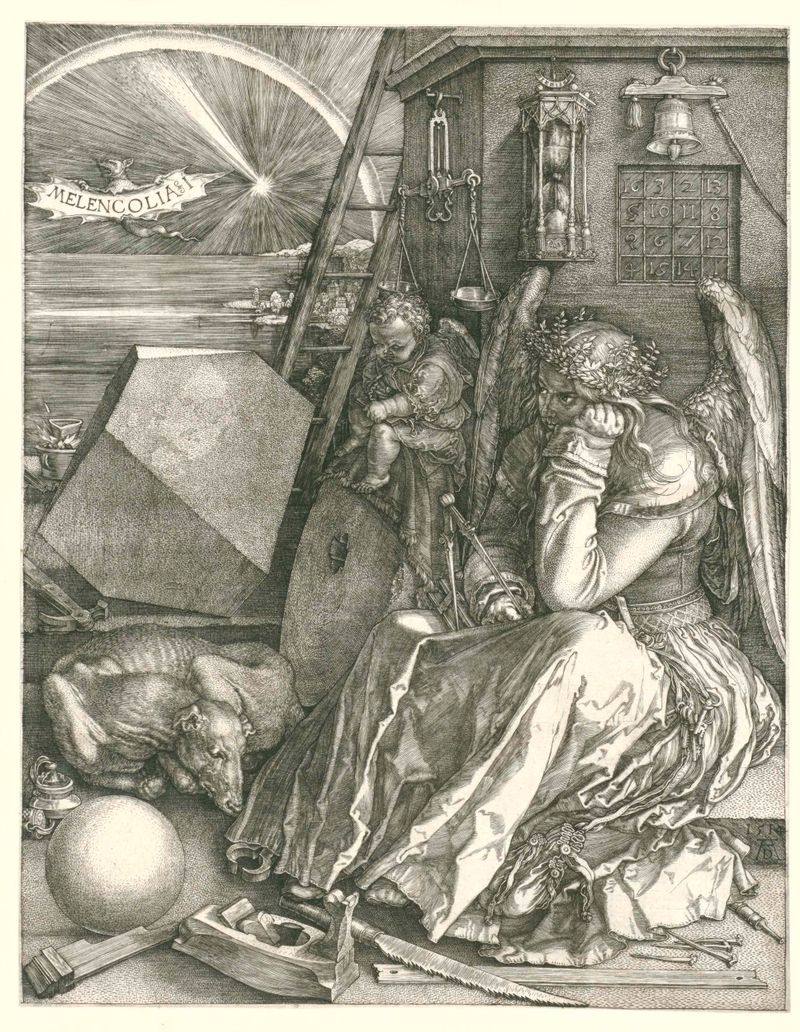
Melancholia
Albrecht Dürer
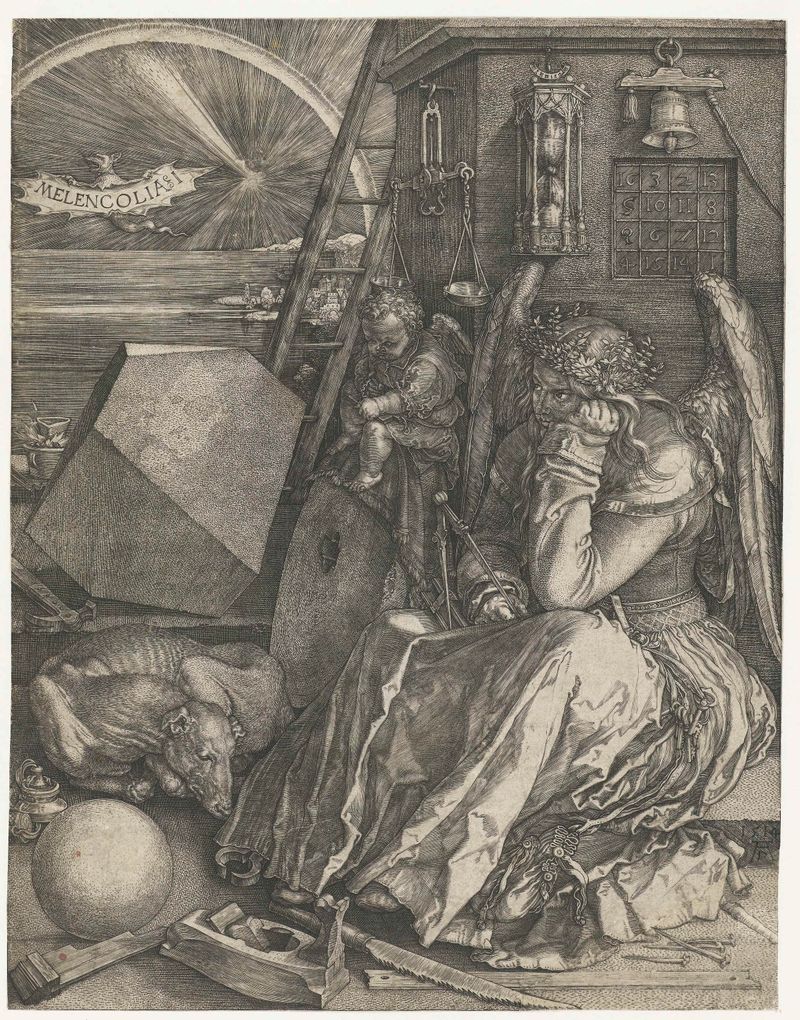
Melancholie
Albrecht Dürer

Neushoorn
Albrecht Dürer
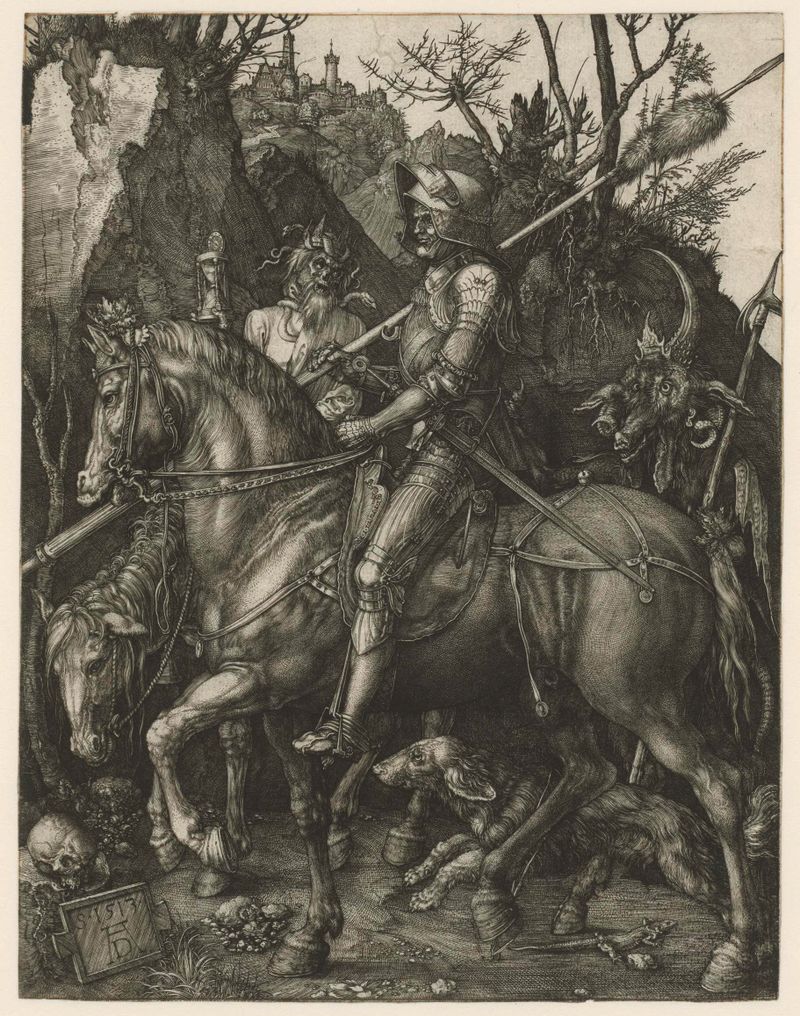
Knight, Death, and the Devil
Albrecht Dürer

De vier ruiters van de apocalyps
Albrecht Dürer

De vier ruiters van de apocalyps
Albrecht Dürer
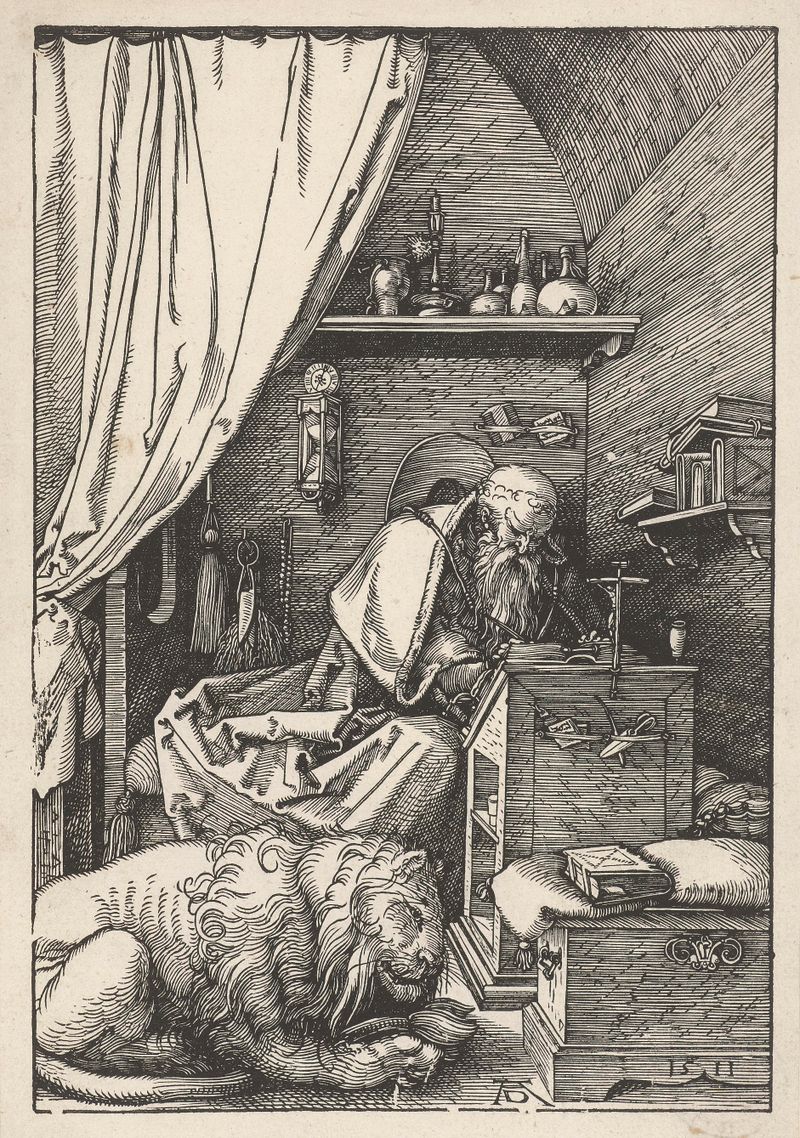
De Heilige Hiëronymus in zijn studeervertrek
Albrecht Dürer
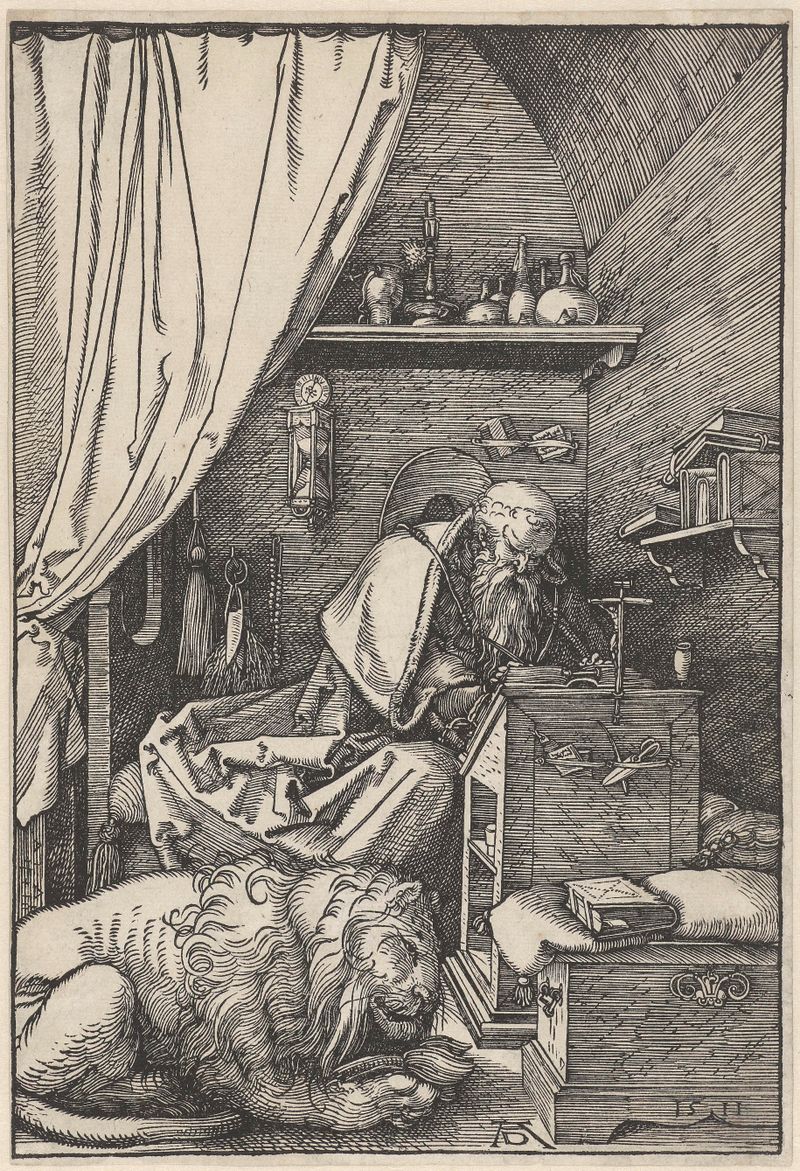
De Heilige Hiëronymus in zijn studeervertrek
Albrecht Dürer
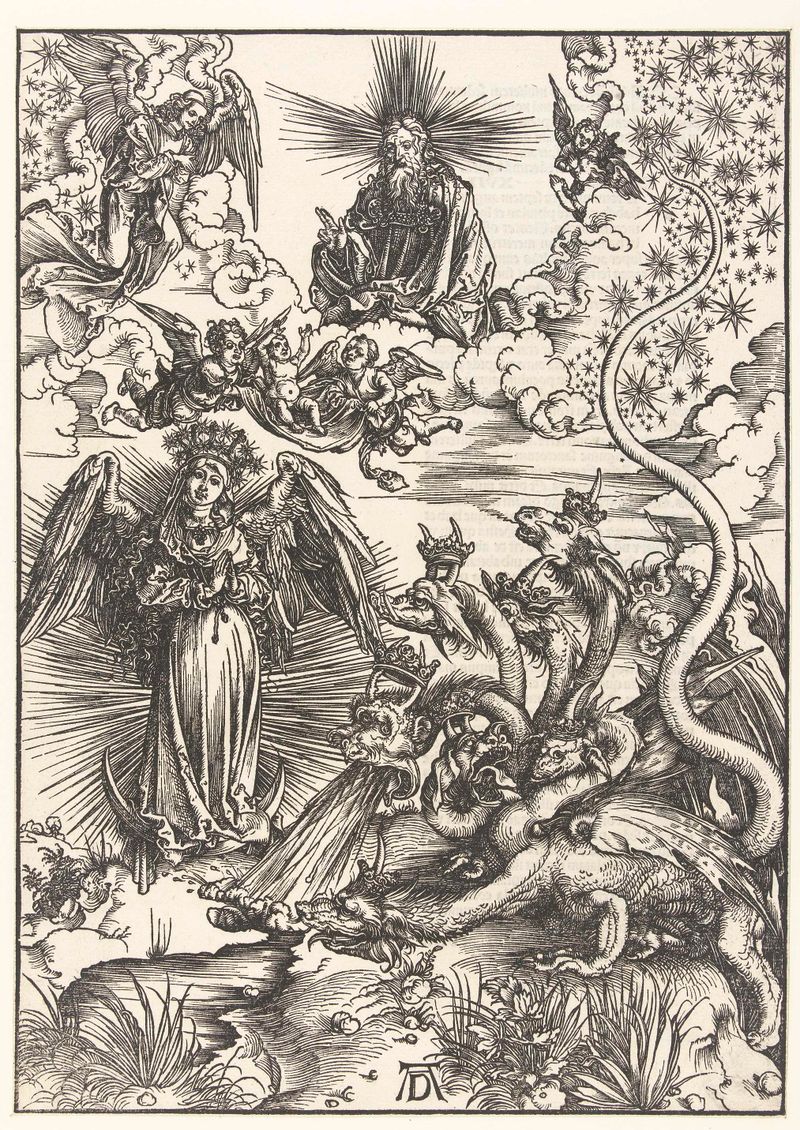
De apocalyptische vrouw en de zevenkoppige draak
Albrecht Dürer
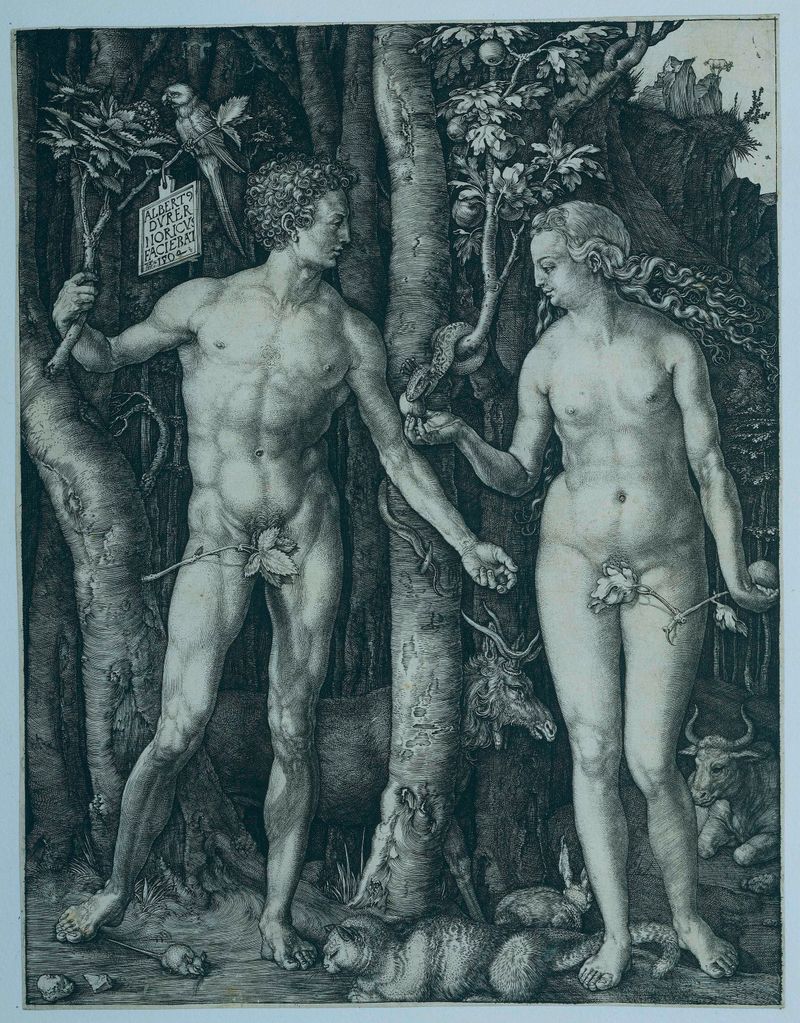
Adam en Eva
Albrecht Dürer
More Religious Art
Browse all →
The Return of the Prodigal Son
Rembrandt van Rijn

The Garden of Earthly Delights
El Bosco

Count Orgaz’ funeral
El Greco

The Hundred Guilder Print: the central piece with Christ preaching, the plate arched
Rembrandt van Rijn

The Descent from the Cross
Rogier van der Weyden

The return of the prodigal son
Rembrandt van Rijn