
Aanbidding door de herders — History & Facts
What if silence could speak through light? In Aanbidding door de herders, Dürer captures a profound moment of reverence, where stillness envelops the figures, and the glow of divinity illuminates the scene. Look closely at the central light source, bathing the Holy Family in a celestial glow that contrasts with the somber hues of the shepherds surrounding them. Notice how the soft gradients of ochre and gold create a warm embrace around the infant, while nearby figures in muted earth tones seem almost to dissolve into the shadows. Each gesture, from the shepherds' outstretched hands to their downcast eyes, exudes an earnestness, inviting viewers into the intimate celebration of faith. As you explore the details, observe the intricate textures of the shepherds' clothing, each fold meticulously rendered, symbolizing their humble origins.
The juxtaposition of the raw, earthly figures with the divine child amplifies the painting’s emotional tension—these simple men are elevated by their awe, transforming a humble birth into a moment of universal significance. The stillness of the scene underscores the profoundness of the occasion, merging the ordinary with the sacred. In 1503, while working in Nuremberg, Dürer was navigating the complexities of his burgeoning career, establishing himself as a leading figure in the Northern Renaissance. The world was shifting, with burgeoning interest in humanist ideals and the natural world, yet Dürer remained deeply committed to exploring spiritual themes within his art, reflecting both personal belief and the broader cultural currents of his time.
More Artworks by Albrecht Dürer
Browse all →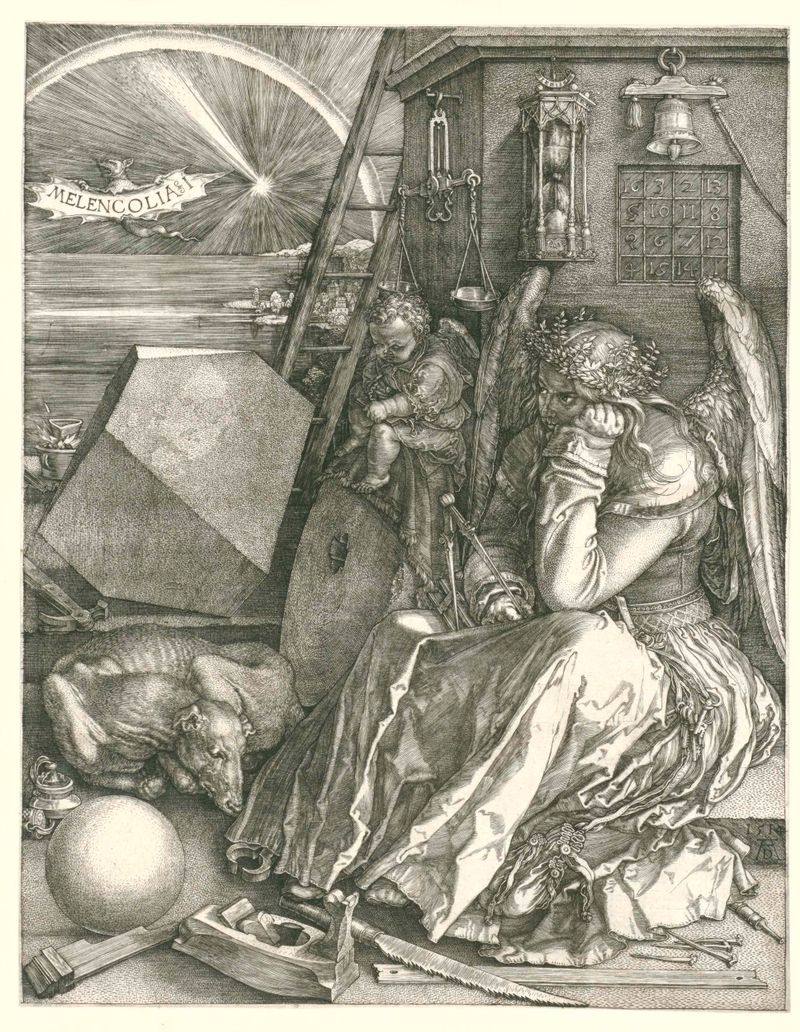
Melancholia
Albrecht Dürer
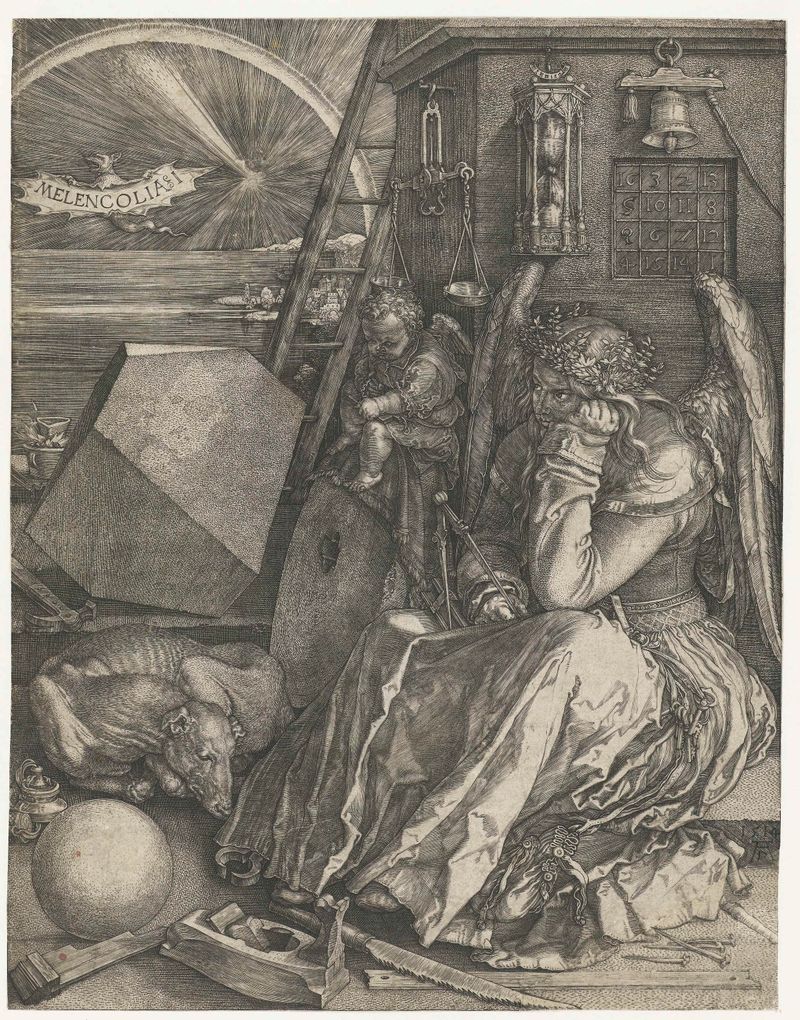
Melancholie
Albrecht Dürer
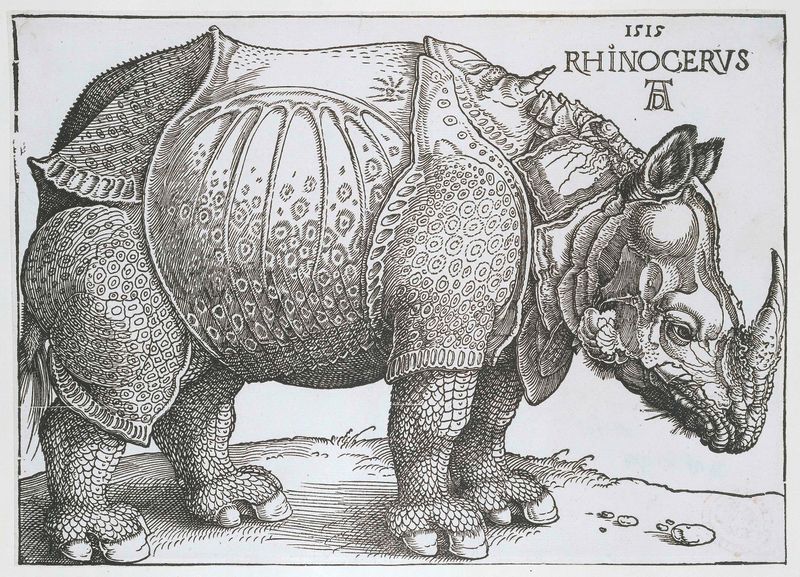
Neushoorn
Albrecht Dürer
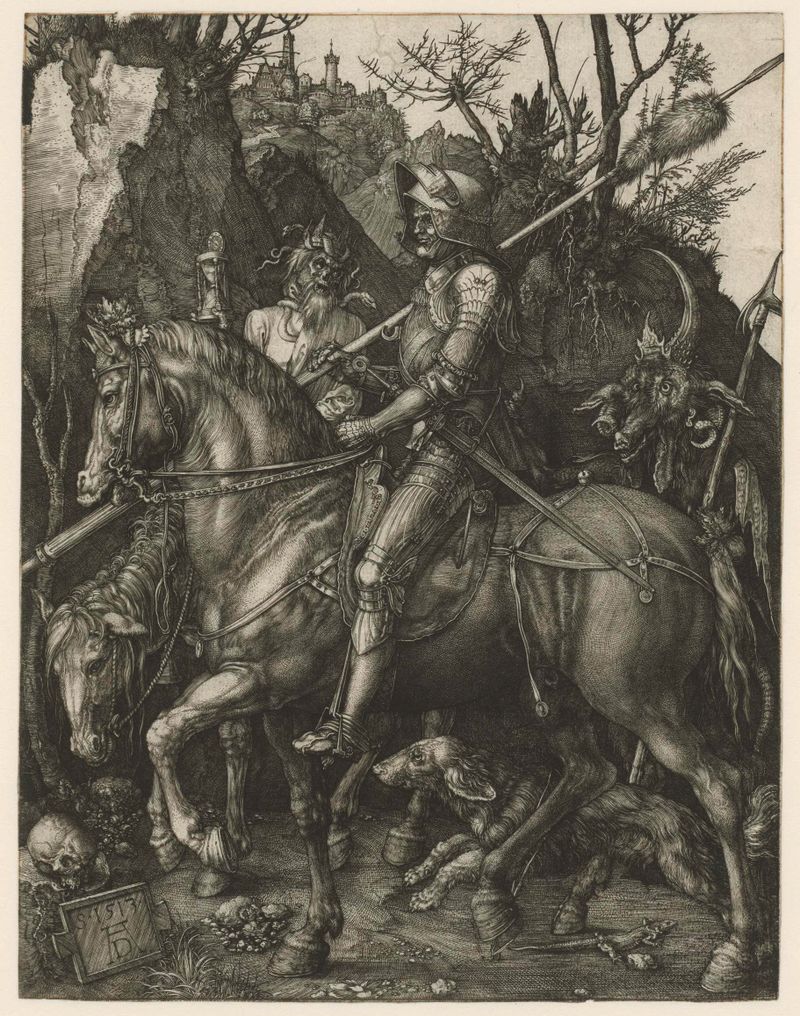
Knight, Death, and the Devil
Albrecht Dürer

De vier ruiters van de apocalyps
Albrecht Dürer

De vier ruiters van de apocalyps
Albrecht Dürer
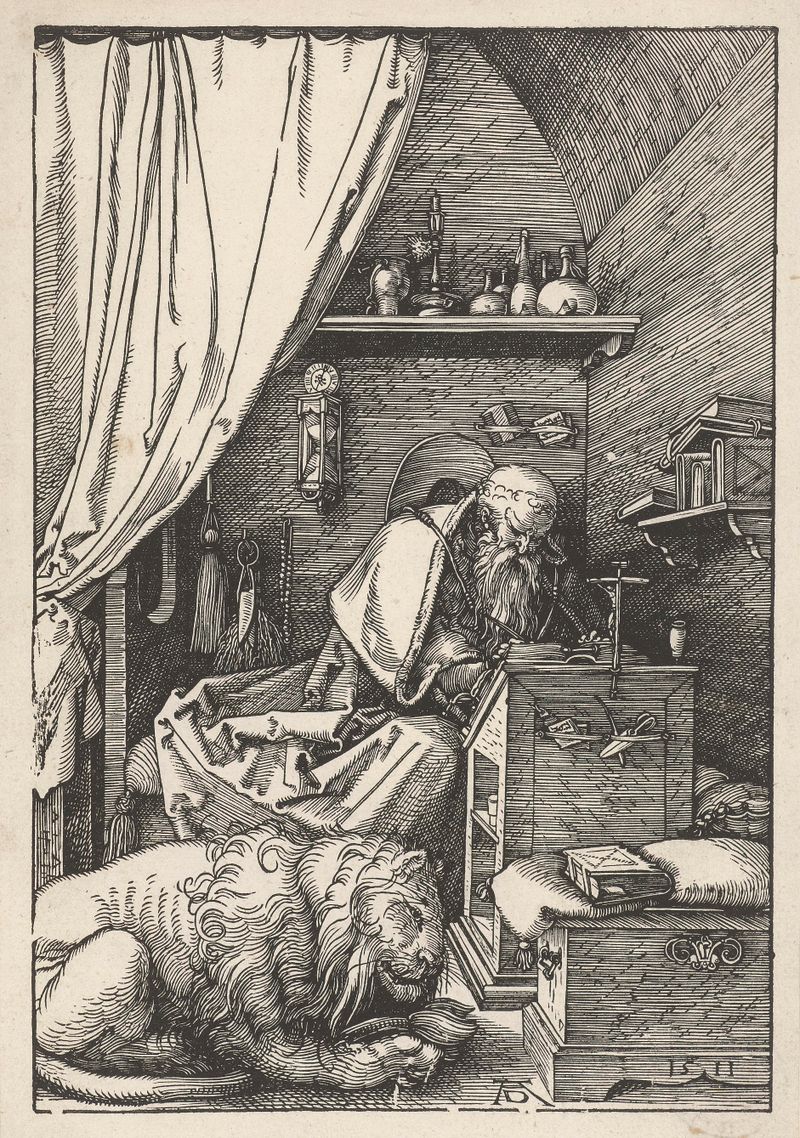
De Heilige Hiëronymus in zijn studeervertrek
Albrecht Dürer
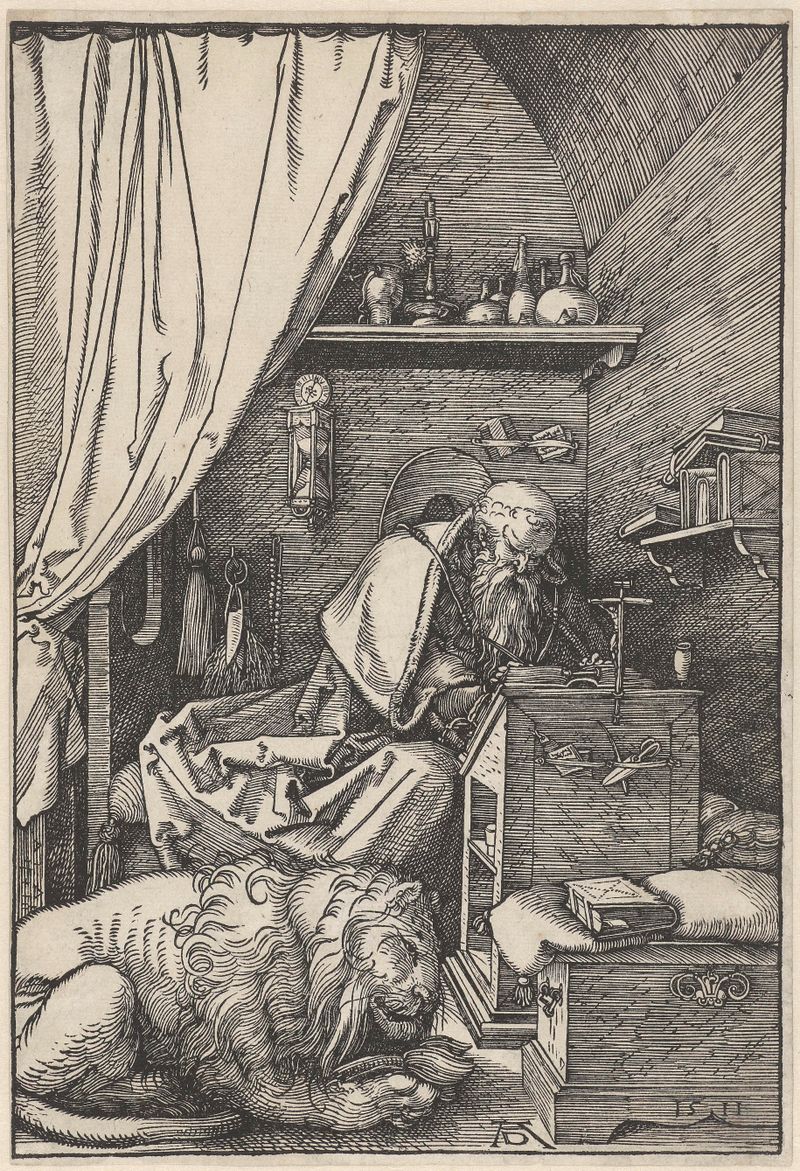
De Heilige Hiëronymus in zijn studeervertrek
Albrecht Dürer
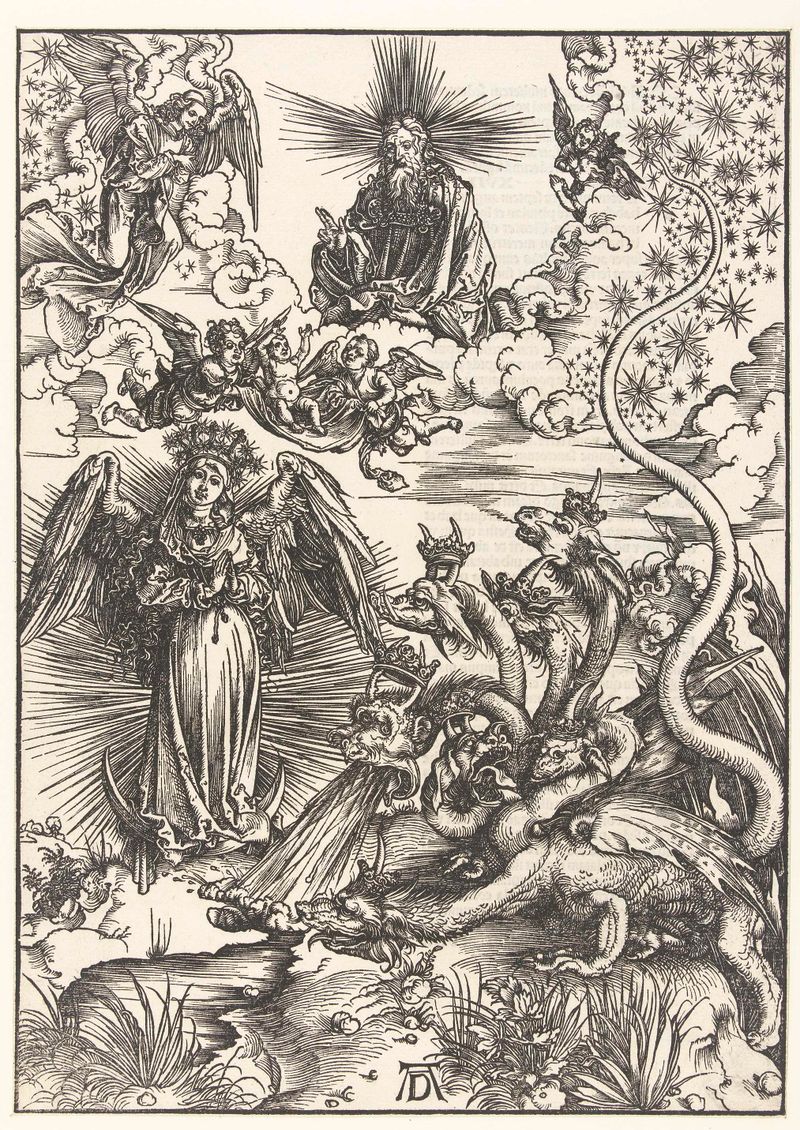
De apocalyptische vrouw en de zevenkoppige draak
Albrecht Dürer
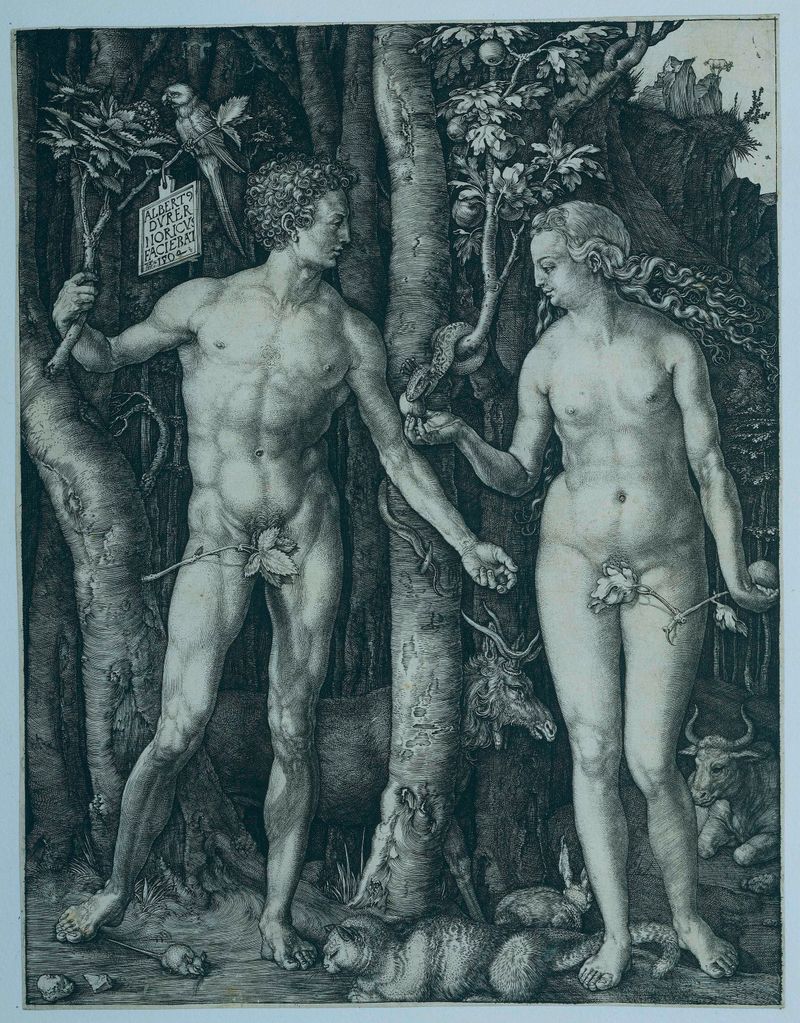
Adam en Eva
Albrecht Dürer
More Religious Art
Browse all →
The Return of the Prodigal Son
Rembrandt van Rijn

The Garden of Earthly Delights
El Bosco

Count Orgaz’ funeral
El Greco

The Hundred Guilder Print: the central piece with Christ preaching, the plate arched
Rembrandt van Rijn

The Descent from the Cross
Rogier van der Weyden

The return of the prodigal son
Rembrandt van Rijn