
Aanbidding door de koningen — History & Facts
Did the painter know this moment would outlive them? Aanbidding door de koningen, a poignant tableau, encapsulates an eternal betrayal hidden in the heart of reverence. The rawness of human emotion shines through Dürer's meticulous craftsmanship, inviting us to explore the deeper motives behind the iconic scene. Look to the center of the composition, where the Magi gather around the newborn Christ. Notice how the divine light bathes the figures, highlighting their exquisite garments that shimmer in earthy tones.
This use of contrasting light and shade creates a palpable tension, as silhouettes of adoration rise against the backdrop of a shadowy, uncertain world. Dürer's attention to detail is striking — the intricacies of each figure's expression and attire reveal their distinct backgrounds, while the juxtaposition of gold and muted colors underscores the complexity of their journey. Hidden within the act of worship lies an undercurrent of betrayal, palpable in the gaze of one Magus, whose eyes dart toward the viewer, questioning their own fate. The delicate balance between devotion and doubt invites viewers to contemplate their own interpretations of loyalty and sacrifice.
As the figures extend their gifts, we sense the irony of their offering: treasures meant for a king who will ultimately face betrayal by those closest to him. The emotional weight of this moment lingers, inviting reflection on the fragility of faith amidst human flaws. Dürer painted this work between 1501 and 1505, during a transformative period in Northern Renaissance art, marked by an emphasis on realism and intricate detail. Working in Nuremberg, he was already celebrated for his woodcuts and engravings, blending religious themes with innovative techniques.
The socio-political landscape of Europe was fraught with strife, and Dürer's exploration of the human condition through biblical narratives resonated with a society grappling with its own complexities.
More Artworks by Albrecht Dürer
Browse all →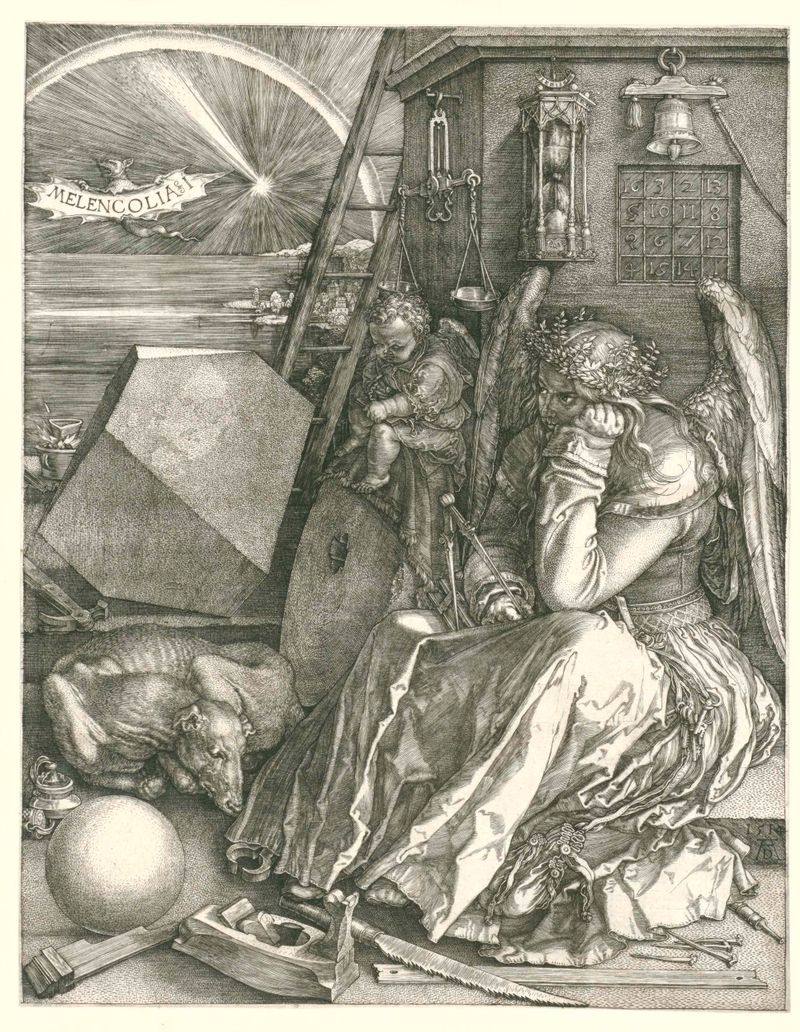
Melancholia
Albrecht Dürer
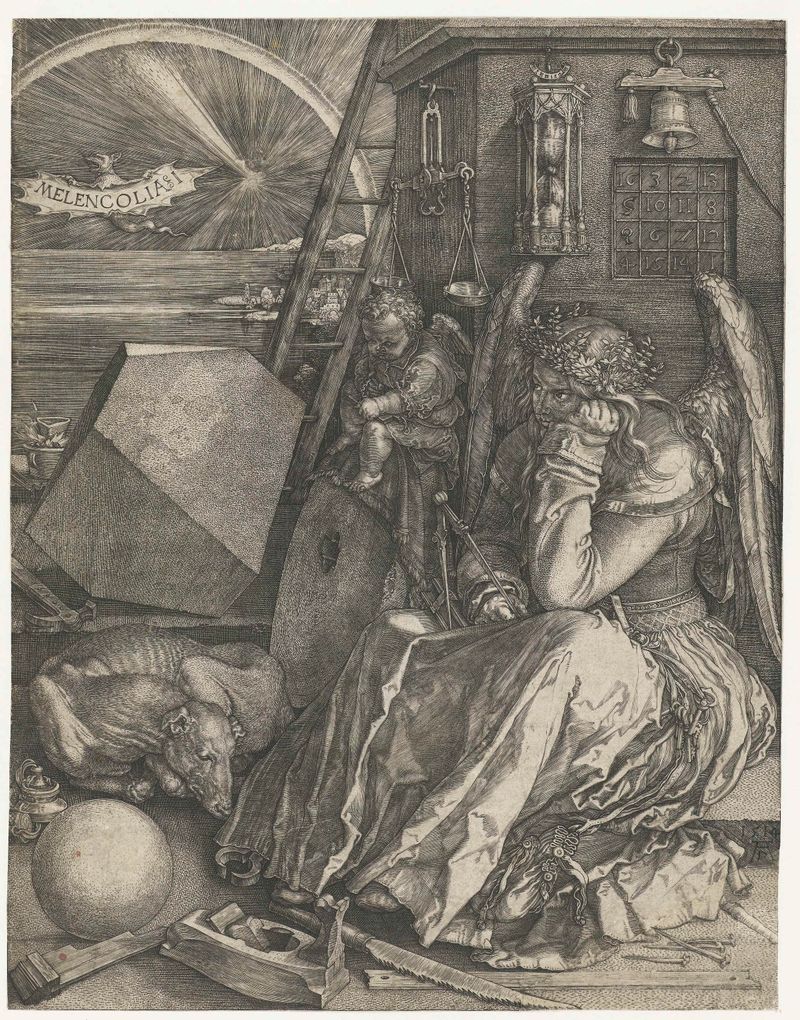
Melancholie
Albrecht Dürer
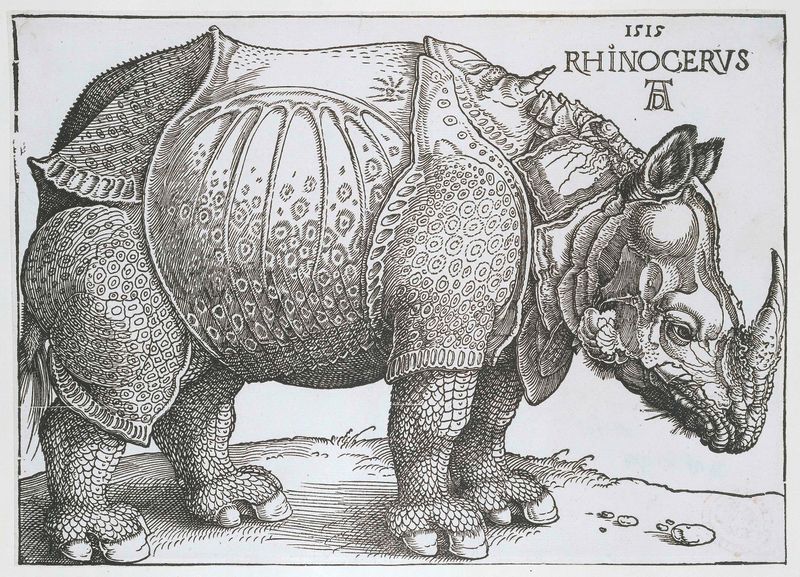
Neushoorn
Albrecht Dürer
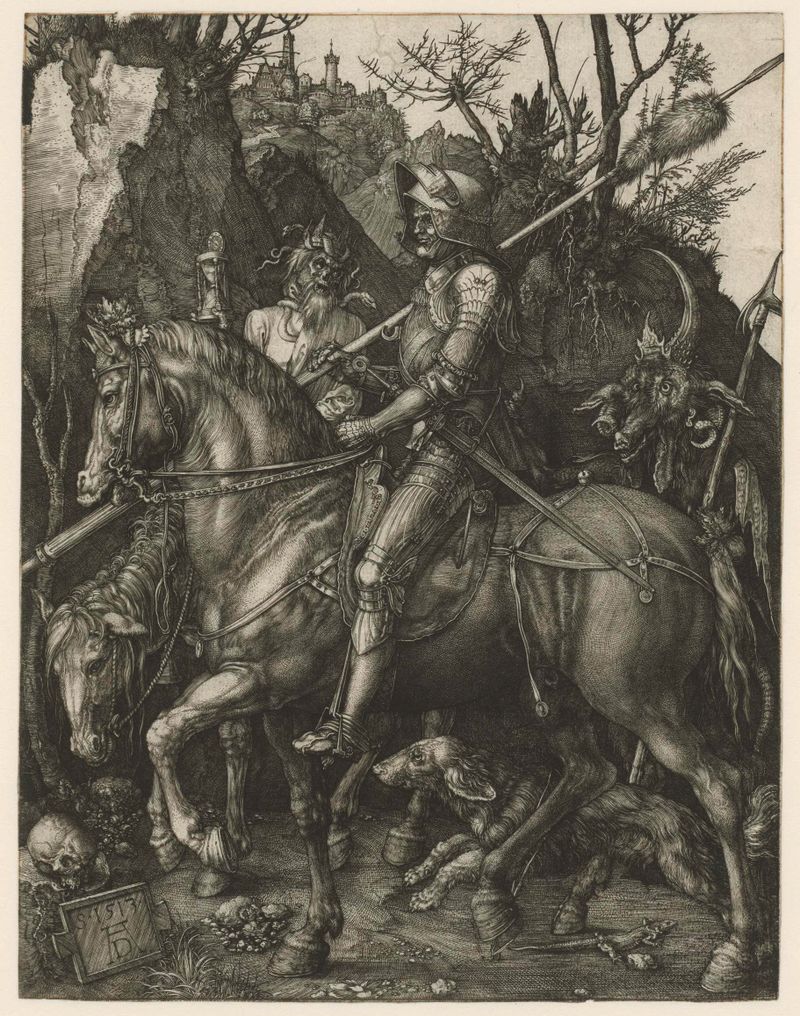
Knight, Death, and the Devil
Albrecht Dürer

De vier ruiters van de apocalyps
Albrecht Dürer

De vier ruiters van de apocalyps
Albrecht Dürer
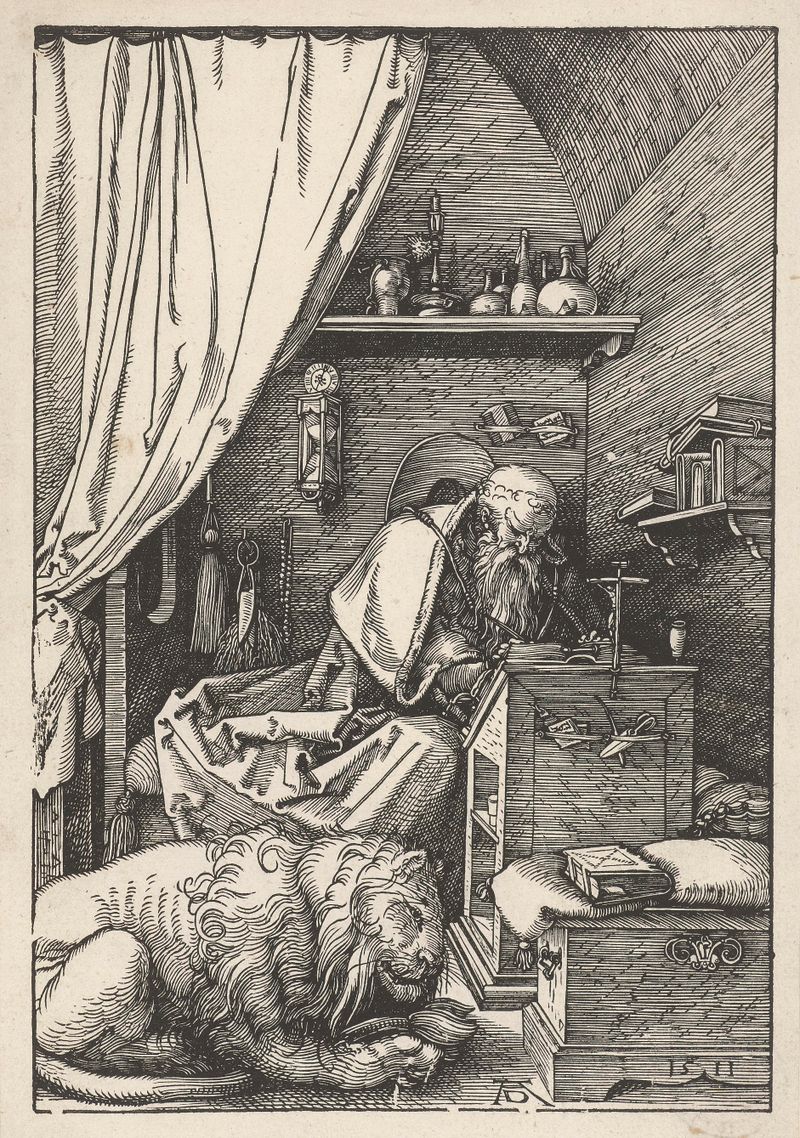
De Heilige Hiëronymus in zijn studeervertrek
Albrecht Dürer
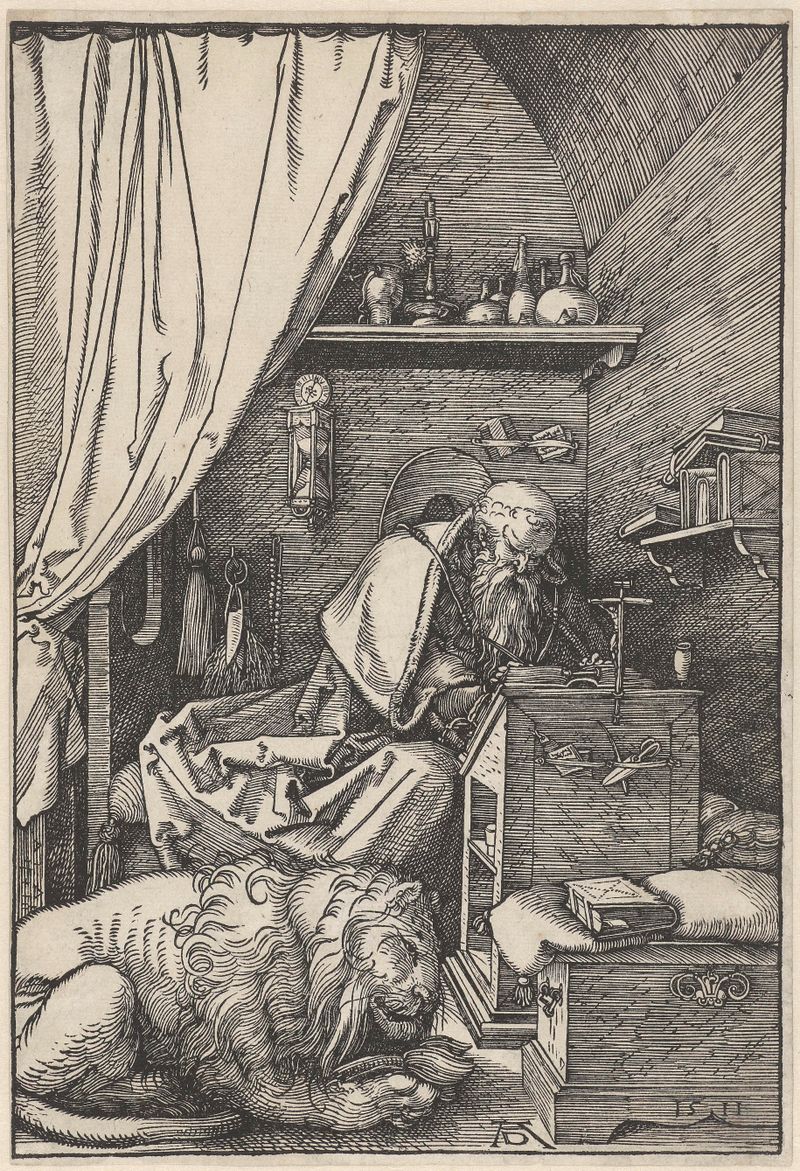
De Heilige Hiëronymus in zijn studeervertrek
Albrecht Dürer
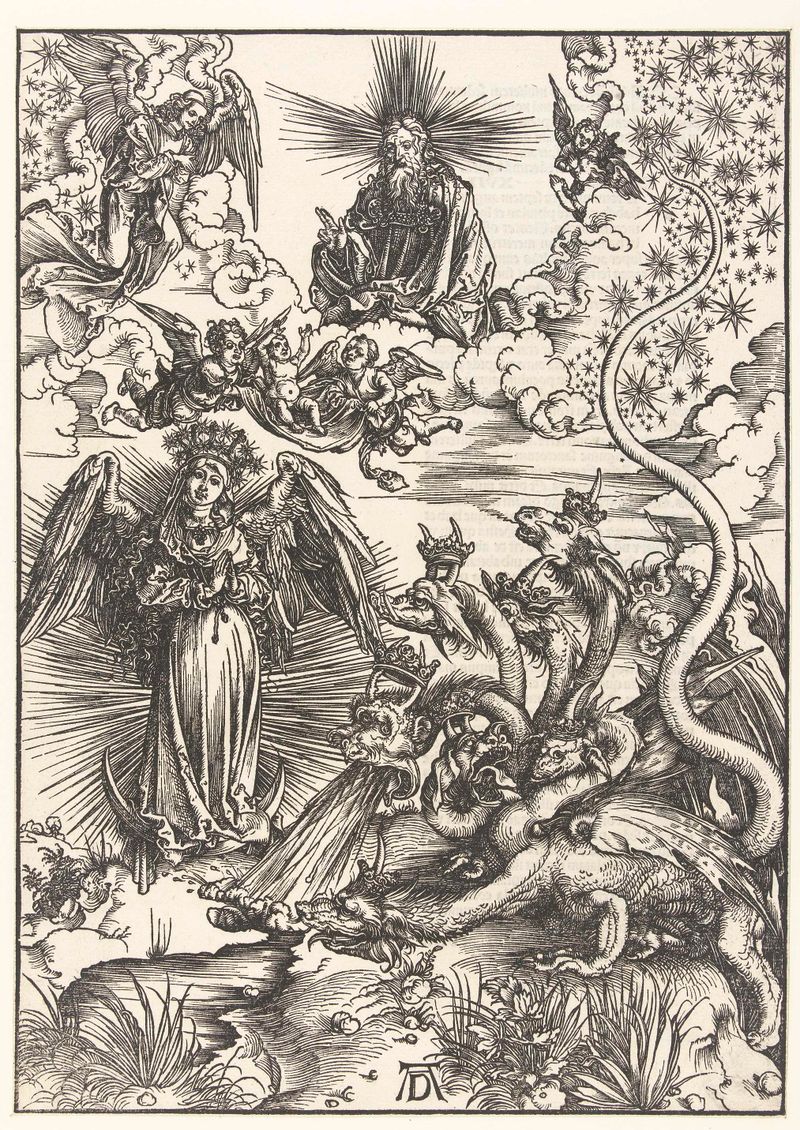
De apocalyptische vrouw en de zevenkoppige draak
Albrecht Dürer
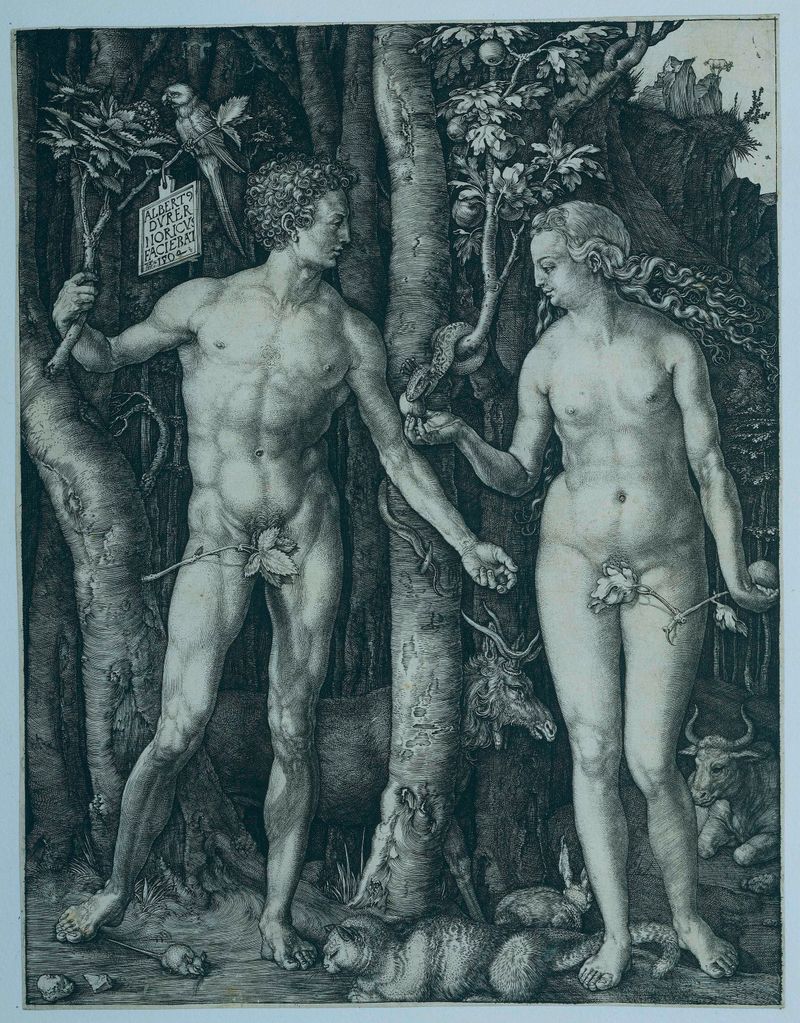
Adam en Eva
Albrecht Dürer
More Religious Art
Browse all →
The Return of the Prodigal Son
Rembrandt van Rijn

The Garden of Earthly Delights
El Bosco

Count Orgaz’ funeral
El Greco

The Hundred Guilder Print: the central piece with Christ preaching, the plate arched
Rembrandt van Rijn

The Descent from the Cross
Rogier van der Weyden

The return of the prodigal son
Rembrandt van Rijn