
Aanbidding door de koningen — History & Facts
Can beauty exist without sorrow? In Aanbidding door de koningen, a poignant tension is woven into the tapestry of celebration, whispering of the madness that often underlies our most cherished moments. Look to the center of the composition, where the three kings, draped in rich garments, present their gifts. Notice how the intricate details of their attire shimmer against the soft, muted tones of the background, pulling the viewer's gaze into this intimate gathering. The use of light is masterful; it bathes the figures in an ethereal glow, highlighting the reverent expressions on their faces.
Dürer’s meticulous attention to texture and color invites us to linger upon each layer, as if revealing the depth of their devotion juxtaposed with the shadows of their burdens. The emotional tension dances in the subtle contrasts within the work. Each king's offering—gold, frankincense, myrrh—symbolizes not only wealth and reverence but also the foreshadowing of suffering. The delicate expressions reflect joy yet hint at an underlying madness, as these figures acknowledge the weight of destiny in their worship.
The surrounding angels, serene yet distant, serve as a reminder of the divine, framing the scene with an air of quiet anticipation. During the early years of the 16th century, Dürer was deeply engaged with humanist ideas, exploring complex themes in his work. Painted in Nuremberg between 1501 and 1505, this piece emerged amidst a burgeoning interest in classical antiquity and detailed realism, yet it also reflects the tumult of a world on the brink of change. The artist’s own life was marked by exploration and experimentation, mirroring the very essence of this striking piece.
More Artworks by Albrecht Dürer
Browse all →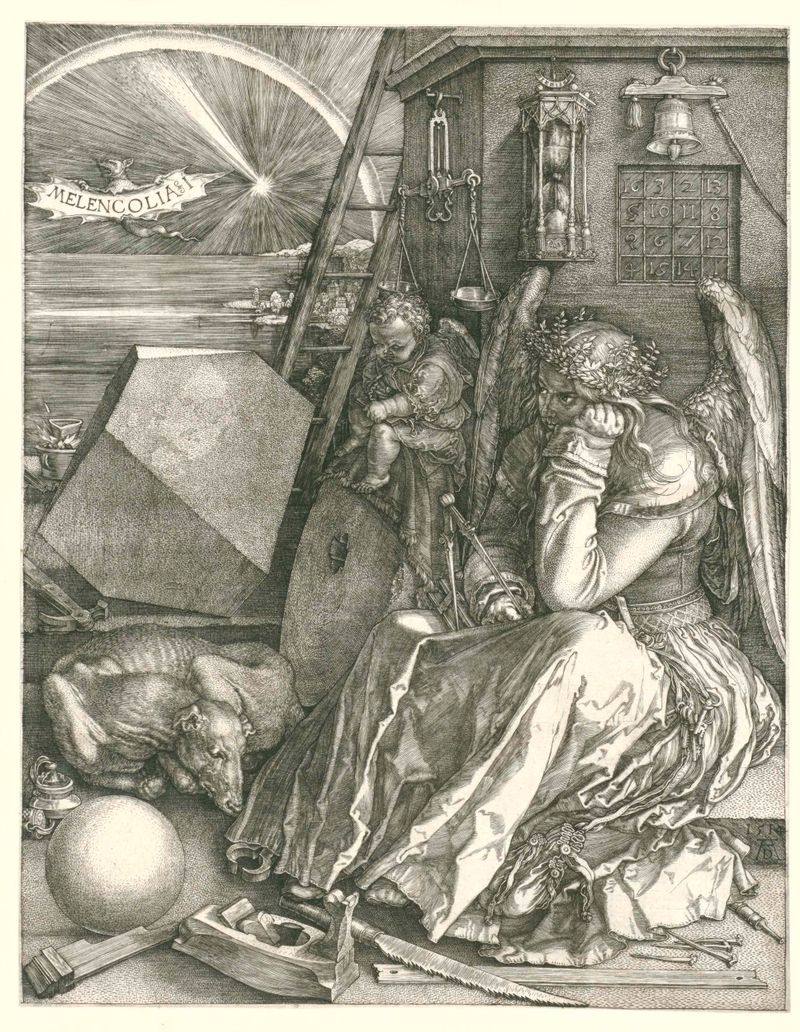
Melancholia
Albrecht Dürer
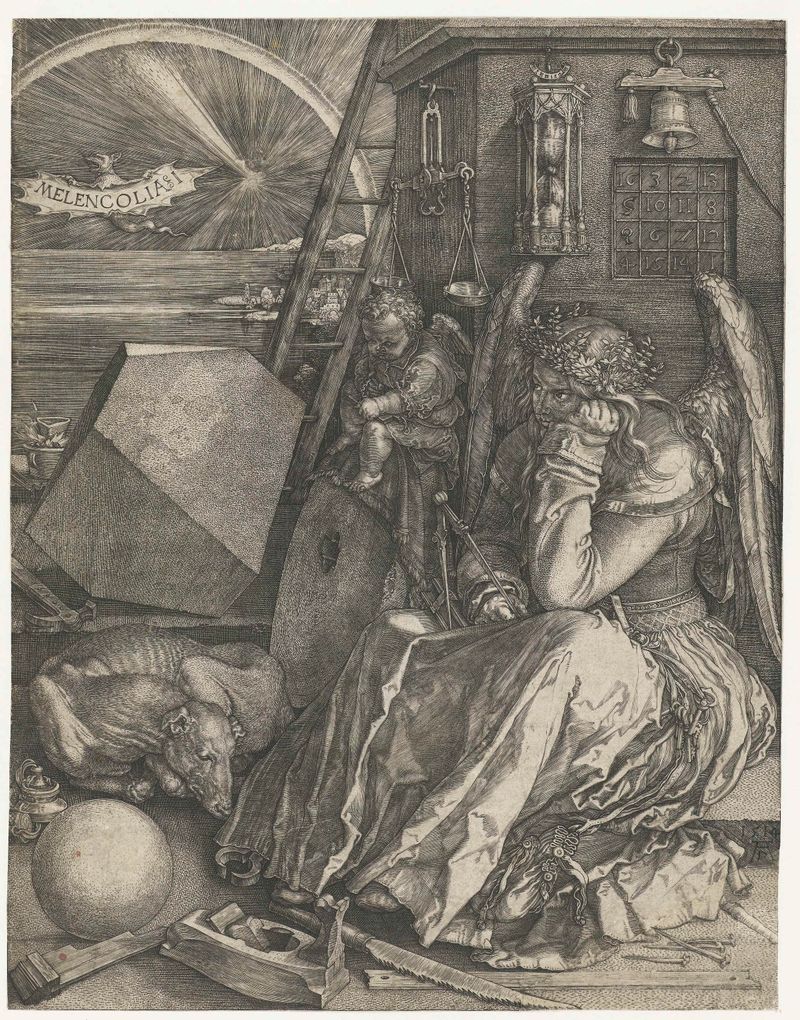
Melancholie
Albrecht Dürer
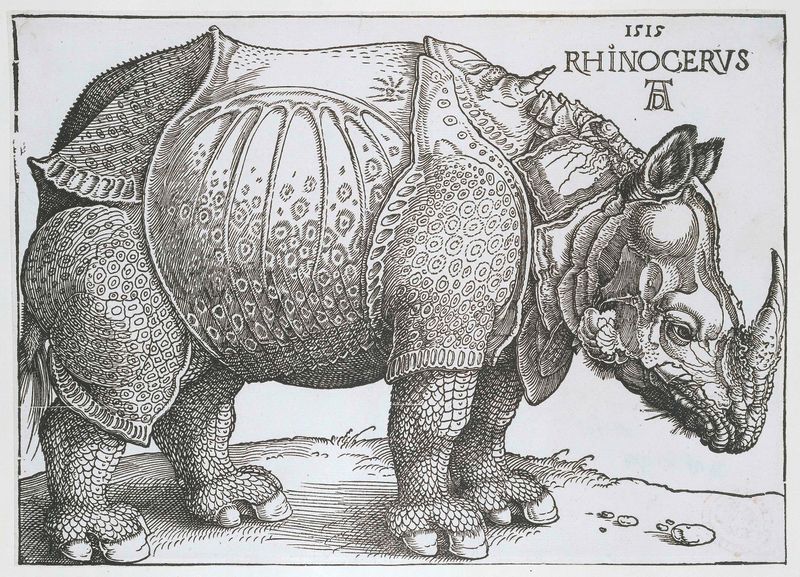
Neushoorn
Albrecht Dürer
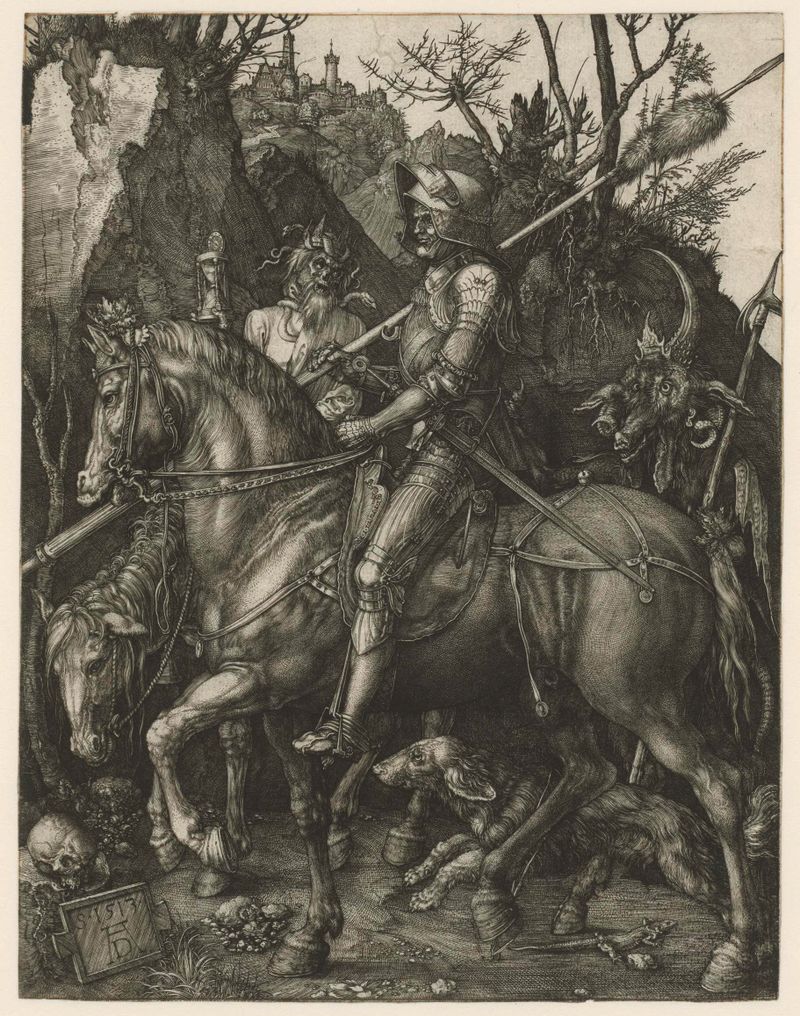
Knight, Death, and the Devil
Albrecht Dürer

De vier ruiters van de apocalyps
Albrecht Dürer

De vier ruiters van de apocalyps
Albrecht Dürer
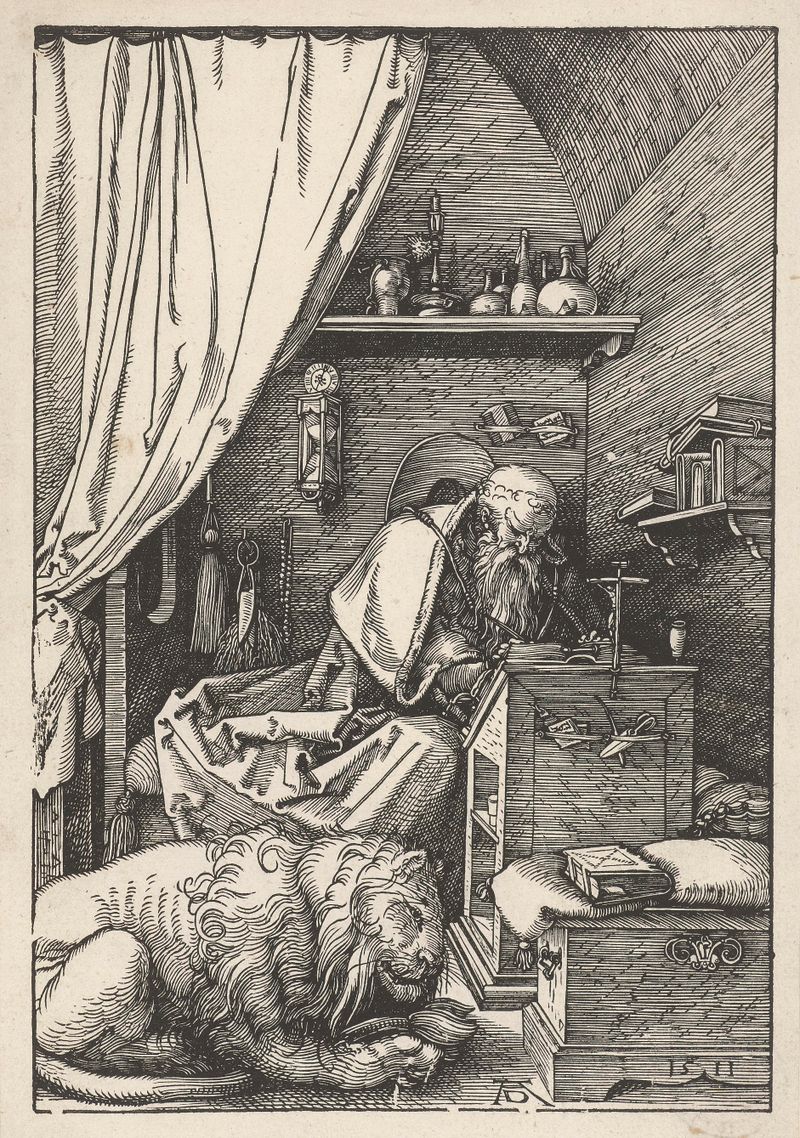
De Heilige Hiëronymus in zijn studeervertrek
Albrecht Dürer
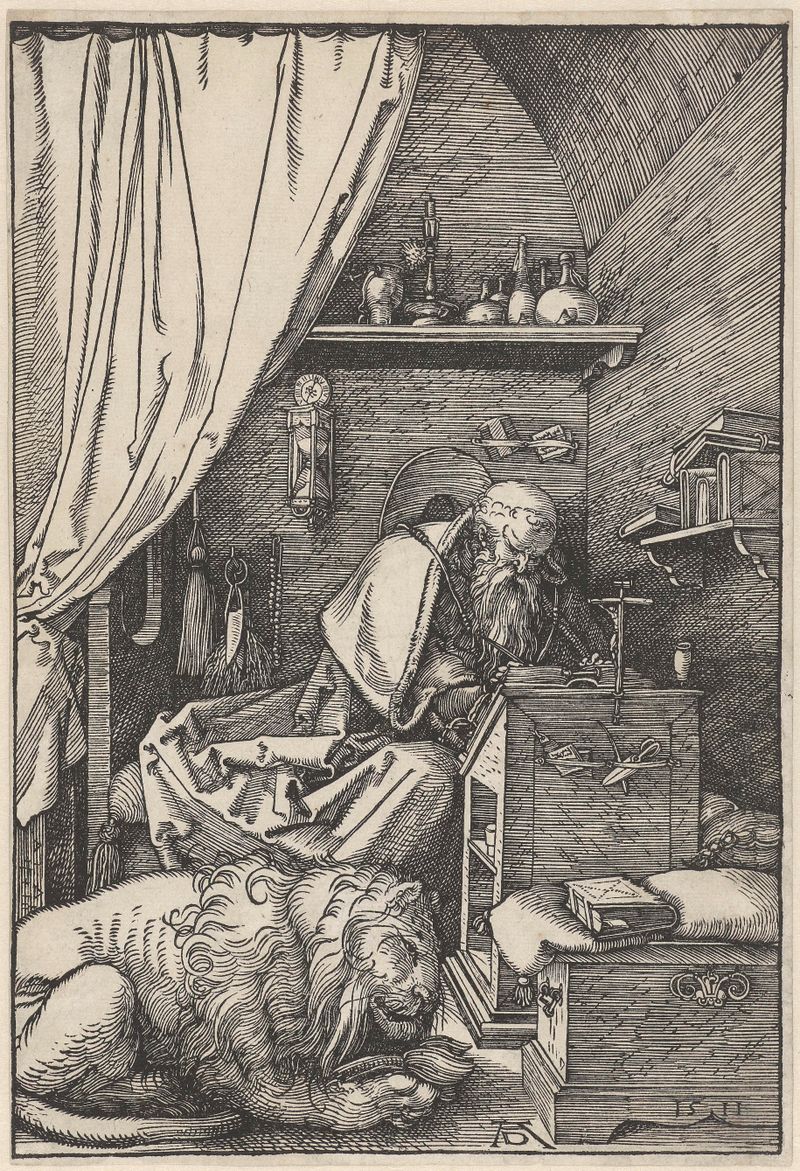
De Heilige Hiëronymus in zijn studeervertrek
Albrecht Dürer
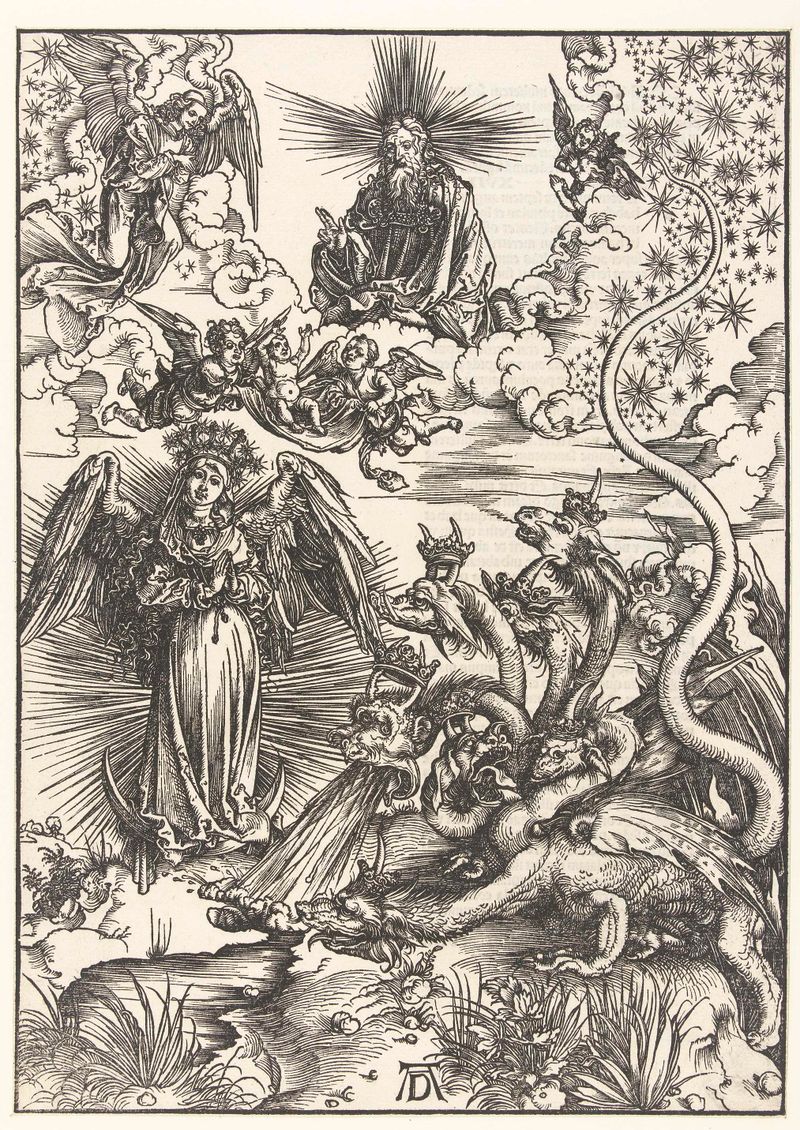
De apocalyptische vrouw en de zevenkoppige draak
Albrecht Dürer
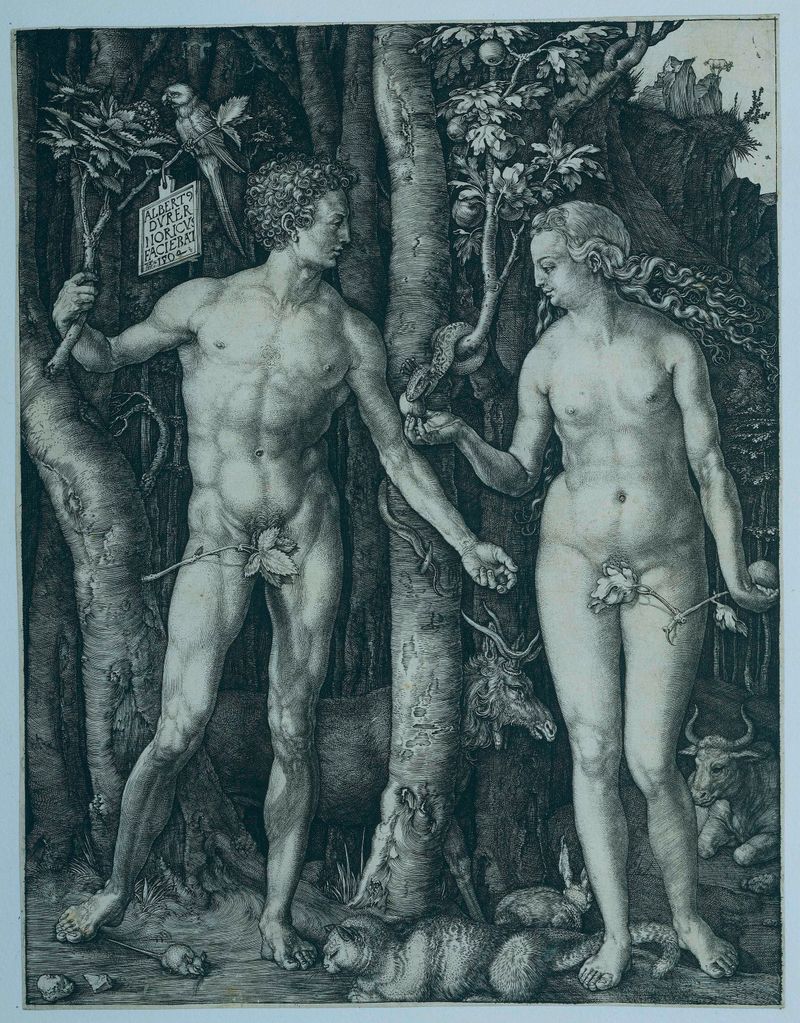
Adam en Eva
Albrecht Dürer
More Religious Art
Browse all →
The Return of the Prodigal Son
Rembrandt van Rijn

The Garden of Earthly Delights
El Bosco

Count Orgaz’ funeral
El Greco

The Hundred Guilder Print: the central piece with Christ preaching, the plate arched
Rembrandt van Rijn

The Descent from the Cross
Rogier van der Weyden

The return of the prodigal son
Rembrandt van Rijn