
Aarde — History & Facts
In a world where moments slip through our fingers like sand, the essence of fragility resonates deeply within us. Focus on the delicate balance of colors that bleed into one another, drawing your gaze towards the intricate details of the landscape. The soft greens melt into muted blues, while gentle earth tones anchor the composition. Notice how the artist masterfully uses light to highlight the subtle textures of the scene, inviting you to explore the serene yet ephemeral quality of nature.
Each brushstroke feels like a whisper from the past, urging us to appreciate the beauty that exists in its transience. Hidden within the seemingly tranquil vista lies a profound commentary on the fragile state of existence. The delicate interplay between light and shadow conveys a sense of impermanence, reminding us that beauty is often fleeting. As you study the interactions of elements within the work, a deeper understanding emerges: this is a moment captured, yet always at risk of being lost to time.
The small details—perhaps a wilting flower or a cloud shifting in the sky—serve as poignant reminders of the inevitable decay inherent in life itself. Reinier Nooms created Aarde between 1689 and 1720, during a period marked by a fascination with the natural world amid the turbulence of political change in Europe. Living in the Netherlands, he found inspiration in the landscapes around him, reflecting a shift towards realism in art. This era emphasized the importance of capturing the fleeting beauty of nature, a theme that Nooms would explore with sensitivity and skill.
More Artworks by Reinier Nooms
Browse all →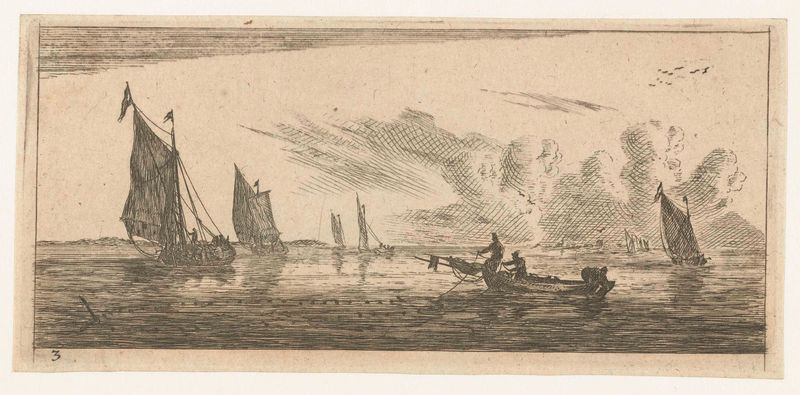
Zeegezicht met verschillende zeilschepen
Reinier Nooms
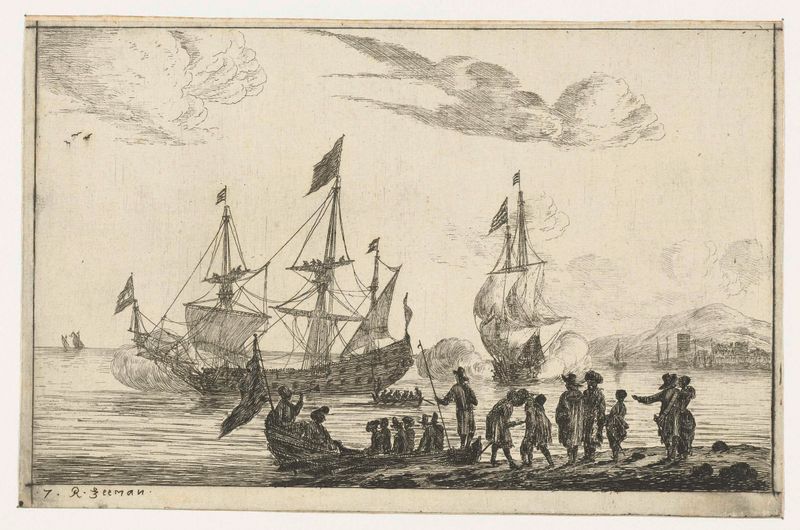
Havenscène met een spiegelsloep
Reinier Nooms
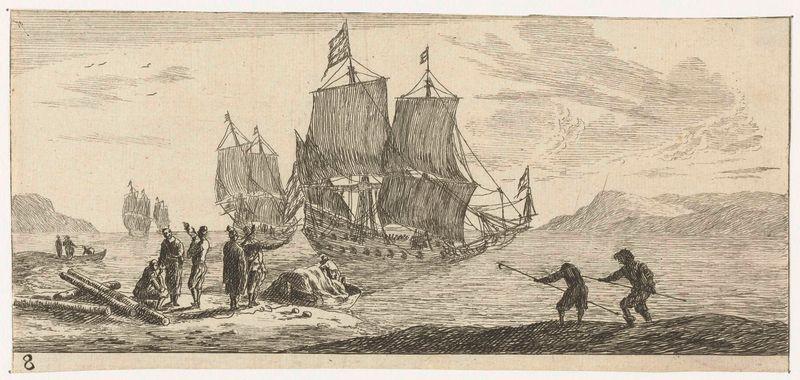
Vier grote zeilschepen in een baai
Reinier Nooms
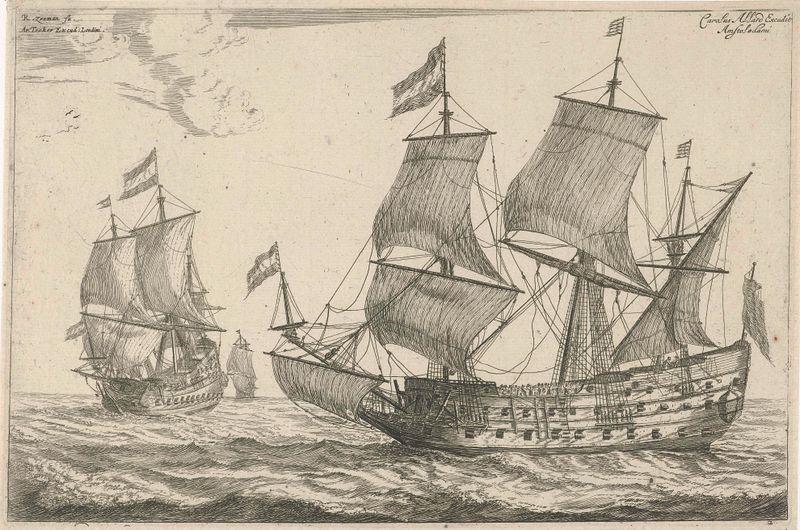
Twee grote oorlogsschepen
Reinier Nooms
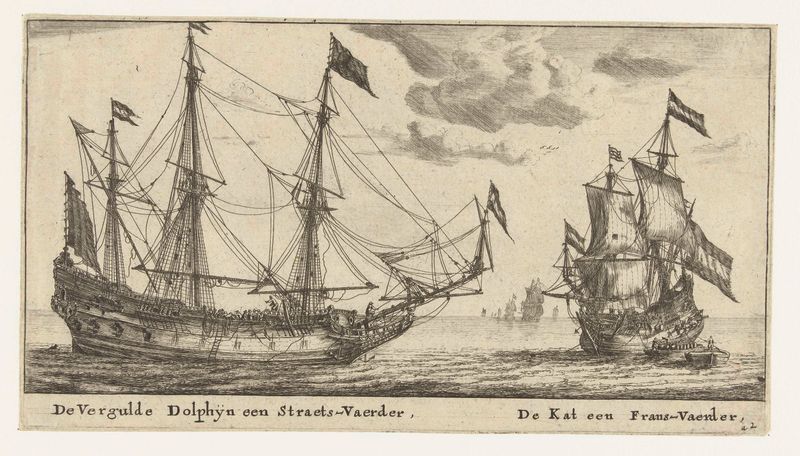
De schepen De Vergulde Dolfijn en De Kat
Reinier Nooms
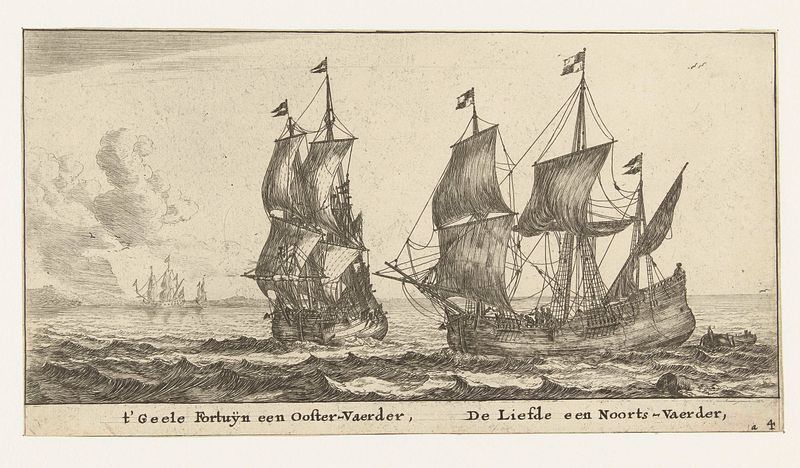
De schepen 't Gele Fortuin en De Liefde
Reinier Nooms
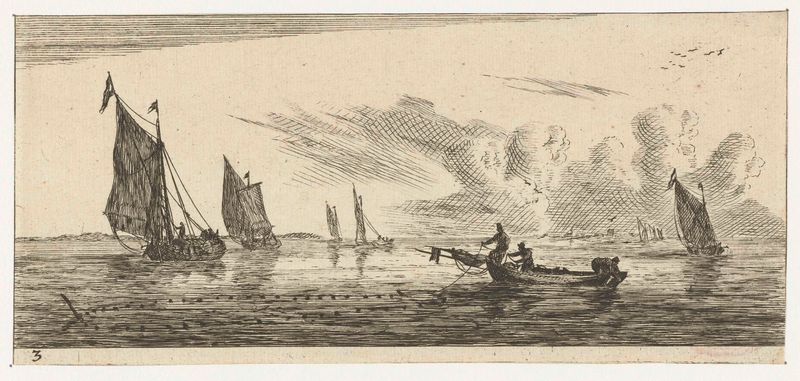
Zeegezicht met verschillende zeilschepen
Reinier Nooms
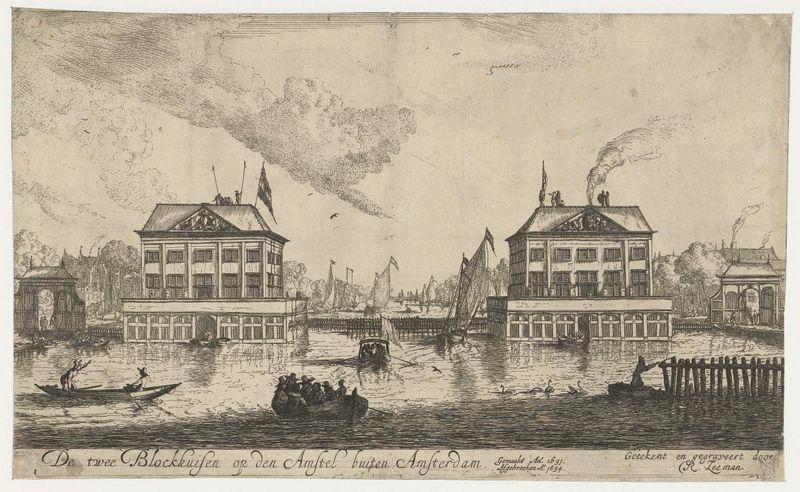
Gezicht op de twee Blokhuizen in de Amstel
Reinier Nooms
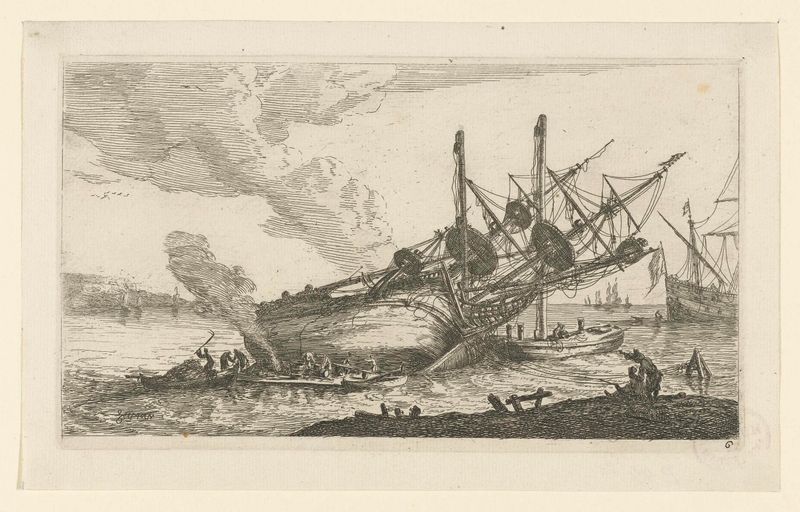
Reparaties aan de romp van een schip
Reinier Nooms
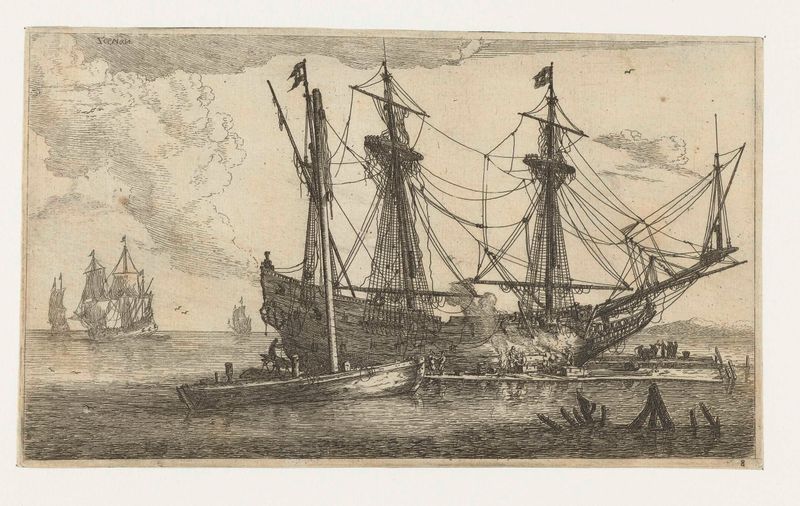
Reparaties aan de romp van een schip
Reinier Nooms





