
Aarde — History & Facts
Who listens when art speaks of silence? In Aarde, a compelling conversation unfolds between muted hues and tranquil forms, urging us to awaken to the world around us. Focus on the gentle interplay of light and shadow that dances across the canvas. The soft earth tones invite the eye to explore the undulating landscape, where the horizon stretches infinitely, hinting at both promise and mystery. Notice the delicate details in the foliage, each brushstroke reflecting the artist's meticulous observation of nature.
The composition draws you inward, as if luring you to step into a serene realm where time stands still. As you delve deeper, consider the emotional weight of this scene. The quietude embodies both the beauty and fragility of existence, evoking a sense of contemplation and introspection. The subtle contrast between the vibrant greens and muted browns suggests a balance between life and decay, inviting viewers to reflect on their place within the cycle of nature.
In this stillness, a profound awakening occurs, urging us to listen—to the silence, the whispers of the earth, and our own inner selves. During the years between 1651 and 1662, Reinier Nooms painted Aarde amidst a flourishing Dutch art scene characterized by a focus on realism and landscape. Living in Amsterdam, he was influenced by the burgeoning interest in naturalism and the interplay of light, crafting a work that not only showcases his technical skill but also resonates with the philosophical inquiries of his time.
More Artworks by Reinier Nooms
Browse all →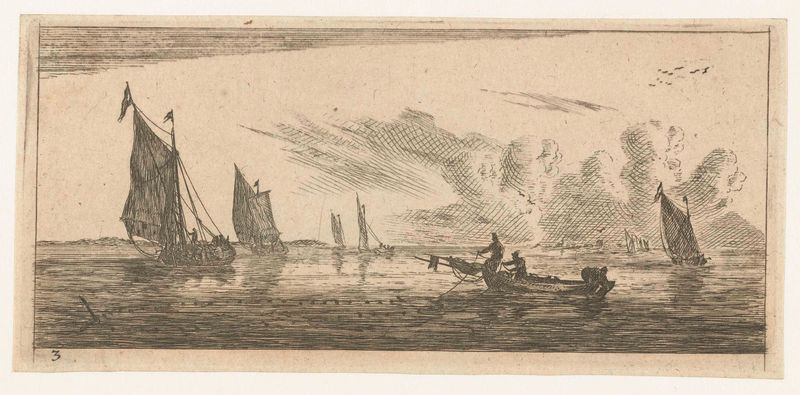
Zeegezicht met verschillende zeilschepen
Reinier Nooms
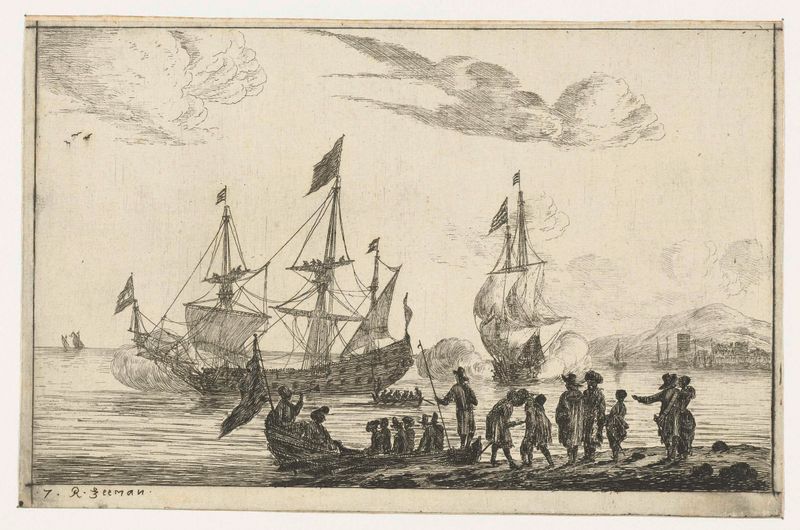
Havenscène met een spiegelsloep
Reinier Nooms
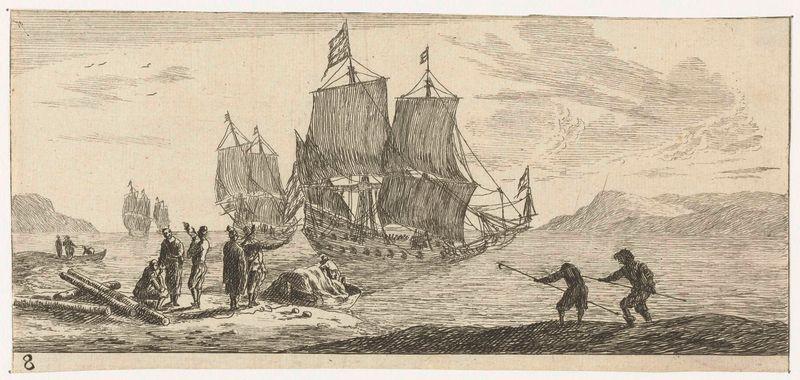
Vier grote zeilschepen in een baai
Reinier Nooms
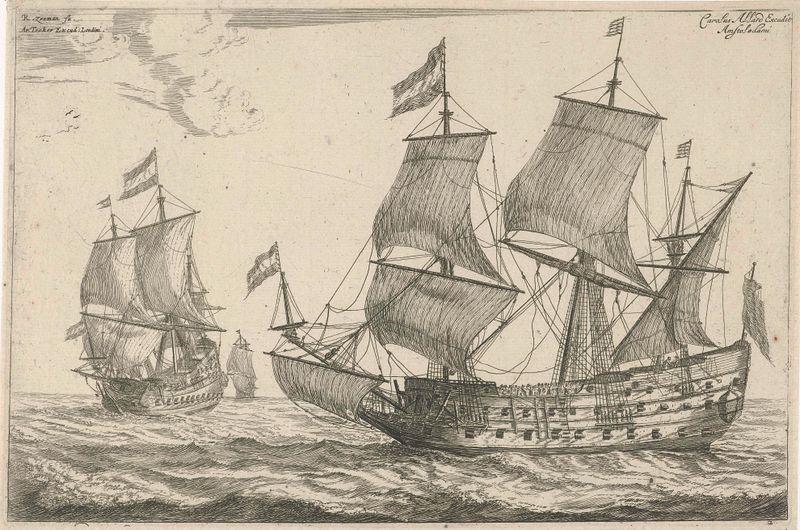
Twee grote oorlogsschepen
Reinier Nooms
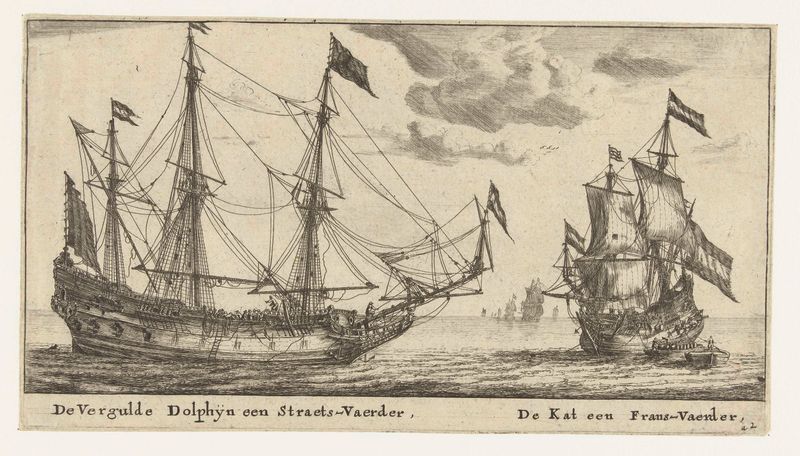
De schepen De Vergulde Dolfijn en De Kat
Reinier Nooms
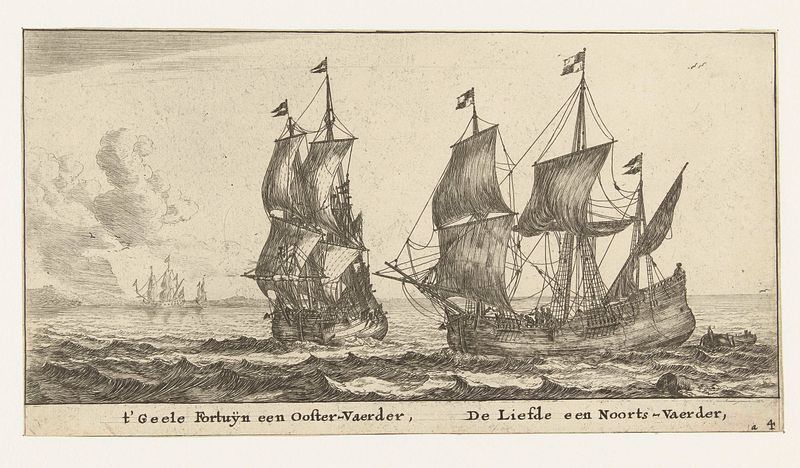
De schepen 't Gele Fortuin en De Liefde
Reinier Nooms
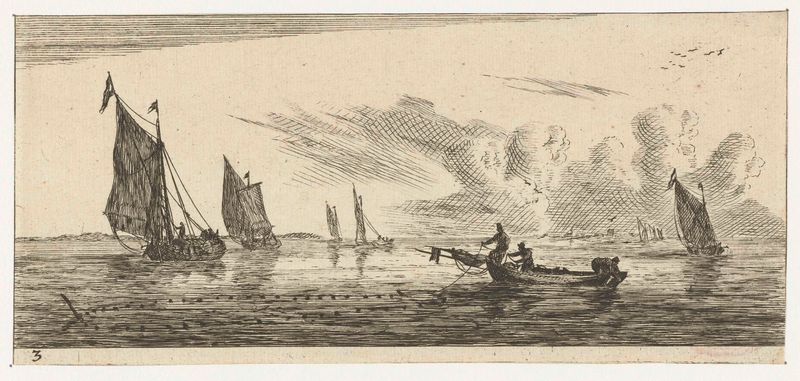
Zeegezicht met verschillende zeilschepen
Reinier Nooms
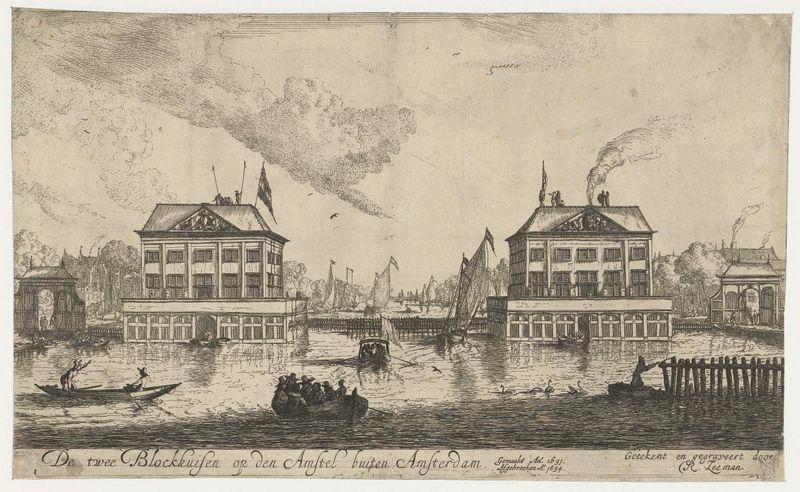
Gezicht op de twee Blokhuizen in de Amstel
Reinier Nooms
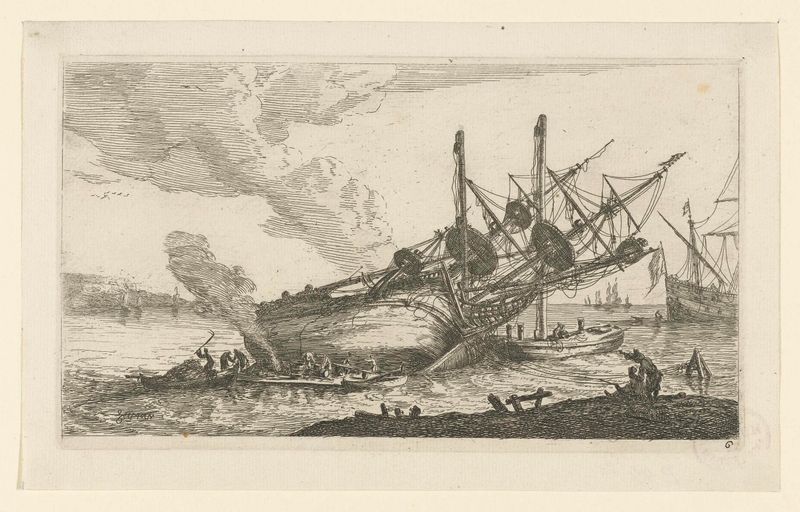
Reparaties aan de romp van een schip
Reinier Nooms
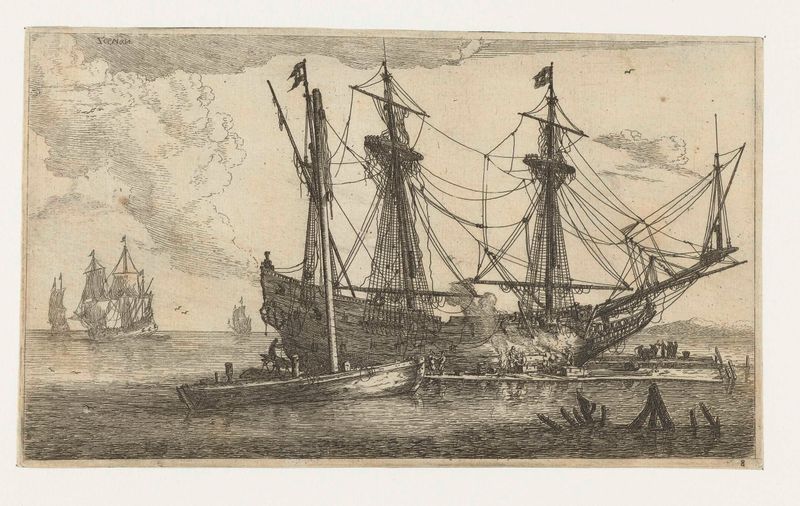
Reparaties aan de romp van een schip
Reinier Nooms





