
Aartsbisschoppen Bonifatius en Jacob, en paltsgraaf Ludwig — History & Facts
In the hands of Albrecht Dürer, the interplay of light and form awakens a profound dialogue between the sacred and the earthly, inviting us to reflect on the layers of existence that often go unnoticed. Look to the center of the canvas, where the figures of Bonifatius and Jacob stand, their adorned garments shimmering with meticulous detail against a backdrop of subdued tones. The artist’s precise lines define their solemn expressions, while the rich colors convey a sense of reverence. Notice how the soft glow around their heads draws your gaze, elevating them to a plane of spiritual significance, as if the light itself is a gentle caress illuminating their virtues. Dürer weaves an intricate narrative through subtle contrasts.
The opulence of their vestments juxtaposes the austere posture of the palatine count Ludwig, who stands slightly apart, embodying the weight of earthly power amidst a divine calling. Each element—the archbishops’ golden embellishments against their contemplative faces—whispers of the struggle between worldly ambition and spiritual devotion. The tension hints at the complex relationship between faith and authority in the tumultuous early 16th century, a time ripe with reformation and renewal. Created in 1515, this work emerged during a period of great upheaval in Dürer’s life, both personally and artistically.
He had established himself in Nuremberg, where the Renaissance ideals were taking root, and his exploration of humanism was shaping his artistic vision. The socio-political landscape was fraught with tension, yet within this turmoil, Dürer found the space to explore themes of awakening, both for himself and for the society that surrounded him.
More Artworks by Albrecht Dürer
Browse all →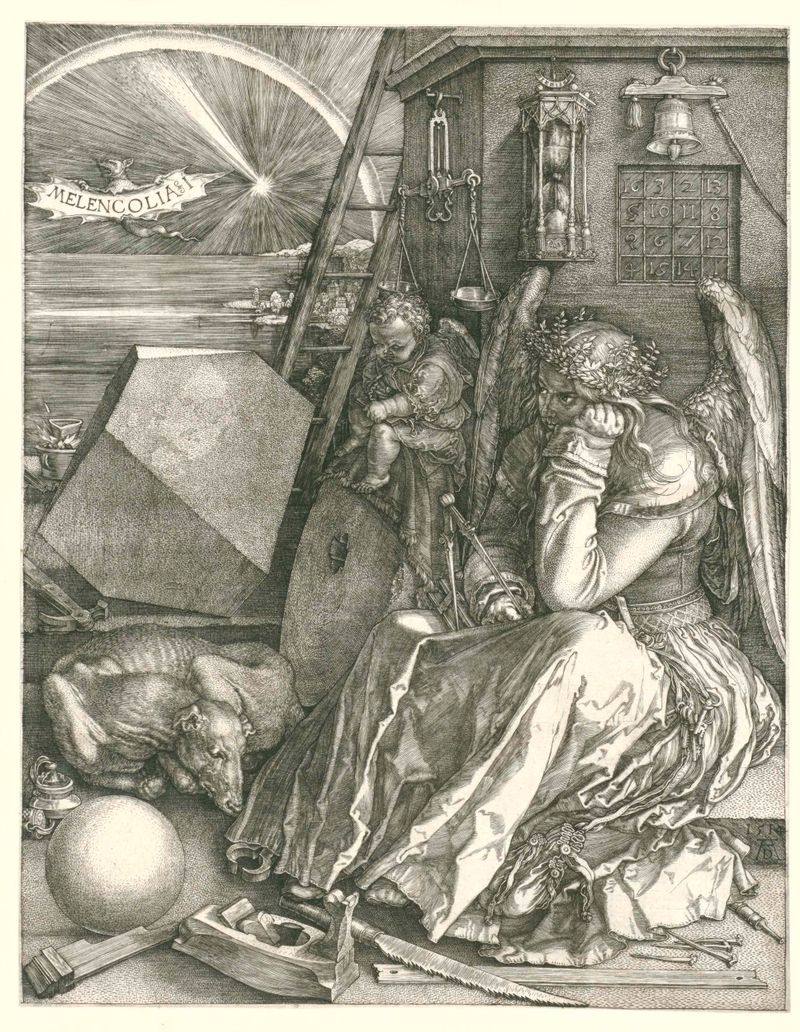
Melancholia
Albrecht Dürer
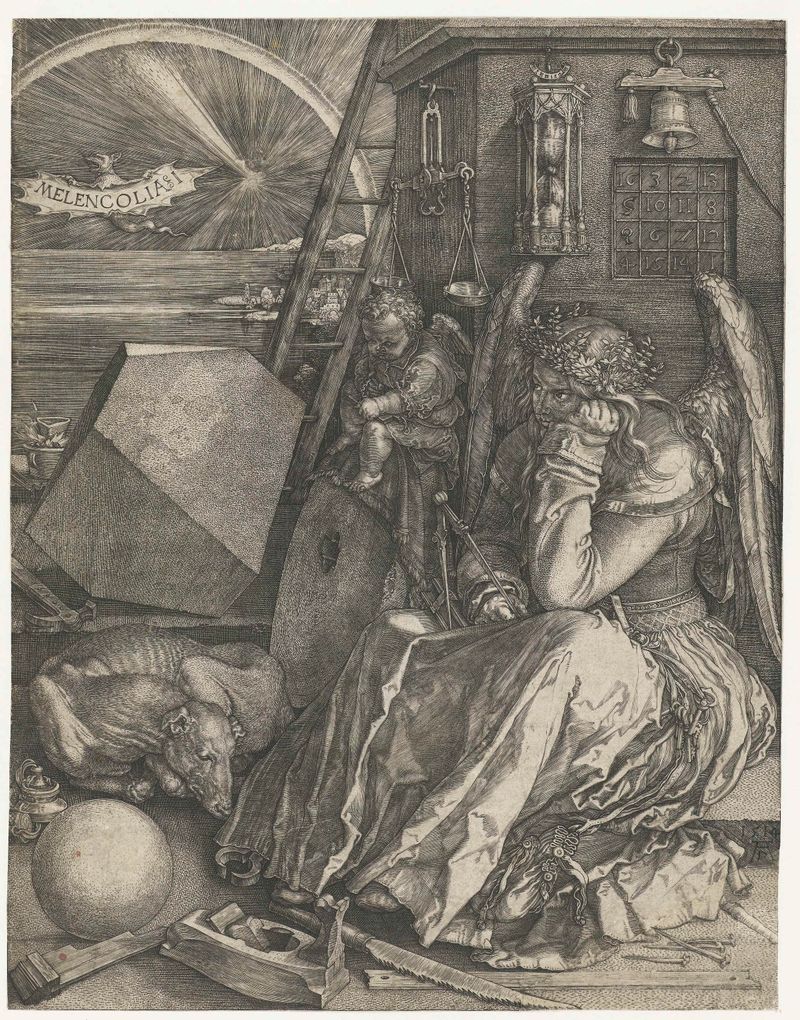
Melancholie
Albrecht Dürer

Neushoorn
Albrecht Dürer
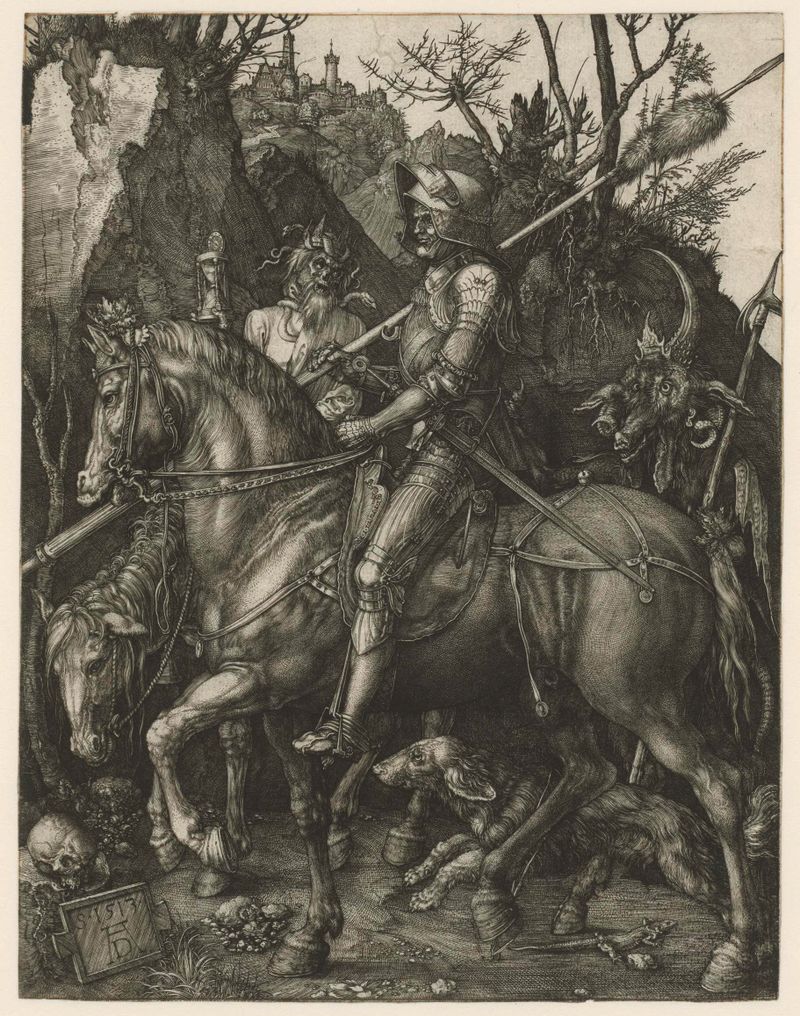
Knight, Death, and the Devil
Albrecht Dürer

De vier ruiters van de apocalyps
Albrecht Dürer

De vier ruiters van de apocalyps
Albrecht Dürer
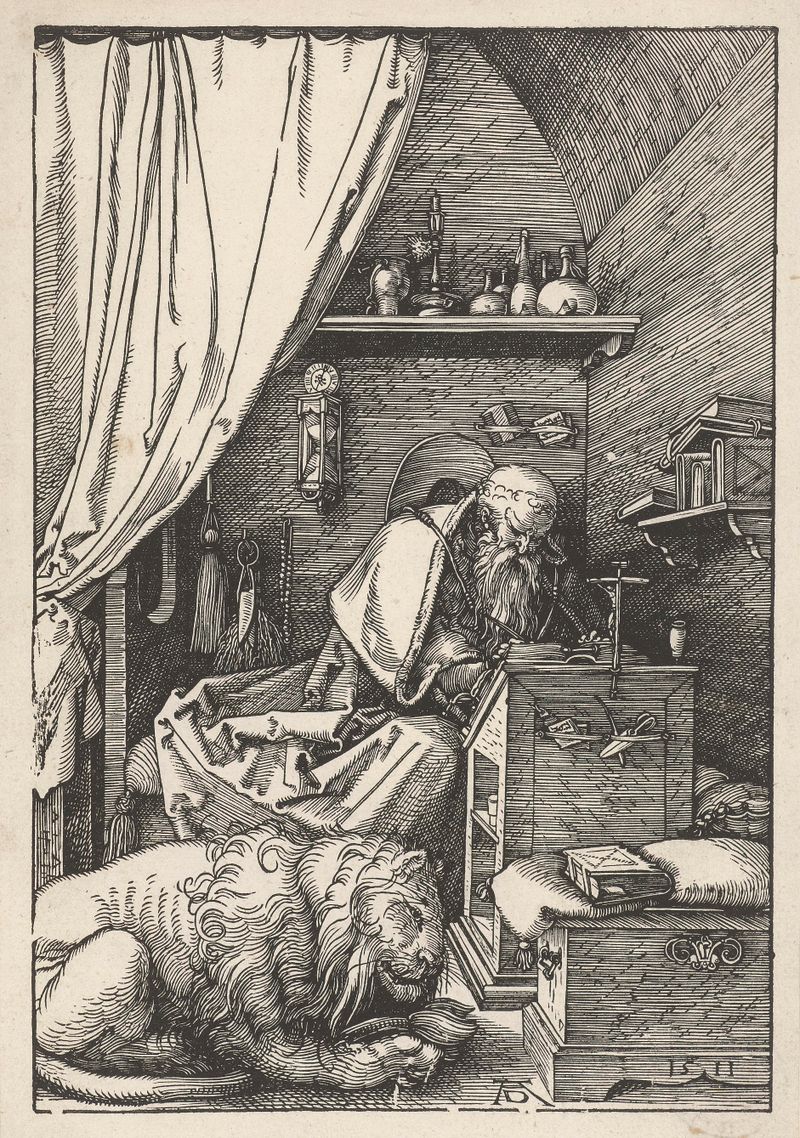
De Heilige Hiëronymus in zijn studeervertrek
Albrecht Dürer
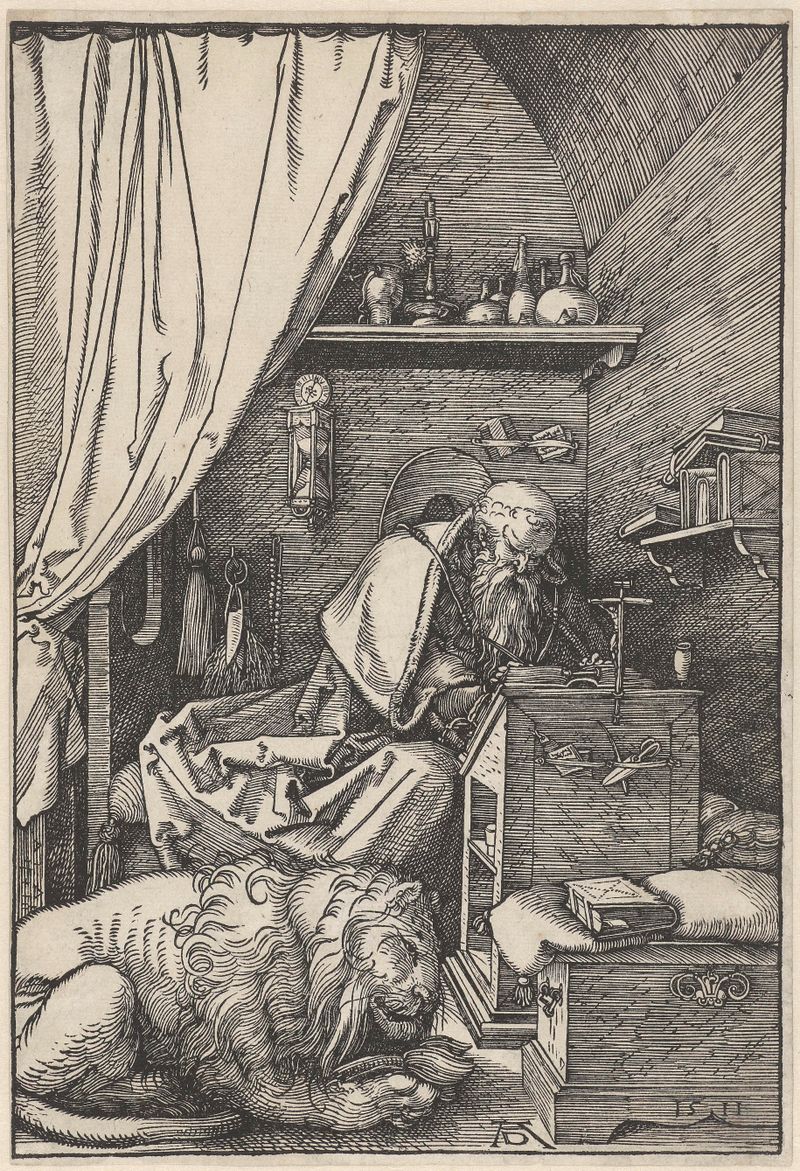
De Heilige Hiëronymus in zijn studeervertrek
Albrecht Dürer
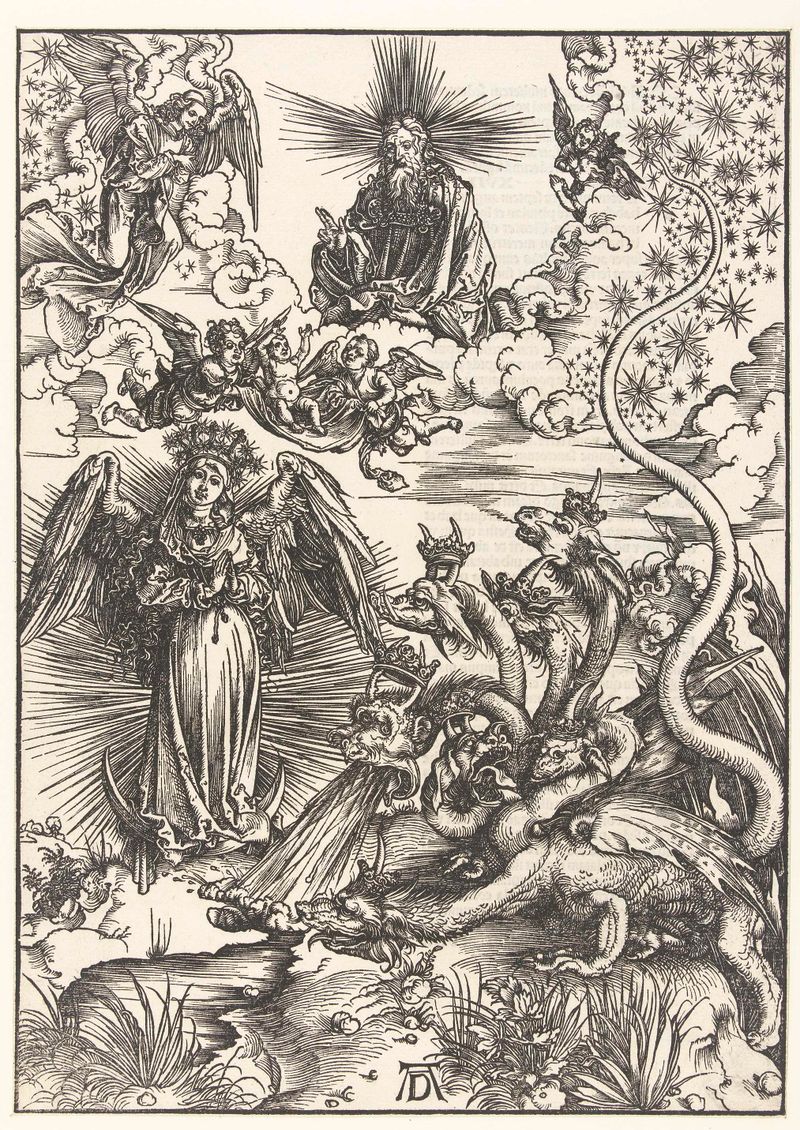
De apocalyptische vrouw en de zevenkoppige draak
Albrecht Dürer
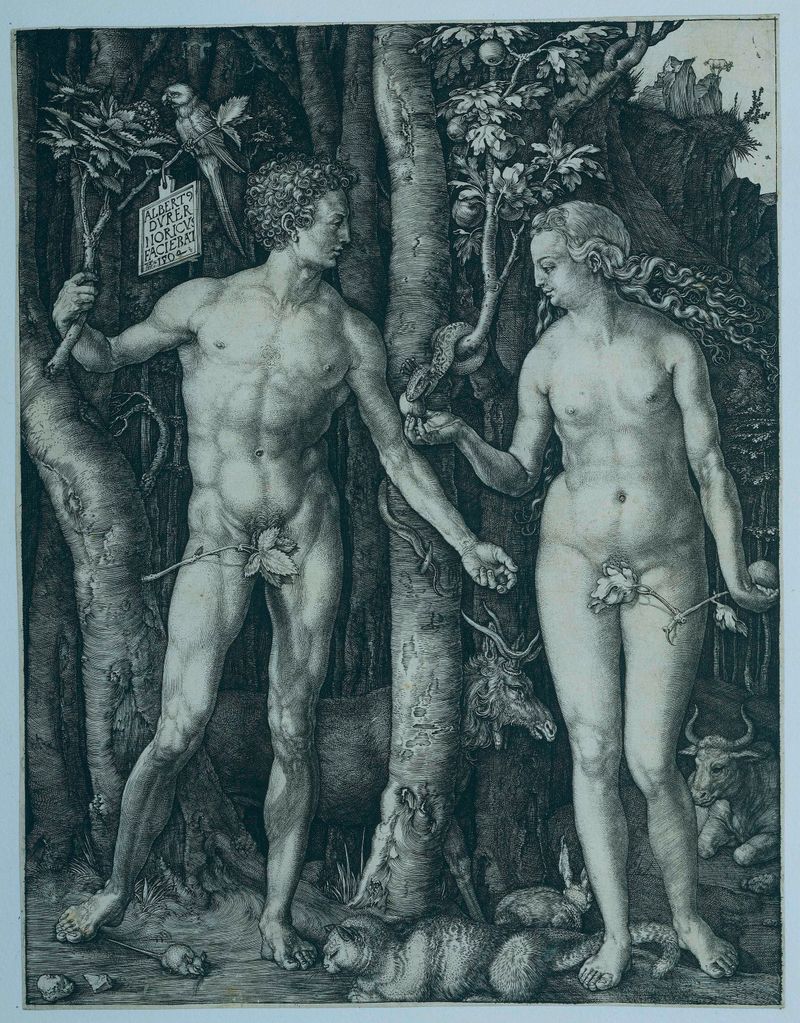
Adam en Eva
Albrecht Dürer
More Religious Art
Browse all →
The Return of the Prodigal Son
Rembrandt van Rijn

The Garden of Earthly Delights
El Bosco

Count Orgaz’ funeral
El Greco

The Hundred Guilder Print: the central piece with Christ preaching, the plate arched
Rembrandt van Rijn

The Descent from the Cross
Rogier van der Weyden

The return of the prodigal son
Rembrandt van Rijn