
Abbey at Birkenhead 1830 — History & Facts
Is this a mirror — or a memory? The ethereal quality of the scene evokes a realm where innocence collides with the passing of time, inviting reflection on what has been lost. Look to the left, where the delicate architecture of the abbey rises against a backdrop of muted greens and soft blues. The brushstrokes, gentle yet deliberate, create a sense of tranquility, as sunlight dapples the stone walls, illuminating their weathered texture. Notice how the artist captures the play of light, casting gentle shadows that seem to breathe life into the crumbling structure, echoing the whispers of history that reside within its walls. At the heart of this work lies a poignant contrast between the enduring beauty of the abbey and the fragility of innocence.
The serene landscape suggests a sense of nostalgia, reminding viewers of a time when faith and reflection were deeply intertwined with the natural world. Subtle details, such as the merging colors of the sky and the water, symbolize the fluid nature of memory, hinting at both the permanence of the structure and the transience of human experience. In 1830, while creating this piece, the artist navigated the intricacies of her surroundings in England, a time marked by Romanticism’s embrace of nature and emotion in art. With the rise of industrialization beginning to alter the landscape, this painting speaks to a yearning for connection with simpler times, reflecting both personal and collective sentiments shared within artistic communities of the era.
More Artworks by Anne Rushout
Browse all →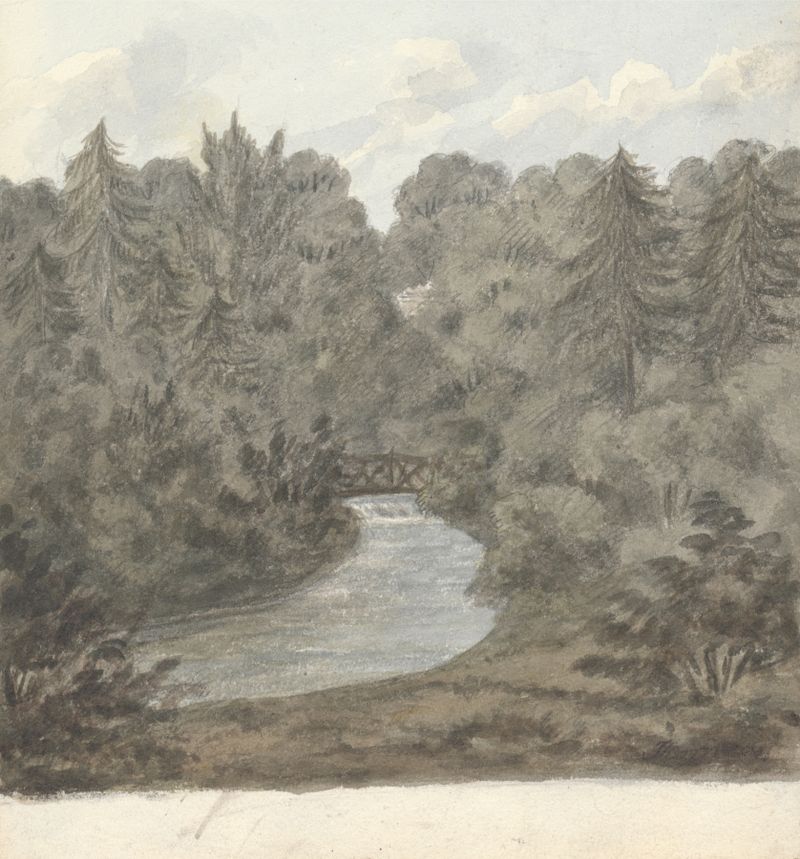
Thornery Pool, Sezincote
Anne Rushout
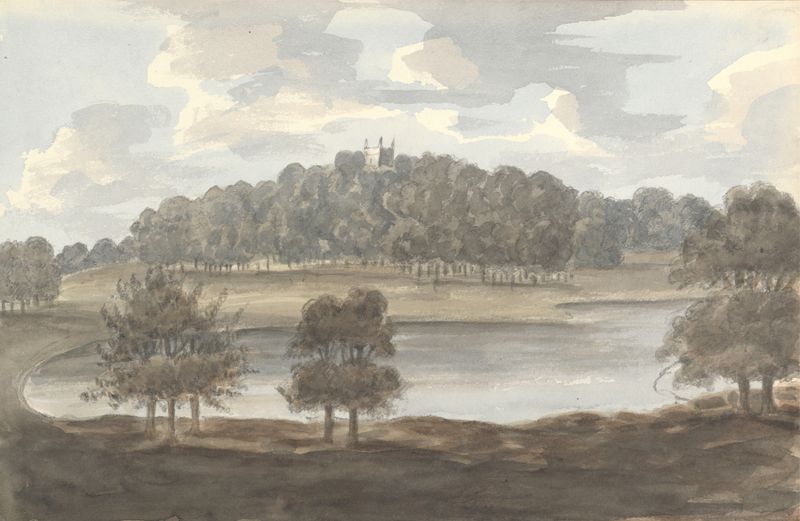
Holkham, August 1824
Anne Rushout

Grove Cottage, Wanstead May 18th, 1825
Anne Rushout
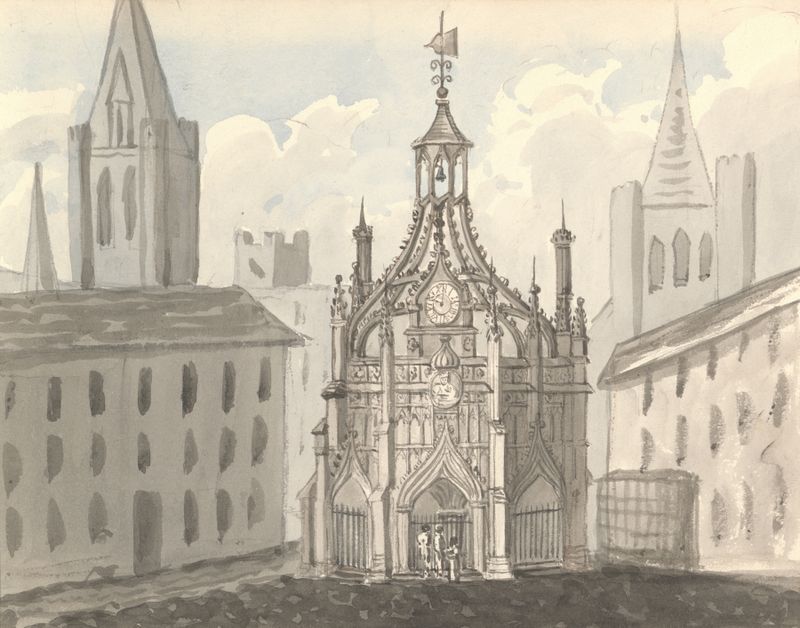
From Inn at Chichester, July 1828
Anne Rushout
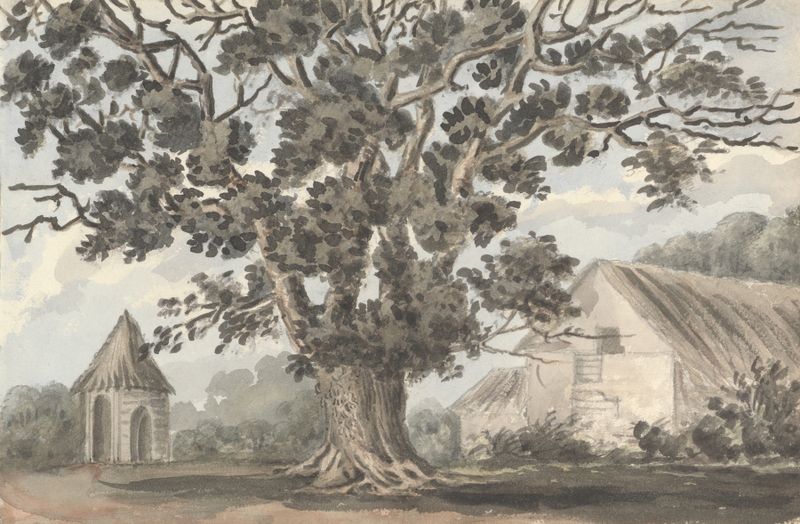
Queen Elizabeth’s Oak near Finborough Hall
Anne Rushout

Holkham, August 1824
Anne Rushout
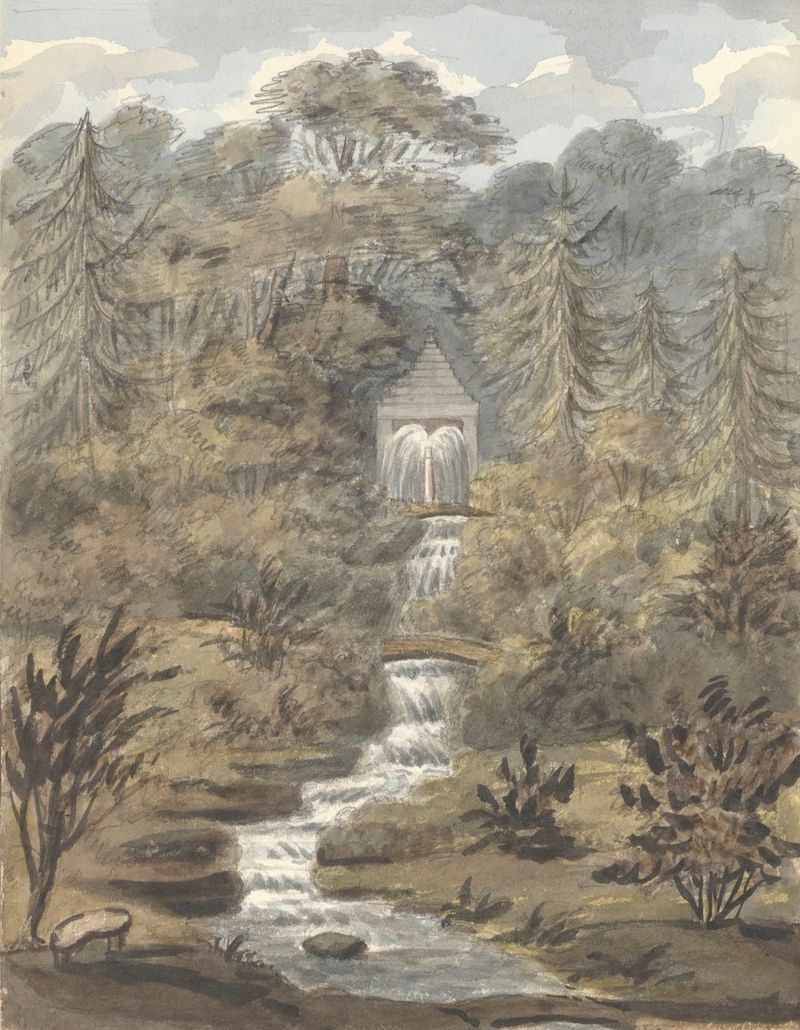
Temple and Falls, Sezincote
Anne Rushout

From Flower Garden, Wanstead Grove
Anne Rushout

From Window at Eastnor Castle, Gloucestershire Beacon, September 28, 1829
Anne Rushout

From Portico at Wanstead Grove, May 24, 1825
Anne Rushout





