Abendnebel — History & Facts
This reflection resonates deeply when contemplating the ephemeral nature of existence captured in this work. It invites us to wade through the layers of life and death, beauty and decay. Focus on the somber hues that dominate the canvas, drawing your eye first to the intertwining forms that seem to dissolve into the mist. Notice how the soft blues and grays wrap around the figures, creating an atmosphere thick with the weight of silence.
The delicate brushstrokes evoke a sense of movement, as if the shadows are slipping away, hinting at the transition between realms. Here, the artist contrasts the tangible details of life with the ethereal quality of fog, representing both warmth and the chill of mortality. The figures, though indistinct, seem to reach for one another, suggesting a longing that transcends physical existence. Each subtle tone contributes to a feeling of inevitable loss, yet there lies a quiet acceptance within the composition, where the beauty of the moment coexists with its impermanence. Created around 1921, during a tumultuous period marked by post-war introspection, the artist found himself grappling with themes of existence and identity.
Working in Germany amidst a rapidly changing cultural landscape, he sought to express the fragility of life through this artwork. At this time, movements like expressionism were influencing many artists, and Wiener’s work reflects a profound engagement with the emotional complexities of human experience.
More Artworks by Karl Wiener
Browse all →
Österreich
Karl Wiener

Vorstadt VII
Karl Wiener

Der Turm
Karl Wiener

Ohne Titel (Häuser mit Holzscheune)
Karl Wiener

Kopfstudie, aus; ‘Profile’, 10 Blätter, Graz XV
Karl Wiener

Steinberg
Karl Wiener
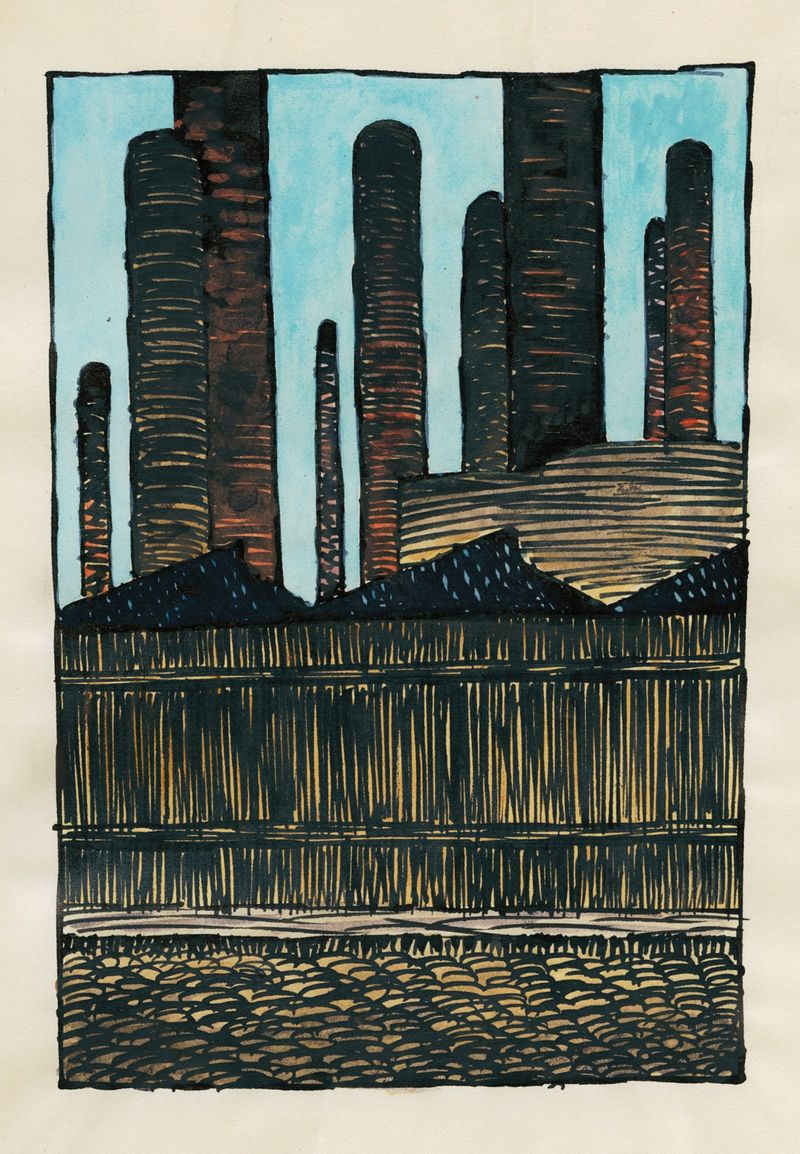
Kopfstudie, aus; ‘Profile’, 10 Blätter, Graz XIV
Karl Wiener

Ohne Titel (Bauernhaus mit Vorgarten)
Karl Wiener
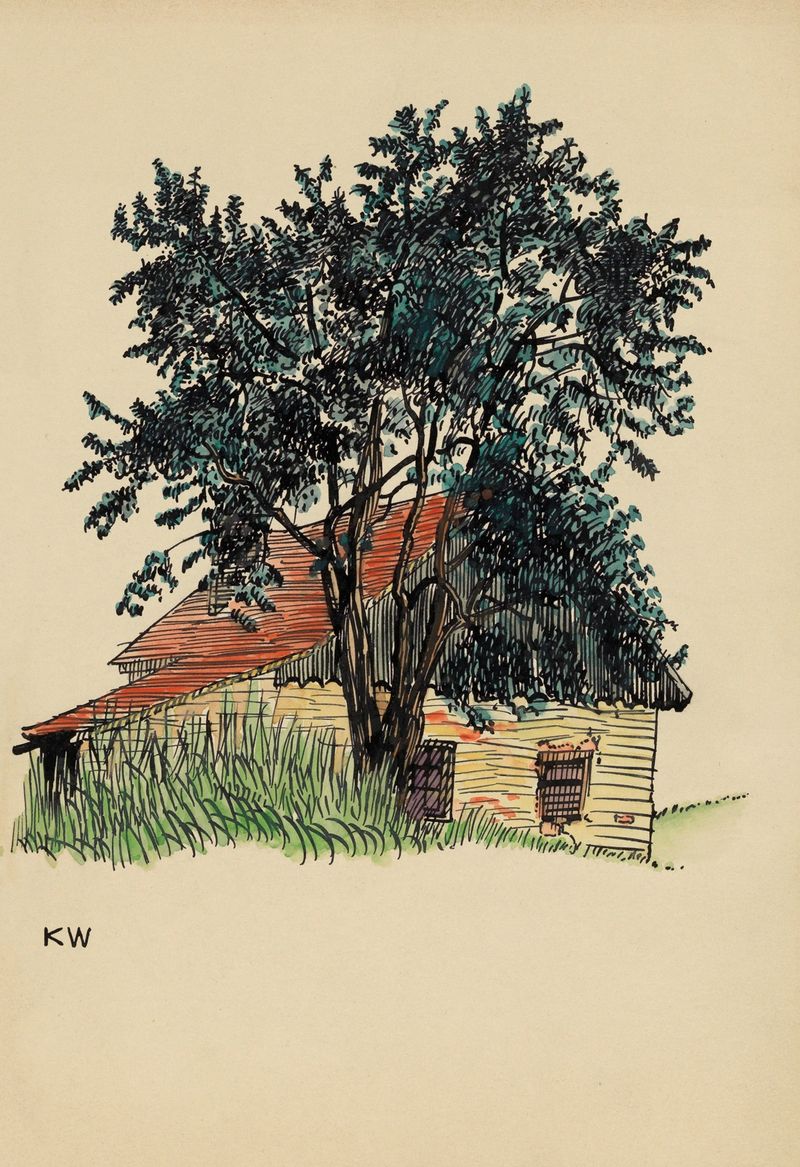
Ohne Titel (Bauernhaus)
Karl Wiener
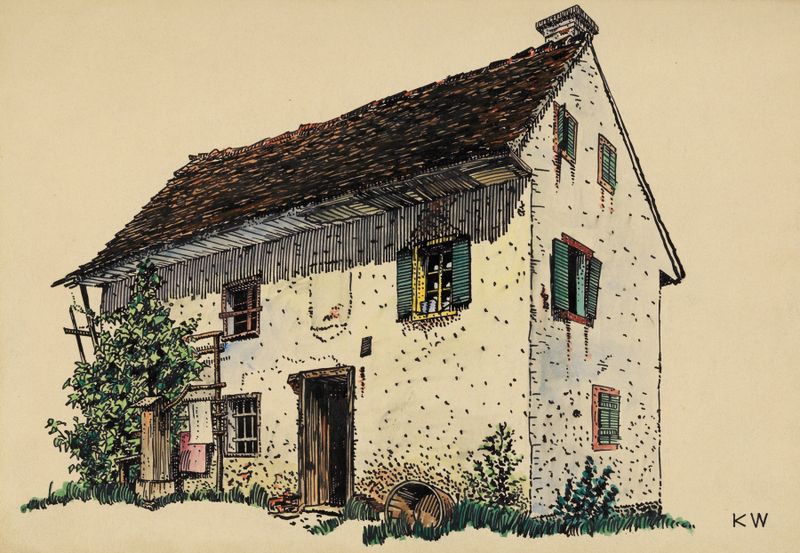
Ohne Titel (Bauernhaus)
Karl Wiener