Ablain, St. Nazaire — History & Facts
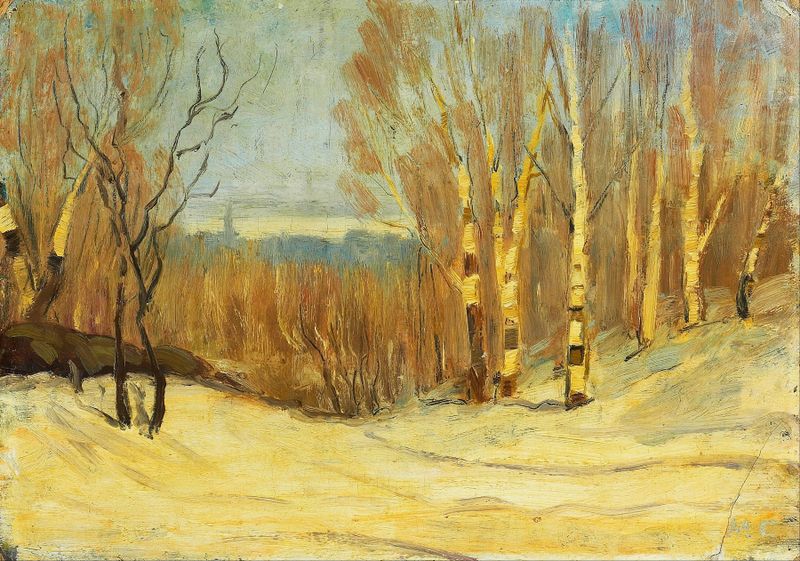
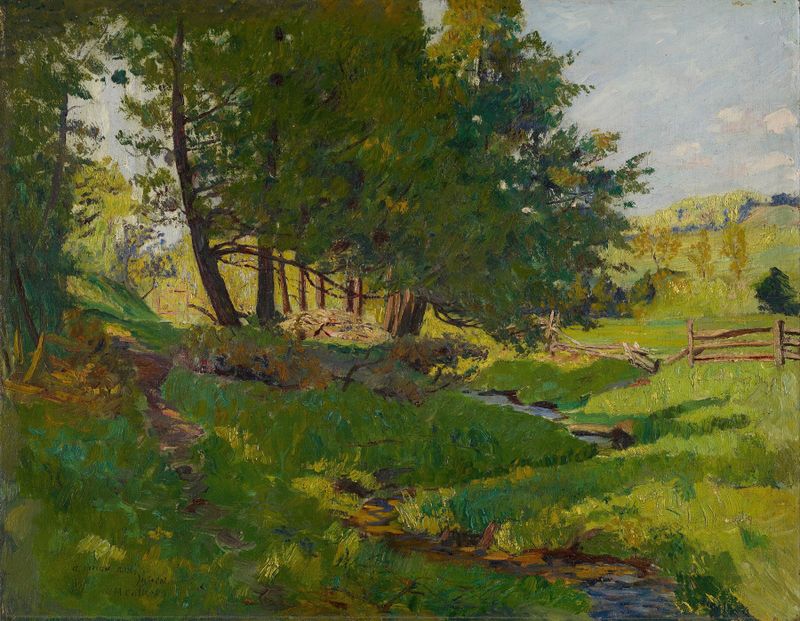
Could a single brushstroke hold eternity? In Ablain, St. Nazaire, a lingering sense of longing permeates the canvas, echoing the silent whispers of the past. First, look to the horizon where muted blues collide with somber grays, hinting at an early dawn or dusk. The subtle play of light reveals a landscape shrouded in mist, creating a sense of depth that draws the eye inward.
Notice how the brushwork conveys texture; the gentle strokes suggest a soft breeze brushing over the fields, while the layered palette evokes an emotional gravity that resonates deeply with viewers. Every stroke seems deliberate, capturing both the essence of the moment and the weight of history. Beneath the surface lies a tapestry of hidden meanings. The blending of colors speaks to the intermingling of hope and despair, as the distant shapes of trees and buildings stand resilient yet vulnerable against the encroaching fog.
This contrast elicits feelings of nostalgia, conjuring images of what once was and what remains unfulfilled. The landscape, while tranquil, evokes a palpable yearning, as if the land itself mourns the memories of those who walked upon it. In 1918, Ablain, St. Nazaire emerged from Cullen's brush during a time marked by the aftermath of World War I, when the echoes of loss and recovery reverberated across Europe.
Living in Canada, the artist drew inspiration from the experiences of countless individuals affected by the war, channeling their collective grief into this poignant work. The painting reflects not just a physical place but a shared sense of longing for peace and permanence amid the transience of life’s fleeting moments.