Winter near Montreal — History & Facts
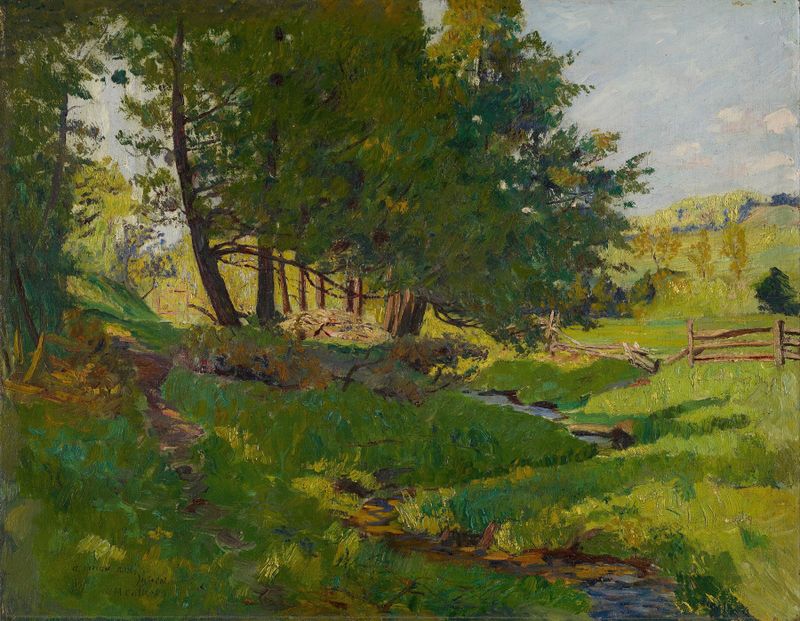
In the stillness of winter, time stretches like the snow blanketing the landscape, capturing fleeting moments forever in its icy embrace. Look to the left at the gentle rise of the snow-laden hills, their contours delicately outlined against a pale, wintry sky. The subtle gradation of blues and whites creates a serene atmosphere, while flecks of warmth peek through, suggesting hidden life beneath the frost. Notice how the light filters through the clouds, casting soft shadows on the untouched snow, inviting the viewer to explore the scene further.
This harmonious blend of technique and color transports us into a tranquil realm, evoking a sense of quiet reflection. Beneath the serene surface lies an emotional tension between solitude and connection. The towering trees stand sentinel-like, their branches heavy with the weight of snow, hinting at resilience in the face of harsh conditions. The stillness of the landscape contrasts sharply with the dynamic interplay of light and shadow, suggesting the passage of time and the memories held within each frozen moment.
In this composition, Cullen masterfully encapsulates the quiet beauty of winter, reminding us that even in stillness, life unfolds. Created between 1891 and 1901, this work reflects Cullen's deep engagement with the Canadian landscape during a period marked by a nationalistic art movement. Influenced by European Impressionism, he sought to capture the essence of his homeland, striving to convey the fleeting beauty of nature amidst changing times. During this decade, he was establishing himself as a leading figure in Canadian art, contributing significantly to the portrayal of the northern wilderness and its evocative landscapes.