
Above Tower Falls, Yellowstone — History & Facts
Can paint confess what words never could? In Above Tower Falls, Yellowstone, the landscape speaks volumes, whispering secrets through its intricate brushstrokes and vivid hues. Look to the left at the majestic tower of rock, its grandeur dominating the canvas. The falls cascade down with an almost ethereal glow, accentuated by soft blues and whites that contrast against the earthy browns and greens of the surrounding landscape. Notice how the sunlight dapples the scene, illuminating the mist that rises from the water with a delicate touch, creating an interplay of light and shadow that invites the viewer to linger.
Every stroke seems deliberate, as if the artist captured the very essence of the wild. Delve deeper into the painting's emotional core; the roaring water symbolizes nature's untamed power, while the towering rock represents enduring stability. Together, they form a dialogue between chaos and calm, evoking a sense of awe and vulnerability in the face of the natural world. The interplay of light and texture creates a sense of movement, lending life to the scene, yet there’s an underlying stillness that invites contemplation—a moment frozen yet alive with possibility. In 1872, while working in Yellowstone, Moran was at the forefront of America’s burgeoning landscape painting movement.
His experiences during this time greatly influenced the public’s perception of the American West. Amidst the excitement of exploration and the rise of the National Park movement, he sought to capture the sublime beauty of nature, paving the way for future generations to appreciate the majesty of the untamed landscape.
More Artworks by Thomas Moran
Browse all →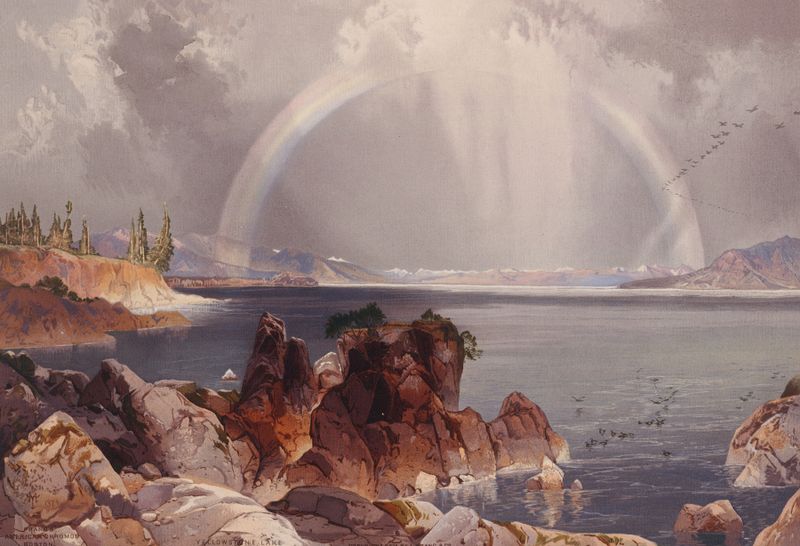
Yellowstone Lake
Thomas Moran

Grand Canyon of the Colorado River
Thomas Moran

Grand Canyon, Colorado River
Thomas Moran

The Towers of Tower Falls, Yellowstone
Thomas Moran
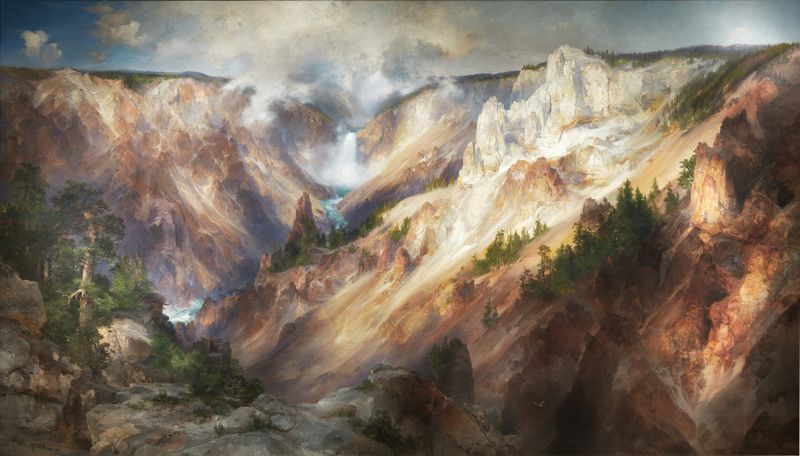
The Grand Canyon Of The Yellowstone
Thomas Moran

Mountain of the Holy Cross
Thomas Moran

Cliffs Of The Upper Colorado River, Wyoming Territory
Thomas Moran
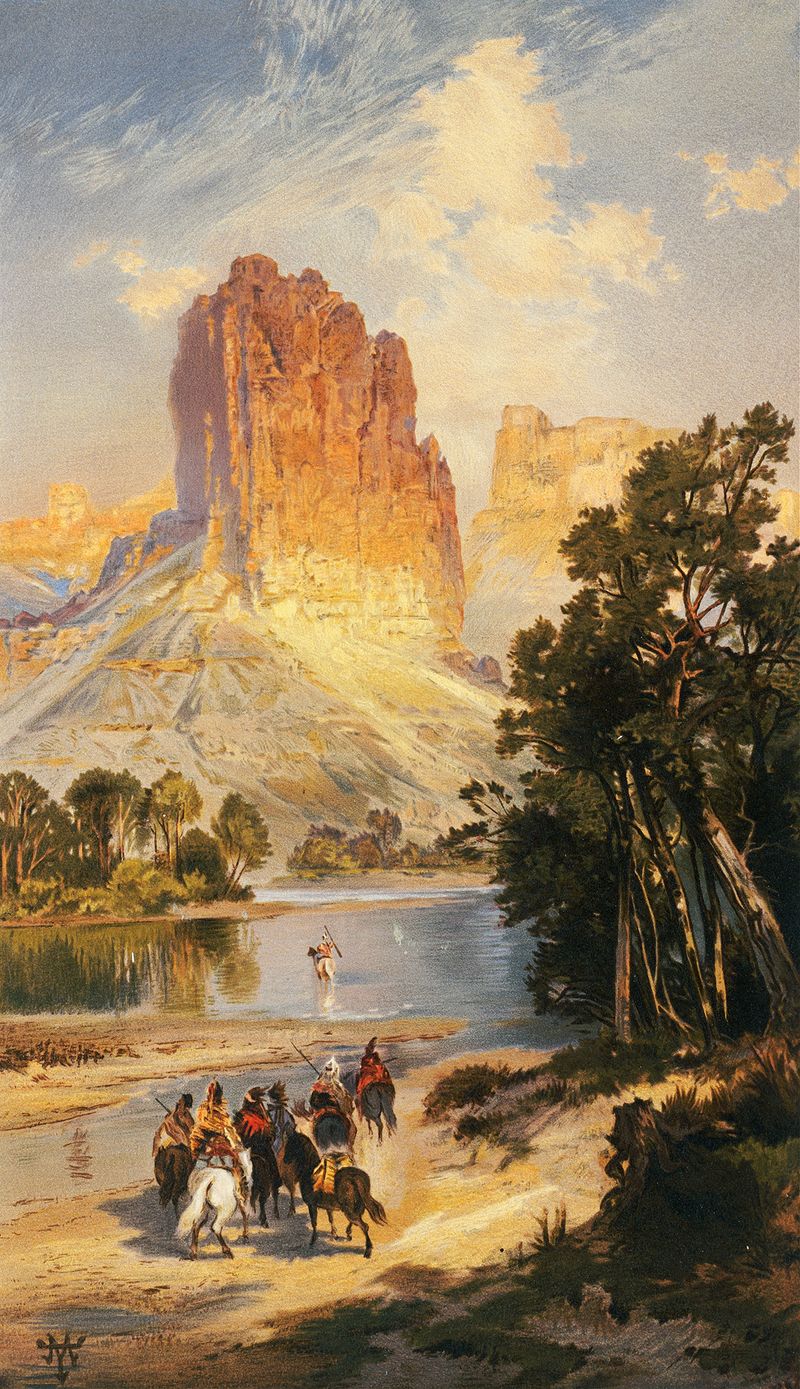
Cliffs of the Upper Colorado River, Wyoming Territory
Thomas Moran

Mammoth Hot Springs, Yellowstone
Thomas Moran
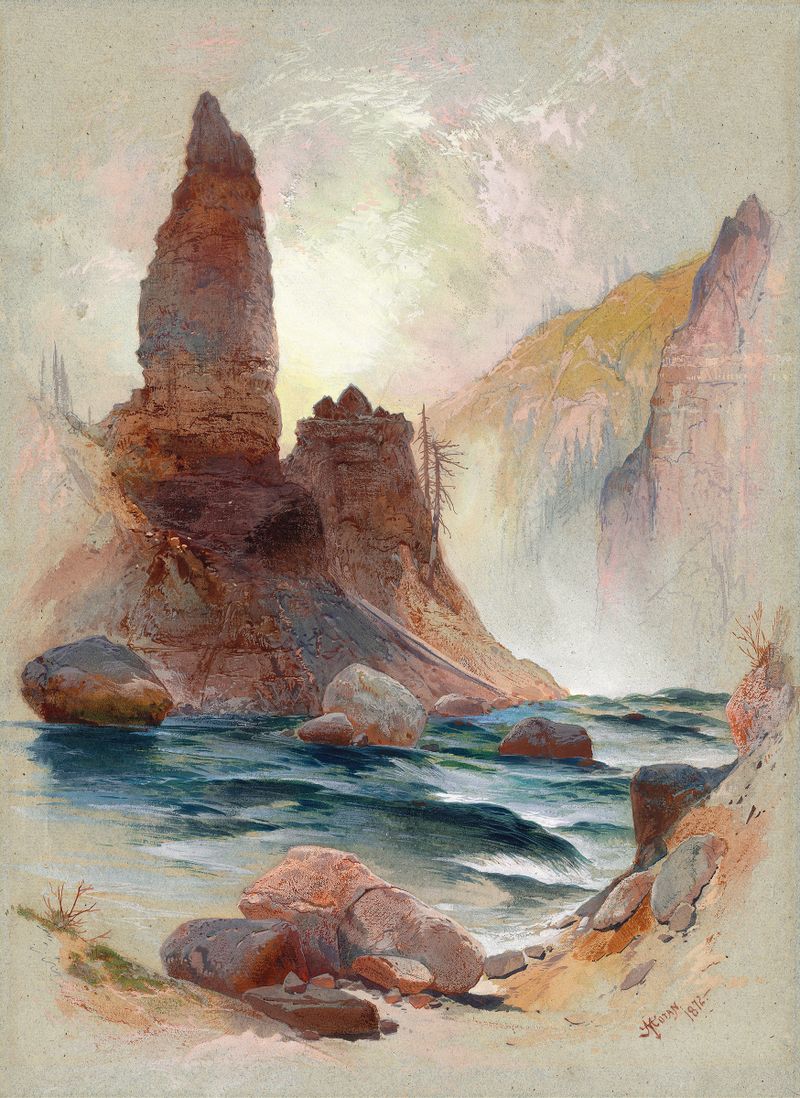
Tower at Tower Falls, Yellowstone
Thomas Moran





