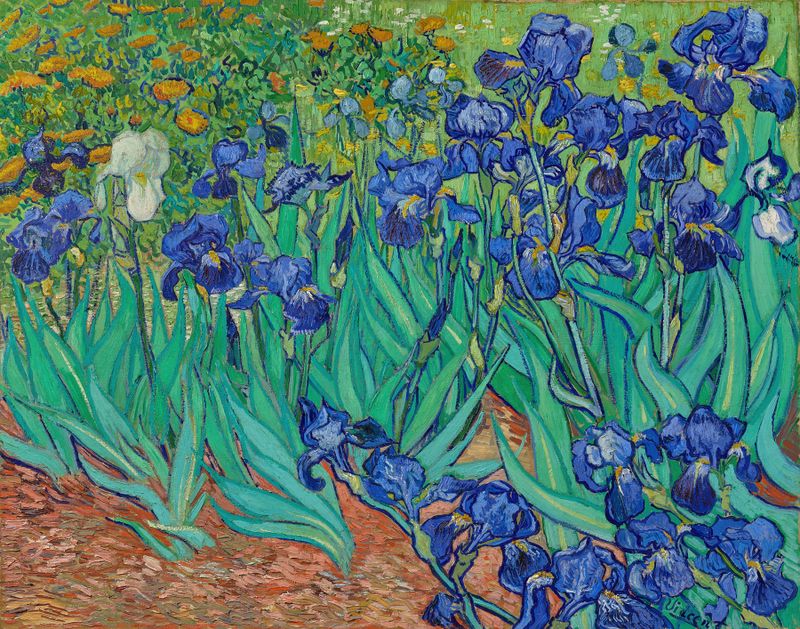
Achter de Westerkerk in Enkhuizen — History & Facts
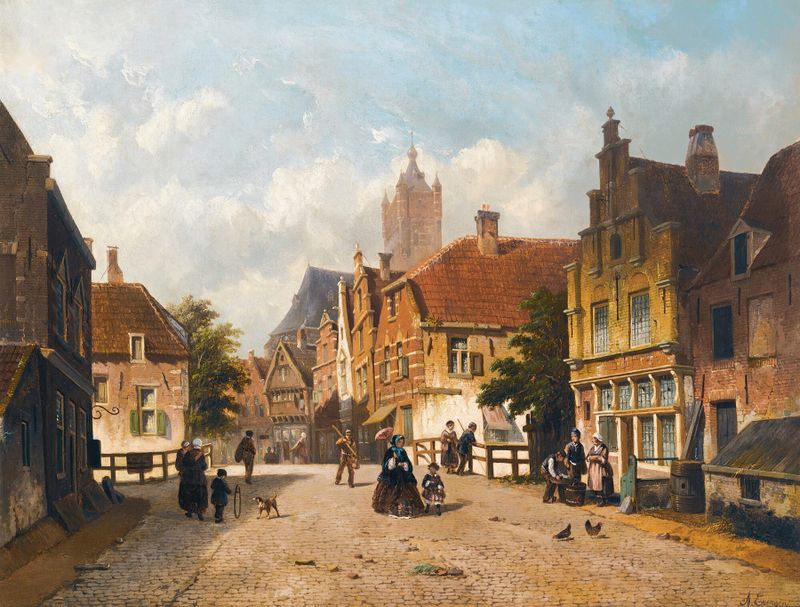
When did color learn to lie? The vibrant hues of nature often mask a deeper truth, revealing beauty that dances between reality and illusion. Look to the foreground, where a cluster of delicate flowers bursts forth, their colors radiant against the soft greens of the grass. Notice how the light falls upon the petals, each stroke of paint rendered with a meticulous hand that breathes life into them. The composition draws your eye from the vivid blooms towards the backdrop of the serene canal, expertly capturing the shimmering reflections that ripple with the gentle breeze.
The artist’s deft blending of warm and cool tones creates a harmonious balance that invites the viewer into a world both tranquil and alive. Yet, beneath this picturesque facade lies a subtler conversation about transience. The juxtaposition of the fleeting beauty of the flowers against the enduring architecture of the Westerkerk suggests a contrast between nature and man-made permanence. The flowers, though vibrant, are ephemeral, while the church stands stoic in the background, hinting at the inevitability of time's passage.
This duality stirs a contemplative tension that lingers long after the eyes have drifted away from the canvas. Adrianus Eversen painted this scene in 1880 while living in the Netherlands, a time when artists were beginning to explore impressionism and the interplay of light and color. The world of art was shifting, embracing a new way to express the beauty of everyday life, and Eversen's work exemplifies this transition. Capturing the essence of fleeting moments against a backdrop of historical significance, he contributed to a rich dialogue that defined an era.
More Artworks by Adrianus Eversen
Browse all →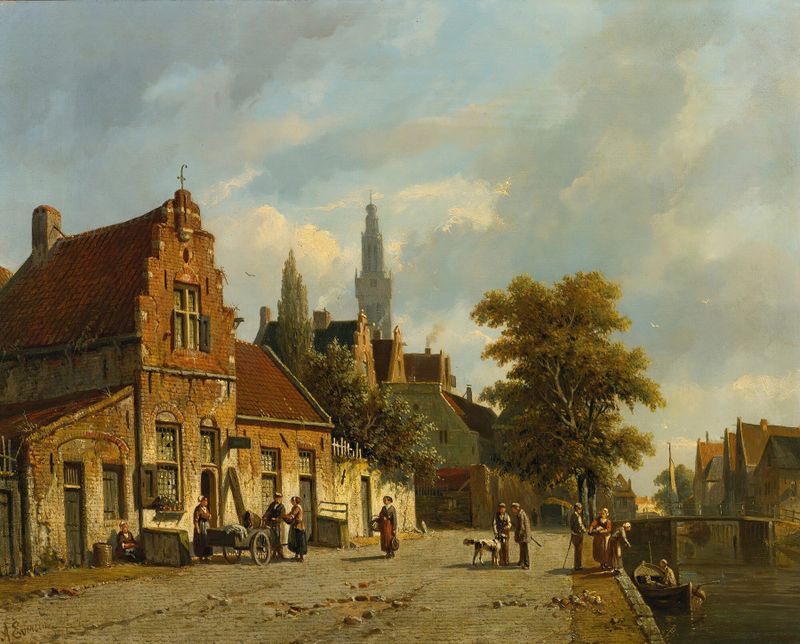
A Town In Holland
Adrianus Eversen
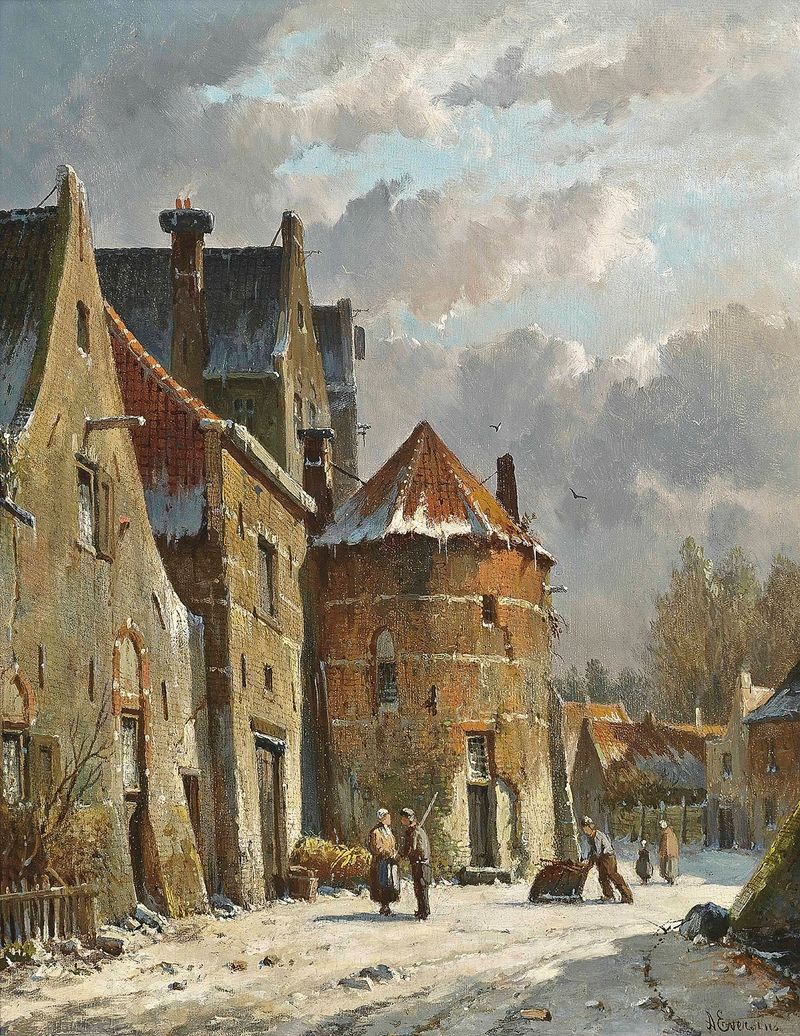
Figures On A Dutch Street, Winter
Adrianus Eversen
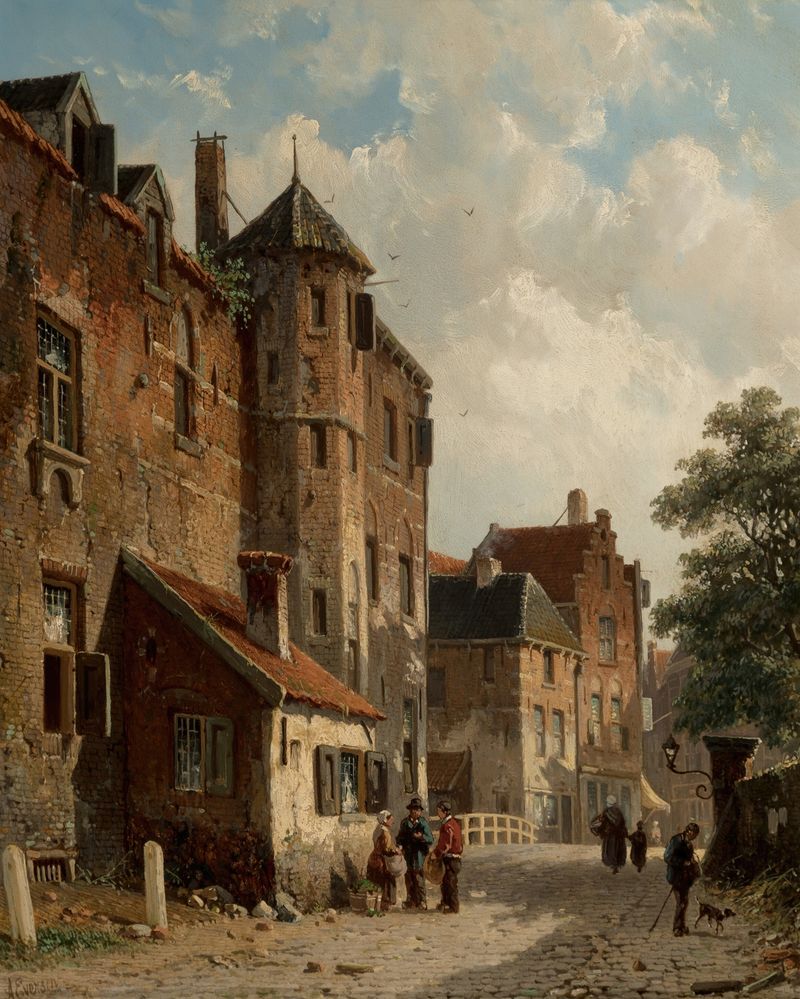
View of a sunlit Dutch street scene
Adrianus Eversen

A Dutch street scene
Adrianus Eversen
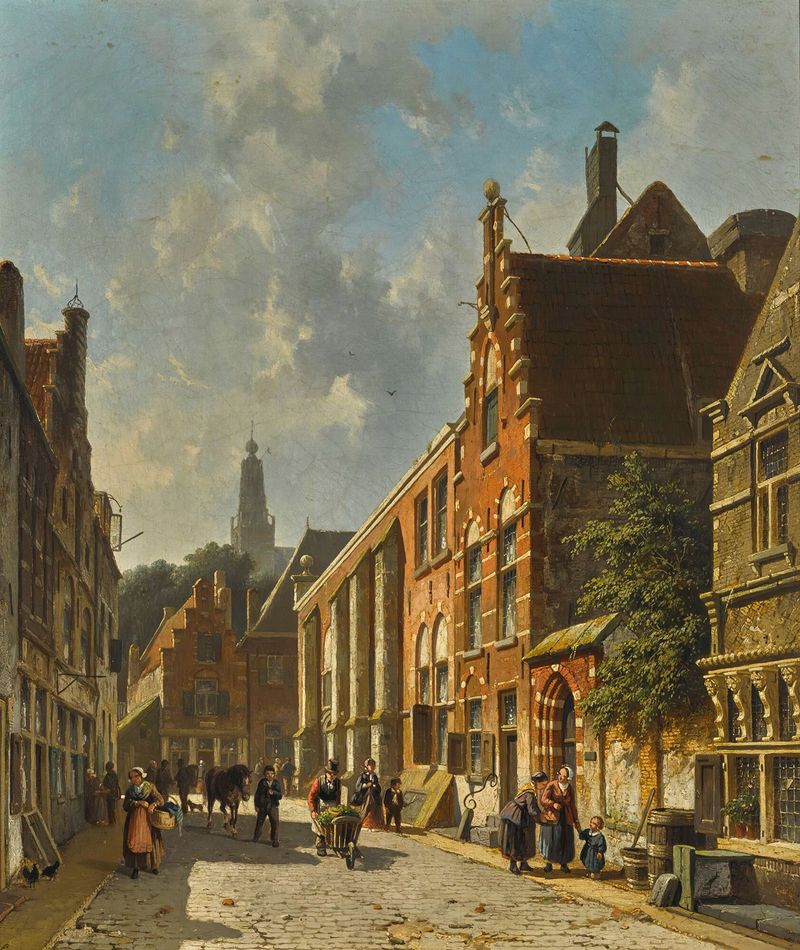
A busy street in summer
Adrianus Eversen
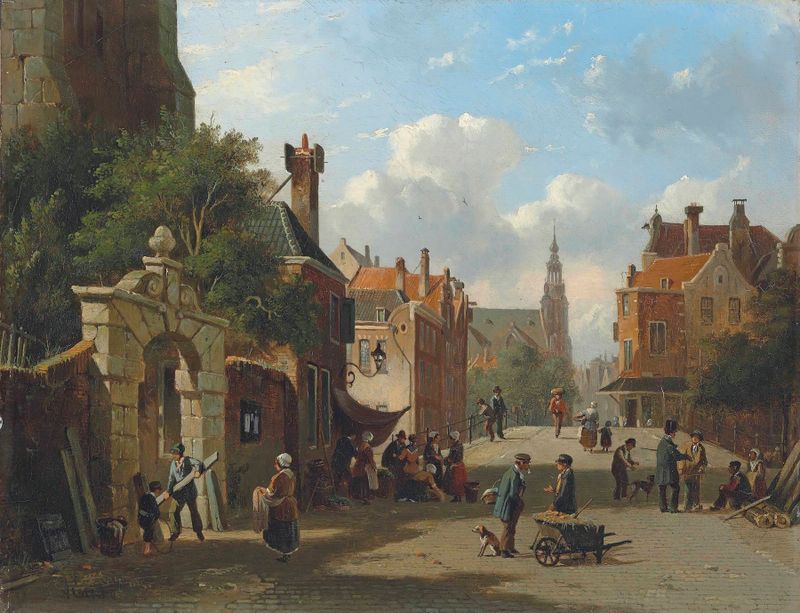
A busy street in Holland
Adrianus Eversen
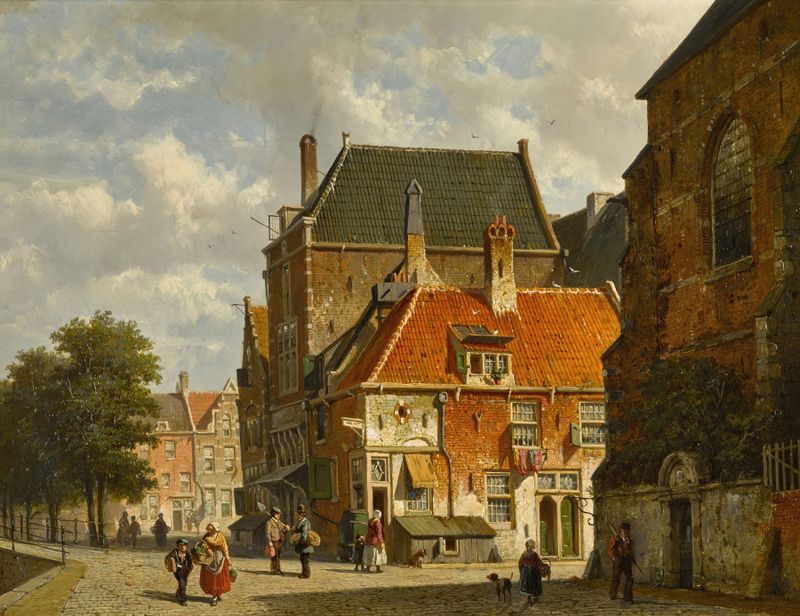
Figures on a Sunlit Street
Adrianus Eversen
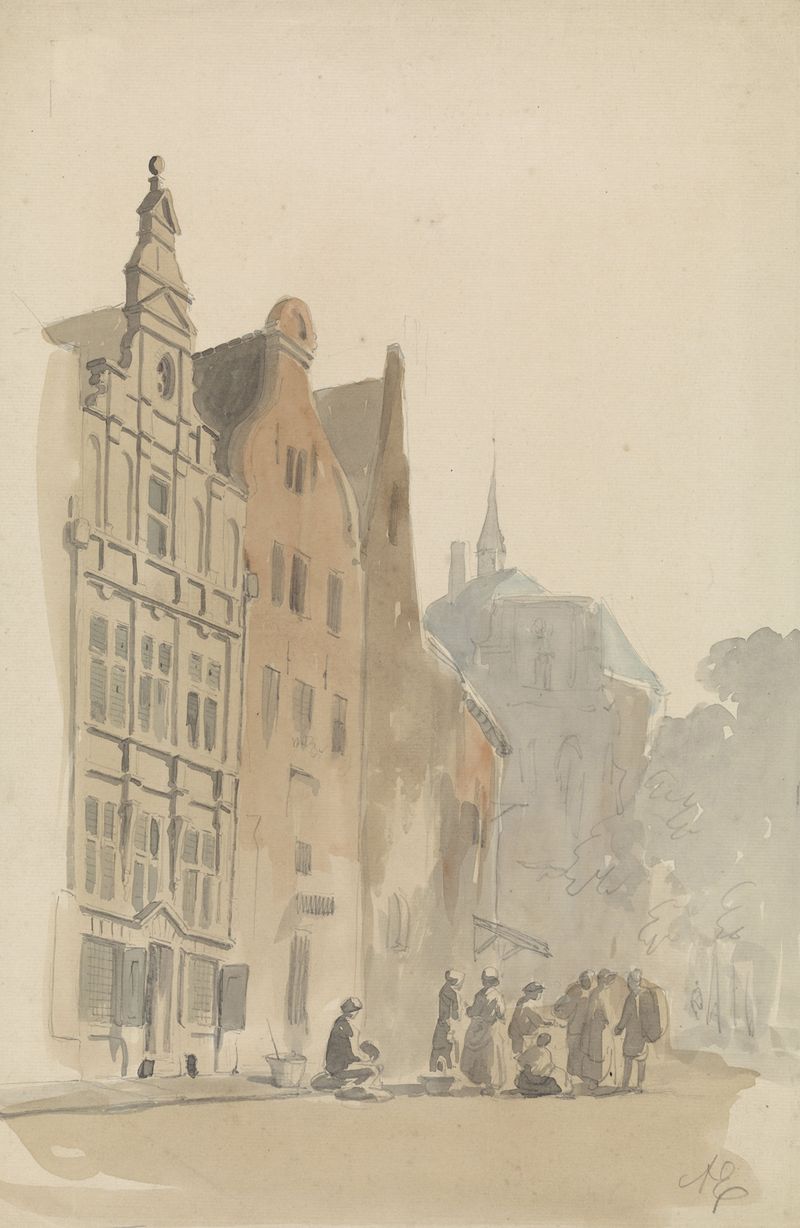
Ronde Lutherse kerk en enige huizen te Amsterdam
Adrianus Eversen
A dutch street
Adrianus Eversen

Ansicht auf die die Westkerk in Enkhuizen
Adrianus Eversen