
Achterkant van penning met wapen van Koning Ferdinand I van Hongarije en Bohemen — History & Facts
Who listens when art speaks of silence? The stillness of the engraved surface invites contemplation, urging the viewer to ponder the weight of mortality imprinted within its design. Look closely at the intricate detailing of the heraldic emblem at the center. Notice how the deep cuts create a play of light and shadow, giving the metal a lifelike quality, as if it breathes. The surrounding motifs, delicately carved, frame the central image beautifully, guiding the eye and evoking a sense of reverence for nobility and legacy.
The overall composition balances simplicity and complexity, drawing one into the deep historical narrative etched in time. Yet, beneath the ornamentation lies a stark reminder of impermanence. The emblem of King Ferdinand I, a symbol of power, stands in contrast to the ephemeral nature of life, suggesting that even the mightiest are bound by mortality. The meticulous craftsmanship reflects a moment frozen in history, while the wear of time on the surface hints at the inevitable decay that awaits all.
This duality of strength and fragility resonates throughout the piece, prompting reflections on how legacies are forged and ultimately fade. Created between 1510 and 1550, this work emerges from the early Renaissance in Germany, a period marked by a burgeoning interest in humanism and the revival of classical themes. Beham, a notable engraver and painter, was deeply influenced by the socio-political changes of the time, as well as the artistic innovations around him. The engraving reflects not only the artistic trends of his era but also a personal exploration of identity and legacy, encapsulating the tensions between power, art, and the transient nature of existence.
More Artworks by Hans Sebald Beham
Browse all →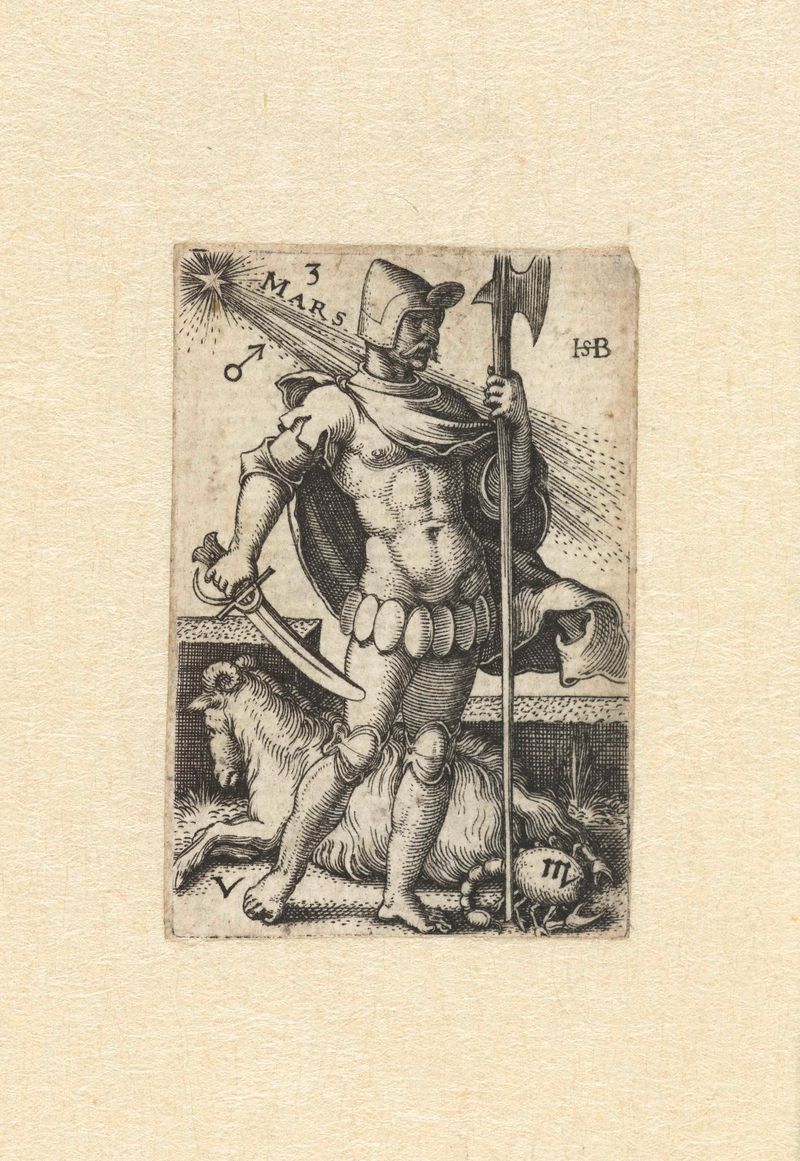
Mars met sterrenbeelden Ram en Schorpioen
Hans Sebald Beham

Achilles in gevecht met Hector
Hans Sebald Beham
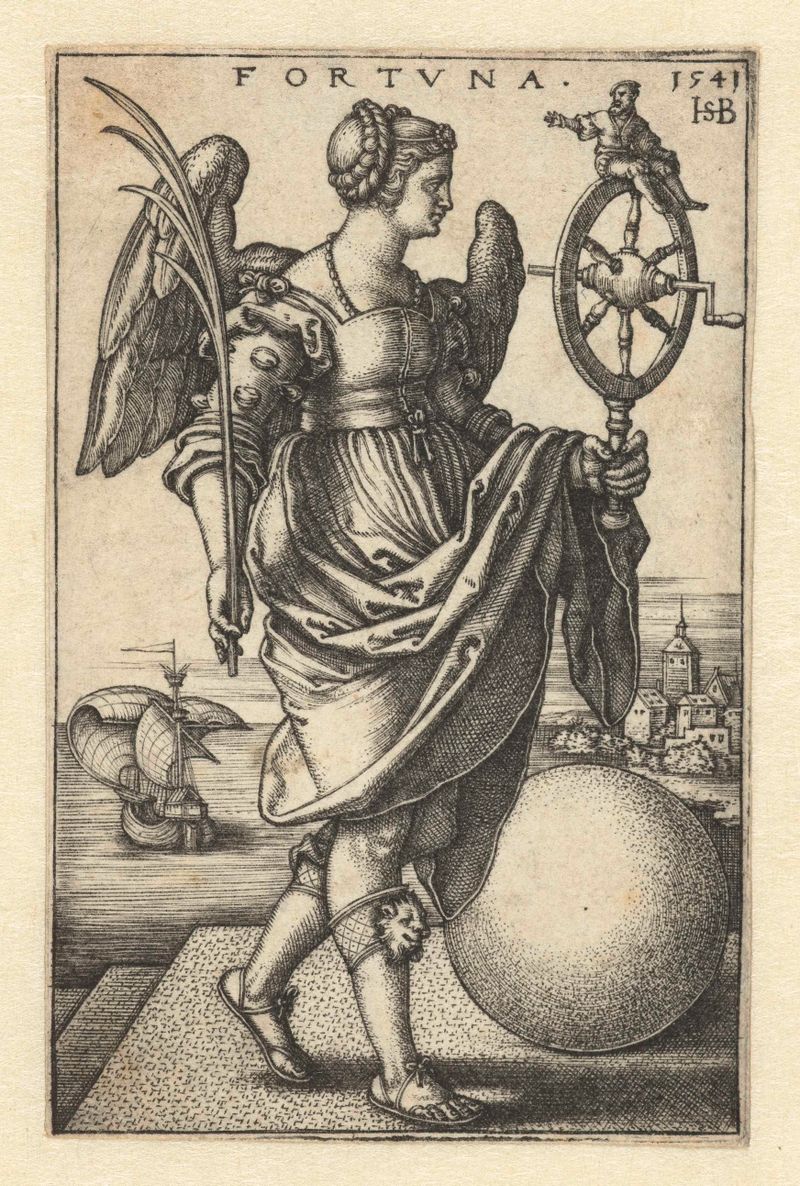
Fortuna
Hans Sebald Beham

Hercules worstelt met Antaeus
Hans Sebald Beham

Twee muzikanten met schalmey en doedelzak
Hans Sebald Beham

Voorzichtigheid (Prudentia)
Hans Sebald Beham

Hercules in gevecht met de Trojanen
Hans Sebald Beham
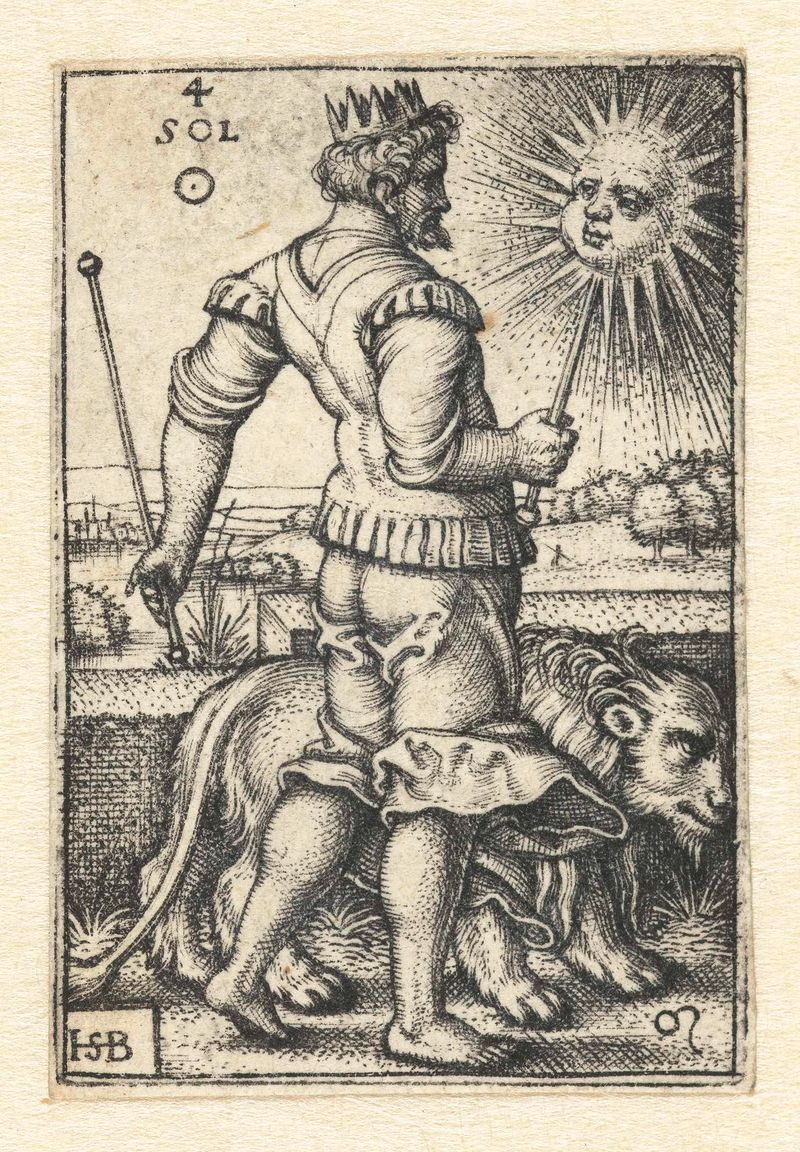
Apollo (Sol) met sterrenbeeld Leeuw
Hans Sebald Beham
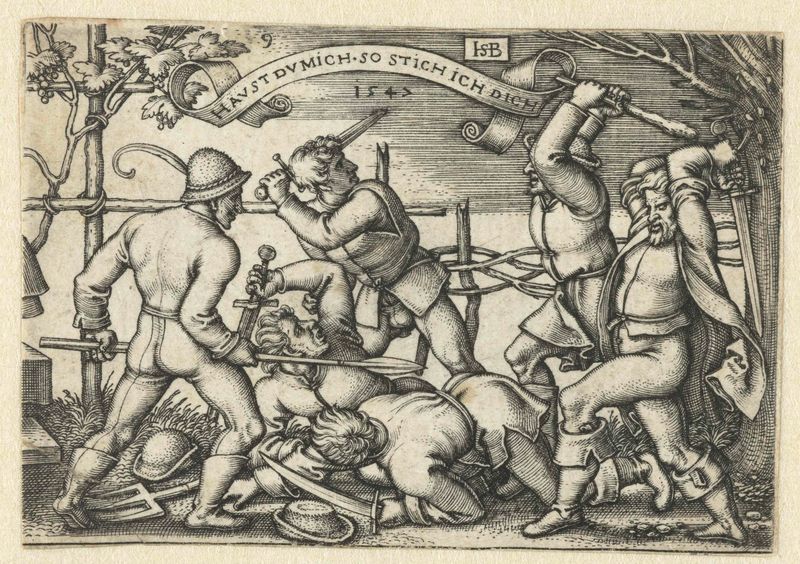
Vechtende boeren met zwaarden
Hans Sebald Beham
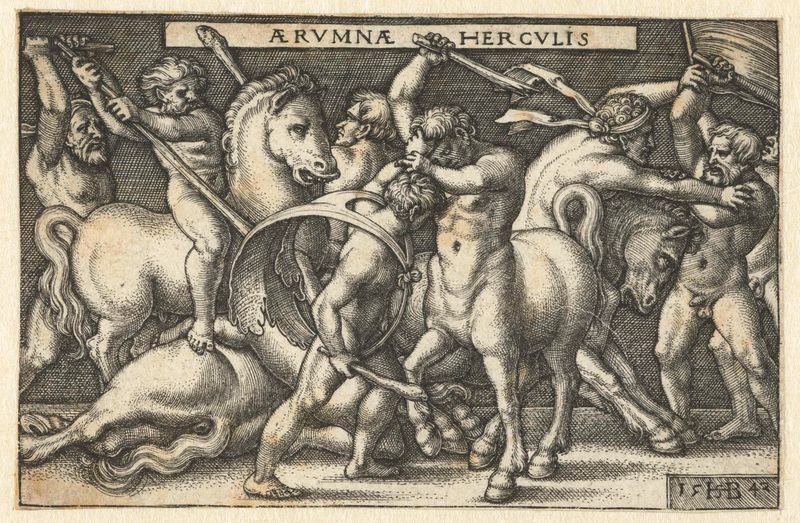
Hercules in gevecht met centaurs
Hans Sebald Beham
More Historical Art
Browse all →
The Night Watch Militia Company of District II under the Command of Captain Frans Banninck Cocq
Rembrandt van Rijn

Lincoln Memorial
Henry Bacon

The Third of May 1808
Francisco de Goya

Isaac and Rebecca, Known as ‘The Jewish Bride’
Rembrandt van Rijn

The Charge of the Mamelukes (1814)
Francisco de Goya

De vier ruiters van de apocalyps
Albrecht Dürer