
Adoration of the Magi — History & Facts
In a breathtaking moment frozen in time, the air is thick with anticipation as the Magi approach the humble manger. The flickering light from candles dances across the gathered crowd, illuminating the faces of the worshippers, each one a study in awe and reverence. A cacophony of gestures unfolds, from the outstretched hands of the Magi offering their gifts to the wide-eyed wonder of onlookers, all suspended in a singular moment of chaotic devotion. Look to the left, where the vibrant reds and rich golds of the Magi’s robes contrast sharply with the earth tones of the stable.
Notice how Panini skillfully composes the figures to direct your gaze toward the center, where a radiant light emanates from the infant Christ. The arrangement of characters creates a sense of movement, an almost swirling nature of their adoration, as if the whole scene is caught in a divine whirlwind of emotions. The intricate details of the drapery and facial expressions breathe life into this historical tableau, inviting you to engage intimately with each figure. As you explore deeper, a tension emerges between the chaos of the scene and the serene presence of the Holy Family at its heart.
The delicate expressions of worship and joy clash with the bustling throng, reflecting the tumultuous human experience of seeking something greater. There’s a palpable contrast between the opulence represented by the Magi’s gifts and the simplicity of the setting, evoking thoughts about the nature of faith amidst worldly distractions. Giovanni Paolo Panini painted this masterpiece around 1718 in Rome, a city teeming with artistic fervor and baroque extravagance. During this period, he was entrenched in a lively artistic community, responding to the burgeoning interest in large-scale religious works.
The painting reflects not just a significant biblical event but also the artist’s exploration of light, composition, and the emotional complexities within the human experience during a time of both artistic innovation and spiritual reflection.
More Artworks by Giovanni Paolo Panini
Browse all →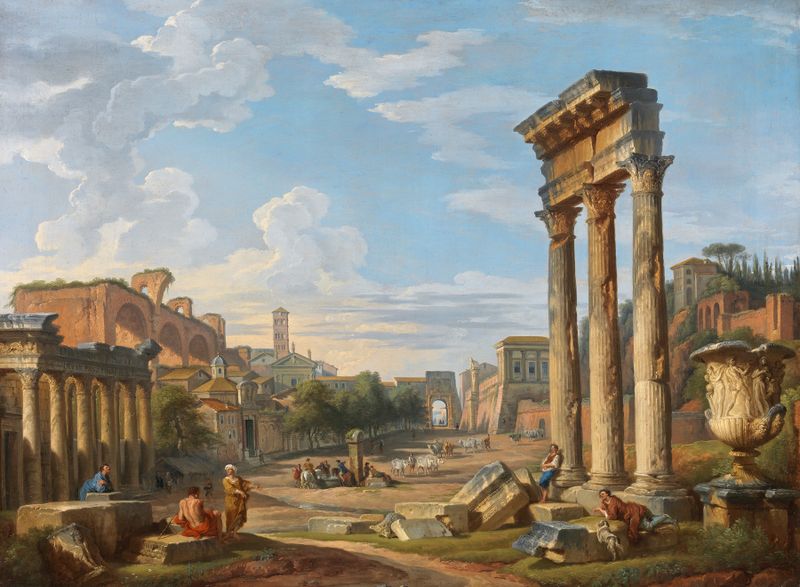
The Roman Forum
Giovanni Paolo Panini
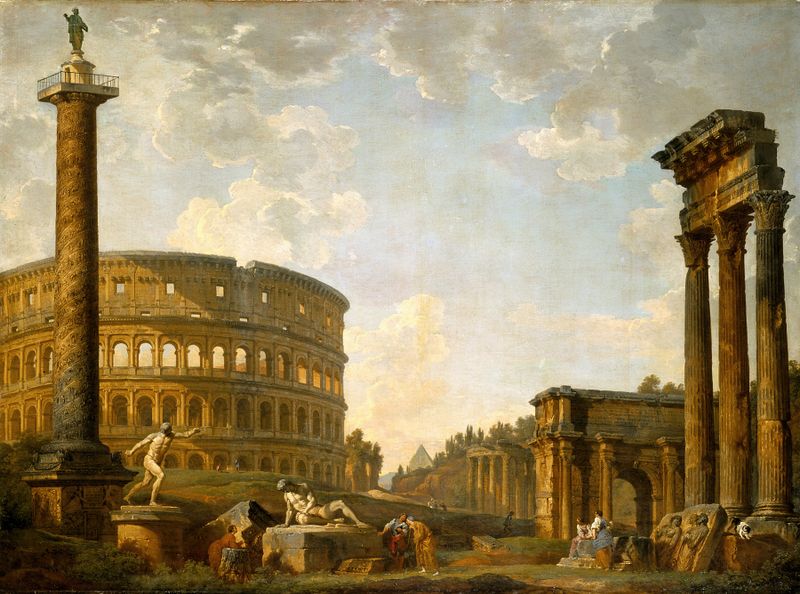
Roman Capriccio;The Colosseum and Other Monuments
Giovanni Paolo Panini
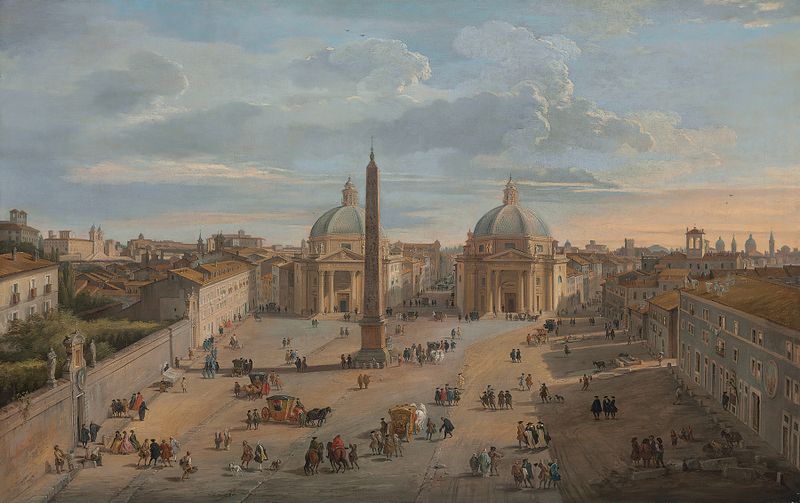
View Of Piazza Del Popolo, Rome
Giovanni Paolo Panini
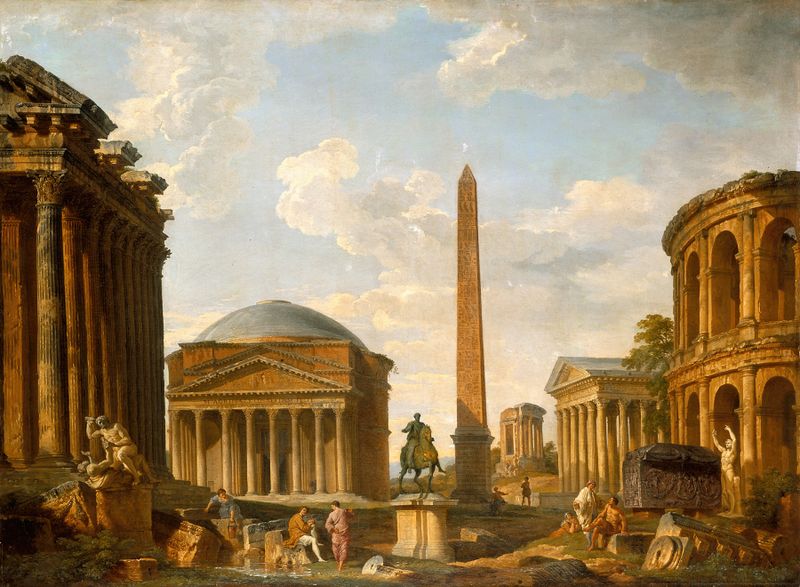
Roman Capriccio; The Pantheon and Other Monuments
Giovanni Paolo Panini

View Of The Colosseum
Giovanni Paolo Panini
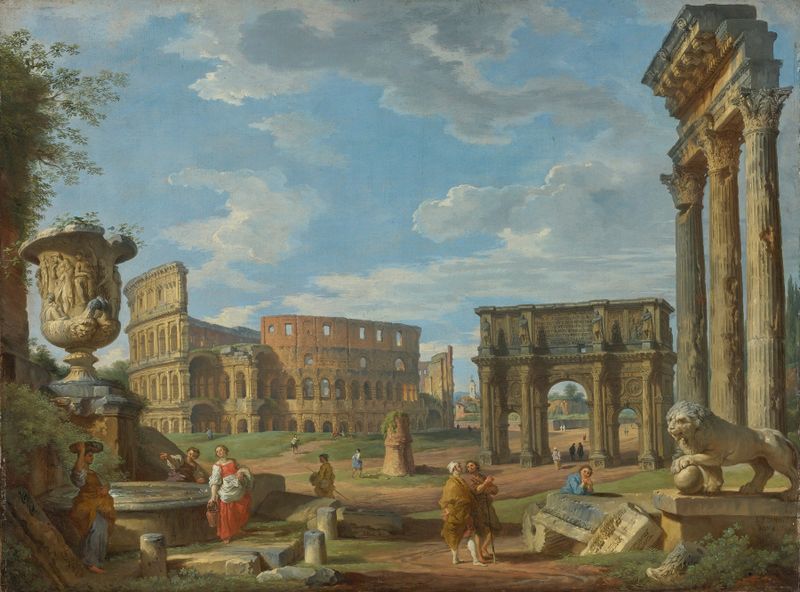
Capriccio Of Roman Monuments With The Colosseum And Arch Of Constantine
Giovanni Paolo Panini
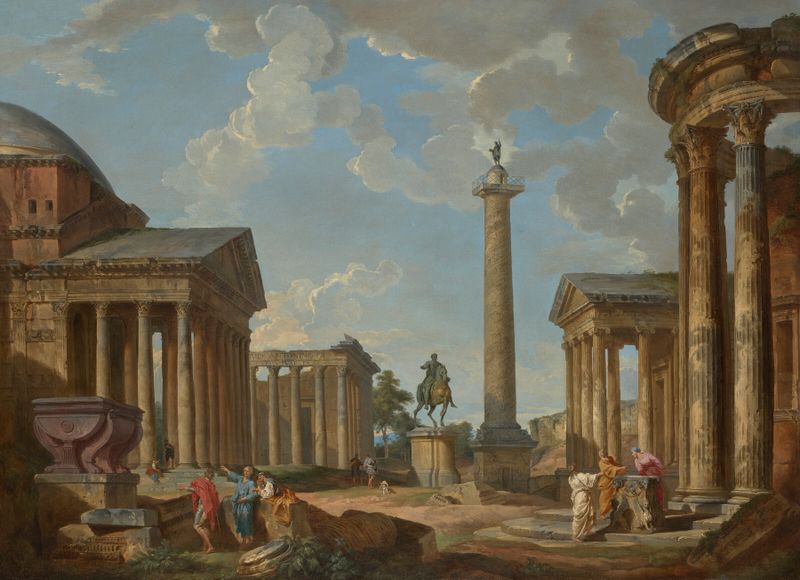
A capriccio of Roman ruins
Giovanni Paolo Panini
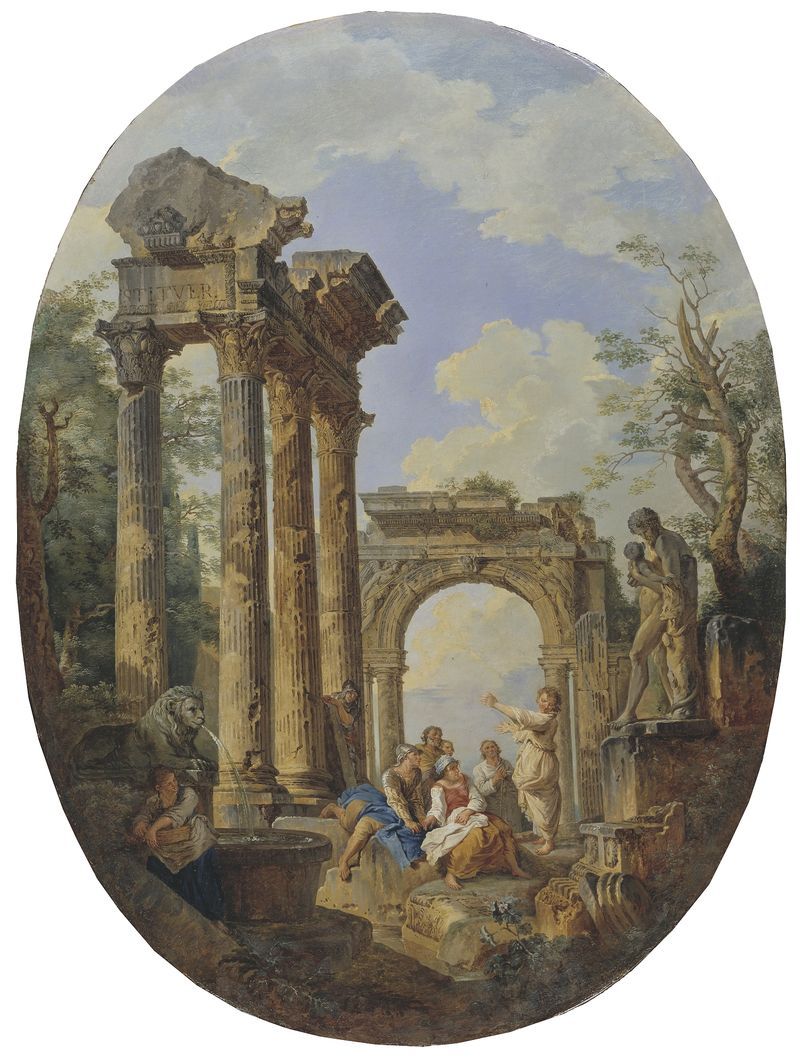
Roman Ruins
Giovanni Paolo Panini

Interior of St. Peter’s, Rome
Giovanni Paolo Panini
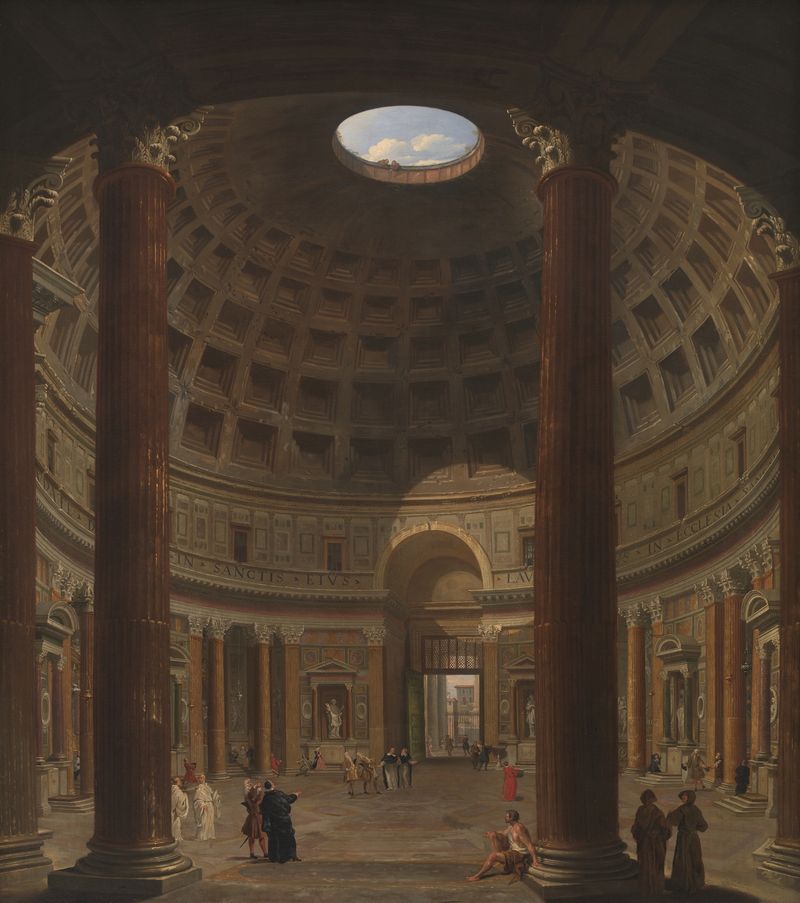
Interior Of The Pantheon, Rome
Giovanni Paolo Panini
More Religious Art
Browse all →
The Return of the Prodigal Son
Rembrandt van Rijn

The Garden of Earthly Delights
El Bosco

Count Orgaz’ funeral
El Greco

The Hundred Guilder Print: the central piece with Christ preaching, the plate arched
Rembrandt van Rijn

The Descent from the Cross
Rogier van der Weyden

The return of the prodigal son
Rembrandt van Rijn