
Adoration of the Shepherds — History & Facts
In the dim glow of a humble stable, shepherds gather, their breath visible in the crisp air. The flickering light of a nearby lantern dances across their weathered faces, illuminating expressions filled with awe and reverence. All eyes are drawn to the newborn, cradled in a humble manger, as if time itself has paused to honor this fragile miracle. Look to the left at the shepherd kneeling in humble adoration, his rough hands trembling as they reach out, almost touching the divine.
Notice how the warm, earthy tones of the figures contrast with the cool shadows surrounding them, creating an intimate yet expansive space. The composition guides your gaze towards the radiance of the child, who is enveloped in a soft halo of light, symbolizing hope amidst the darkness of the night. The juxtaposition of the rugged shepherds with the purity of the infant highlights the profound connection between the ordinary and the sacred. Each figure embodies a different emotion—wonder, gratitude, and a yearning for redemption—reflecting the universal human experience.
The presence of heavenly figures in the background serves as a reminder of divine grace, suggesting that even the most humble among us can experience moments of profound spiritual significance. Giovanni Paolo Panini painted this work around 1718 during a period marked by a growing fascination with allegorical themes in art. Living in Rome, he was influenced by the Baroque movement, which emphasized emotion and grandeur. This painting captures a moment of joy and humility at a time when Europe was grappling with the complexities of faith and identity, encapsulating the hope that a new beginning can bring.
More Artworks by Giovanni Paolo Panini
Browse all →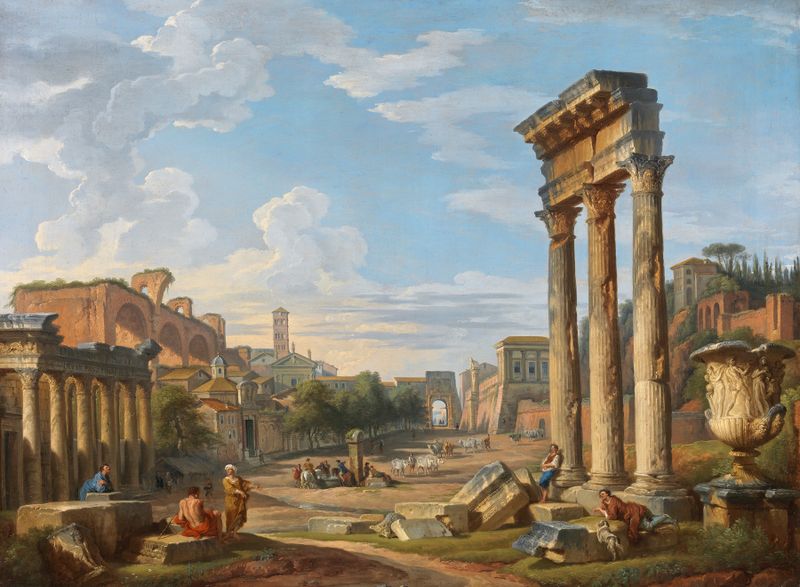
The Roman Forum
Giovanni Paolo Panini
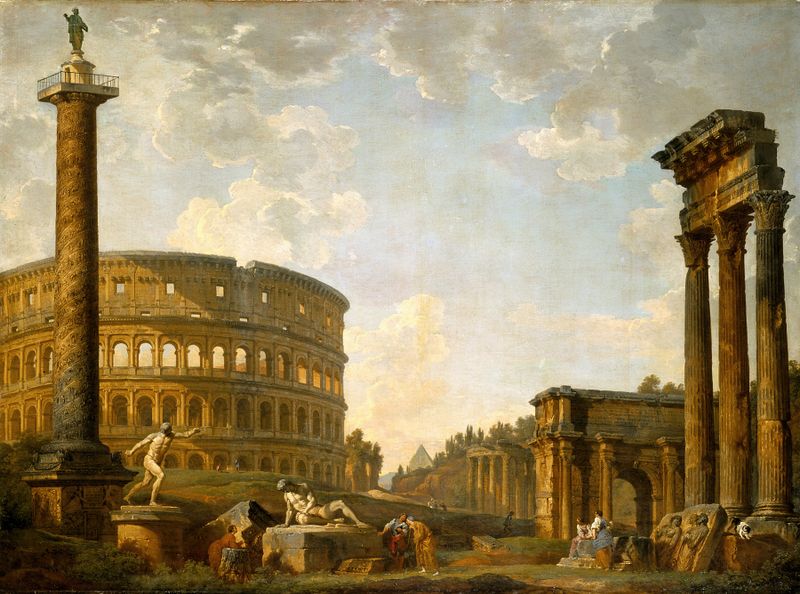
Roman Capriccio;The Colosseum and Other Monuments
Giovanni Paolo Panini
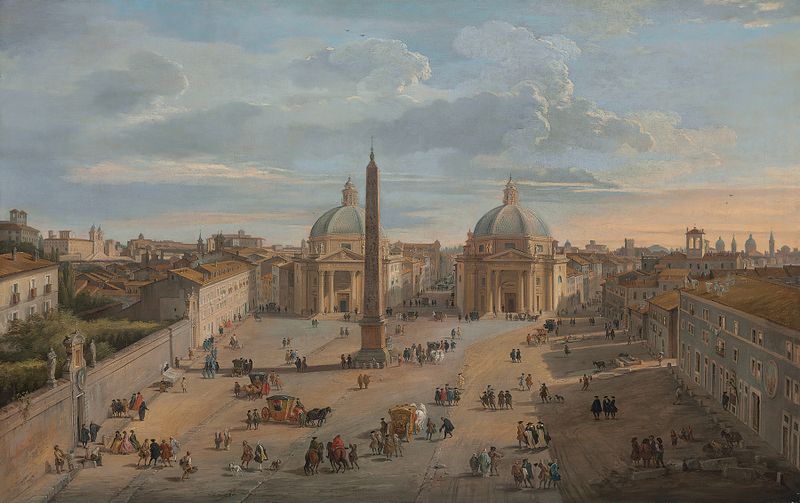
View Of Piazza Del Popolo, Rome
Giovanni Paolo Panini
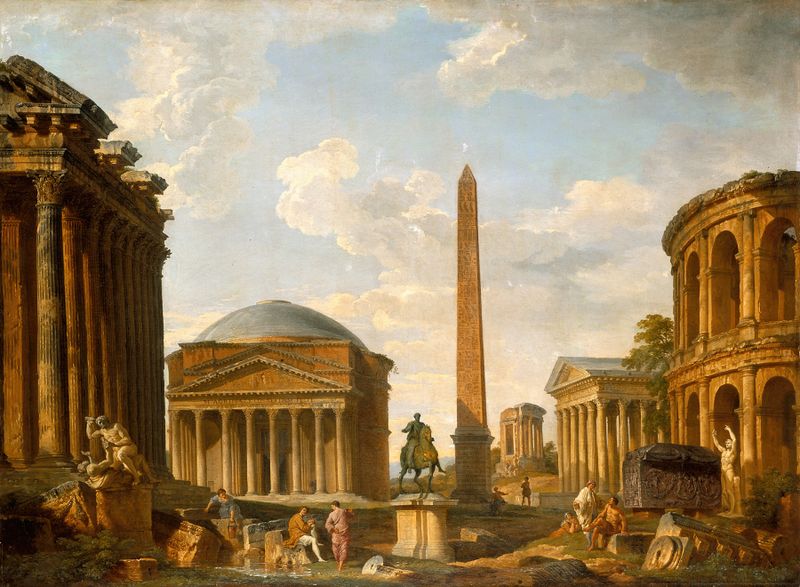
Roman Capriccio; The Pantheon and Other Monuments
Giovanni Paolo Panini

View Of The Colosseum
Giovanni Paolo Panini
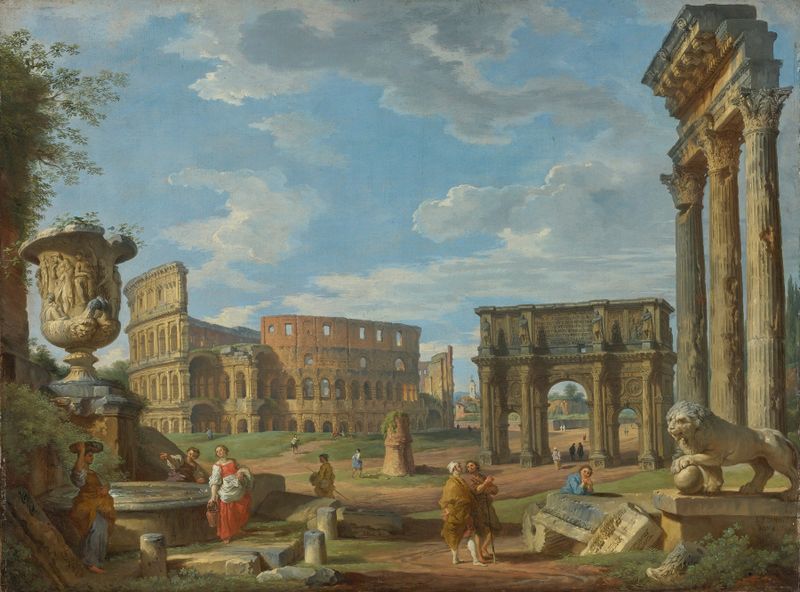
Capriccio Of Roman Monuments With The Colosseum And Arch Of Constantine
Giovanni Paolo Panini
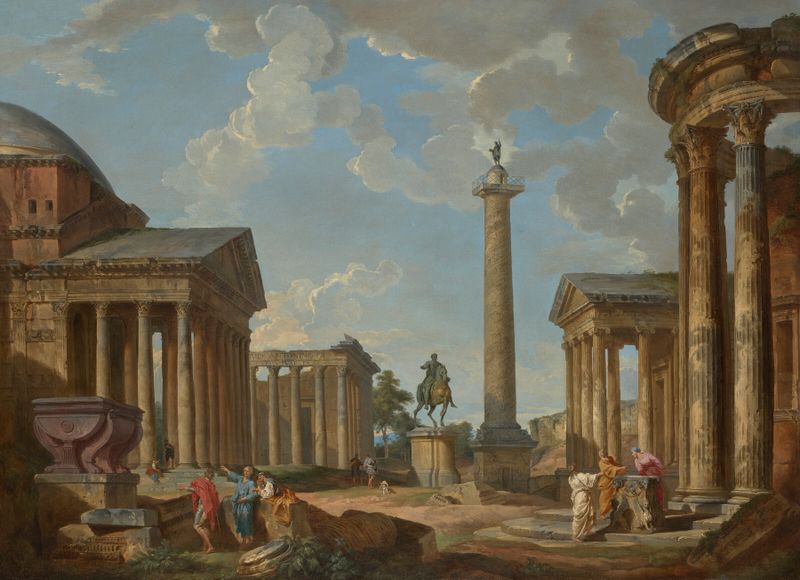
A capriccio of Roman ruins
Giovanni Paolo Panini
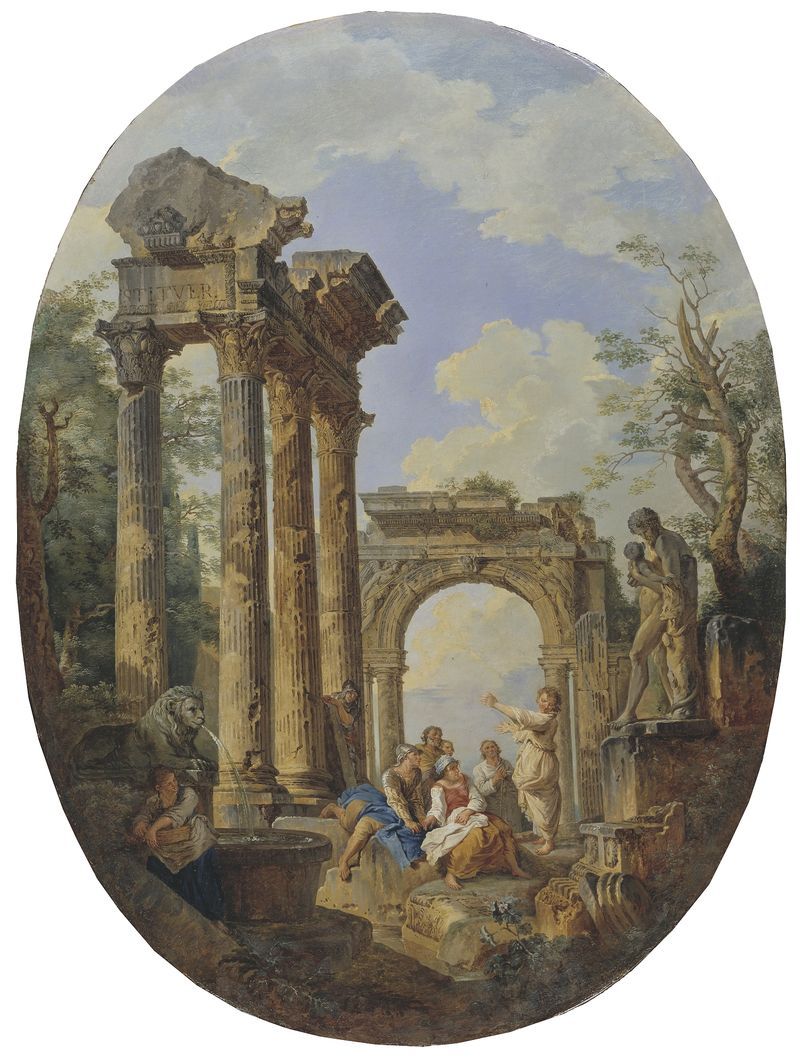
Roman Ruins
Giovanni Paolo Panini

Interior of St. Peter’s, Rome
Giovanni Paolo Panini
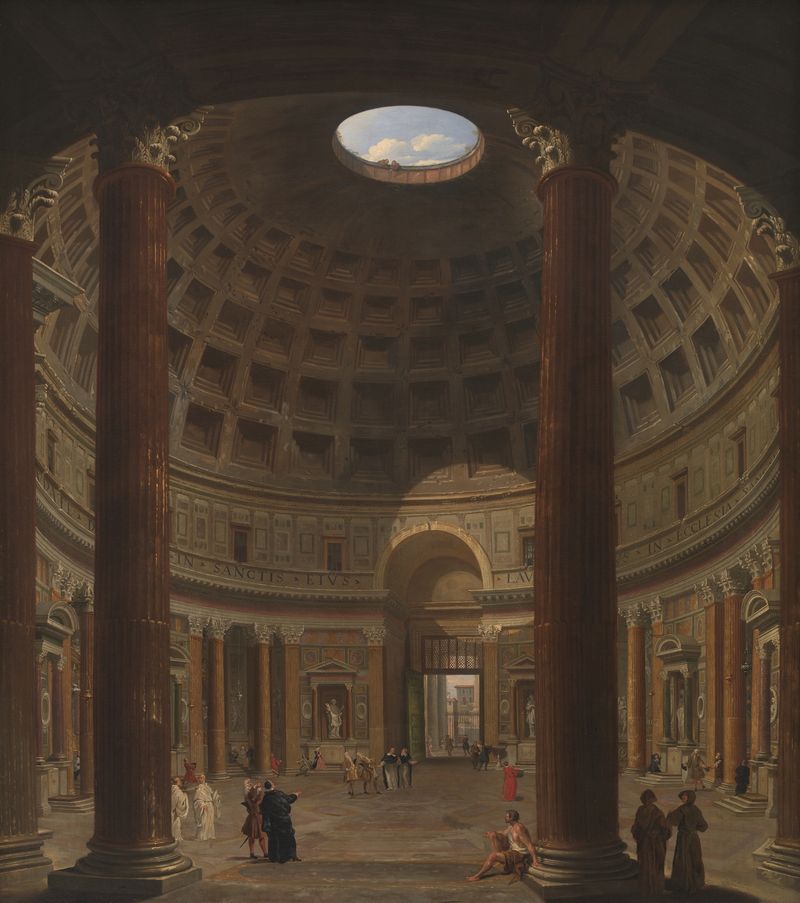
Interior Of The Pantheon, Rome
Giovanni Paolo Panini
More Religious Art
Browse all →
The Return of the Prodigal Son
Rembrandt van Rijn

The Garden of Earthly Delights
El Bosco

Count Orgaz’ funeral
El Greco

The Hundred Guilder Print: the central piece with Christ preaching, the plate arched
Rembrandt van Rijn

The Descent from the Cross
Rogier van der Weyden

The return of the prodigal son
Rembrandt van Rijn