
Afdaling in het voorgeborchte — History & Facts
Could a single brushstroke hold eternity? In Albrecht Dürer's Afdaling in het voorgeborchte, the yearning for transcendence echoes through the delicate interplay of light and shadow. Look to the center, where a winding path guides the viewer deeper into the ethereal landscape. The intricate details of the figures, rendered with meticulous care, draw your eye to their expressions—a mix of hope and despair. Notice how the light falls upon the figures, casting a soft glow that creates a sense of depth and dimension, while the cool blues and grays hint at an otherworldly atmosphere, suggesting both calm and tension. The composition speaks volumes beyond its surface.
Each figure’s posture, whether bowed or reaching upward, reflects the struggle between earthly burdens and the aspiration for divine connection. Hidden elements, like the stark contrast between the dark foreground and the luminous background, symbolize the tension between despair and hope, capturing the emotional weight of the journey. This painting embodies a liminal space, a moment of transition that resonates deeply with humanity's eternal quest for meaning. Dürer painted this work in 1510, during a period when he was deeply engaged with both technical innovation and spiritual themes.
Living in Nuremberg, he was at the forefront of the Northern Renaissance, drawing inspiration from the evolving philosophies of the time. This painting reflects not only his artistic prowess but also the profound existential inquiries that marked the era, resonating with viewers both then and now.
More Artworks by Albrecht Dürer
Browse all →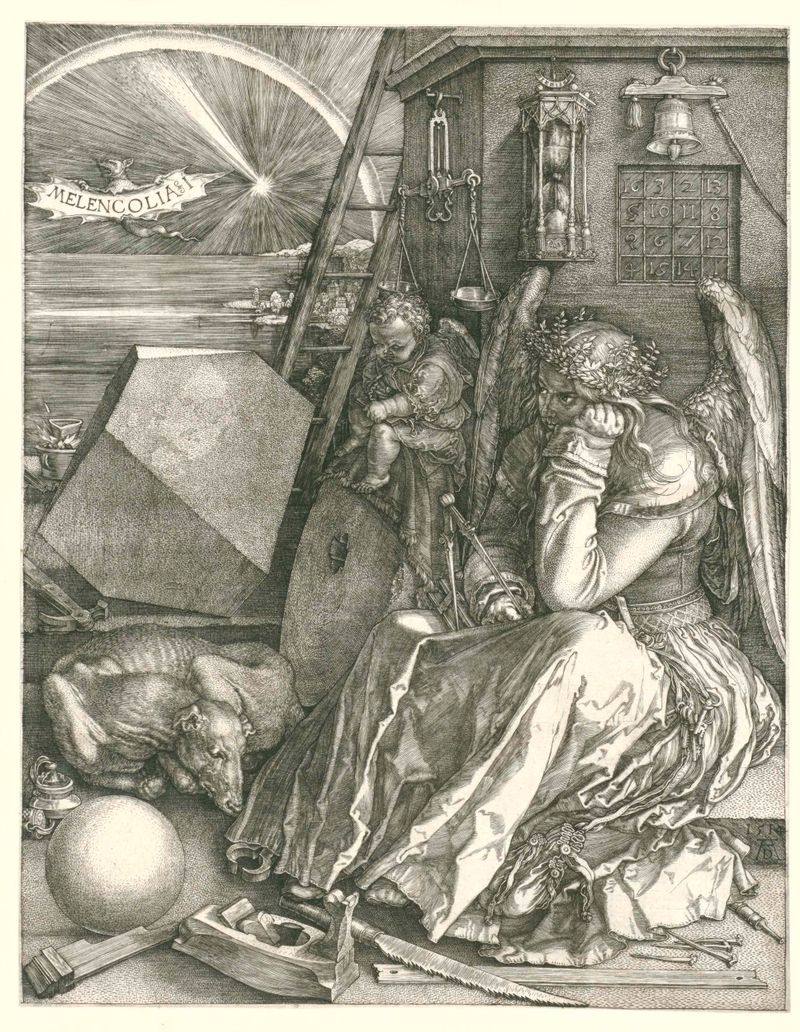
Melancholia
Albrecht Dürer
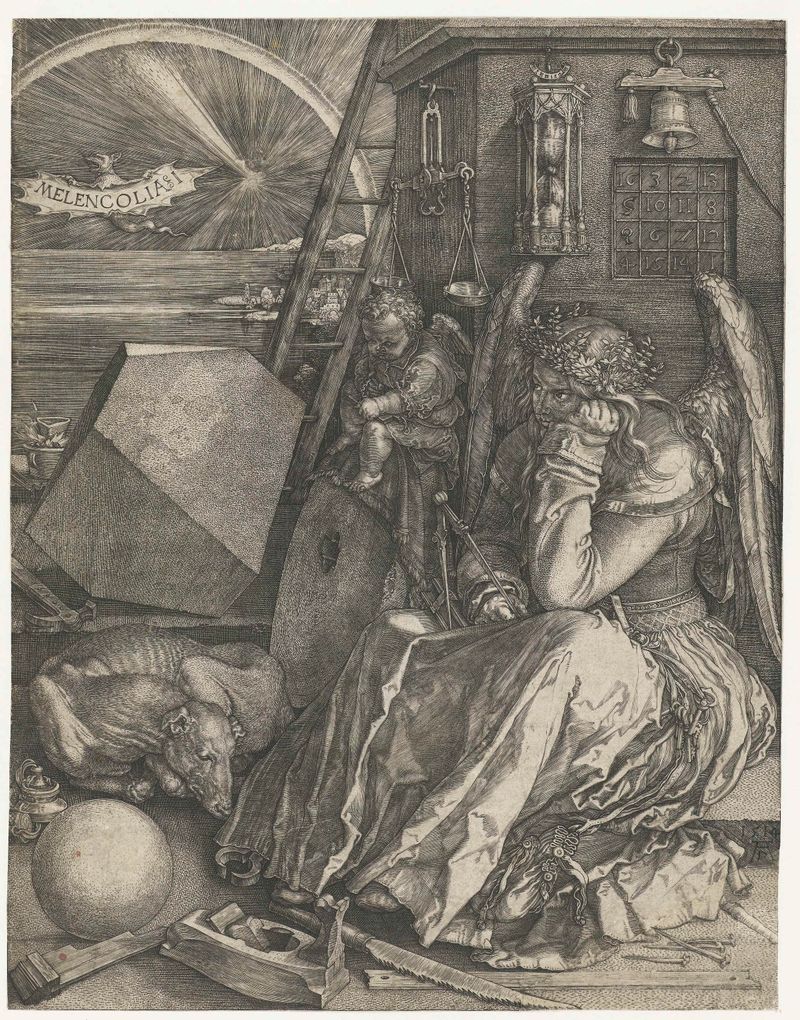
Melancholie
Albrecht Dürer
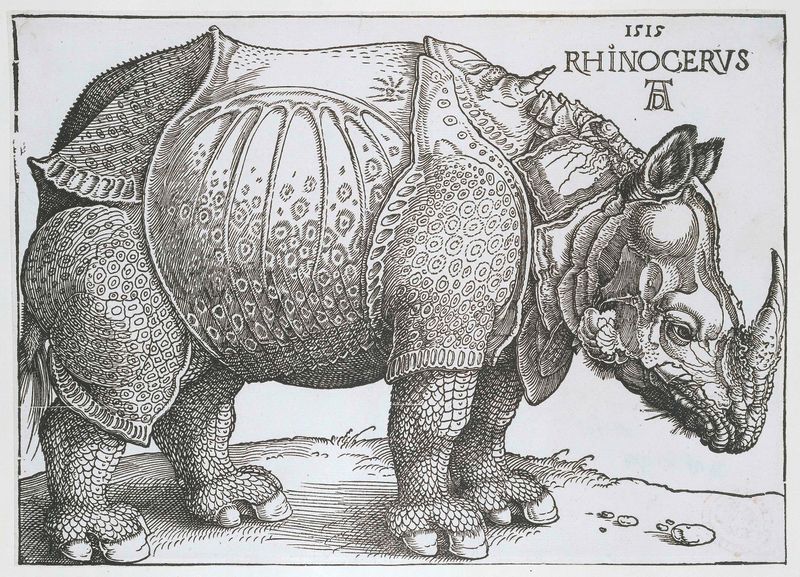
Neushoorn
Albrecht Dürer
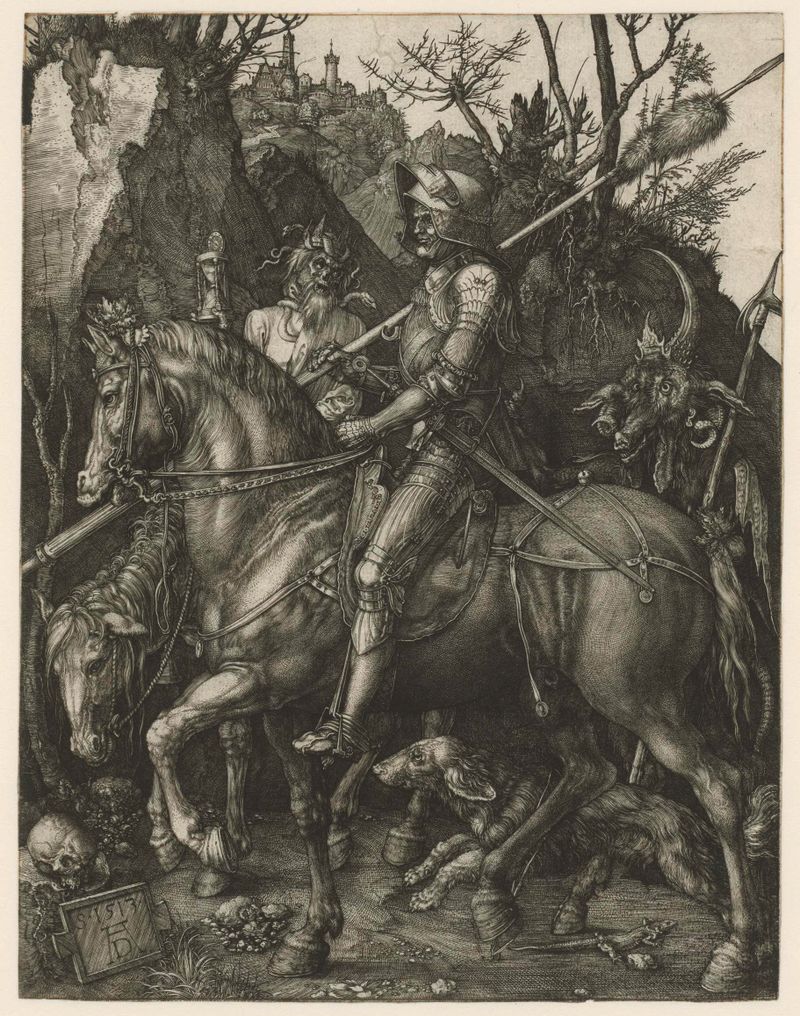
Knight, Death, and the Devil
Albrecht Dürer

De vier ruiters van de apocalyps
Albrecht Dürer
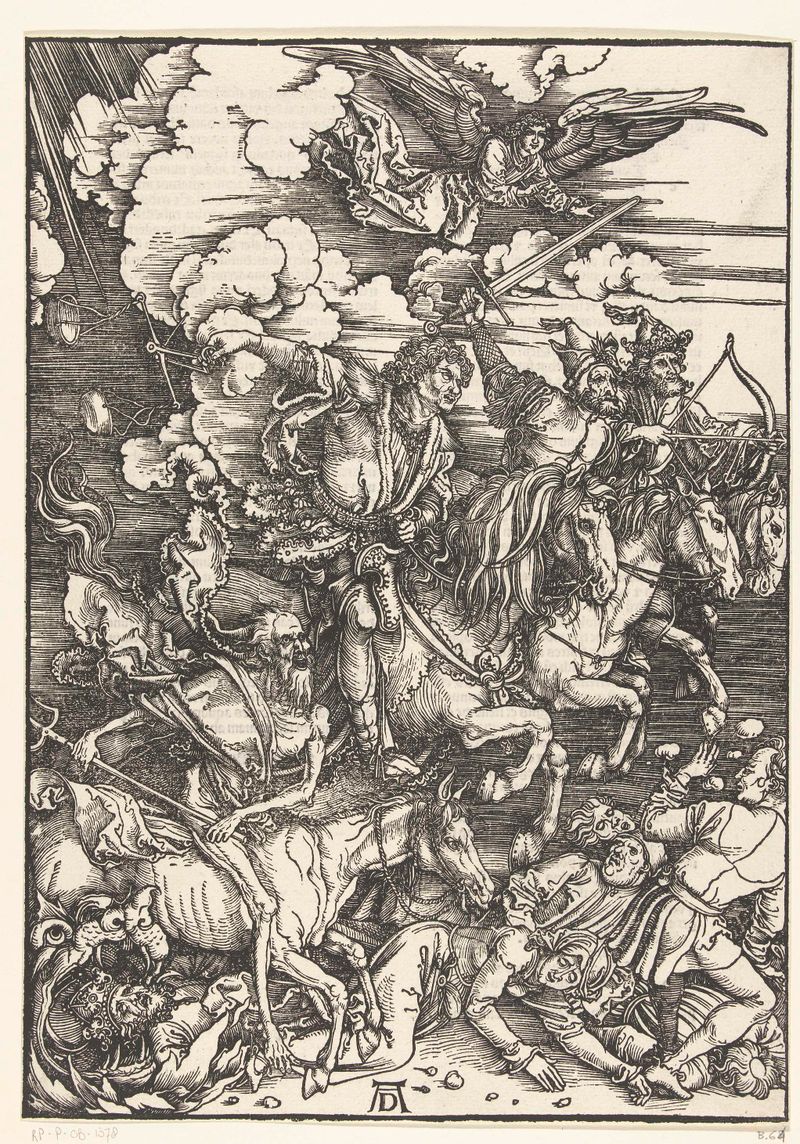
De vier ruiters van de apocalyps
Albrecht Dürer
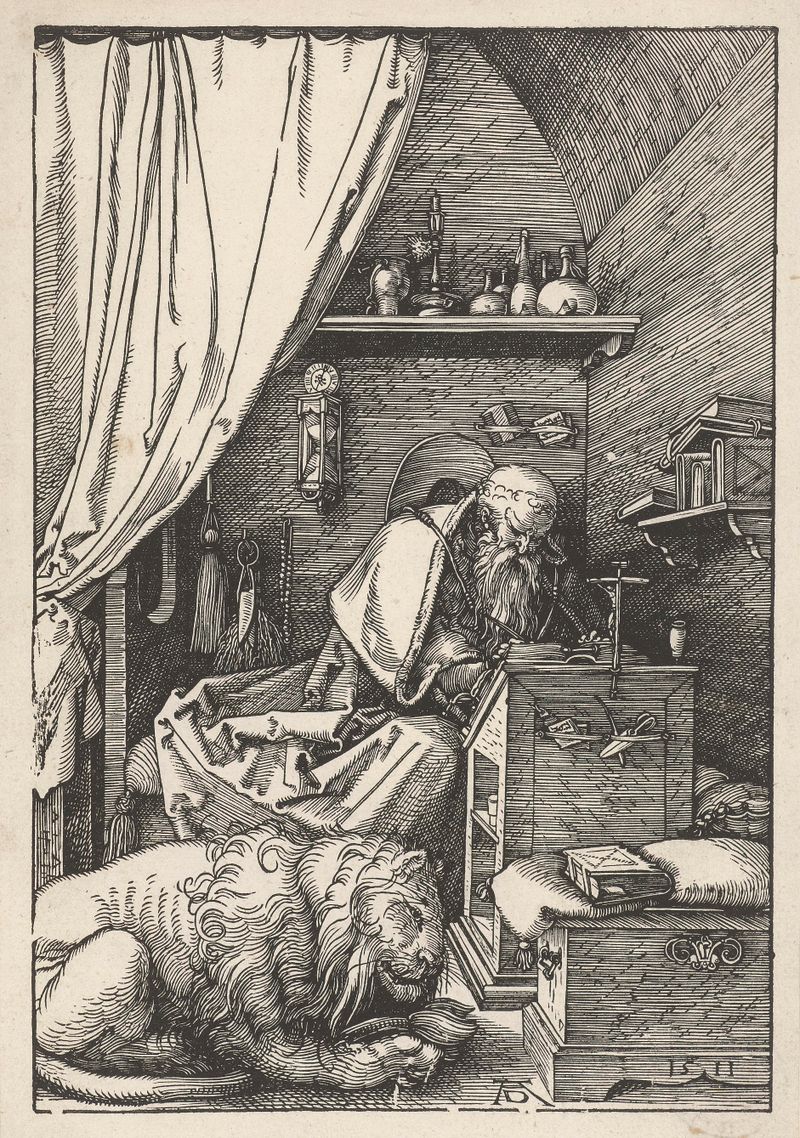
De Heilige Hiëronymus in zijn studeervertrek
Albrecht Dürer
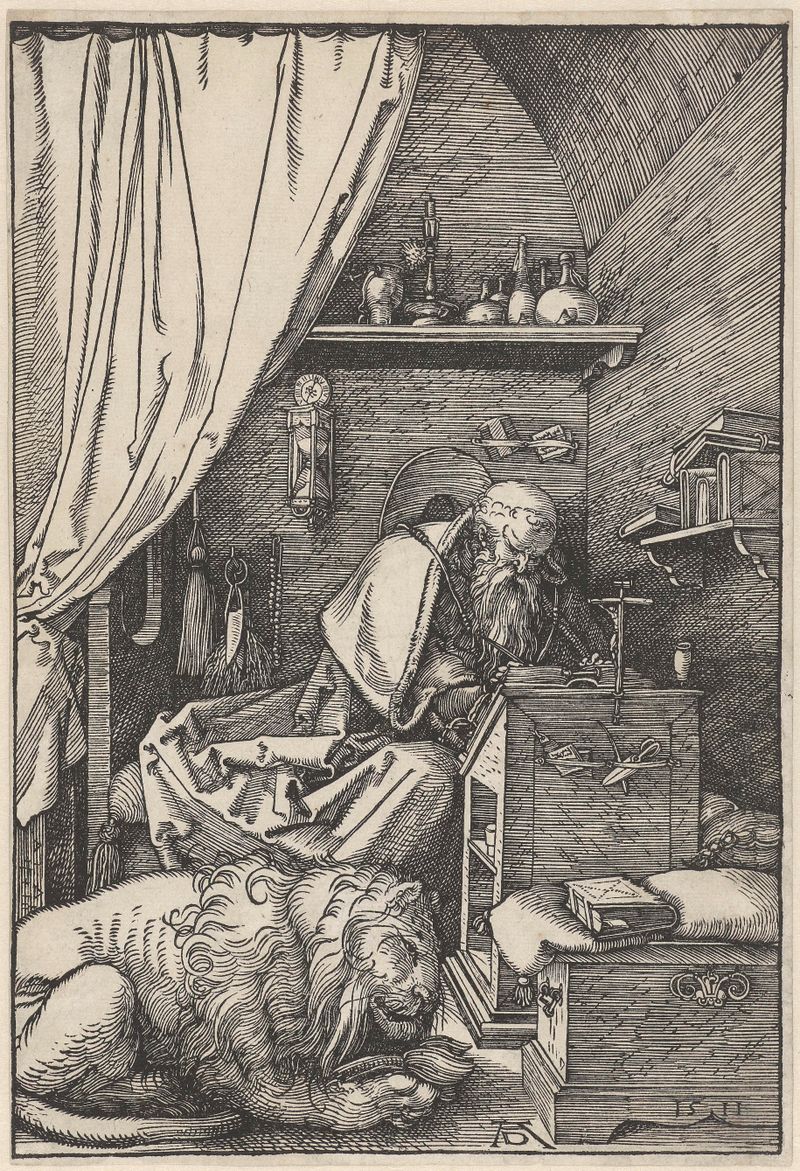
De Heilige Hiëronymus in zijn studeervertrek
Albrecht Dürer
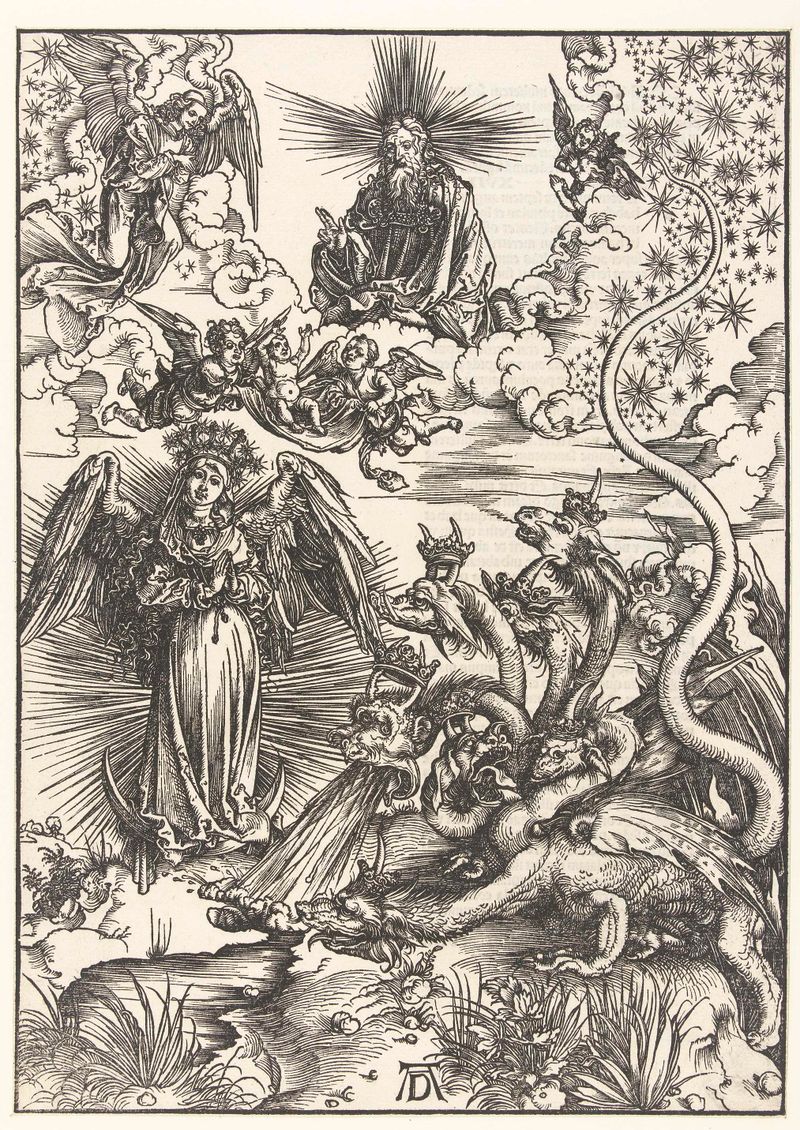
De apocalyptische vrouw en de zevenkoppige draak
Albrecht Dürer
Adam en Eva
Albrecht Dürer
More Religious Art
Browse all →
The Return of the Prodigal Son
Rembrandt van Rijn

The Garden of Earthly Delights
El Bosco

Count Orgaz’ funeral
El Greco

The Hundred Guilder Print: the central piece with Christ preaching, the plate arched
Rembrandt van Rijn

The Descent from the Cross
Rogier van der Weyden

The return of the prodigal son
Rembrandt van Rijn