
Afdaling in het voorgeborchte — History & Facts
The nature of time, in its relentless forward march, weaves a complex narrative of existence—layers of experience wrapped in beauty and sorrow. In Afdaling in het voorgeborchte, the eye is drawn first to the intricate figures descending on a winding path through an ethereal landscape. Focus on the meticulous details of the foliage framing the scene, where each leaf seems to whisper stories of the past. Dürer’s use of chiaroscuro brings depth to the figures, their expressions capturing an amalgam of apprehension and resolve as they navigate the precipice between realms. As you explore further, notice the subtle contrasts between light and shadow; they symbolize the duality of hope and despair.
The figures, limited yet highly expressive, evoke the weight of their journey—a pilgrimage through the unknown. The rich textures and the interplay of earthly tones with the celestial hues above suggest an intricate relationship between the transient world and the eternal. Each brushstroke invites reflection on the inevitable passage of time, hinting at the personal and universal struggles that accompany such transformations. In 1511, Dürer was at the height of his artistic prowess, deeply engaged in philosophical inquiries and the exploration of human emotion through art.
Living in Nuremberg, he was influenced by the Renaissance's embrace of naturalism and the human experience. This artwork reflects the turbulent thoughts of an era grappling with change—both in faith and societal structures—marking a pivotal moment in the evolution of Northern European art.
More Artworks by Albrecht Dürer
Browse all →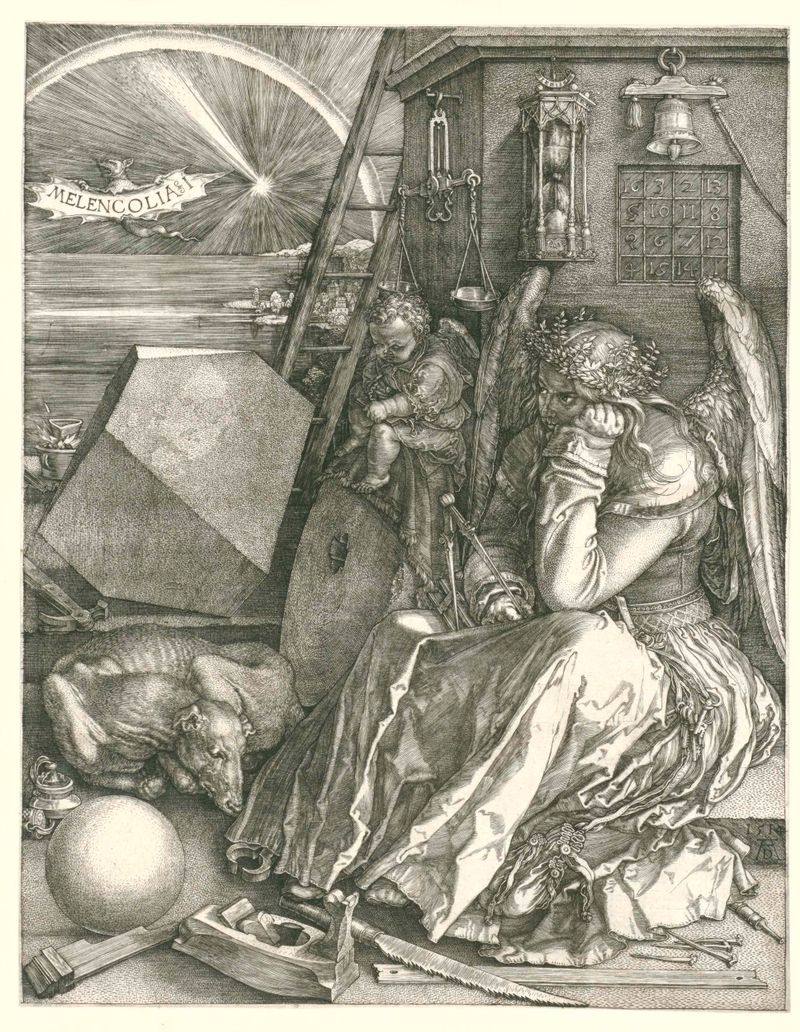
Melancholia
Albrecht Dürer
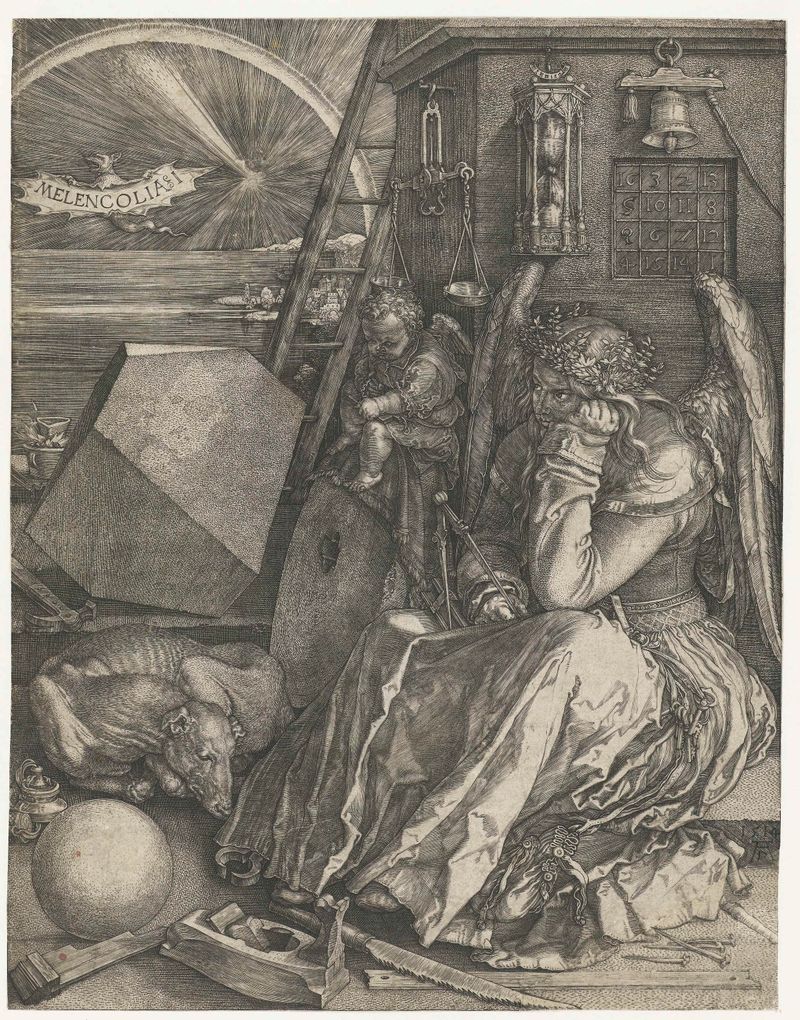
Melancholie
Albrecht Dürer
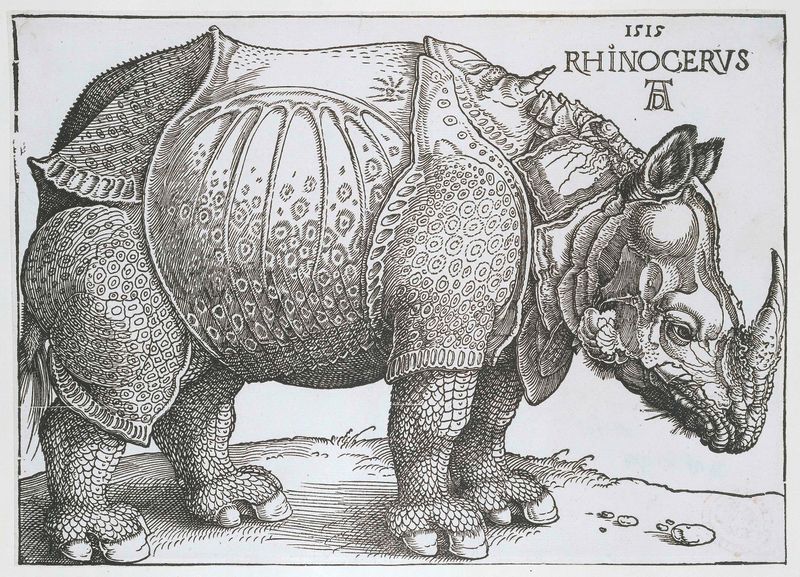
Neushoorn
Albrecht Dürer
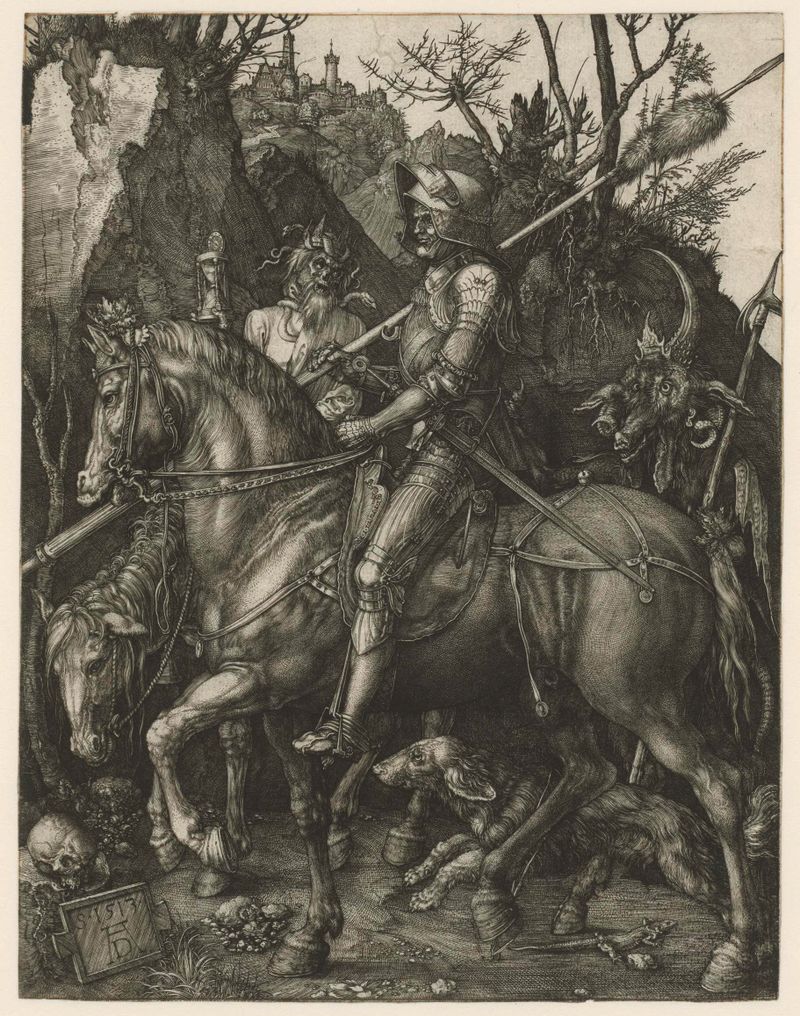
Knight, Death, and the Devil
Albrecht Dürer

De vier ruiters van de apocalyps
Albrecht Dürer

De vier ruiters van de apocalyps
Albrecht Dürer
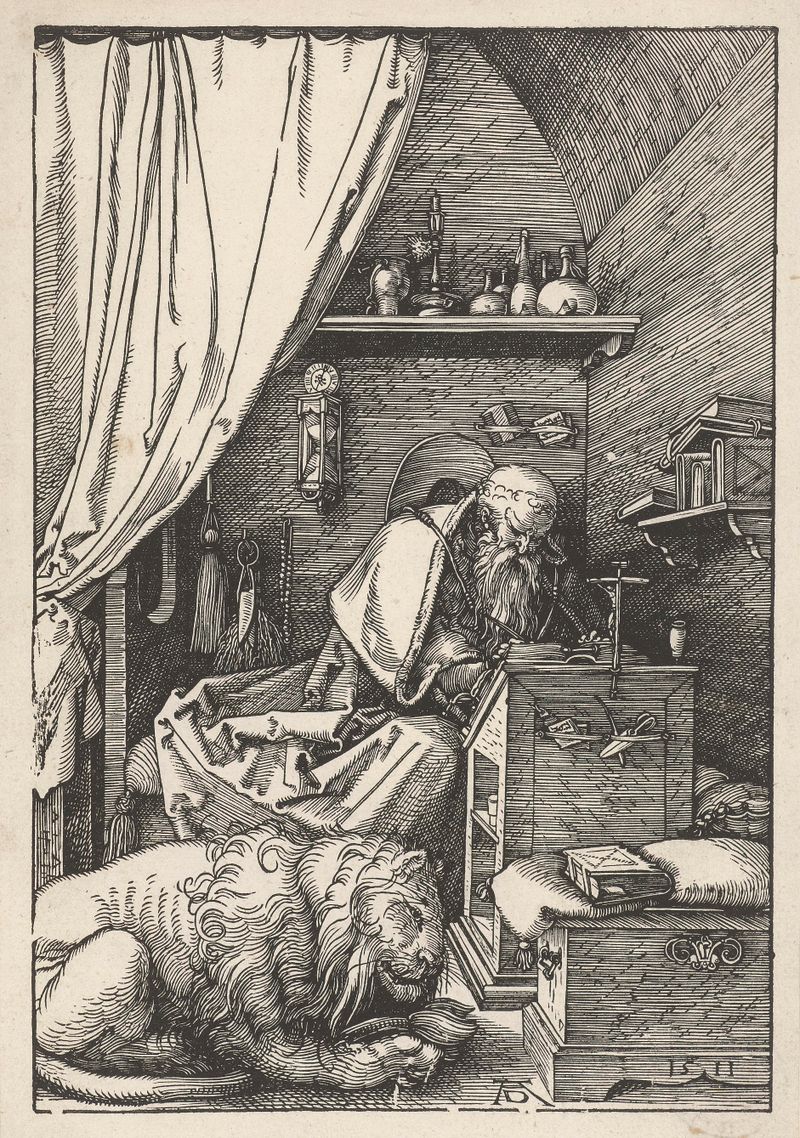
De Heilige Hiëronymus in zijn studeervertrek
Albrecht Dürer
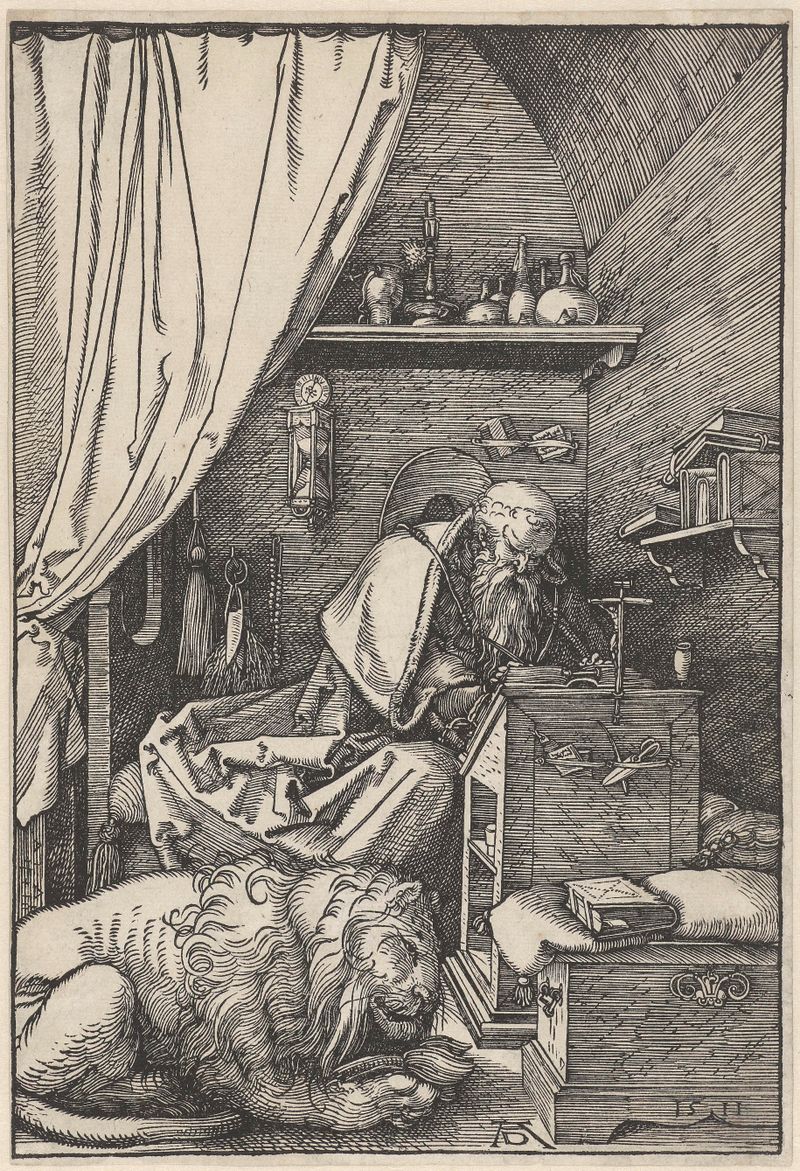
De Heilige Hiëronymus in zijn studeervertrek
Albrecht Dürer
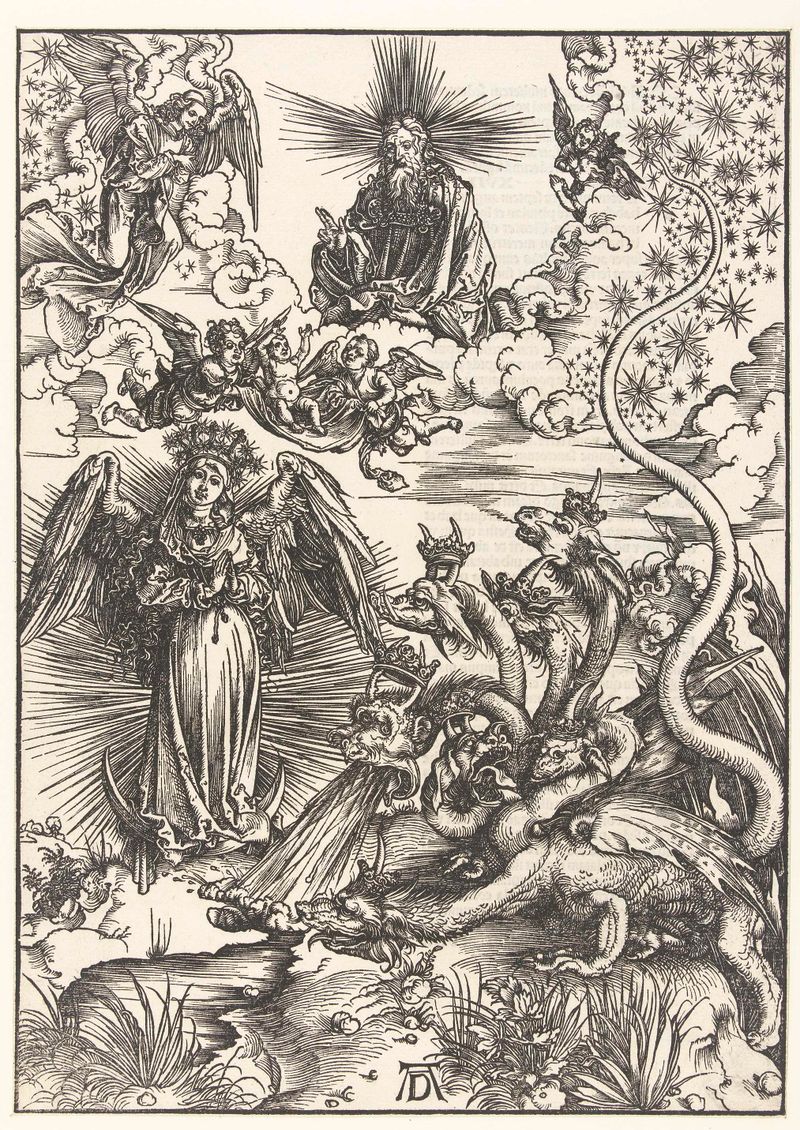
De apocalyptische vrouw en de zevenkoppige draak
Albrecht Dürer
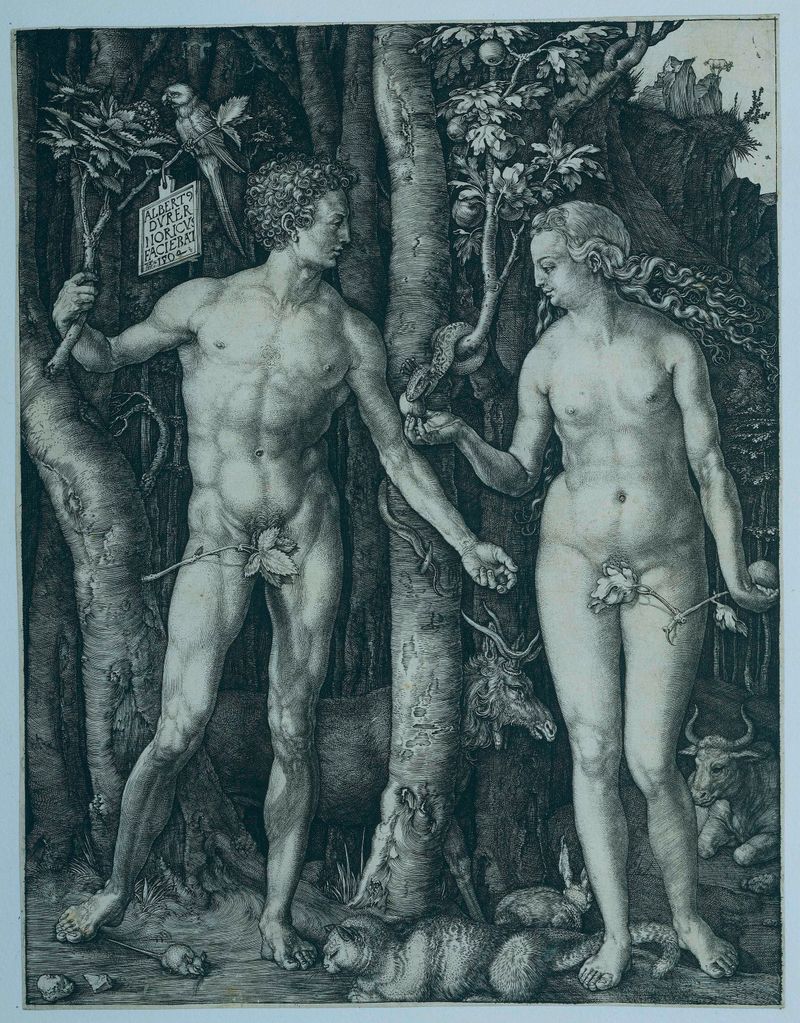
Adam en Eva
Albrecht Dürer
More Religious Art
Browse all →
The Return of the Prodigal Son
Rembrandt van Rijn

The Garden of Earthly Delights
El Bosco

Count Orgaz’ funeral
El Greco

The Hundred Guilder Print: the central piece with Christ preaching, the plate arched
Rembrandt van Rijn

The Descent from the Cross
Rogier van der Weyden

The return of the prodigal son
Rembrandt van Rijn