
After the storm — History & Facts
In the aftermath of chaos, the mind clings to fleeting moments that reflect our deepest grief. Look closely at the swirling clouds that dominate the canvas, their tumultuous energy suggesting the remnants of a storm. The palette is a haunting blend of grays and blues, punctuated by the glimmers of light struggling to break through. Notice how the light falls upon the crumbling landscape, illuminating remnants of what once was, while shadows linger ominously in the corners.
The careful brushstrokes convey a sense of movement, as if the scene is in flux, caught between despair and hope. Embedded within this seemingly bleak portrayal lies a tension between loss and renewal. The remnants of the storm symbolize not just destruction, but the potential for rebirth—a duality captured in the solemn expressions of figures scattered throughout the scene. Their postures reveal a shared grief, a collective memory of what they have endured.
Each character seems to embody a fragment of the human experience, whispering stories of resilience in the face of despair. James Ensor painted After the Storm in 1880 in his native Ostend, Belgium. During this period, he grappled with personal loss and societal changes, which profoundly influenced his work. The rise of modernism and existential themes permeated the art world, prompting Ensor to explore the complexities of human emotion through symbolic representations, making this artwork a pivotal moment in his evolving artistic journey.
More Artworks by James Ensor
Browse all →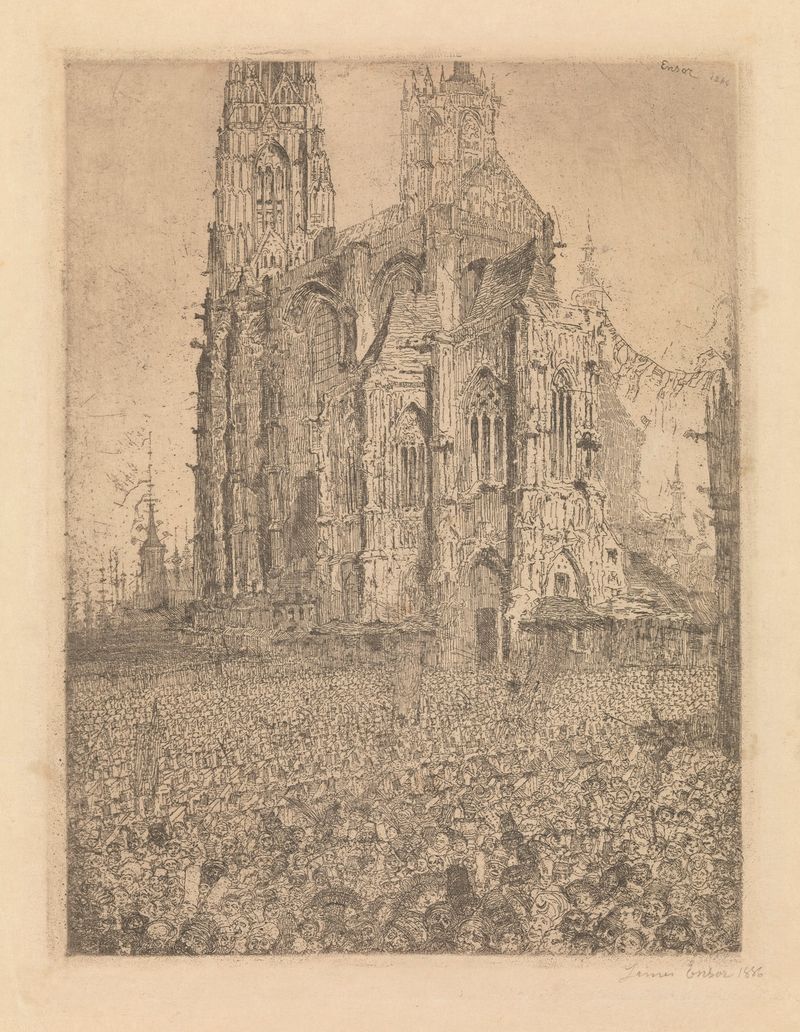
The Cathedral
James Ensor
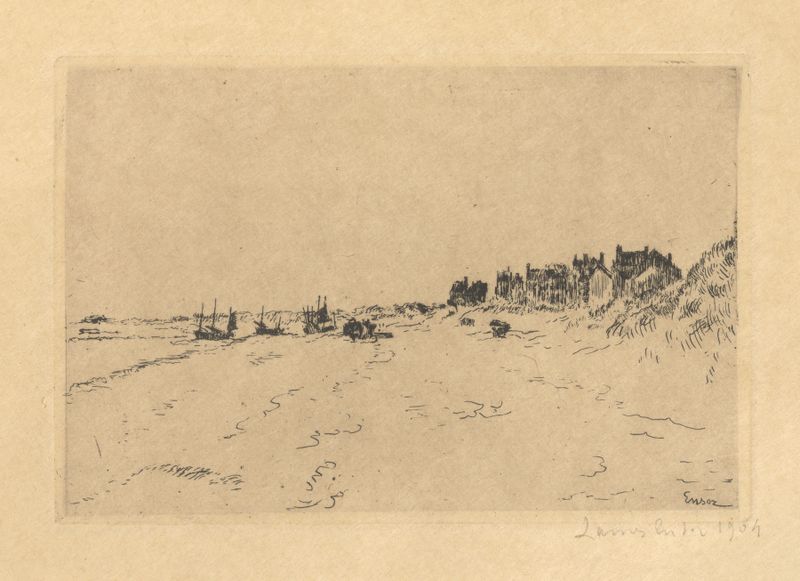
Het strand van De Panne
James Ensor
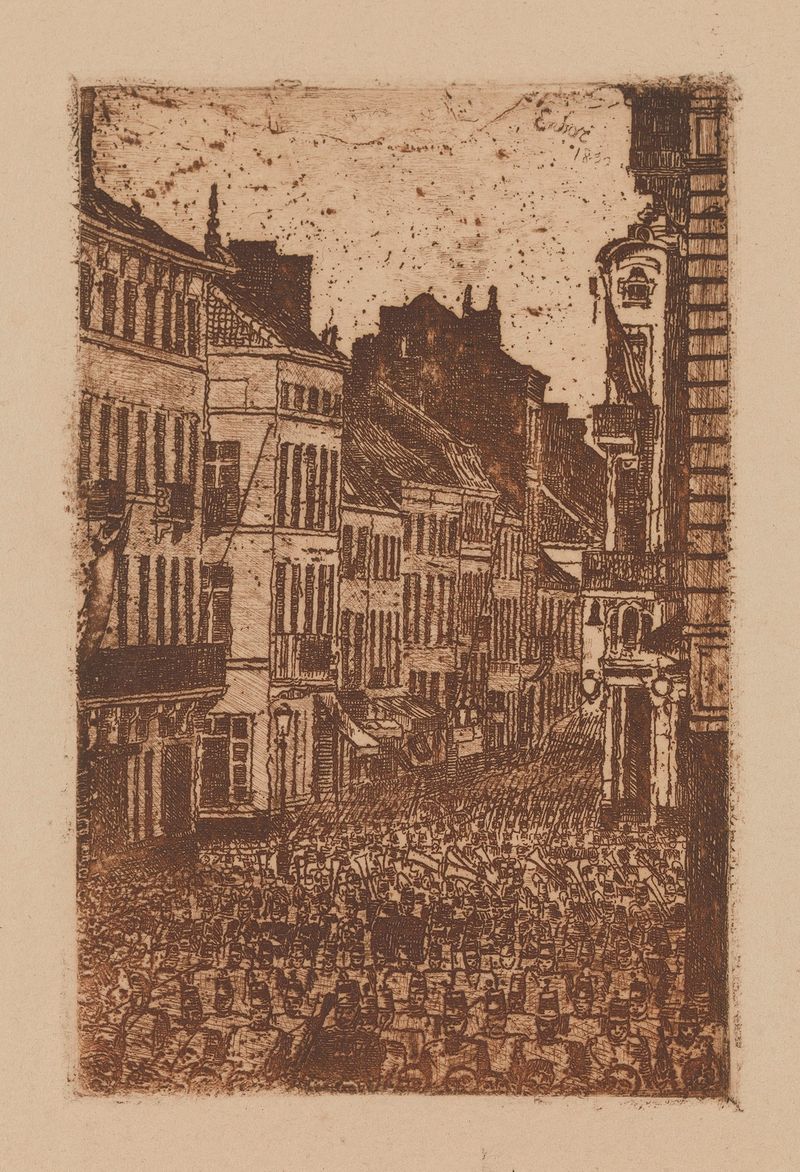
The Music in the rue de Flandre, Ostend
James Ensor
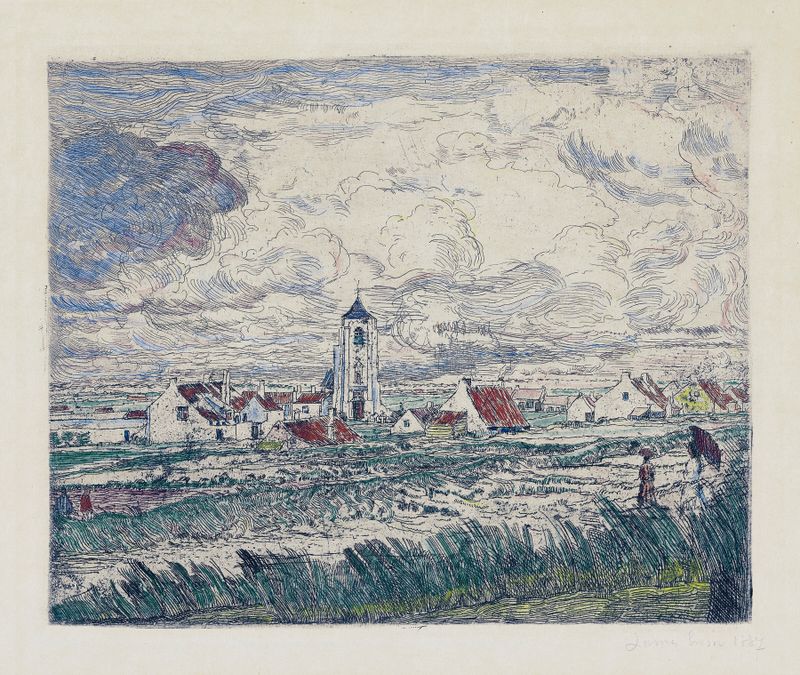
Grande vue de Mariakerke
James Ensor
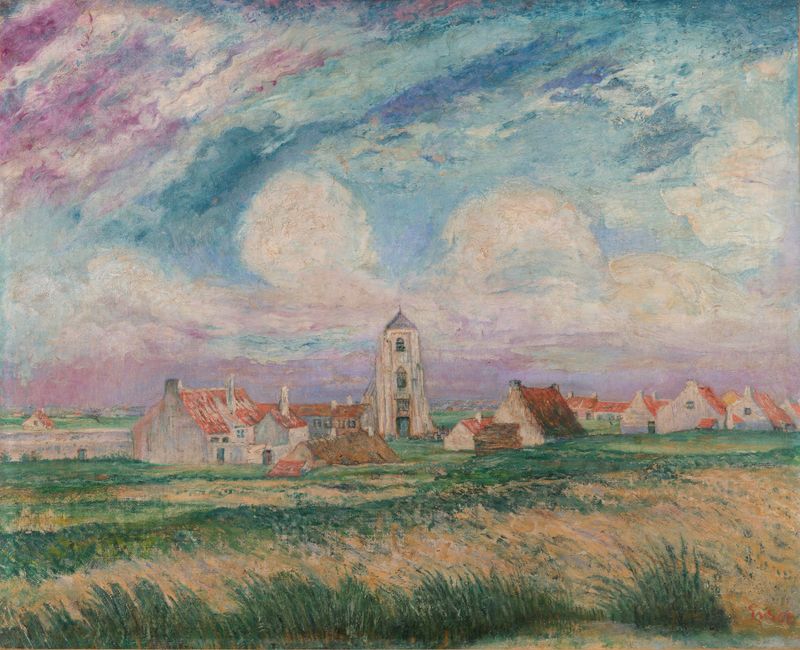
View of Mariakerke
James Ensor
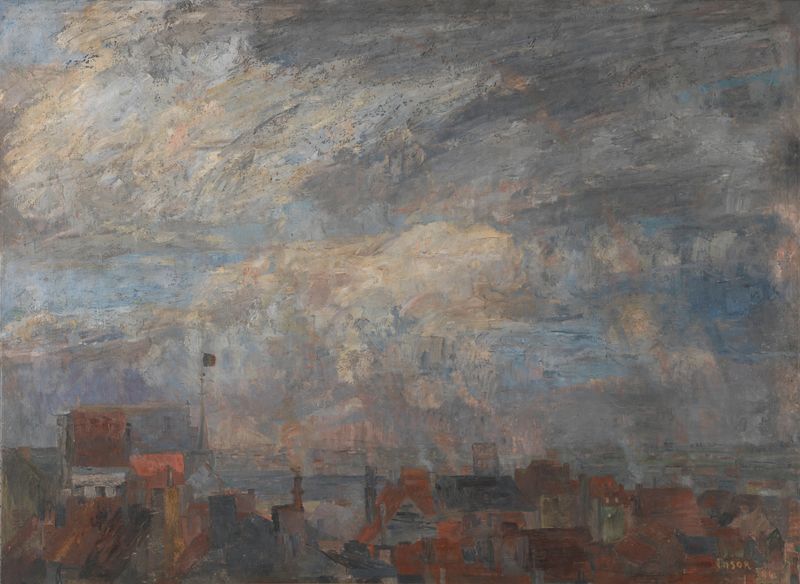
The Rooftops of Ostend
James Ensor
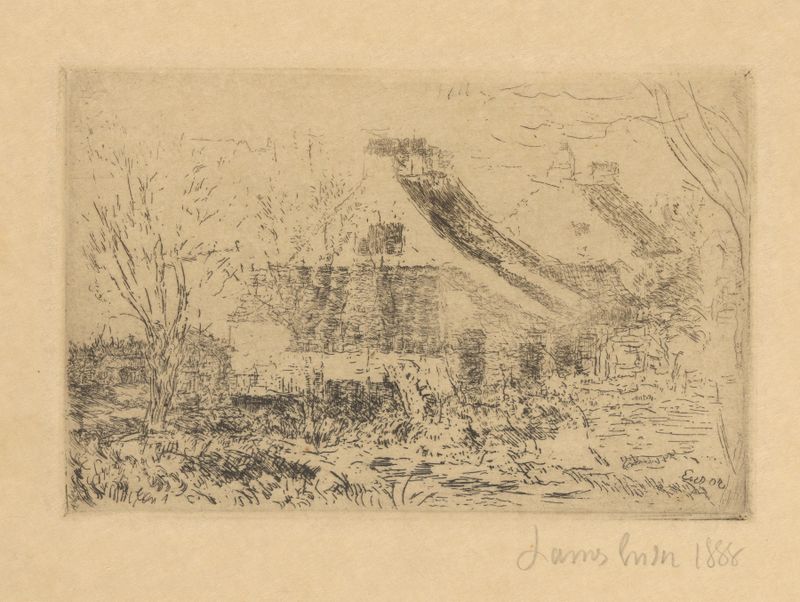
Huisjes in Mariakerke
James Ensor
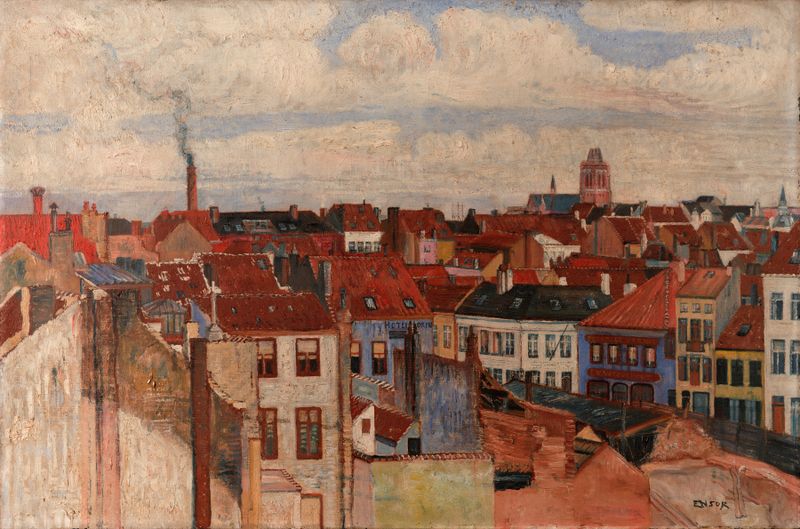
The rooftops of Ostend
James Ensor
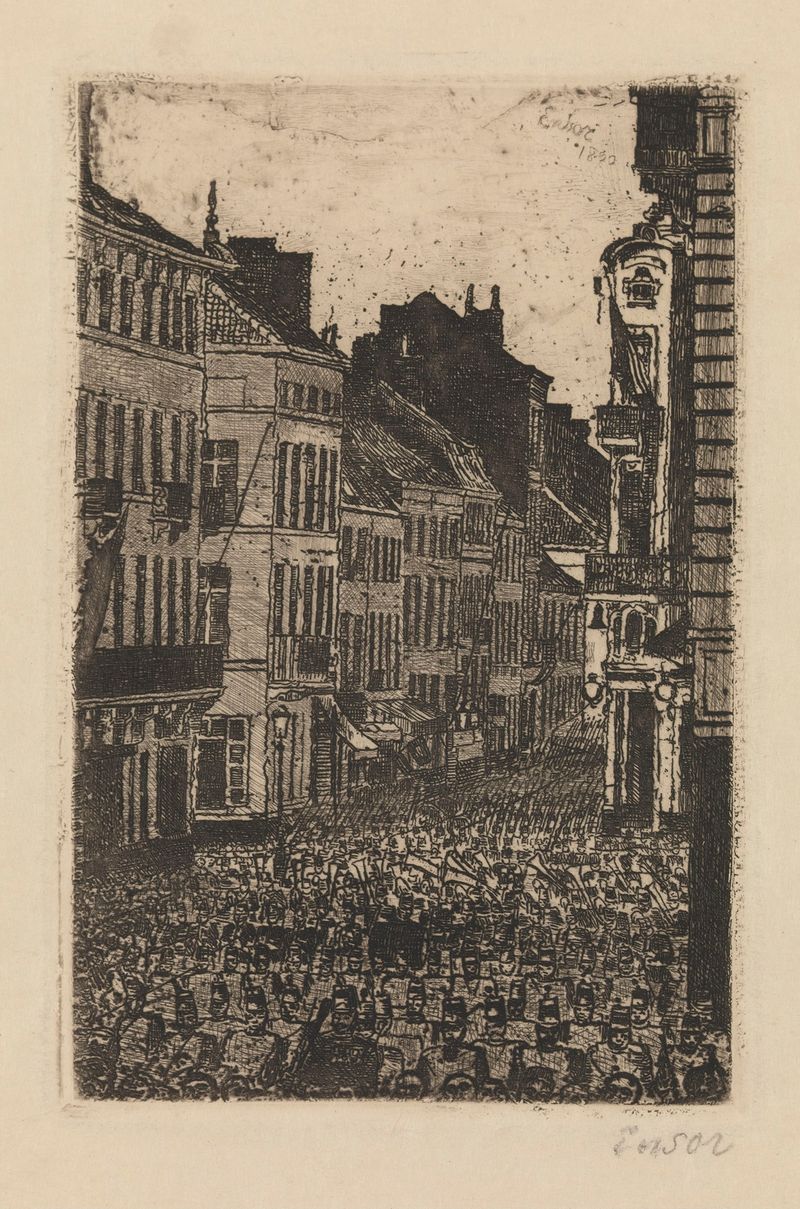
The Music in the rue de Flandre, Ostend
James Ensor
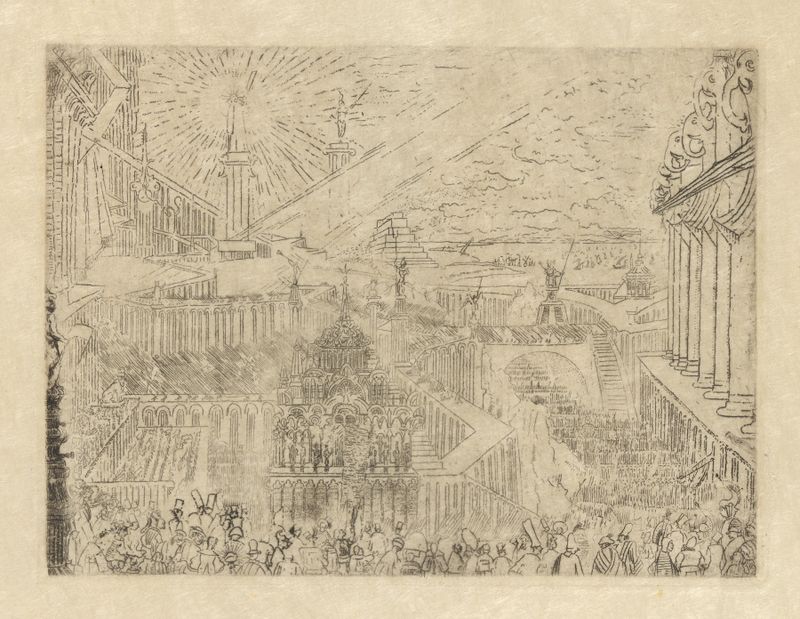
Verovering van een vreemde stad
James Ensor





