
After the Storm — History & Facts
In After the Storm, Charles Courtney Curran presents a tranquil landscape filled with soft colors. The sky is a gentle mix of blues and whites, suggesting the aftermath of a storm. Lush greenery dominates the foreground, while distant hills fade into the horizon.
The overall atmosphere is calm and serene, inviting the viewer to reflect on nature's beauty. The painting is executed in oil on canvas, a common medium for Curran. The brushwork is loose and fluid, typical of the Impressionist style, allowing for a sense of movement in the clouds and foliage. The colors are vibrant yet harmonious, creating a balance that draws the eye across the canvas.
The dimensions are approximately 76 x 102 cm, making it a sizable work that commands attention. Charles Courtney Curran was known for his ability to capture light and atmosphere in his landscapes. After the Storm exemplifies his Impressionist approach, focusing on the effects of light after a rain. Interestingly, this painting reflects Curran's fascination with nature and his desire to convey a moment of peace.
His works often depict idyllic scenes that resonate with viewers, making him a notable figure in American Impressionism.
More Artworks by Charles Courtney Curran
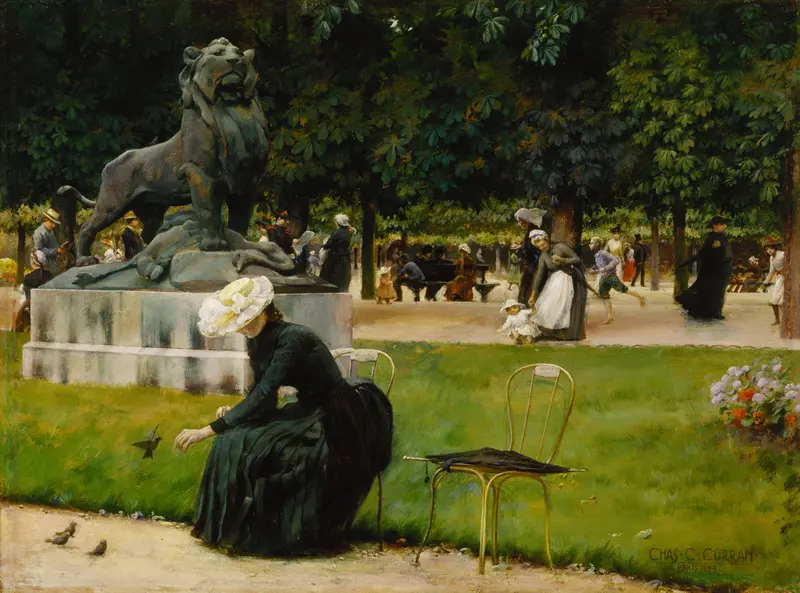
In the Luxembourg (Garden)
Charles Courtney Curran
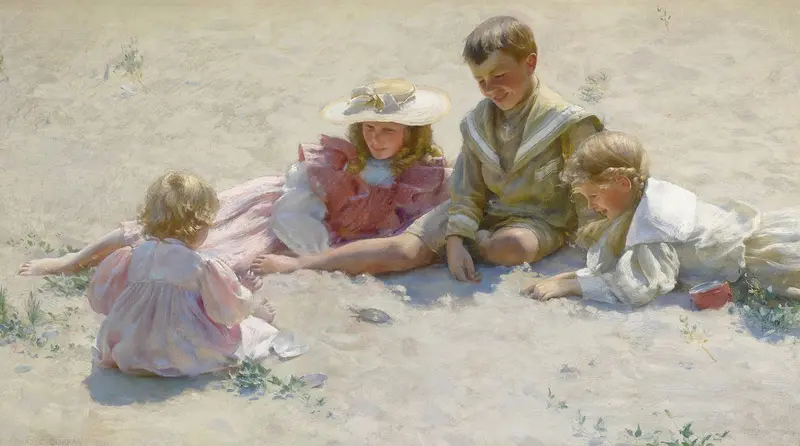
Children By The Seashore
Charles Courtney Curran
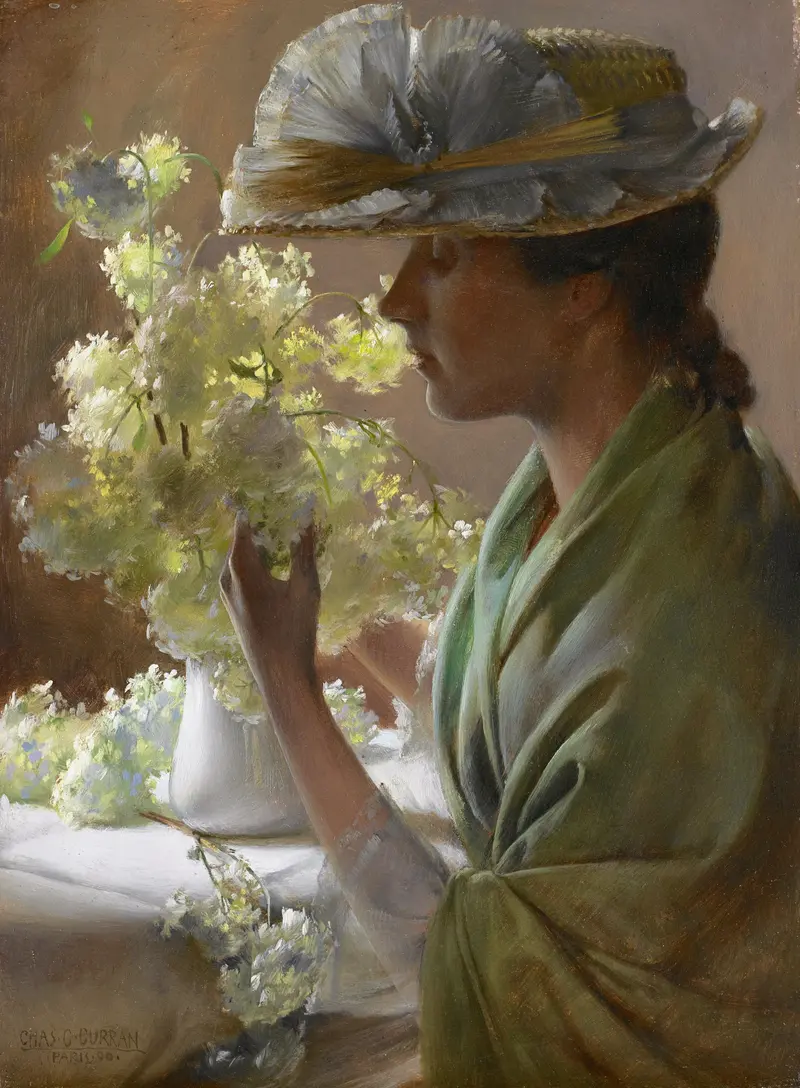
Lady with a Bouquet (Snowballs)
Charles Courtney Curran
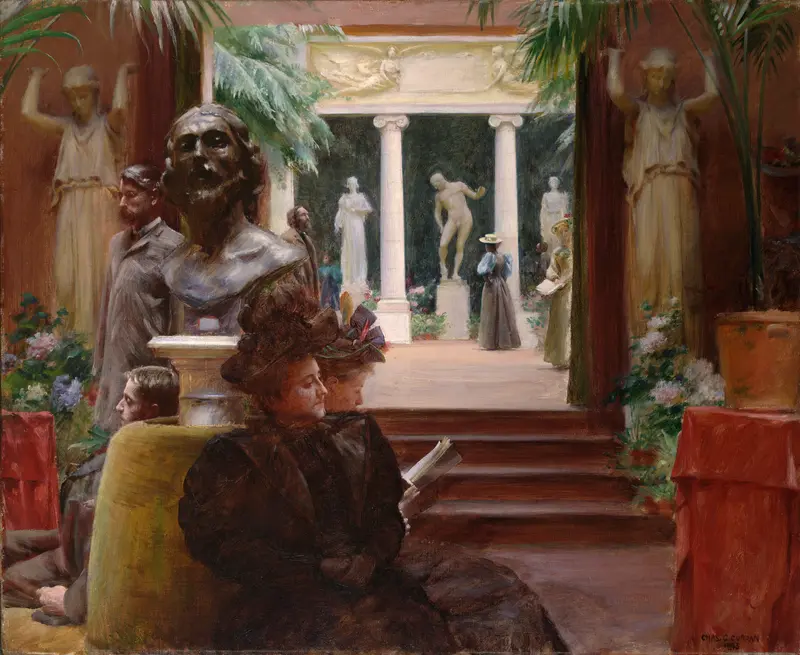
At the Sculpture Exhibition
Charles Courtney Curran
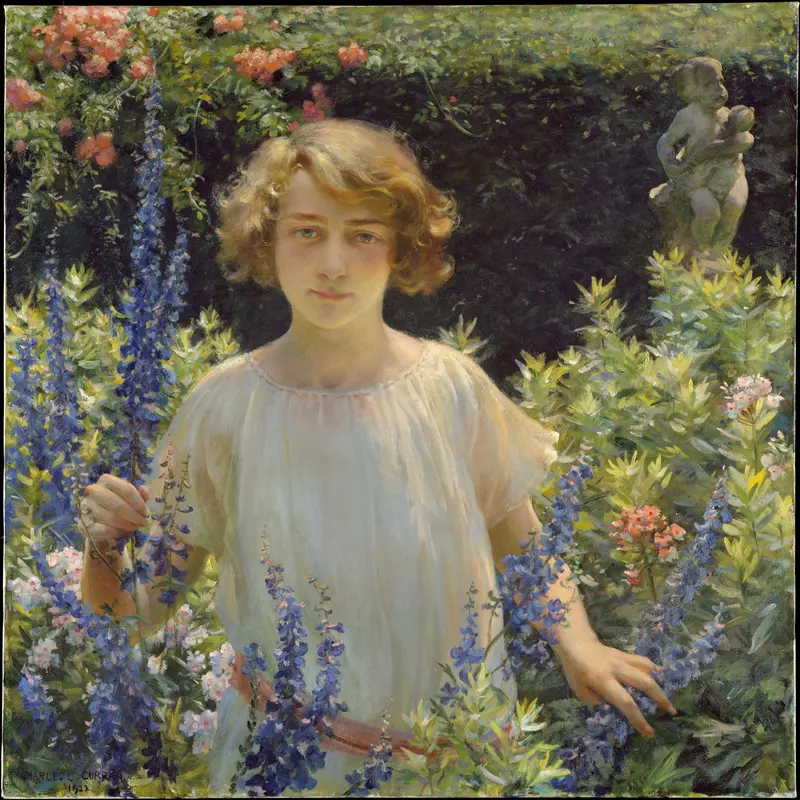
Betty Gallowhur (Betty Newell)
Charles Courtney Curran
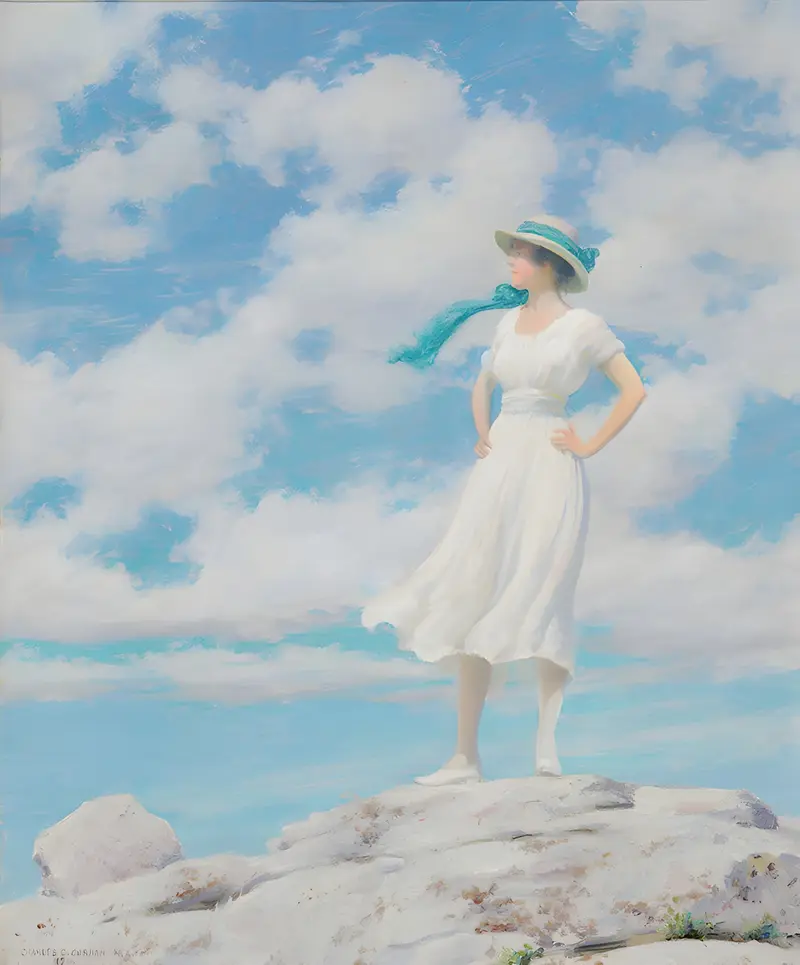
Summy Sky (On the Summit)
Charles Courtney Curran
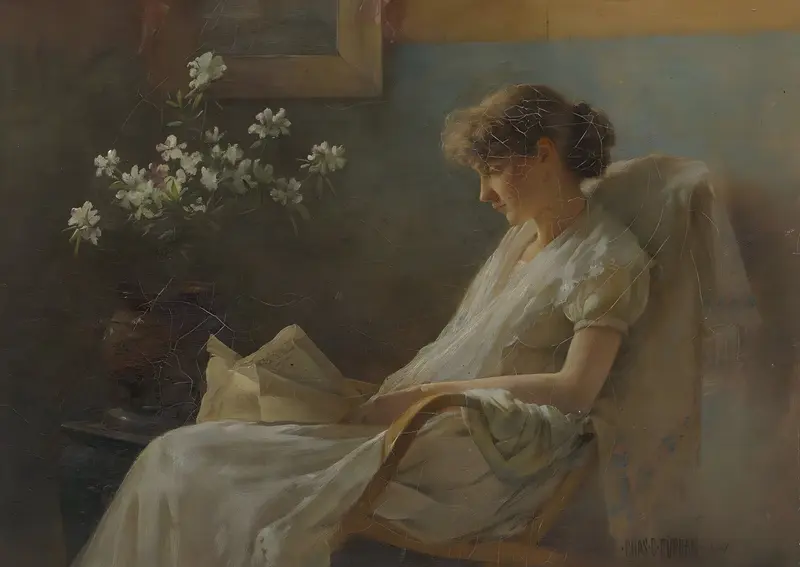
A Comfortable Corner
Charles Courtney Curran
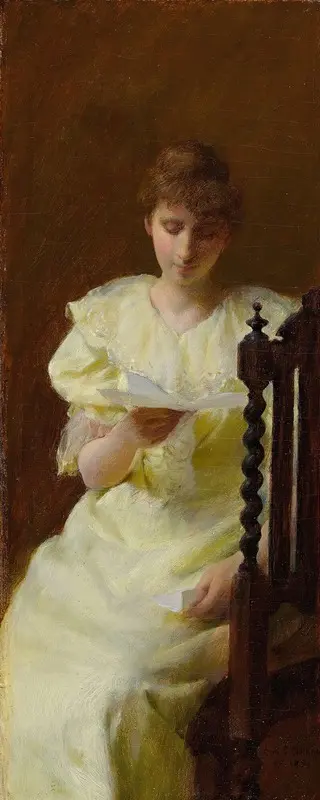
Lady In Yellow
Charles Courtney Curran

An Alcove in the Art Students’ League
Charles Courtney Curran
Fair Critics
Charles Courtney Curran
More Landscape Art

The Starry Night
Vincent van Gogh

View of Delft
Johannes Vermeer

Water Lilies
Claude Monet

The Grand Canal, Venice, looking north-west from the Ca' Corner to the Ca' Contarini degli Scrigni, with the campanile of Santa Maria della Carità
Canaletto

Windsor Castle
Canaletto

The Grand Canal looking North-East from the Palazzo Dolfin-Manin to the Rialto Bridge
Canaletto