
Afterglow — History & Facts
Can beauty exist without sorrow? In the delicate play of light and shadow, the essence of mortality emerges, inviting contemplation on life’s fleeting nature. Gaze into the foreground, where ethereal hues of pink and gold mingle with deep blues. Notice how the soft, diffused light bathes the landscape, revealing the subtle curves of hills and the gentle ripples of water. The artist’s deft brushwork conveys a serene atmosphere, drawing your eye toward the horizon where the day’s last light fades into twilight.
Each stroke encapsulates a moment, a breath suspended in time. Yet, beneath this tranquil exterior lies a profound tension. The vibrant palette is juxtaposed with the encroaching darkness, a reminder of life’s impermanence. The shimmering reflections in the water evoke both beauty and melancholy, suggesting that each moment of joy is shadowed by the inevitability of loss.
This reveals an emotional complexity that resonates deeply, urging the viewer to embrace both beauty and sorrow as inseparable aspects of existence. Created in 1909, this work emerged during a transformative period for Karl Nordström, who was deeply influenced by the Symbolist movement and the waning of the Romantic era. Living in Sweden, he was grappling with the elusive nature of beauty and mortality, reflecting broader themes in the art world at the time, where artists began to explore the interplay between light, emotion, and the human experience.
More Artworks by Karl Nordström
Browse all →
Kyrkesund
Karl Nordström
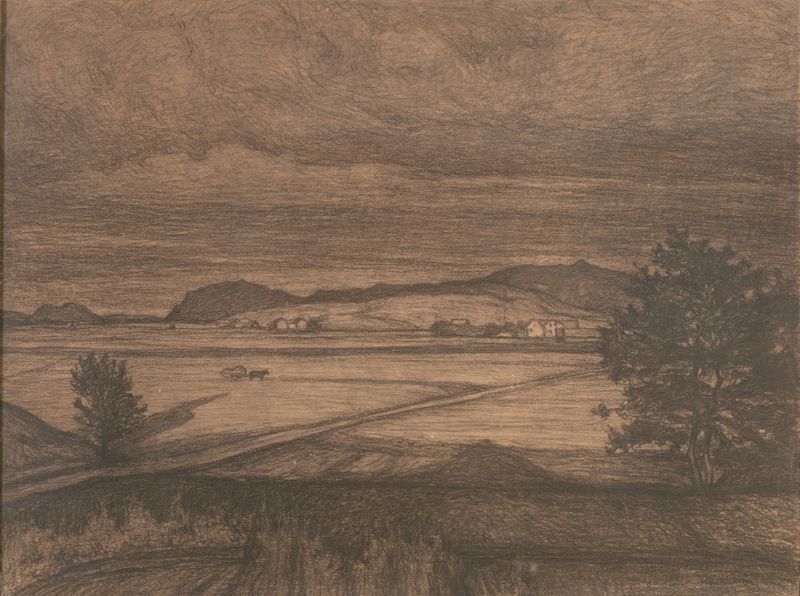
Högadal on Tjörn
Karl Nordström

Scene from Tjörn
Karl Nordström

The Surf
Karl Nordström
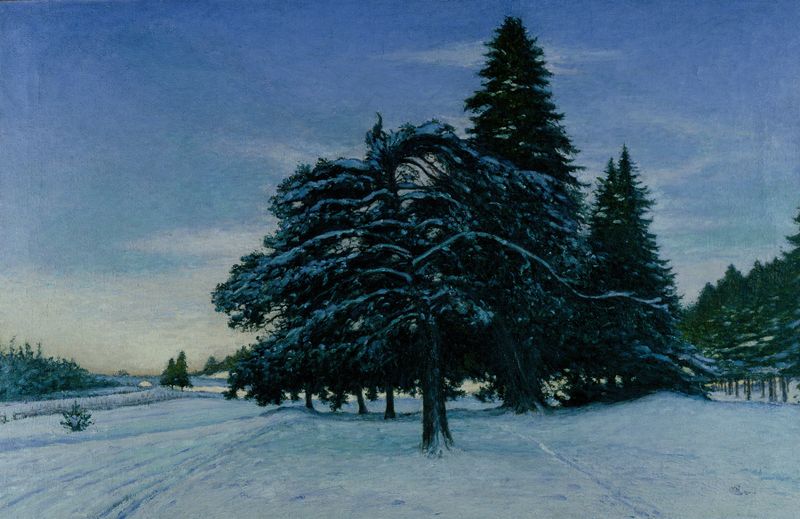
Winter’s Day at Uggleviken
Karl Nordström
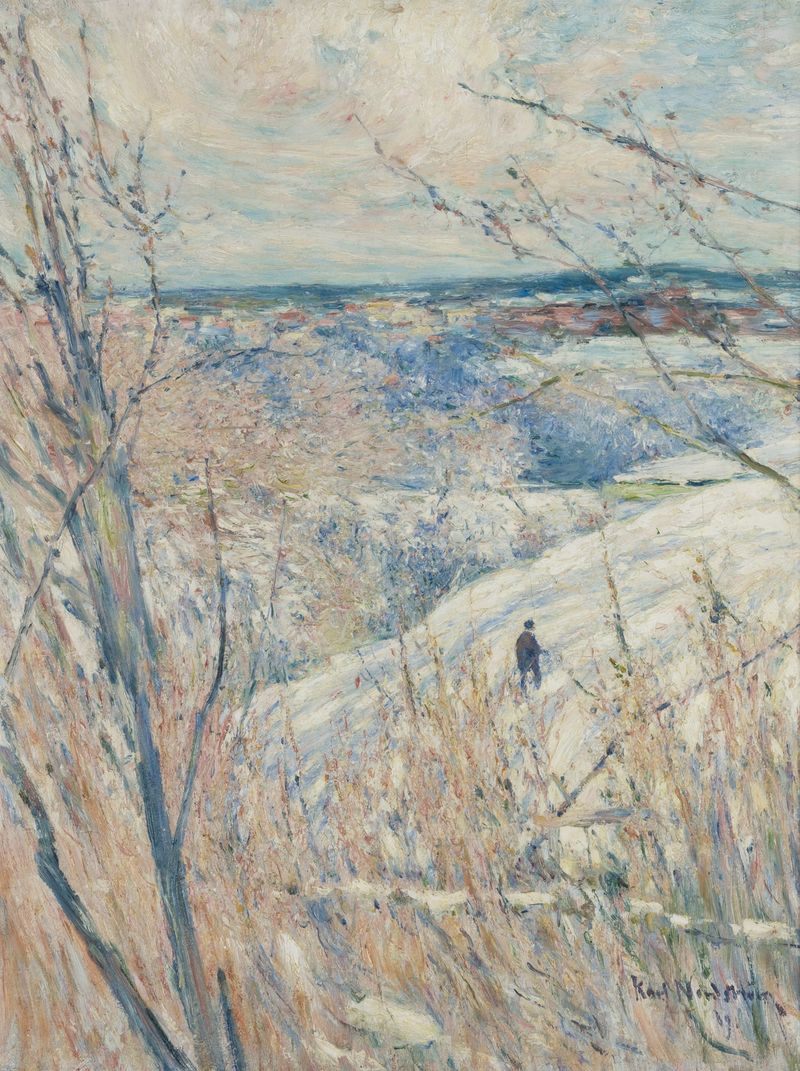
Winter
Karl Nordström

Fishing Boat
Karl Nordström

Hoga Valley, Tjörn
Karl Nordström

Roslag Street, Stockholm
Karl Nordström
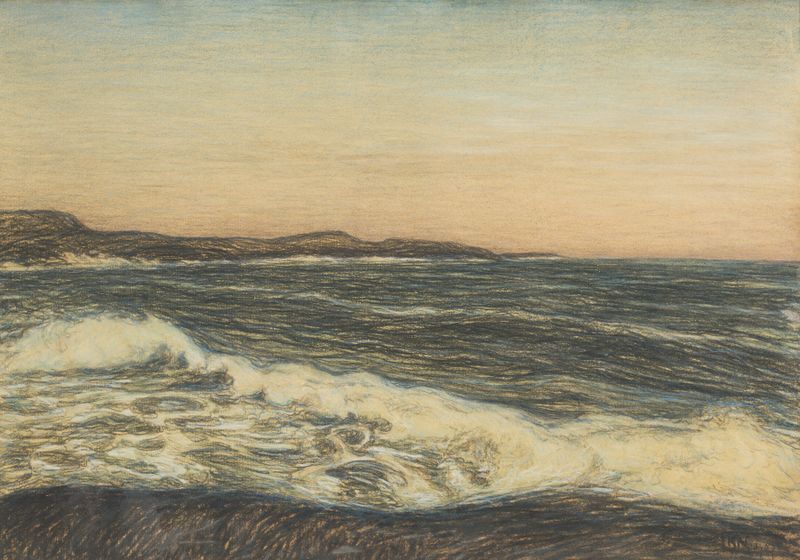
Seashore and Ground-Swell
Karl Nordström





