
Agay — History & Facts
What lies beneath the surface of vibrant colors can often reveal life’s intricate betrayals, echoing emotions we hide deep within. Look to the center, where the tumultuous sea swirls with a cacophony of blues and greens, embodying a tempest of feelings. Notice how the light plays across the waves, glittering like shards of shattered dreams. The brushstrokes are lively yet chaotic, inviting your gaze to dance across the canvas, tracing the paths of each stroke as if they are whispers of untold stories.
The composition draws you in, creating an almost tangible tension between the tranquility of the shoreline and the violent churn of the water. Amidst the vivid colors, the interplay of light and shadow unveils deeper meanings, suggesting a struggle between serenity and chaos. The waves, fierce and tumultuous, mirror the emotional undercurrents of betrayal, while the quiet land in the background symbolizes a longing for stability. The painting speaks to the dichotomy of beauty and despair, urging the viewer to confront the delicate balance in relationships that can tip from love to loss in a heartbeat. In 1899, Guillaumin created Agay during a time when the art world was grappling with the transition from Impressionism to Post-Impressionism.
Living in Paris, he was influenced by the avant-garde movements of his contemporaries, yet remained rooted in the emotional landscapes of his own experience. This period marked his continued exploration of color and light, reflecting both personal and collective feelings of upheaval and transformation.
More Artworks by Armand Guillaumin
Browse all →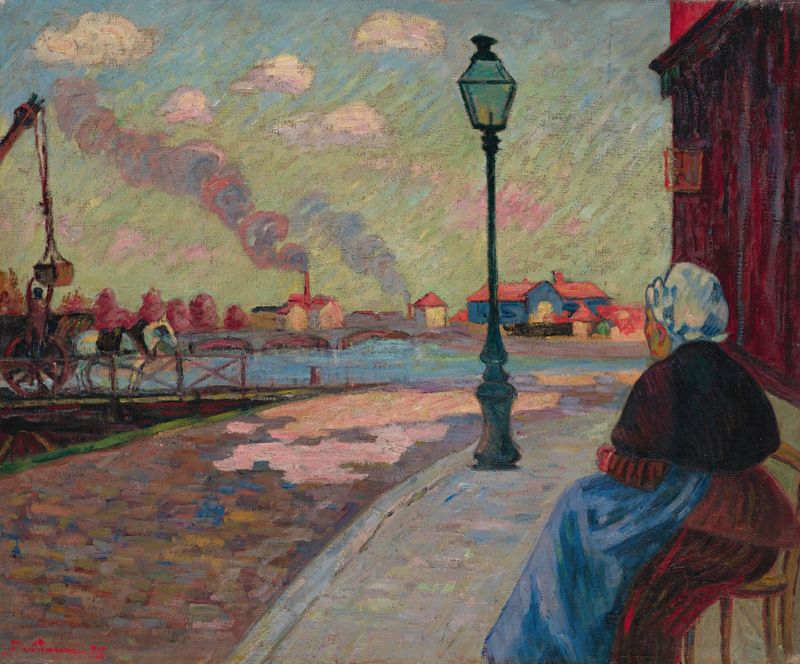
La Seine À Charenton
Armand Guillaumin
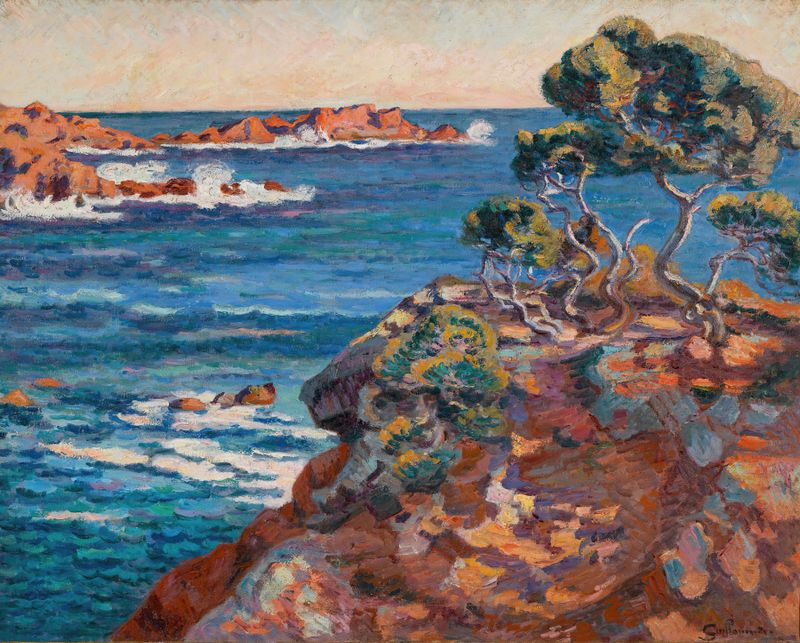
Bord De Mer À Agay
Armand Guillaumin
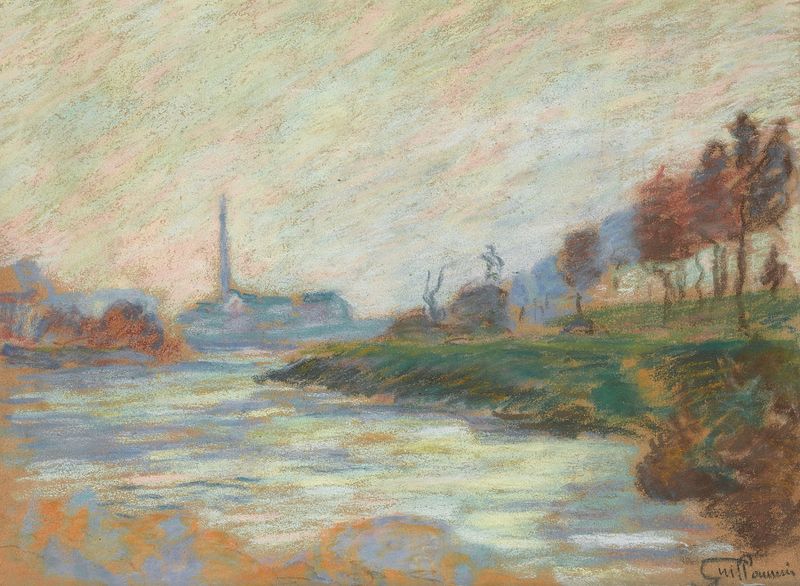
Confluent De La Marne Et De La Seine, Île De La France
Armand Guillaumin

Le Ravin de la folie, vue de Chateau Crozant
Armand Guillaumin
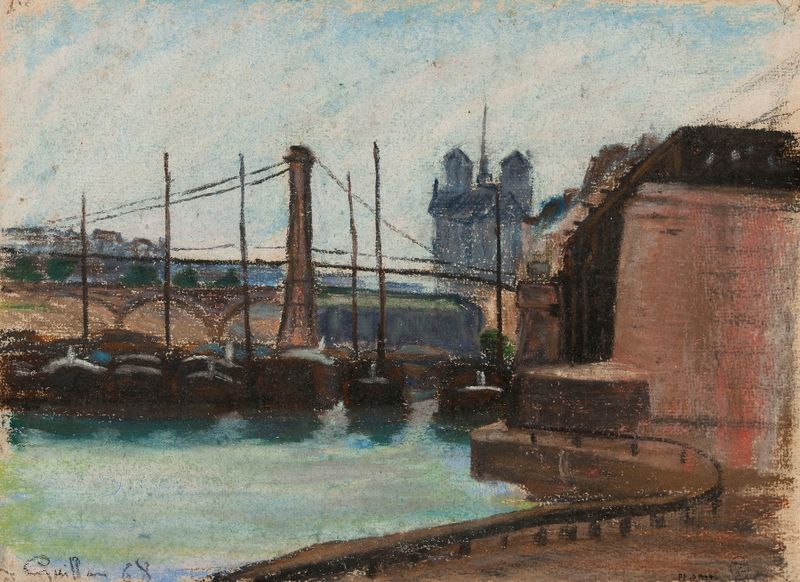
Le Pont d’Austerlitz
Armand Guillaumin

Paysage de Printemps
Armand Guillaumin
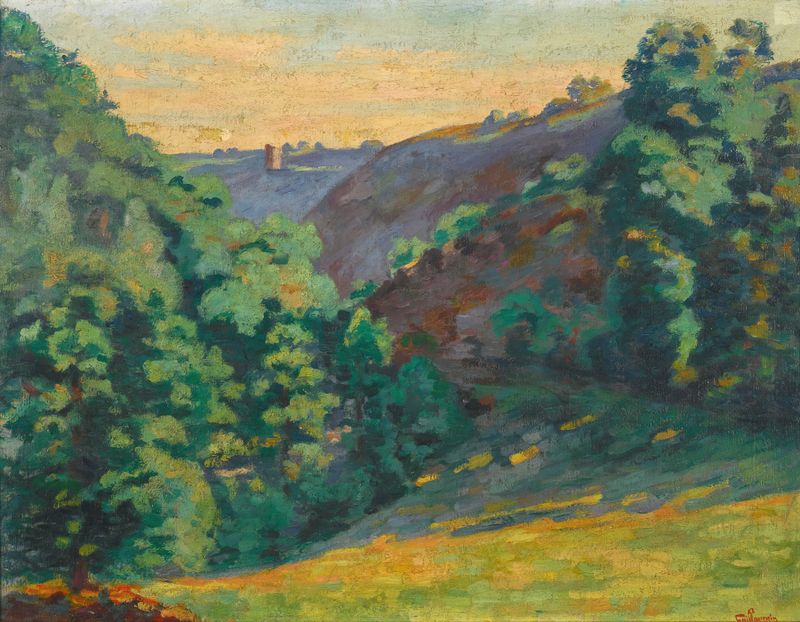
Crozant, Le Ravin De La Sedelle À La Folie
Armand Guillaumin
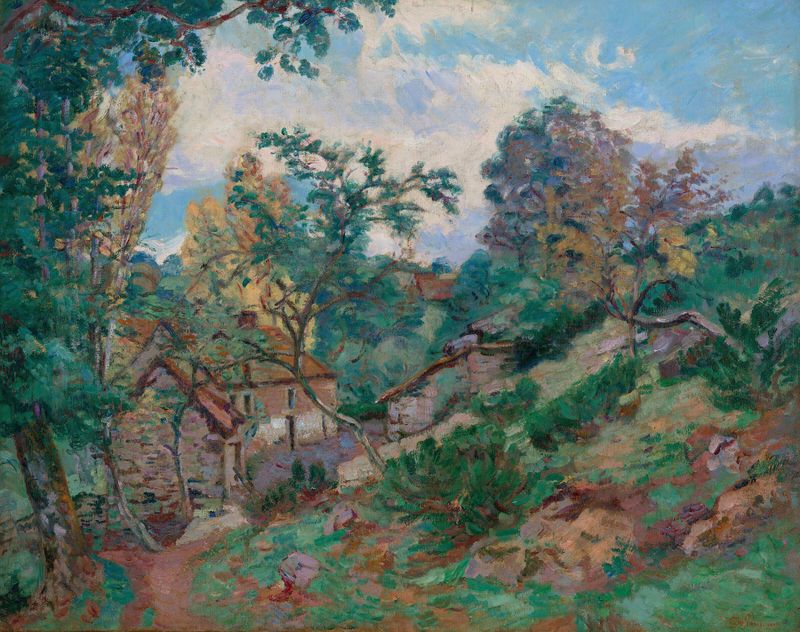
Paysage
Armand Guillaumin

La vallée de la creuse
Armand Guillaumin

L’Eglise Saint-Sulpice, Paris
Armand Guillaumin





